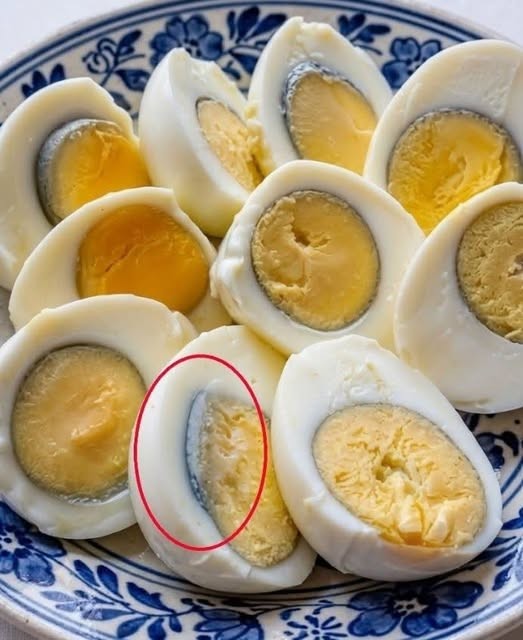

Why Hard-Boiled Eggs Get a Green Ring Around the Yolk
A greenish-gray ring around the yolk of a hard-boiled egg can be surprising, especially when the egg was fresh and appears otherwise normal. Fortunately, this familiar discoloration is usually harmless. It is not, by itself, a sign that an egg has spoiled, been contaminated, or become unsafe to eat.
The ring is generally caused by a natural chemical reaction that can occur when eggs are heated for too long or held at high temperatures. Understanding why it happens can help home cooks make better hard-boiled eggs, with tender whites, bright yellow yolks, and a more appealing appearance. Just as importantly, it helps distinguish a harmless cooking-related change from genuine food-safety concerns.
What Causes the Green or Gray Ring on a Hard-Boiled Egg?
The green or gray layer forms at the surface of the yolk, where the cooked egg white and yolk meet. It results from a reaction between sulfur-containing compounds in the egg white and iron naturally found in the yolk.
As an egg cooks, proteins in the white release small amounts of hydrogen sulfide gas. At the same time, the yolk contains iron. When the egg is exposed to excessive heat or cooked for a prolonged period, the sulfur and iron can react at the boundary between the two parts of the egg. This reaction produces iron sulfide, a compound with a greenish-gray appearance.
The color may range from a faint gray outline to a more noticeable olive-green ring. While it may look unappetizing to some people, the ring does not usually affect the egg’s nutritional value in a meaningful way. It is primarily an aesthetic issue associated with cooking technique.
Are Green-Ringed Hard-Boiled Eggs Safe to Eat?
In most cases, yes. A hard-boiled egg with a green or gray ring is generally safe to eat if it was cooked thoroughly, cooled appropriately, and stored safely. The discoloration caused by iron sulfide is different from spoilage.
Food safety depends far more on time, temperature, handling, and storage than on the appearance of the yolk ring. The U.S. Department of Agriculture advises refrigerating cooked eggs promptly and using hard-cooked eggs within one week. Eggs should not be left at room temperature for more than two hours, or for more than one hour when the surrounding temperature is above 90°F (32°C).
It is important not to rely on color alone when deciding whether to eat an egg. A green ring can occur in a perfectly fresh egg that was simply overcooked. Conversely, an egg without a green ring may still be unsafe if it was stored improperly or left out too long.
How to Tell the Difference Between Discoloration and Spoilage
A greenish-gray ring around the yolk is usually a predictable result of heat. However, consumers should pay attention to other signs that may indicate an egg should be discarded. These include an unpleasant or unusual odor, a slimy surface, visible mold, or unexpected discoloration elsewhere in the egg.
Hard-boiled eggs can have a mild sulfur-like smell because of the natural compounds released during cooking. This is especially noticeable when eggs have been cooked for a long time. A mild cooked-egg aroma is not necessarily a food-safety concern. However, a strongly unpleasant odor, particularly when paired with a slippery texture or questionable storage history, is a reason to avoid eating the egg.
When in doubt, it is safest to discard food that may have been stored outside recommended temperature ranges. People at higher risk of serious foodborne illness, including young children, older adults, pregnant people, and individuals with weakened immune systems, should be especially careful about refrigeration and handling.
Why Overcooking Makes the Ring More Likely
Long cooking times and high temperatures encourage the sulfur-and-iron reaction. Eggs are easy to overcook because they continue to heat internally after they are removed from boiling water. Leaving eggs in actively boiling water for too long, or allowing them to sit in hot water after cooking, can make the green ring more pronounced.
The exact cooking time needed varies based on several factors, including egg size, starting temperature, altitude, the amount of water used, and whether the eggs begin in cold or already-boiling water. For this reason, there is no single timing method that works perfectly in every kitchen.
Still, the general principle is consistent: cook eggs gently and avoid prolonged exposure to heat. Many reliable cooking methods use water brought to a boil, followed by removing the pan from direct heat and allowing the eggs to stand covered for a controlled period. Others use a gentle simmer rather than a vigorous boil. Both approaches can reduce overcooking when done carefully.
How to Prevent a Green Ring Around Egg Yolks
The most effective way to prevent the green ring is to limit excess heat and stop the cooking process quickly. A few simple steps can make a noticeable difference:
- Avoid extended boiling: Do not keep eggs at a hard boil longer than necessary. Once the desired level of doneness is reached, remove them from the heat.
- Use gentle, controlled cooking: A gentle simmer or an off-heat standing method can be easier to manage than a vigorous rolling boil.
- Cool eggs immediately: Transfer cooked eggs to cold running water or an ice-water bath. Rapid cooling reduces carryover cooking and helps preserve the yolk’s yellow color.
- Cook in a single layer: Arranging eggs in a single layer in the pan can support more even heating and reduce cracking caused by overcrowding.
- Use enough water: Covering eggs with water helps them cook more evenly, though the ideal amount depends on the chosen method.
Cooling is particularly important. An ice-water bath does more than make eggs comfortable to handle: it quickly lowers their temperature, limiting further chemical reactions between the white and yolk. It can also make peeling easier by helping the egg contract slightly inside the shell.
A Practical Method for Making Hard-Boiled Eggs
A dependable home method begins by placing eggs in a saucepan in a single layer and covering them with cool water. Bring the water to a boil over medium-high heat. Once it reaches a full boil, turn off the heat, cover the pan, and let the eggs stand in the hot water. Depending on the size of the eggs and the preferred yolk texture, this standing period often ranges from about 9 to 12 minutes.
After the standing time, carefully transfer the eggs to a bowl of ice water or run them under cold water until they are thoroughly cooled. This method reduces the risk of overcooking because the eggs are not continuously exposed to direct heat throughout the entire cooking period.
Cooking preferences vary. Some people prefer a slightly softer center for salads or grain bowls, while others want a fully firm yolk for sandwiches, deviled eggs, or packed lunches. The best approach is to test one or two eggs with a preferred method and adjust the timing for future batches. Factors such as altitude and cookware can affect results.
Does the Ring Change the Nutrition of the Egg?
A green ring is not generally considered a nutritional concern. Eggs remain a source of high-quality protein and provide nutrients including choline, selenium, vitamin B12, riboflavin, and vitamin D in varying amounts. The precise nutrient profile depends on the egg and the diet of the laying hen, but the normal greenish discoloration from cooking does not turn the egg into an unhealthy food.
That said, overcooked eggs may have a firmer, rubberier white and a drier, more crumbly yolk. These texture changes can affect enjoyment and may make eggs less appealing in dishes where a creamy yolk is desired. Preventing the ring therefore also supports better flavor and texture, not only appearance.
How to Store Hard-Boiled Eggs Safely
Safe storage is essential whether or not an egg develops a green ring. After cooking and cooling, refrigerate hard-boiled eggs within two hours. Keep the refrigerator at 40°F (4°C) or below. The USDA recommends using hard-cooked eggs within one week of cooking.
Hard-boiled eggs may be stored in their shells or peeled. Keeping shells on until the eggs are needed can help protect the egg from absorbing odors in the refrigerator and can make it easier to identify which eggs have been cooked. If eggs are peeled, store them in a clean covered container in the refrigerator. They should not be left out on a counter, in a lunch bag without cold packs, or at a buffet for extended periods.
For packed meals, use an insulated lunch container with a cold source, such as a frozen gel pack. This is especially important during warm weather or when food will not be eaten promptly.
Common Myths About Green Egg Yolks
One common myth is that a green yolk ring means the egg was old before cooking. Although egg age can influence peeling and other characteristics, the green ring is mainly linked to heat exposure and the natural sulfur-and-iron reaction. Fresh eggs can develop the ring if overcooked.
Another misconception is that the discoloration means the egg contains an unsafe additive or chemical. In reality, iron and sulfur are naturally occurring components of eggs. The reaction is a normal result of cooking, not evidence that something artificial has been added.
Finally, some people believe that all sulfur aromas indicate spoilage. A cooked egg can have a noticeable sulfur scent, particularly after prolonged cooking, without being unsafe. Storage conditions, elapsed time, texture, and overall odor are more useful indicators of whether the egg should be kept or discarded.
The Bottom Line on Green Rings in Hard-Boiled Eggs
A green or gray ring around a hard-boiled egg yolk is usually harmless and is most often caused by overcooking or slow cooling. It forms when sulfur from the egg white reacts with iron in the yolk, creating iron sulfide at the yolk’s surface.
To reduce the chance of discoloration, avoid prolonged boiling, use a controlled cooking time, and cool eggs promptly in cold or ice water. Most importantly, follow safe storage guidance: refrigerate cooked eggs quickly, keep them cold, and use them within one week. With careful cooking and handling, hard-boiled eggs can remain a convenient, nutritious, and versatile food for meals and snacks.
Sources
Disclaimer: This content is intended for entertainment purposes only and is not based on real events.
