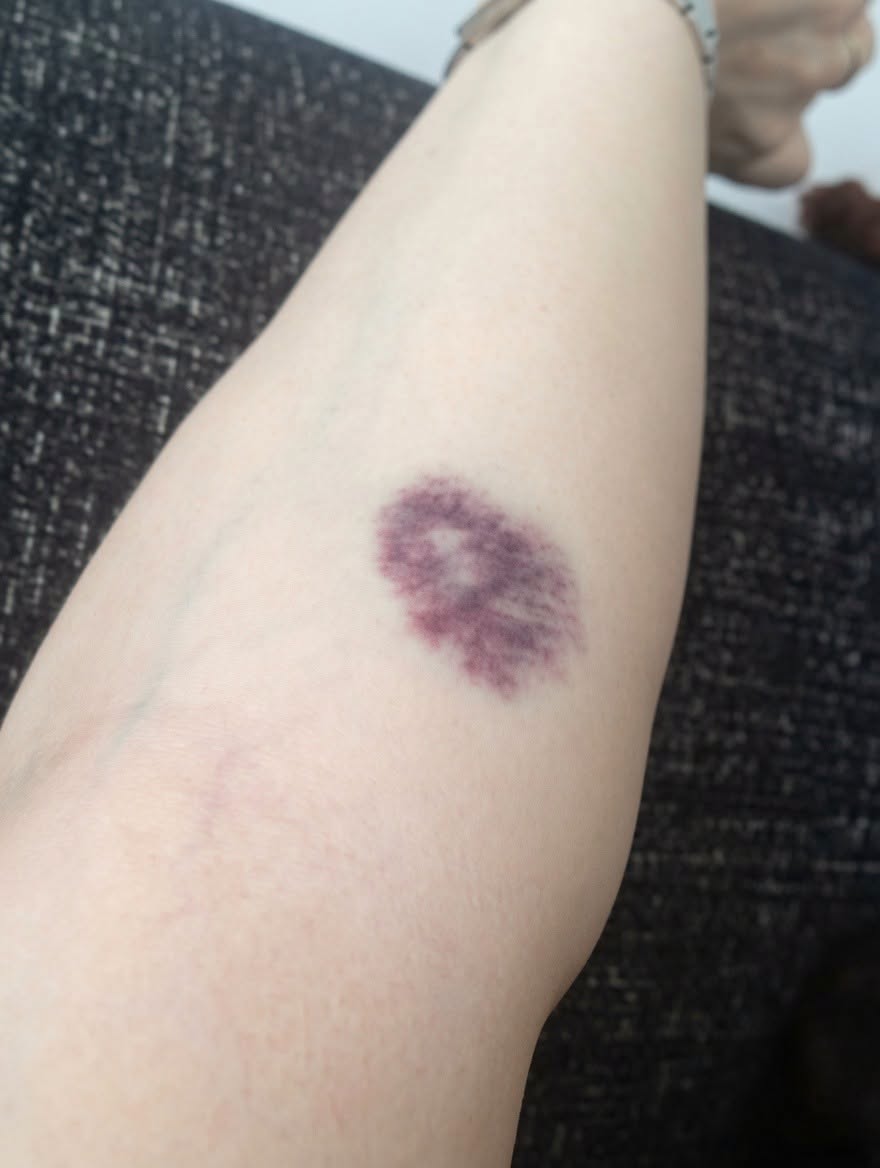

You notice a bruise on your arm while getting ready for the day. It has a deep purple color, but you cannot remember bumping into anything. At first, it seems like a small mystery. After all, everyone gets the occasional bruise. Yet when bruises appear without an obvious cause or seem to become more frequent, it’s natural to wonder whether your body is trying to tell you something.
Fortunately, most unexplained bruises are not a sign of a serious illness. Everyday activities, aging, medications, and even nutritional factors can make bruising more noticeable. However, in some situations, persistent or unusual bruising deserves medical evaluation. Understanding the possible causes can help you know when simple observation is enough and when it is wise to seek professional advice.
What Is a Bruise?
A bruise, medically known as a contusion, develops when tiny blood vessels called capillaries are damaged beneath the skin.
Instead of bleeding through the skin, a small amount of blood collects in the surrounding tissue. As the body gradually breaks down and reabsorbs this blood, the bruise changes color.
Most bruises follow a familiar pattern:
- Dark blue or purple shortly after appearing
- Greenish tones as healing progresses
- Yellow or brown before fading completely
Depending on their size and location, bruises typically improve over one to three weeks.
:format(webp)/xuat_huyet_noi_59d5e7f477.jpeg)
Why Bruises Sometimes Appear Without Remembering an Injury
Many people are surprised to discover a bruise without recalling any accident.
This is often because the impact was so minor that it went unnoticed.
Small bumps against furniture, carrying heavy bags, gardening, exercising, or even playing with children or pets can cause tiny injuries that become visible hours later.
In many cases, the bruise itself is the first sign that an unnoticed bump occurred.
Common Causes of Easy Bruising
Several everyday factors can make bruises appear more easily.
Aging
As people grow older, the skin naturally becomes thinner.
The layer of protective fat beneath the skin also decreases, leaving small blood vessels with less cushioning.
This makes minor impacts more likely to produce visible bruises.
Easy bruising is therefore a common part of healthy aging for many adults.
Medications
Certain medications reduce the body’s ability to form blood clots or increase the likelihood of bruising.
Examples include:
- Blood-thinning medications
- Aspirin
- Some anti-inflammatory medicines
- Corticosteroids
If bruising becomes noticeably more frequent after starting a medication, discuss it with your healthcare provider rather than stopping the medicine on your own.
Physical Activity
Exercise is beneficial for overall health, but active lifestyles sometimes involve small muscle strains or accidental bumps.
Weight training, contact sports, hiking, or even moving furniture can produce bruises that are discovered later.
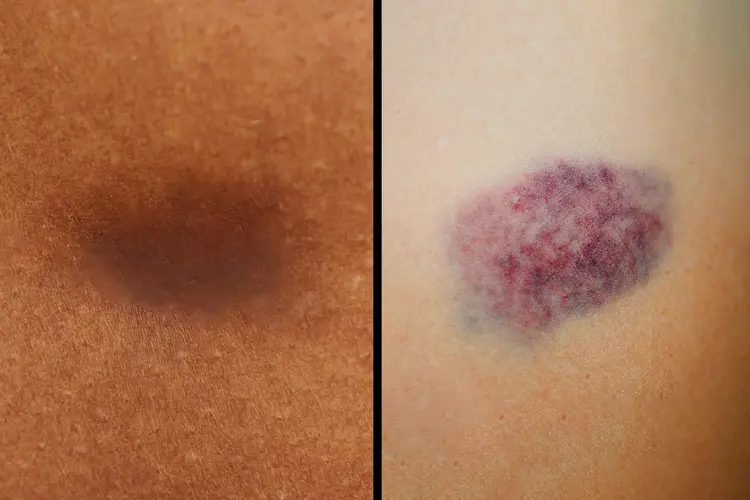
Can Vitamin Deficiencies Cause Bruising?
Yes.
Nutrition plays an important role in maintaining healthy blood vessels and normal clotting.
Certain vitamin deficiencies may contribute to easier bruising.
Vitamin C
Vitamin C helps produce collagen, an important component of healthy skin and blood vessels.
Low levels may weaken capillary walls, making bruises more likely.
Good dietary sources include:
- Oranges
- Strawberries
- Bell peppers
- Kiwi
- Broccoli
Vitamin K
Vitamin K supports normal blood clotting.
Insufficient intake may contribute to increased bruising in some people.
Foods rich in vitamin K include:
- Spinach
- Kale
- Broccoli
- Brussels sprouts
Maintaining a balanced diet usually provides adequate amounts of these nutrients.
Other Medical Conditions That May Contribute
Occasionally, frequent unexplained bruising may be associated with an underlying medical condition.
Examples include disorders affecting:
- Blood clotting
- Platelet function
- Liver function
- Certain bone marrow disorders
It is important to remember that bruising alone is not enough to diagnose any specific illness.
Healthcare professionals consider many factors, including medical history, physical examination, laboratory tests, and other symptoms before determining the cause.
When Should You See a Healthcare Professional?
Most bruises heal naturally without treatment.
However, medical evaluation is recommended if bruises:
- Appear frequently without a clear explanation
- Become unusually large
- Take a very long time to heal
- Occur together with other unusual symptoms
- Continue becoming more common over time
Prompt medical assessment helps identify whether the cause is harmless or requires additional evaluation.

Other Symptoms Worth Mentioning
Bruising becomes more important when it occurs alongside other changes in health.
Tell your healthcare provider if unexplained bruising is accompanied by symptoms such as:
- Persistent fatigue
- Frequent infections
- Unexpected weight changes
- Bleeding that lasts longer than usual
- Frequent nosebleeds
- Tiny red or purple spots on the skin (called petechiae)
- Swollen lymph nodes
These symptoms do not automatically indicate a serious condition, but they do deserve professional evaluation.
How Doctors Evaluate Easy Bruising
Healthcare providers usually begin with a detailed conversation.
Questions may include:
- When did the bruising begin?
- Are you taking any medications?
- Have you noticed changes in diet?
- Is there a family history of bleeding disorders?
- Have you recently experienced illness?
Depending on the findings, blood tests may be recommended.
Common laboratory tests include:
- Complete blood count (CBC)
- Platelet count
- Blood clotting studies
- Liver function tests
These evaluations help identify many common causes of easy bruising.
Caring for a Typical Bruise
Most uncomplicated bruises improve with simple home care.
Helpful measures include:
During the first 24 hours, applying a cold pack wrapped in a towel may reduce swelling.
After the first couple of days, gentle warmth may encourage circulation as healing continues.
If possible, elevating the affected area can also reduce discomfort.
Most importantly, allow time for the body’s natural healing process.
Tips to Reduce Future Bruising
Although bruises cannot always be prevented, several habits may reduce their frequency.
Maintain a balanced diet rich in fruits and vegetables.
Stay physically active to support muscle strength and balance.
Wear appropriate protective equipment during sports.
Keep living areas well lit and free of tripping hazards.
Review medications with your healthcare provider during regular checkups.
These simple steps support overall health while reducing accidental injuries.
Avoid Self-Diagnosis Based on Social Media
Online information can be helpful, but it may also create unnecessary anxiety.
Social media posts sometimes suggest that one symptom always points to a specific illness.
In reality, medicine is rarely that simple.
The same symptom can have many possible explanations, ranging from completely harmless to conditions that require treatment.
Only qualified healthcare professionals can evaluate symptoms in the context of your complete medical history and appropriate testing.
Whenever you have ongoing concerns, professional medical advice is more reliable than online speculation.
Listening to Your Body Without Panic
Our bodies often provide useful clues about our health.
Changes in skin, energy levels, appetite, or overall well-being can sometimes signal that something deserves attention.
Paying attention does not mean assuming the worst.
Instead, it means observing patterns, noting changes, and discussing persistent concerns with a healthcare provider.
This balanced approach helps identify problems early while avoiding unnecessary worry.
A Healthy Perspective on Unexplained Bruises
Finding an unexplained bruise can certainly be surprising, but in most cases it has a simple explanation. Everyday bumps, aging, medications, and nutritional factors account for many instances of easy bruising. At the same time, persistent or unusual bruising should not be ignored, particularly when it occurs alongside other symptoms or becomes increasingly common.
The key is to respond with curiosity rather than fear. Careful observation, a healthy lifestyle, and timely medical advice when needed are the best ways to protect your well-being. Your skin can sometimes offer valuable clues about your health, and understanding those signals allows you to make informed decisions with confidence rather than speculation.

Sources
- American Academy of Dermatology (AAD). Information on bruises and skin health.
- Mayo Clinic. Easy bruising: Causes and when to seek medical advice.
- Cleveland Clinic. Bruises (Contusions): Symptoms, causes, diagnosis, and treatment.
- MedlinePlus (U.S. National Library of Medicine). Bruising and bleeding disorders.
- National Heart, Lung, and Blood Institute (NHLBI). Information on blood disorders and clotting.
- Original story inspiration adapted from Oyunrehberleri: The Silent Killer on Your Skin: Why Those Mysterious Bruises Are Screaming for Your Attention.
