
Sleeping with a Fan: Science-Backed Benefits and Health Risks
For many people, using a fan at night is synonymous with comfort and a cool, restful sleep. The gentle breeze and steady hum can make drifting off easier, especially in warmer months. Yet, while most people wake up refreshed after sleeping with a fan, a significant portion experiences issues such as morning dryness, congestion, or even muscle soreness. The reasons behind these differences highlight the complex effects of airflow on the human body—and reveal why proper fan use can overwhelm the risks while maximizing the benefits.
This comprehensive guide explores the evidence behind sleeping with a fan, analyzes the trade-offs, and offers practical strategies for making your nightly routine healthier and more effective based on scientific research and expert recommendations.
Understanding How Fans Affect Air and Your Body
It’s crucial to clarify a common misconception: a typical residential fan does not cool air; instead, it increases air movement around your body. The room’s temperature doesn’t drop, but airflow across your skin helps your body release heat through evaporation and convection. Over the course of a night, this process has measurable effects on comfort, sleep quality, respiratory health, and even indoor air chemistry.
But the story isn’t so simple. Factors including humidity, room cleanliness, fan position, and individual sensitivity dictate whether you wake up feeling great or groggy and uncomfortable. Let’s examine the pros and cons, backed by credible research.
1. Drying Out Airways, Skin, and Eyes
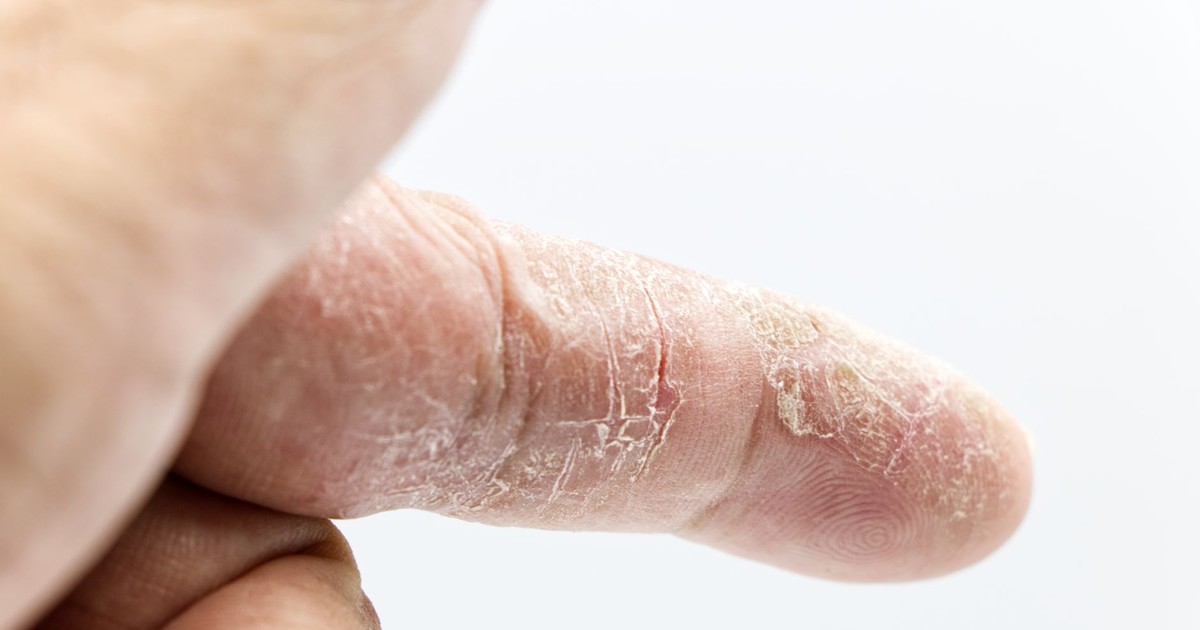
One of the most common complaints reported by fan users is dryness of the mouth, nose, throat, eyes, and even the skin. This is a direct result of accelerated evaporation—continuous airflow causes moisture loss from exposed tissues, including the delicate mucous membranes lining your upper respiratory tract. These linings rely on humidity to prevent irritation and efficiently trap airborne pathogens and allergens.
When these membranes dry out, the body compensates by producing additional mucus, often leading to nasal congestion, coughing, and a dry or itchy throat. Such symptoms can disrupt sleep and leave you feeling fatigued the next day. Research published in the International Journal of Epidemiology found that inhaling dry air reduces the nose’s efficiency at clearing bacteria and particulates, underscoring the importance of maintaining adequate humidity during sleep.
Not everyone is equally affected. People with dry skin, eczema, or sensitive eyes are more susceptible, as are those prone to allergies. A practical solution—endorsed by organizations such as the Sleep Foundation—is to use a humidifier along with your fan. Maintaining bedroom humidity between 40 and 60 percent can dramatically improve comfort and respiratory health for most individuals.
2. Allergies and Asthma: Triggered by Air Circulation

Fans circulate more than just air. Dust, pollen, pet dander, and mold spores that have settled on surfaces can be easily carried back into the air by a fan’s breeze. For those with allergies or asthma, this redistribution increases exposure to potential triggers, raising the risk of reactions that can disturb sleep or degrade overnight respiratory function.
As Dr. William Lu of Dreem Health explains, “While fans improve air circulation, they do not affect filtration. What this means is that instead of allergens staying in one spot in the room, they move around, leading to more consistent exposure while you sleep.” Additionally, fan blades themselves are prone to collecting dust and allergens via static electricity. If left uncleaned, fans can become sources of nighttime pollens and dander, compounding respiratory symptoms.
Regular cleaning of fan blades—at least every week—is especially important for those with respiratory sensitivities. While occasional symptoms may be mild, for asthmatics or those with hay fever, the impact can be sufficient to disrupt the restorative phases of sleep and contribute to prolonged fatigue or even lower daytime productivity.
3. Body Cooling and Deeper Sleep
Core body temperature naturally drops as you fall asleep, a process orchestrated by your circadian rhythm that triggers the deepest, most restorative sleep phases. Fans accelerate this cooling process by moving air across the skin, facilitating evaporation and heat loss. This mild cooling effect signals the brain that it’s time for sleep, promoting more time spent in deeper sleep cycles.
According to guidelines from the Sleep Foundation, maintaining a bedroom temperature between 60 and 67°F (16–19°C) is ideal for most adults. Fans help maintain this range or enhance the cooling effect of air conditioning without further drying the air, distinguishing them as a cost-effective, energy-efficient solution. However, it’s important to remember that fans do not lower actual room temperature; their primary benefit is enhancing skin-level cooling via increased air movement. On extremely hot nights, supplementing with cooling sheets or a cold pack may provide more effective relief.
4. Improved Air Quality Through Reduced CO2 Buildup
One often-overlooked health benefit of running a fan at night is its impact on indoor air chemistry—specifically, the reduction of accumulated carbon dioxide (CO2). When sleeping in a closed room with little or no ventilation, exhaled CO2 can build up quickly. Elevated concentrations of CO2, often above 1,000 parts per million (ppm), have been correlated with minor but measurable reductions in sleep efficiency.
A 2024 study in Building and Environment found that subjects sleeping in bedrooms with higher CO2 levels had increased night awakenings and reduced overall sleep quality. Over time, this may contribute to sluggishness, impaired concentration, and reduced daytime performance. Even a small desk fan improves air mixing and prevents CO2 “hot spots” from developing around the head, making the sleeping environment healthier.
If window ventilation is impractical, leaving your fan running overnight is a simple and effective way to improve your room’s air turnover and potentially your sleep quality.
5. Muscle Stiffness and Soreness: A Consequence of Direct Airflow

Many individuals who sleep with a fan positioned close by report waking up with a stiff neck, sore shoulders, or even mild muscle cramps. This is especially common when the fan’s stream is directed straight at the body throughout the night.
The mechanism relates to involuntary muscle responses: cold air or steady airflow triggers sustained muscle contractions as the body works to protect vital organs and maintain core temperature. Over several hours, this subtle tension builds up, leading to general morning soreness. Rotating or oscillating fans, as opposed to stationary ones, can mitigate this effect by avoiding prolonged, direct exposure to a single body area. In addition, placing the fan at least two to three feet from your bed and angling it away from your face and upper body can reduce the risk of muscle stiffness without sacrificing the cooling benefit.
6. White Noise for Improved Sleep Onset
An underappreciated benefit of running a fan overnight is its generation of “white noise”—a consistent, unobtrusive hum that masks sudden environmental disruptions, such as traffic, neighbors, or household noises. There is solid evidence that white noise can help some people (and many infants) fall asleep faster and stay asleep longer.
A seminal study published in the Archives of Disease in Childhood found a stark difference in sleep onset for infants exposed to white noise, with 80 percent falling asleep within five minutes, compared to just 25 percent in a quiet room. For adults, the masking of intermittent noises helps reduce sleep disruptions and micro-awakenings. Tailoring the fan speed and positioning ensures you benefit from soothing background sound without creating discomfort or dryness.
7. Fans and Sudden Infant Death Syndrome (SIDS) Risk Reduction

Parents of infants should take special note: a 2008 study in the Archives of Pediatrics and Adolescent Medicine found a strong association between room fans and decreased risk of Sudden Infant Death Syndrome (SIDS). Researchers reported a 72 percent lower risk among infants who slept in rooms with fans, likely due to improved air circulation and reduced CO2 pooling near the baby’s airway.
The key is to use the fan to enhance air movement in the room—not to blow directly on the infant, which could cause chilling or excessive drying. This strategy is consistent with recommendations by leading pediatric and sleep health authorities. Fans in infant rooms, properly positioned, remain one of the most evidence-backed and practical steps for parental peace of mind regarding sleep safety.
Best Practices for Sleeping with a Fan
Weighing the evidence, most adults stand to benefit more than they risk by using a fan at night—if used thoughtfully. Here are expert-backed tips to maximize benefits:
- Keep the fan at least two to three feet away from your bed, and avoid direct airflow on your face and neck.
- Opt for an oscillating fan to distribute air evenly and reduce drying and muscle tension.
- Regularly clean fan blades and housings to minimize the circulation of dust and allergens, especially if you suffer from allergies, asthma, or other respiratory sensitivities.
- Use a humidifier if you wake up with a dry throat or congested nasal passages; aim for bedroom humidity between 40 and 60 percent.
- For parents, put the fan in the room but ensure it is not directly blowing on an infant, supporting healthy air circulation to help lower SIDS risk.
- If your bedroom is tightly sealed and you often wake up feeling groggy or unrested, try running your fan overnight to mix the air and prevent CO2 buildup.
The downsides of fan use are, for most people, mild, manageable, and preventable. By understanding how air movement interacts with your body and sleep environment, you can fine-tune your nightly setup for maximum comfort and restfulness.
Related Reading: 6 Things You Shouldn’t Do In Bed To Improve Sleep Quality
Conclusion: Fans as Sleep Allies—with a Few Caveats
Sleeping with a fan is a deeply personal choice, influenced by your health profile, bedroom environment, and local climate. The scientific consensus is clear: fans can enhance comfort, deepen sleep, support brain health, lower SIDS risk for infants, and improve air quality. Risks such as dryness, allergy flare-ups, and muscle stiffness are typically manageable with strategic adjustments to fan placement, hygiene, and humidity.
By staying informed and making small changes, your nightly fan can be a valuable ally in achieving the restorative sleep you need for daytime energy and well-being.
Disclaimer: This article is for informational purposes only and does not substitute professional medical advice, diagnosis, or treatment. Always consult with a qualified healthcare provider for guidance regarding your health or medications.
Sources
- Sleep Foundation
- Centers for Disease Control and Prevention (CDC)
- International Journal of Epidemiology
- Building and Environment
- Archives of Disease in Childhood
- Archives of Pediatrics and Adolescent Medicine
- Mayo Clinic
- Dreem Health (Dr. William Lu)
Disclaimer: This content is intended for entertainment purposes only and is not based on real events.
