
The Hidden Dangers of Everyday Charging Habits: How to Stay Safe With Chargers and Devices
Chargers have become indispensable in the modern world. From powering our smartphones and tablets to keeping laptops and wearables running, chargers are present in almost every household and workplace. As technology integrates deeper into our daily lives, concerns around the safety of charging habits and accessories have grown. Recent incidents involving fires and battery explosions draw attention to an often-overlooked aspect of electronic safety: the risks associated with charging devices improperly. In this comprehensive analysis, we examine the major dangers, explore why they occur, and present expert-backed advice for preventing electrical accidents at home and beyond.
Why Charging Safety Matters: Everyday Risks in a Connected World
The convenience of being perpetually connected comes with hidden hazards. According to the National Fire Protection Association, electrical fires caused by faulty appliances or poor charging practices account for thousands of residential incidents annually worldwide. In many such cases, something as simple as a damaged phone charger, an overloaded outlet, or a counterfeit charging device can spark significant consequences, including property damage, injuries, or loss of life. The integration of lithium-ion batteries—now ubiquitous in devices—further elevates these risks, as improper charging or exposure to heat can result in thermal runaway or battery swelling.
The Dangers of Low-Quality and Counterfeit Chargers
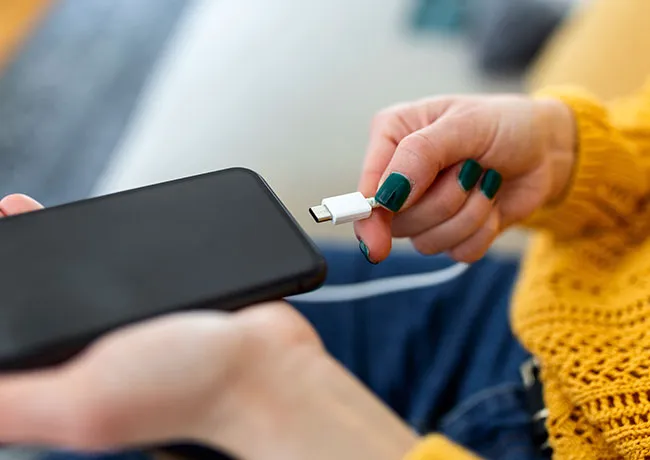
One critical factor in charging safety is the type of charger and cable used. While official accessories typically undergo strict quality control and certification, the market is flooded with low-cost alternatives that may not meet safety standards. According to consumer electronics watchdogs, these counterfeit or poorly manufactured products often lack crucial safety features—such as thermal protection, voltage regulation, and proper insulation. The absence of these features may cause chargers to overheat, deliver erratic current, or fail to shut off in the event of a malfunction.
The dangers are not merely theoretical. Consumer protection agencies worldwide, including those in the United States and the European Union, have issued repeated warnings about fires, shocks, and burns linked to such accessories. Experts from Underwriters Laboratories (UL) and other safety standards groups emphasize that certified chargers should bear marks of certification (like CE, UL, or ETL) and be purchased from reputable sources. Using unproven or imitation products can be a gamble with safety—potentially resulting in overheating, device damage, or even electrical fire.
Cord Condition: Why Damaged Cables Are a Major Hazard
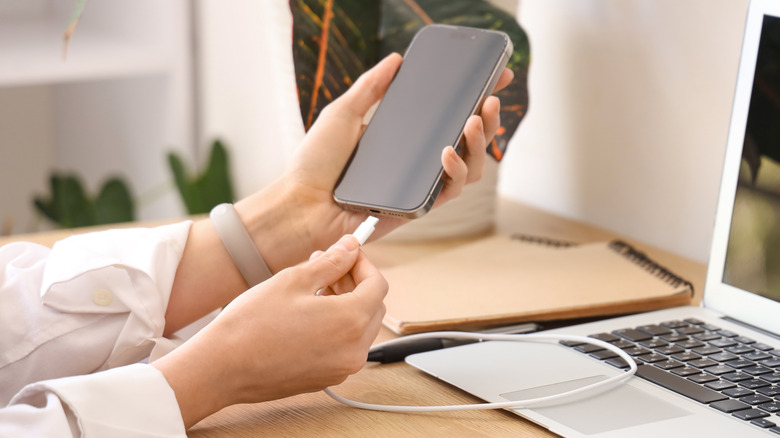
The actual charging cord is just as crucial as the brick or adapter. Frayed wires, exposed copper, bent or misshapen connectors, and cracked insulation are frequent signs of wear. Continuing to use a damaged cable, even temporarily, significantly increases the risk of short circuits, electrical arcing, or melting at the port. In severe cases, these issues can ignite surrounding materials or cause electric shocks. Both the U.S. Consumer Product Safety Commission (CPSC) and fire departments worldwide recommend immediate replacement of any cords showing damage, rather than the common habit of “just using it until it breaks.”
Case Study: The Visual Warning of a Burned Charger
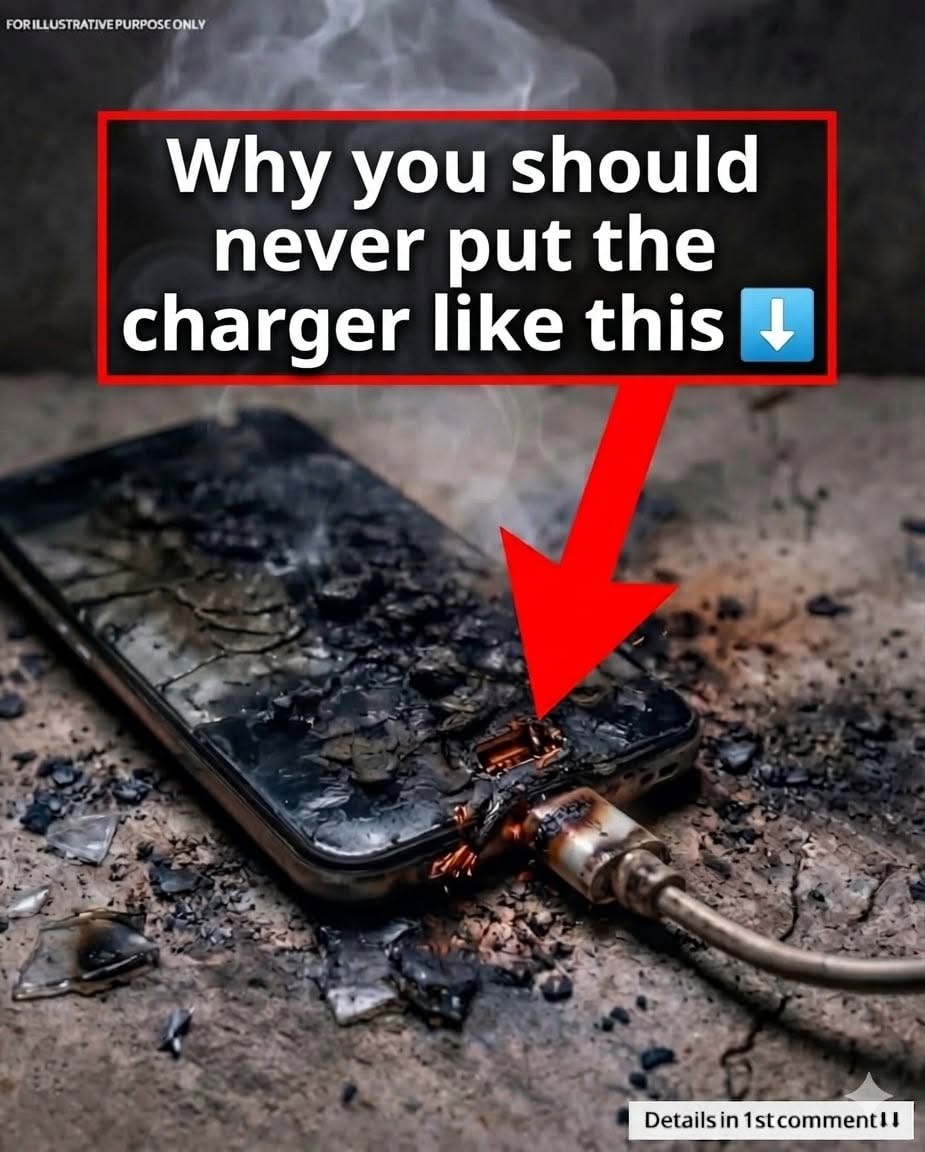
Images of burned chargers and scorched outlets circulate widely on social media, serving as vivid warnings of what can go wrong. Such incidents often start with ignoring early warning signs: a charger becoming uncomfortably hot to the touch, a plastic smell, or visible discoloration around the plug. Fire safety experts describe these visual cues as urgent calls to action—devices exhibiting any such symptoms should be unplugged immediately and checked by a professional. Failing to heed these warnings can result in escalating damage and even fire.
Public awareness campaigns highlight these real-world scenarios to remind users that even a minor oversight, such as leaving a faulty charger in use, can have severe consequences.
Unsafe Environments: Charging Devices the Wrong Way
The risk isn’t limited to the chargers themselves but extends to the way devices are charged. Many people routinely place charging phones or tablets on soft surfaces—blankets, beds, sofas, or under pillows—where airflow is restricted and heat cannot dissipate. This habit, although common, poses a significant hazard to device safety. Lithium-ion batteries are designed to operate within narrow temperature ranges, and trapping heat around them elevates the potential for thermal runaway, battery swelling, or fires.
Another frequent mistake is leaving devices plugged in overnight or unattended for extended periods, particularly when using old or compromised accessories. Continual charging places excess stress on batteries and increases the opportunity for unnoticed malfunctions to escalate. Safety organizations around the globe—including the National Fire Chiefs Council in the UK and the U.S. Fire Administration—recommend charging on hard, flat surfaces with ample ventilation and unplugging devices once fully charged or if they become warmer than usual.
Recognizing Warning Signs: When to Take Action
Learning to recognize when a device or charger is malfunctioning is critical for household safety. Experts advise users to unplug devices immediately if they detect any of the following:
- Excessive or unusual heat build-up in the charger or device
- Swelling, bulging, or warping of the battery or device casing
- Discoloration, burns, or melting near the plug connectors
- Unusual sounds, such as buzzing or hissing from the battery area
- Persistent odors, especially chemical or burnt smells
If these warning signs are present, experts recommend stopping usage and seeking professional assessment. In some cases, faulty batteries or charging equipment may be covered under warranty recalls from major manufacturers, offering a safe and cost-effective solution.
Expert Recommendations for Safe Charging
To help families and individuals stay protected, safety professionals, technology manufacturers, and international standards agencies offer several key recommendations for responsible charging:
- Use only certified charging equipment. Purchase chargers and cables from reputable retailers. Seek certification marks such as CE (Conformité Européenne), UL (Underwriters Laboratories), or ETL (Intertek).
- Replace damaged equipment immediately. Do not attempt to repair frayed cables or broken adapters with tape or makeshift fixes. Permanent replacements are essential.
- Charge on stable, flat surfaces. Avoid beds, couches, pillows, or other soft surfaces that trap heat. Prefer desktop or countertop charging in ventilated areas.
- Unplug chargers when not in use. Prevent overheating and reduce energy waste by disconnecting unused charging devices from electrical outlets.
- Avoid overloading power outlets and extension cords. Use high-quality, fused power strips and be aware of the total wattage for connected devices to prevent excessive current draw.
- Keep chargers away from water and extreme heat sources. Moisture and high temperatures greatly compound electrical risks.
- Regularly inspect chargers and devices for wear. Early detection of defects dramatically reduces the risk of accidents.
- Monitor devices while charging, especially overnight. Supervise charging sessions and unplug devices when charging is complete.
International Standards and Societal Trends
Globally, regulatory agencies and industry groups strive to ensure the safety of consumer electronics. In Europe, the Low Voltage Directive and product safety requirements enforced by the European Commission help reduce the market presence of substandard chargers. In the United States, the CPSC routinely recalls non-compliant adapters and highlights unsafe charging products on its online platforms. Asian markets, given their large manufacturing base, implement additional safety certifications (like the China Compulsory Certificate mark) for electronics entering the retail stream.
Consumer awareness has also grown, especially following highly publicized incidents of battery fires or product recalls from major tech brands. Social media movements and educational campaigns magnify safety messaging, while retailers increasingly vet suppliers and withdraw non-compliant products from shelves. These collective efforts are helping shift consumer behavior toward safer charging routines worldwide.
The Role of Manufacturers and Future Innovations
Device manufacturers play a pivotal role in advancing charging safety. Leading brands such as Apple, Samsung, and others incorporate advanced battery management systems, temperature sensors, and overcharge protection in their products. Wireless charging standards, such as Qi, specify built-in safety measures to prevent overheating and overcharging.
Current research in battery technology focuses on developing safer chemistries—such as solid-state batteries and enhanced electrolyte formulations—that lower thermal runaway risk. Meanwhile, regulatory agencies encourage ongoing upgrades to safety standards as new technologies emerge, ensuring that consumer protection evolves in tandem with innovation.
Conclusion: Prioritizing Safety in a Connected Age
While it is easy to overlook the humble charger, the potential dangers of poor charging practices are real and well documented. Fires, shocks, and damaged devices are avoidable with the right knowledge and basic precautions. Using certified chargers and cables, promptly replacing damaged equipment, ensuring proper charging environments, and paying attention to warning signs can dramatically reduce the risk of accidents. As personal technology continues to proliferate, individual responsibility supported by public education, robust regulation, and manufacturing innovation remains key to safe and reliable charging for all.
Sources
- National Fire Protection Association
- U.S. Consumer Product Safety Commission
- Underwriters Laboratories
- BBC News (Technology)
- The Guardian (Technology: Charging Safety)
Disclaimer: This content is intended for entertainment purposes only and is not based on real events.
