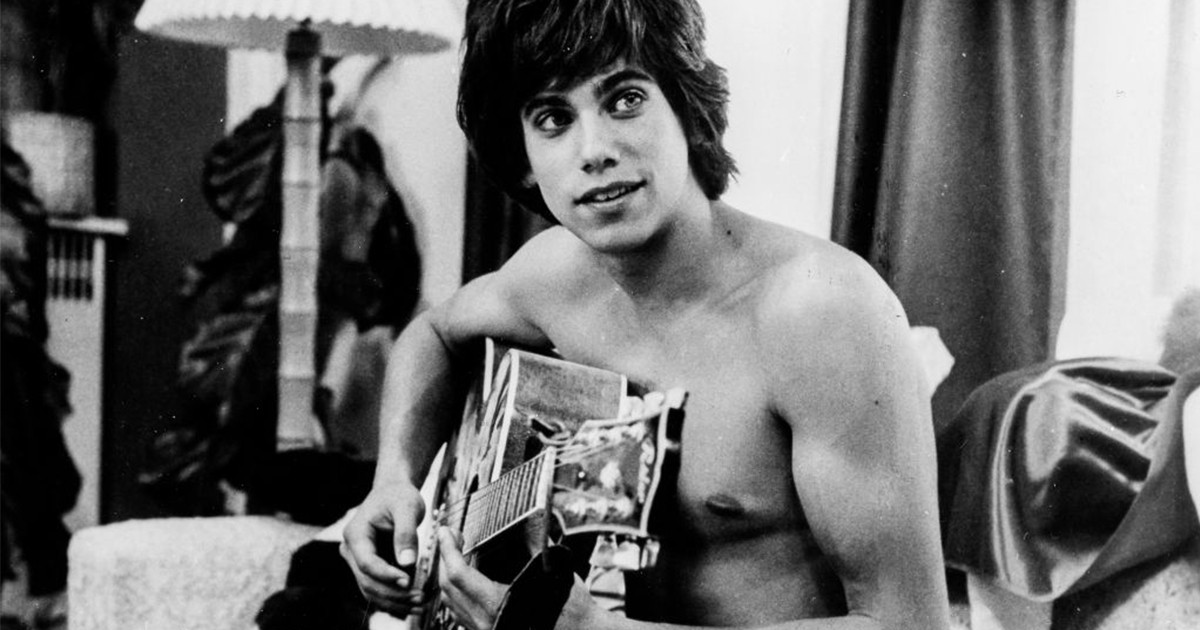

Robby Benson: The Untold Story of a 1970s Heartthrob, His Secret Struggle, and Lasting Legacy

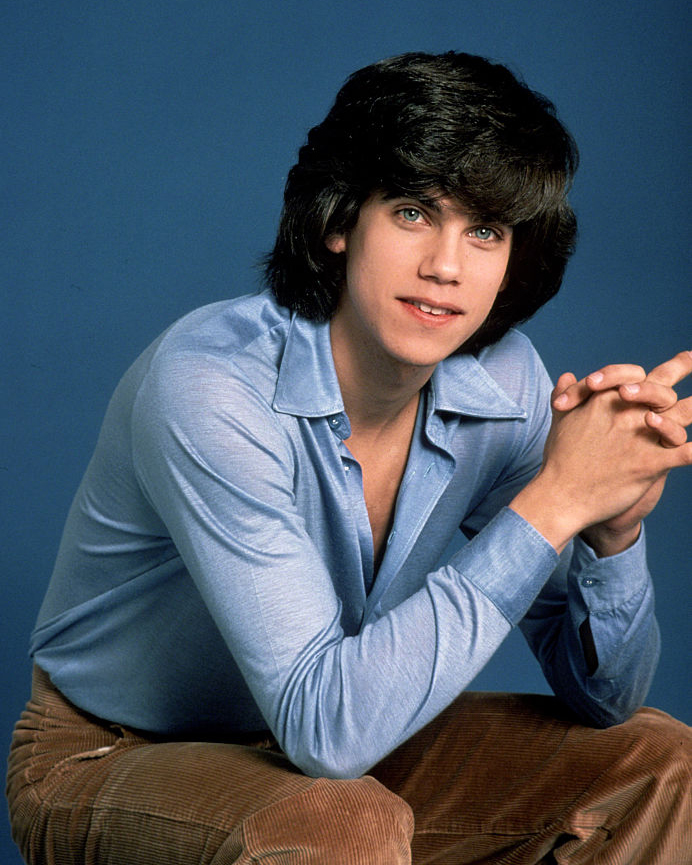
For many who grew up in the 1970s, Robby Benson was the quintessential movie heartthrob—the dreamy blue-eyed star with dark hair who graced the screens in hit films such as Ice Castles and Ode to Billy Joe. But behind the fanfare and recognition, Robby Benson was carrying a secret, one he believed could jeopardize his burgeoning career if revealed.
The Early Life of Robby Benson
Born in Dallas, Texas, in 1956, Robby Benson—who turns 67 this year—was immersed in the world of creativity and storytelling from a young age. His father, initially in the cotton business, balanced his career with work as a comedy writer, prompting a family move to New York City when Robby was just five. New York’s bustling entertainment industry provided fertile ground for Robby’s early forays into show business.
From the age of six, Robby began appearing in commercials, soap operas, and made his Broadway debut, supported by his family. By ten, he was committed to acting as a vocation, and adopted “Benson,” his mother’s maiden name, as his stage surname.
The vibrant theater scene of 1960s New York left a deep impression on him, especially after witnessing a production of Oliver!. This pivotal experience inspired him to hire an agent, leading to a lead role in a touring production of the same musical in Japan—an early indication that Robby Benson’s career was set to ascend.
Rise to Fame: Captivating a Generation
Robby Benson’s film debut came in 1967, quickly followed by a key role on the long-running CBS soap opera Search for Tomorrow. His transition from television to film in the 1970s happened at the perfect time; audiences were drawn to his striking looks and natural charisma.
Benson became a staple of teen-focused cinema, starring in beloved films like Ice Castles, The Chosen, and Ode to Billy Joe. Despite mixed reviews from some critics—one famously described him as “cute as Bambi and twice as smarmy”—he undeniably won the affection of an entire generation.
Reflecting on his teen idol years, Robby later explained, “It was a wonderful time. I had a blast, I really didn’t know what I was doing, and I loved it. Show business has changed a lot, especially for young actors… But back then, I would have paid THEM to be in the movies.” (The Item, 1993).
Shifting Focus: Voice Acting and Iconic Roles
By the late 1980s and into the 1990s, Robby Benson’s on-screen appearances became less frequent. However, he was far from retiring; instead, he expanded into voice acting—a skill he’d quietly honed since his teenage years.
It was in 1991 that he landed what would become his most culturally significant role: voicing the Beast in Disney’s animated classic Beauty and the Beast. Audiences were surprised to learn that Benson, known for his gentle demeanor, could channel such powerful and multifaceted emotion into the character of the Beast.
“They gave me an incredible amount of freedom. I didn’t want Beast to be a cartoon character. I played it as though I were doing a Broadway show. As if this was a living person,” he explained in an interview with MovieWeb.
Beauty and the Beast became a landmark film for Disney, and Benson’s voice performance helped define one of the most recognizable Disney characters of all time. The film’s enduring popularity ensured that Robby remained the go-to voice whenever the Beast appeared in video games or related projects.
“I’m always honored. They always come to me. They are very loyal. But I am sure, one day, they will find a sound alike. And pay them cheaper, and kick me out of the loop (laughs). Until that happens, I want to be the guy,” Robby said, reflecting on his unique position within the Disney family.
Challenging Perceptions: Artistry Beyond Appearance
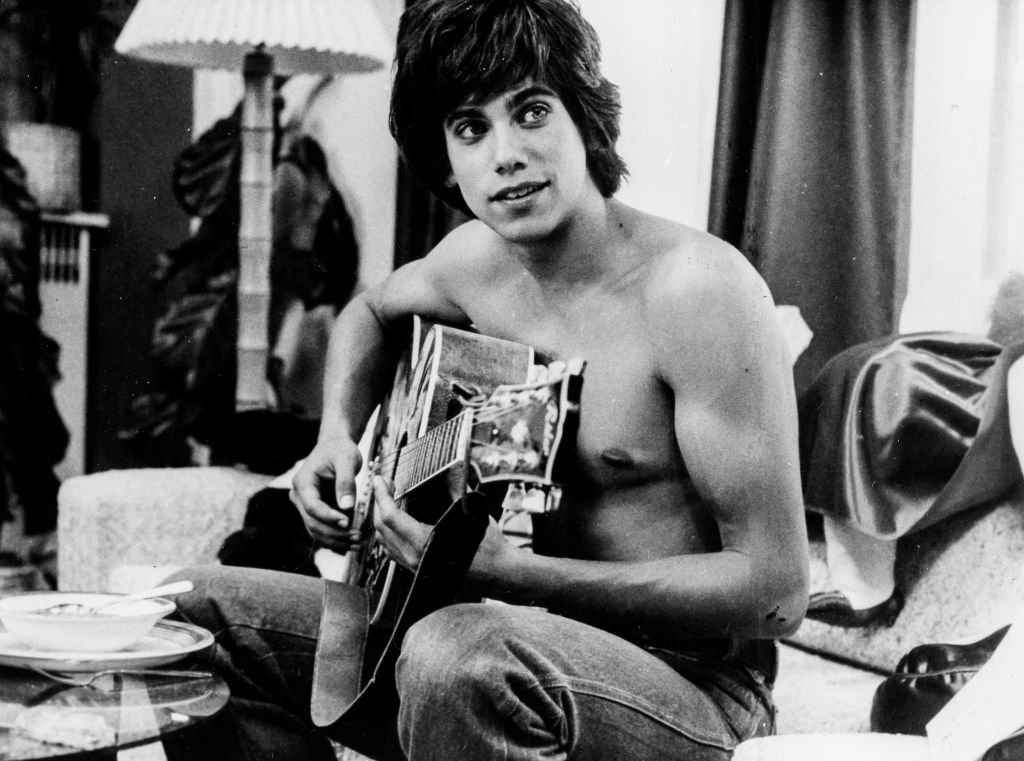
Despite the commercial and cultural success of voicing the Beast, Robby Benson’s relationship with fame was complex. Typecast by his looks early in his career, Benson sought recognition for his artistic talent rather than his appearance alone. Disney initially delayed publicizing his involvement with Beauty and the Beast, unsure if audiences would embrace their choice due to preconceived images of Benson as a 1970s “pretty boy.”
Production team members revealed that they auditioned several prominent names—including Tim Curry, Gary Busey, and even considered David Bowie—for the role. It was Benson, however, who brought both sensitivity and humor necessary to bring the Beast to life, cementing his place in animation history.
Battling in Silence: Robby Benson’s Hidden Health Struggles
While Robby Benson enjoyed public adoration, he was privately contending with a significant health challenge. Diagnosed with a heart murmur as a child, Benson’s symptoms remained manageable until his late twenties, when he began experiencing dizziness and even bouts of unconsciousness.
Fears about the impact of a public health disclosure on his acting opportunities caused Robby to hide his illness. He confessed to colleagues only minor symptoms like indigestion and fatigue. The gravity of his condition became clear during filming for The Chosen, prompting him to confide in his co-star, Rod Steiger. Steiger warned him, “If anything were to happen to my heart, to never let anyone know… It’s career suicide.” (USA Today).
Despite this caution, an incident while filming Die Laughing forced Benson to seek urgent medical attention. It was discovered that he had a congenital heart valve defect, leading to his first open-heart surgery in 1984. Surgeons replaced his damaged valve with a bovine (cow) valve—a delicate, life-saving operation that was successful, but marked only the beginning of Benson’s ongoing health journey.
Ongoing Medical Challenges and Resilience
Robby was discharged after a long hospital stay, but the battle continued. His new heart valve required eventual replacement; by 2000, he faced a second open-heart surgery, only to encounter further complications later.
Over the years, Benson has endured four open-heart surgeries, all of which carried significant risks and impacted his personal and professional life. This recurring medical struggle was both physically and emotionally taxing, especially as he initially kept his condition under wraps out of concern for his career.
Integral to his journey through adversity has been his wife of more than 40 years, Karla DeVito—a rock singer he met during the production of The Pirates of Penzance in the early 1980s. Together, they have built a strong family, raising their daughter Lyric and son Zephyr. “She helped me find doctors, she made sure I was getting the best treatment, the right medicine. I’m alive because of her,” Robby emphasized in several interviews (USA Today).
Broadening Horizons: Teaching and Legacy Work
Robby Benson’s influence extends beyond film and television. After spending years in Los Angeles, he transitioned to academia; he served as a lecturer and later a professor of film production at several universities, including the University of South Carolina and UCLA, before retiring from teaching in 2016.
Even after overcoming significant medical adversity, Benson returned to acting in the late 2010s, taking roles in independent features as well as the Hallmark Channel film A Feeling of Home, where he finds connection with audiences through the relatable role of a devoted father.
“The most important thing to me on the planet is my love for my wife and my family,” Benson explained, sharing insights gained from his own life journey. Now a proud grandparent, Robby continues to value and nurture the relationships that have defined his life more than any fleeting Hollywood fame.
Cultural Impact and Ongoing Inspiration
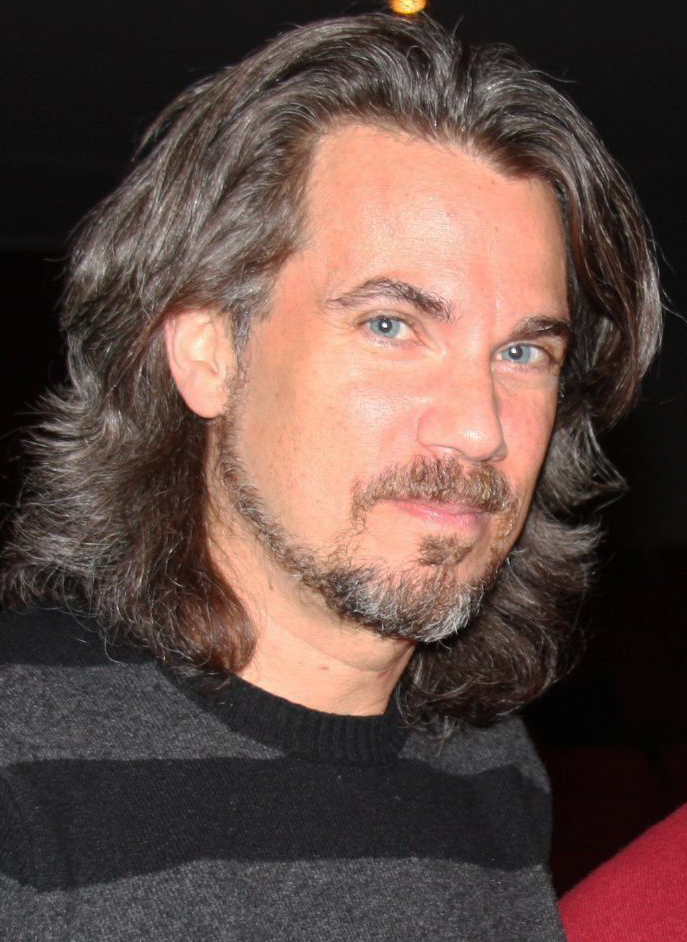
Few actors have remained as enduring or as admired as Robby Benson. Through an openness about his health challenges in later life, he has become an advocate for heart disease awareness, inspiring countless fans who have faced similar struggles. His legacy is characterized not only by moments of stardom, but by resilience, family values, and artistic integrity.
Though the face of the teen idol has matured, Benson continues to attract praise for his graciousness, humility, and enduring talent. Today, admirers often remark that he has “aged like fine wine”—a testament to a life built on much more than initial celebrity status.
Conclusion: The Lasting Legacy of Robby Benson
Robby Benson’s story is one of remarkable talent, resilience in the face of health adversities, and a commitment to authenticity—on screen, as a voice artist, and in his personal life. His journey reminds us of the importance of supporting each other through visible and invisible challenges, and the unique ways in which public figures can use their platforms to inspire hope and perseverance.
Disclaimer: This content is intended for entertainment purposes only and is not based on real events.
