
Understanding a Practice That Many Families Choose
For generations, traditional burial was the most common funeral choice in many parts of the world. Today, however, cremation has become increasingly popular as families seek options that reflect personal preferences, cultural traditions, environmental considerations, or practical needs.
Although cremation is widely practiced, many people know very little about how the process works. That lack of familiarity often leads to understandable questions about identification procedures, safety measures, and how cremated remains are handled.
Funeral professionals say that learning about the process can help families make informed decisions and provide reassurance during a difficult time.
Why More Families Are Choosing Cremation
Cremation rates have increased steadily in many countries over the past several decades.
Families may choose cremation for a variety of reasons, including:
- Personal or religious preferences.
- Lower overall funeral costs in some cases.
- Flexibility in planning memorial services.
- Environmental considerations.
- Family traditions that have evolved over time.
There is no single reason why people select cremation, and funeral professionals encourage families to choose the option that best aligns with their values and wishes.

Identification Procedures Throughout the Process
One of the most common questions people ask is how crematories ensure that cremated remains are correctly identified.
Former funeral home employee Lauren, who shares educational videos online, has explained that licensed crematories generally use strict identification procedures throughout the process.
While exact procedures vary by jurisdiction and facility, many crematories use systems that include:
- Assigning a unique identification number.
- Attaching a durable identification tag that remains with the individual throughout the cremation process.
- Recording identifying information in facility records.
- Labeling the container holding the cremated remains before they are returned to the family.
These procedures are designed to maintain accurate identification from beginning to end.
Preparing for Cremation
Before cremation begins, trained staff members perform several important safety checks.
According to funeral professionals, this preparation may include reviewing documentation and ensuring that certain medical devices are removed when necessary.
One commonly discussed example is a pacemaker. Because pacemakers contain batteries and sealed components, they are typically removed before cremation in accordance with safety protocols and applicable regulations.
Other implanted medical devices may also require evaluation depending on their design and local requirements.
Funeral homes follow established procedures to help ensure that the cremation process is conducted safely and respectfully.
The Cremation Process
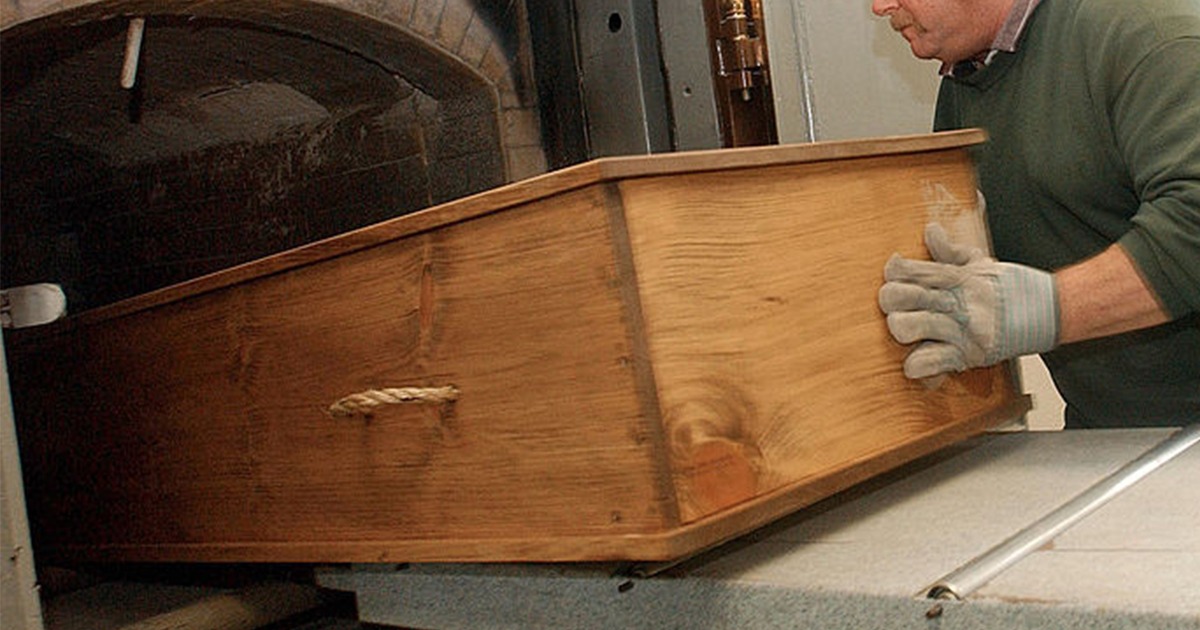
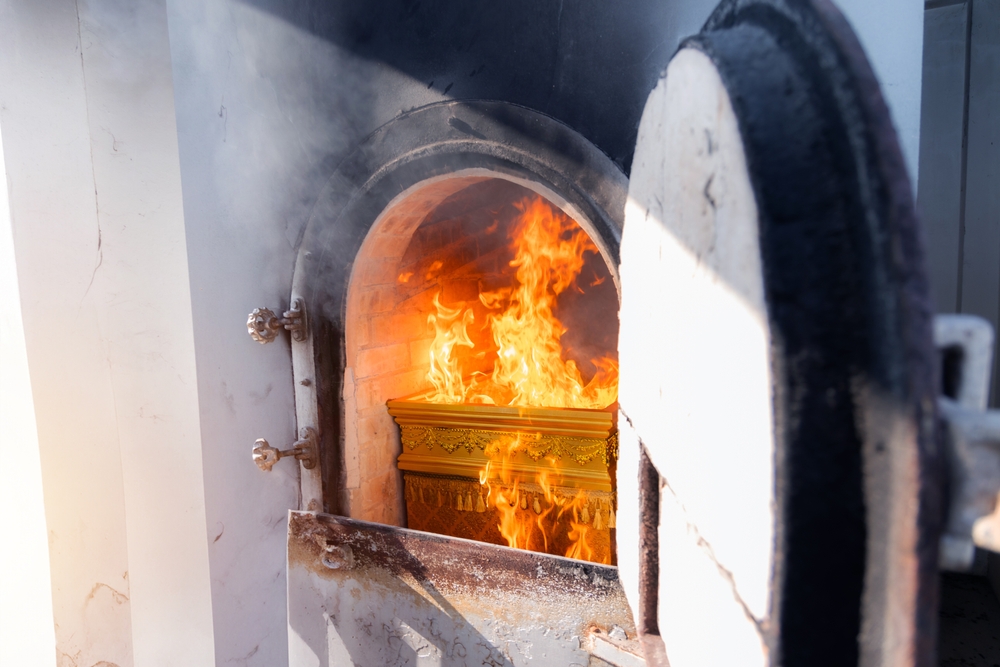
During cremation, the body is placed in a specially designed cremation chamber.
The chamber operates at very high temperatures, generally ranging from approximately 800°C to 1,000°C (1,470°F to 1,830°F), although operating temperatures may vary depending on equipment and local practices.
The process typically takes between one and three hours, depending on several factors, including the equipment used and individual circumstances.
Throughout the process, trained operators monitor the equipment to ensure it functions safely and according to established standards.
Questions Families Often Ask
Because cremation is unfamiliar to many people, funeral directors frequently receive questions about what happens during the process.
These questions may involve:
- Identification procedures.
- Personal belongings.
- Medical devices.
- Timing.
- The return of cremated remains.
- Available memorial options afterward.
Funeral professionals encourage families to ask any questions they may have, emphasizing that clear communication can help reduce uncertainty during an emotionally difficult time.
Respect and Professional Standards
Licensed funeral homes and crematories operate under regulations established by local or national authorities.
These standards are intended to ensure that cremations are carried out with professionalism, dignity, and respect.
Facilities generally maintain detailed records, follow identification protocols, and comply with health, safety, and legal requirements governing funeral services.
Families may also request information about the procedures used by a specific funeral home before making arrangements.
Cultural and Religious Perspectives
Attitudes toward cremation vary across cultures and faith traditions.
Some religions have long accepted cremation as a customary practice, while others continue to prefer traditional burial.
Many families make decisions based on a combination of personal beliefs, cultural customs, financial considerations, and the wishes expressed by their loved ones.
Funeral professionals often work closely with families to accommodate these preferences whenever possible.

Speaking With a Funeral Professional
When planning funeral arrangements, experts recommend discussing any concerns directly with a licensed funeral director.
They can explain:
- Local regulations.
- Available services.
- Identification procedures.
- Memorial options.
- Required documentation.
Having accurate information can help families make choices that feel appropriate and meaningful for their circumstances.
Conclusion
Although cremation remains unfamiliar to some people, understanding how the process works can ease many common concerns. Licensed funeral professionals follow established procedures designed to ensure safety, accurate identification, and respectful care throughout every stage.
For families facing funeral decisions, asking questions and learning about available options can provide reassurance during an emotional time. Ultimately, informed conversations with trusted professionals help ensure that each person’s final arrangements reflect their wishes and are carried out with dignity and care.
Sources
- National Funeral Directors Association (NFDA)
- Cremation Association of North America (CANA)
- Lauren (public educational content)
- Louise Singer (public educational commentary)
- UK Government – Guidance on Cremation Regulations
