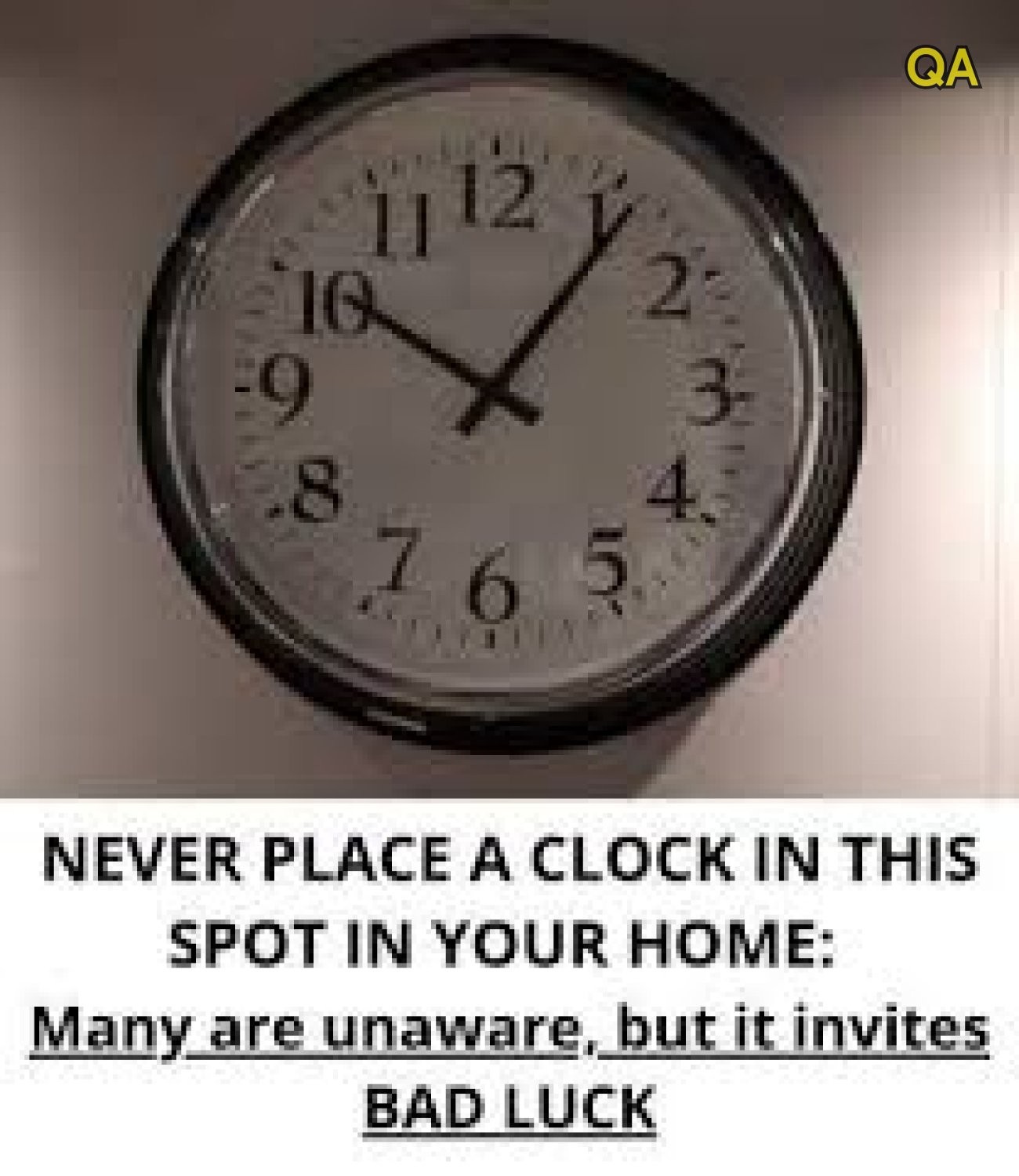

A clock is one of the most useful everyday objects in a home. It helps people organize work, meals, school routines, appointments, and sleep schedules. Yet clocks can also influence how a room feels. A large wall clock can become a focal point, a loud ticking clock can draw attention in a quiet room, and a broken clock can make a space appear neglected.
Many people also consider clock placement through the principles of Feng Shui, a traditional Chinese practice concerned with arranging environments in ways that promote harmony and balance. In Feng Shui, clocks are often associated with movement, the passing of time, and the flow of energy, sometimes called qi. These ideas are cultural and philosophical rather than scientifically proven rules. However, several practical recommendations commonly linked with Feng Shui—such as reducing noise in bedrooms, keeping household items in working order, and avoiding visual clutter—can also support a calmer and more functional home.
This guide explains where clocks may work best, where they can be less suitable, and how to choose a design that supports comfort, usability, and your personal style.
Why Clock Placement Can Affect the Feel of a Home
Clock placement matters for practical reasons before anything else. A clock should be easy to see when it is needed, positioned safely, and sized appropriately for the room. In a kitchen, for example, a visible clock can help with cooking and school-morning routines. In a home office, it can help someone stay aware of meetings and breaks. In a bedroom, however, constantly checking the time may be less helpful, particularly for people who struggle with sleep.
Interior design also plays a role. Wall décor directs attention. A clock placed at eye level on an empty wall can add structure and visual interest. Conversely, several mismatched clocks in one room may create visual busyness or make a small area feel crowded. The sound of a clock matters as well. Mechanical ticking can be pleasant in a busy living area, but in a quiet setting it may become distracting.
From a Feng Shui perspective, clocks represent ongoing change because their hands are always moving. Practitioners generally encourage placing them in active, social, and productive areas rather than spaces intended primarily for rest. This is a matter of tradition and personal preference, not a medical or scientific requirement. The most useful approach is to consider both the symbolic meaning a clock has for you and the real-world needs of your household.
Best Places to Put a Clock at Home
Living Room: A Practical Place for a Main Household Clock
The living room is often one of the best locations for a prominent clock. It is typically a shared space where people talk, relax, host visitors, watch television, or prepare to leave the house. A clock in this setting is convenient without necessarily feeling intrusive.
Choose a wall that is visible from the main seating area but does not dominate every sightline. Above a console table, beside a gallery wall, or on an open wall near the dining area can work well. The scale should match the room: a large clock may suit a spacious living room with high ceilings, while a smaller model is often more balanced in an apartment or compact lounge.
Feng Shui-inspired advice often favors placing clocks in communal areas because movement and activity already belong there. Whether or not you follow Feng Shui, this recommendation makes sense from a design perspective. The living room is a place where time awareness can be useful, and a well-chosen clock can function as decorative art.
Kitchen and Dining Area: Useful for Daily Routines
A kitchen clock can be especially helpful for cooking, timing food, managing weekday mornings, and coordinating family schedules. It may be placed where it can be seen from a preparation area without being too close to steam, grease, or direct heat. Avoid installing an ordinary battery-powered clock immediately above a stove or in another spot where moisture and heat may shorten its lifespan.
In an open-plan home, a single clock that can be seen from both the kitchen and dining space may be enough. This reduces duplicate décor and maintains a more orderly appearance. Materials that are easy to clean, such as sealed wood, metal, or smooth plastic, can be practical choices in food-preparation areas.
Home Office or Workspace: Supportive for Time Management
A clock in a home office is a straightforward productivity tool. It can help people pace tasks, start meetings on time, schedule breaks, and create a clearer boundary between work and personal time. For remote workers, a clock may be particularly useful if it is positioned behind or beside a computer screen rather than directly in the center of the desk.
Some people find a visible countdown or constantly moving second hand stressful. If that applies to you, choose a simple analog wall clock, a silent model, or a small digital clock with a dimmable display. The best placement is one that allows quick reference without pulling attention away from work.
Feng Shui traditions often associate offices with purposeful activity, making them a natural location for clocks. The practical goal is similar: use the clock as a helpful organizing tool, not as a source of pressure.
Children’s Room: A Tool for Learning Routines
A clock can help children learn about time, daily schedules, and independence. An easy-to-read analog clock may be useful for school-age children who are learning to recognize hours and minutes. A colorful clock can also complement the room’s décor, provided the design remains clear enough to read.
For younger children, visual routine charts may be more meaningful than a clock alone. A clock can still be included as part of a bedtime or morning routine, such as explaining that pajamas are put on at a certain time or that quiet reading begins before lights out. Keep safety in mind: secure a wall clock properly and keep cords, batteries, and small detachable parts out of reach of babies and toddlers.
Nursery or Baby’s Room: Choose Quiet and Safe Options
A clock in a nursery can be useful for caregivers tracking feeds, naps, and bedtime routines. However, it should be silent or nearly silent. Infants and caregivers benefit from a restful environment, and there is little reason to add a noticeable ticking sound near a sleep space.
Use a securely mounted clock outside a crib area, or keep a clock on a high, stable shelf well away from the child. Avoid relying on a bright display at night, as strong light can be disruptive in a room intended for sleep. A low-light clock or a device used briefly when needed may be a better choice.
Places Where a Clock May Be Less Suitable
Bedroom: Consider Reducing Visible Time Cues
A bedroom is not automatically a wrong place for a clock, but it is worth choosing carefully. Many people check the time repeatedly when they cannot sleep. This can create worry about how little sleep remains before morning, which may make it harder to relax. Sleep specialists commonly advise creating a quiet, dark, comfortable sleep environment and limiting distractions where possible.
If you need an alarm, consider placing it across the room, turning the clock face away from the bed, or using a display that can dim. A silent analog clock or a device with a gentle alarm may be preferable to a loud ticking model. For people who sleep well and enjoy a bedside clock, there is no universal need to remove it. The key is whether it supports or disrupts rest.
Directly Facing the Front Door: A Feng Shui Consideration
In Feng Shui, the entrance is often described as an important point through which energy enters a home. Some practitioners advise against hanging a clock directly opposite the front door because it can make the first visual impression feel overly focused on time, urgency, or movement.
There is no scientific evidence that this placement affects health, luck, or household outcomes. Still, homeowners who value Feng Shui may prefer to place the clock on a side wall, in an adjacent living area, or farther into the home. From a design standpoint, this can also create a softer, more welcoming entryway. An entrance is often more inviting when it includes practical features such as lighting, a mirror placed safely, storage, artwork, or a small table for keys.
Above the Bed or in an Unstable Position
Regardless of design beliefs, avoid placing a heavy clock directly above a bed, crib, sofa, or chair where it could cause injury if it falls. Wall-mounted items should be secured using hardware appropriate for the wall type and the clock’s weight. This is particularly important in homes with children, pets, frequent door movement, or walls that are prone to vibration.
A clock that feels visually heavy above a bed may also make a bedroom feel less restful. If you want a clock nearby, a side wall or a dresser placement may be more comfortable and safer.
Near Screens or Other Distracting Displays
Clocks with bright LEDs, animated displays, loud chimes, or frequent alerts may be distracting in quiet rooms. In bedrooms, these features can add unnecessary light and stimulation. In a home office, they can compete with computer notifications. In a living room, a clock that chimes loudly every hour may interrupt conversations, television viewing, or relaxation.
Consider the sensory environment of the room. A silent sweep movement, low-glare face, and simple design are often versatile choices. If you enjoy chimes, reserve them for a larger common area where the sound is unlikely to disturb sleep or focused work.
Spaces With Too Many Clocks
One clock per functional area is usually sufficient. Multiple clocks can be useful in a large home, but several timepieces on the same wall may create visual clutter unless they are deliberately arranged as a design collection. Feng Shui guidance often discourages an excessive number of clocks because they may symbolize rushed energy. Practical interior design reaches a similar conclusion: too many competing focal points can make a room feel less cohesive.
What to Do With Broken or Stopped Clocks
A broken clock does not have a proven effect on a home’s energy, finances, relationships, or health. Nevertheless, it is sensible to repair, recycle, store, or remove it if it no longer serves a purpose. Non-functioning household items can contribute to clutter, and visible disrepair may make a room feel unfinished.
If a clock has sentimental or antique value, repair may be worthwhile. For battery-powered clocks, replacing the battery and checking the mechanism may solve the problem. For older mechanical clocks, a qualified repair professional can assess whether restoration is practical. If you decide to dispose of an electronic clock, check local rules for battery and electronics recycling rather than placing hazardous components in regular waste.
Feng Shui and Clock Materials: Wood, Metal, and Personal Preference
Some Feng Shui systems connect directions, colors, and materials with the five elements: wood, fire, earth, metal, and water. In this framework, the east is frequently associated with wood, so some practitioners prefer wooden clocks in eastern areas rather than strongly metal designs. These associations vary among teachers and traditions, and they should be understood as cultural design preferences rather than verified environmental science.
If you enjoy using these principles, a wooden clock may feel warm and natural in an east-facing room. If you prefer a modern metal clock there, there is no evidence that it will cause harm. A balanced home is ultimately one that works for the people living in it. Consider the room’s colors, existing furniture, lighting, and the emotional response the object creates.
How to Choose the Right Clock for Each Room
- Prioritize readability: Select clear numbers, hands, and contrast, especially in kitchens, offices, and children’s rooms.
- Choose a quiet movement: Silent or non-ticking clocks are often best for bedrooms, nurseries, study areas, and other calm spaces.
- Match the size to the wall: A clock should fill space purposefully without overwhelming artwork, furniture, or architectural features.
- Think about lighting: Avoid placing reflective clock faces where sunlight or lamps create glare.
- Use secure mounting: Follow the manufacturer’s instructions and use appropriate wall anchors where needed.
- Keep it maintained: Replace batteries promptly, set the correct time after daylight-saving changes, and clean the clock face periodically.
- Respect your own habits: If seeing the time makes you anxious, select a less prominent placement or limit clocks in rest areas.
The Bottom Line on Clock Placement at Home
Clocks are practical household tools, but they also contribute to a room’s mood, soundscape, and visual balance. Living rooms, kitchens, dining areas, and home offices are often the most useful locations because they are active spaces where time awareness is helpful. Children’s rooms and nurseries can also accommodate clocks when the design is quiet, safe, and appropriate for the child’s age.
Bedrooms deserve more careful consideration. A bright, ticking, or highly visible clock can be unhelpful for some sleepers, while a subtle and quiet alarm clock may work well for others. Broken clocks, overly loud chimes, and cluttered arrangements are generally worth avoiding for practical reasons, regardless of Feng Shui beliefs.
Feng Shui can offer a thoughtful framework for people who want to make their homes feel more intentional. Its clock-placement traditions are not scientific rules, but they can encourage useful questions: Does this room feel calm or rushed? Is this object helpful? Does it fit the purpose of the space? By combining personal taste, safety, function, and a comfortable environment, you can place clocks in ways that make your home feel organized and welcoming.
Sources
Disclaimer: This content is intended for entertainment purposes only and is not based on real events.