
Shingles: Symptoms, Treatment, Prevention, and When to Seek Medical Care
Chickenpox may feel like a distant childhood memory, but the virus that causes it can remain in the body for many years. Varicella-zoster virus, the virus responsible for chickenpox, can later reactivate and cause shingles, also known as herpes zoster. Shingles is a common viral condition that can cause a painful rash and, in some people, longer-lasting nerve pain or other complications.
Although shingles is more common in older adults, it can affect adults of many ages, particularly people whose immune systems are weakened by certain medical conditions or treatments. Understanding the early symptoms, knowing when to contact a healthcare professional, and staying informed about vaccination can help people reduce their risk of complications.
What Causes Shingles?
Shingles is caused by reactivation of varicella-zoster virus. After a person recovers from chickenpox, the virus does not completely leave the body. Instead, it remains inactive in nerve cells near the spinal cord and brain. In most people, it stays dormant and never causes further illness. In others, however, the virus can reactivate later in life.
When reactivation occurs, the virus travels along a nerve pathway to the skin. This produces the characteristic shingles rash, usually in the area supplied by that nerve. The condition is not caused by a new exposure to chickenpox, and it is not the same as herpes simplex, the virus commonly associated with cold sores or genital herpes.
Health authorities estimate that about one in three people in the United States will develop shingles during their lifetime. The risk rises with age, especially after age 50, because immune responses can become less effective over time. However, age is not the only factor. People with weakened immune systems may have a higher likelihood of shingles at younger ages.
Early Shingles Symptoms Can Appear Before the Rash
One reason shingles can be difficult to identify at first is that discomfort may begin before visible skin changes appear. Some people notice pain, tingling, itching, burning, numbness, or unusual sensitivity in one localized area of the body. These sensations may develop several days before the rash.
Early discomfort can sometimes be mistaken for a muscle strain, skin irritation, headache, dental pain, or another health concern, depending on where it occurs. A person may also experience general symptoms such as fatigue, headache, fever, or feeling unwell, although these symptoms are not present in every case.
The pain associated with shingles varies considerably. For some people it is mild, while for others it can be significant and interfere with sleep, work, mobility, and daily activities. Pain that appears on one side of the body, especially when accompanied by skin sensitivity, is worth discussing with a clinician promptly.
What Does a Shingles Rash Look Like?
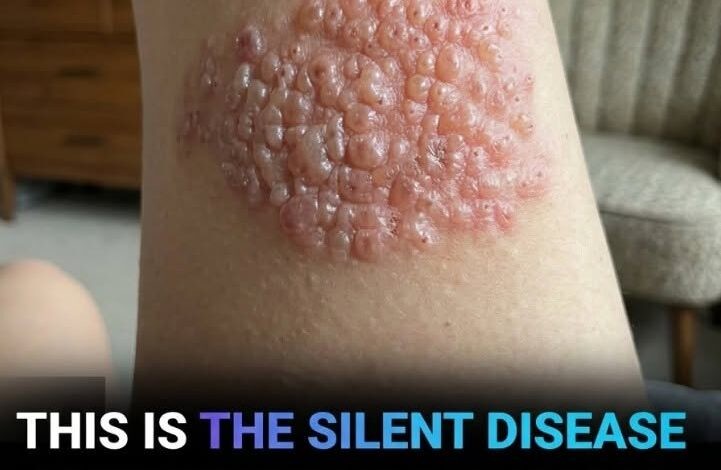
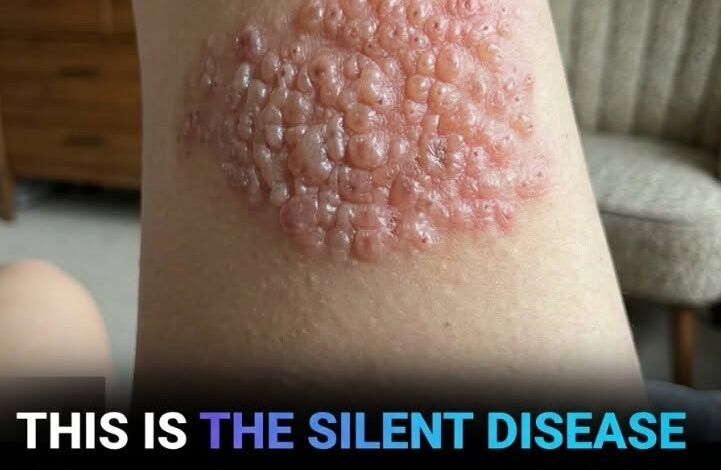
The shingles rash commonly develops as a band or cluster of small fluid-filled blisters. It usually appears on one side of the body and generally does not cross the midline. The torso is a frequent location, but shingles may also affect the face, neck, scalp, abdomen, back, or other areas.
The rash often follows the path of a single nerve, creating a stripe-like pattern known as a dermatome. New blisters may continue to appear for several days. Over time, they dry and form scabs. Many cases clear within two to four weeks, but the timeline can vary.
Shingles can occur without a typical rash in rare situations, making diagnosis more challenging. Because several conditions can cause rashes or nerve-like pain, a healthcare professional should assess symptoms rather than relying on self-diagnosis.
Why Prompt Medical Advice Matters
Anyone who suspects shingles should contact a healthcare professional as soon as possible, particularly if the rash or pain involves the face or eye. Antiviral medicines such as acyclovir, valacyclovir, and famciclovir may be prescribed to help reduce viral replication, shorten the course of illness, and lower the likelihood of certain complications.
Antiviral treatment is generally most effective when started early, often within 72 hours after the rash appears. However, clinicians may recommend treatment outside that time frame in some circumstances, including when new blisters are still forming, symptoms are severe, the person is immunocompromised, or the face or eyes are involved. Treatment decisions should be individualized by a qualified medical professional.
Healthcare providers may also recommend pain-relief strategies based on a person’s symptoms, medical history, and other medications. These can include nonprescription pain relievers for some people, prescription medicines when appropriate, and practical measures such as cool compresses, loose clothing, and keeping the rash clean and dry. It is important not to apply unverified products that could irritate damaged skin.
Postherpetic Neuralgia: Persistent Pain After Shingles
The most common complication of shingles is postherpetic neuralgia, often abbreviated as PHN. This condition occurs when nerve pain continues after the shingles rash has healed. The pain may be described as burning, stabbing, aching, or extreme sensitivity to touch. Even the pressure of clothing can be uncomfortable for some people.
Postherpetic neuralgia is more likely in older adults and in people who had severe pain or a severe rash during the acute stage of shingles. It may last for weeks, months, or, less commonly, longer. A clinician can help evaluate persistent pain and discuss treatment options, which may include specific medicines for nerve pain, topical therapies, or other approaches.
Not everyone with shingles develops PHN. Early clinical assessment and appropriate treatment may help reduce the burden of illness, but no intervention can guarantee that complications will not occur. This is one reason prevention through vaccination is an important part of public health guidance.
Shingles Near the Eye or Face Requires Urgent Assessment
Shingles affecting the eye area can be serious. If a rash, pain, redness, swelling, or blisters occur around the eye, forehead, nose, or eyelid, urgent medical assessment is recommended. Eye involvement, sometimes called herpes zoster ophthalmicus, can lead to complications that require prompt treatment by an eye specialist.
Other symptoms that warrant urgent care include vision changes, severe headache, confusion, weakness, difficulty moving part of the face, a widespread rash, or symptoms in a person with a significantly weakened immune system. Babies, pregnant people, and individuals receiving immune-suppressing treatment should seek professional advice promptly after a possible exposure or suspected shingles symptoms.
Who Is at Higher Risk of Shingles?
Shingles can affect anyone who has previously had chickenpox. This includes people who had chickenpox during childhood and, in some cases, people who were exposed to varicella-zoster virus without remembering a clear illness.
Risk increases with age, particularly from age 50 onward. People with immune systems weakened by conditions such as cancer, HIV, or certain autoimmune diseases may also be at increased risk. Treatments that suppress immune function, including some chemotherapy medicines, long-term corticosteroids, and medications used after organ transplantation, can raise susceptibility as well.
Stress, poor sleep, and chronic illness are often discussed in relation to shingles. While general health and immune function matter, it is important not to assume that stress alone directly causes shingles in an individual person. The reasons for viral reactivation are complex, and many people who develop shingles have no obvious trigger. People should avoid blaming themselves for becoming ill and should focus instead on timely care and prevention.
Can Shingles Spread to Other People?
A person with shingles cannot give another person shingles. However, varicella-zoster virus can spread from the fluid in shingles blisters to someone who has never had chickenpox or has not received chickenpox vaccination. That person could then develop chickenpox, not shingles.
The risk of transmission is lower than with chickenpox and is mainly present while the blistering rash is active. Covering the rash, avoiding touching or scratching it, washing hands regularly, and avoiding close contact with people at higher risk can help reduce spread. People with shingles should avoid direct contact with pregnant people who lack immunity to chickenpox, newborns, and people with weakened immune systems until the rash has crusted over.
Shingles Vaccination and Prevention
Vaccination is the most effective way to lower the risk of shingles and related complications. In the United States, the Centers for Disease Control and Prevention recommends the recombinant zoster vaccine, known as Shingrix, for adults aged 50 and older. It is also recommended for adults aged 19 and older who are or will be immunodeficient or immunosuppressed because of a disease or treatment.
Shingrix is given as a two-dose vaccine series. Recommendations, eligibility, timing, availability, and funding can differ between countries, so people should consult their national health service, pharmacist, or physician for local guidance. Those who have already had shingles may still benefit from vaccination, because shingles can occur more than once. People who previously received an older shingles vaccine should also ask a healthcare professional whether Shingrix is recommended for them.
Vaccination does not replace the need to seek medical care if symptoms develop. A vaccinated person can still get shingles, but vaccination substantially reduces the likelihood of illness and complications at the population level.
Supporting Overall Health During and After Shingles
There is no lifestyle routine that can guarantee shingles will never occur. Nevertheless, maintaining regular sleep, eating a balanced diet, staying physically active within one’s abilities, managing ongoing health conditions, and attending recommended medical appointments can support overall wellbeing.
During an active case of shingles, rest and symptom management may be especially important. People should follow their clinician’s advice about medications, skin care, work or school attendance, and contact with vulnerable individuals. If pain persists after the rash improves, it is important to raise the issue at follow-up rather than assuming it must simply be tolerated.
Key Takeaways About Shingles Symptoms and Care
Shingles is a reactivation of the virus that causes chickenpox. It often begins with pain, tingling, burning, or skin sensitivity on one side of the body, followed by a localized blistering rash. Early medical advice is important because antiviral treatment may be most helpful when started promptly.
Older adults and people with weakened immune systems are at higher risk, but shingles can occur at other ages. A rash or pain near the eye requires urgent evaluation. Vaccination offers important protection for eligible adults, while practical precautions can reduce the chance of passing varicella-zoster virus to people who are not immune to chickenpox.
If you believe you may have shingles, contact a healthcare professional for individualized advice. Reliable medical information can help people recognize symptoms without unnecessary alarm and make informed decisions about treatment and prevention.
Sources
Disclaimer: This content is intended for entertainment purposes only and is not based on real events.