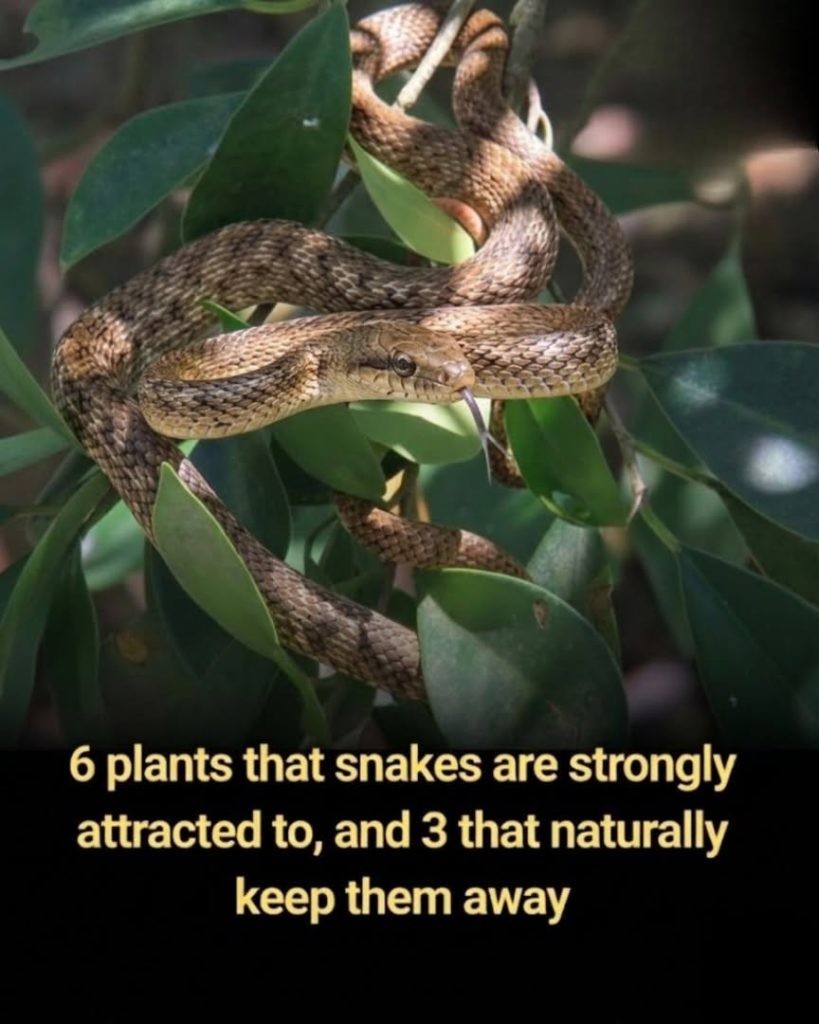

How Garden Plants and Features Can Create Conditions That Attract Snakes
Finding a snake in a garden can be unsettling, particularly for homeowners who keep their outdoor spaces neat and carefully maintained. In most cases, however, a snake’s presence does not mean that a particular flower, shrub, or tree has “attracted” it. Snakes are generally looking for the same essentials as other wildlife: cover, suitable temperatures, water, and food.
Understanding why snakes use gardens can help people make practical landscaping decisions without unnecessarily removing beneficial plants or harming local wildlife. A garden with dense vegetation, hiding places, fallen fruit, standing water, or rodent activity may offer favorable habitat conditions. By managing those conditions thoughtfully, homeowners can reduce the likelihood of unexpected encounters while still maintaining a healthy, attractive outdoor space.
Do Certain Plants Actually Attract Snakes?
There is little evidence that snakes are drawn to individual plant species because of the plants themselves. Unlike pollinators that seek nectar or animals that feed directly on leaves, fruits, or seeds, snakes are carnivores. Their interest in a garden is more often connected to shelter and prey than to a plant’s scent, color, or appearance.
Plants can nevertheless play an indirect role. Thick ground cover, tall grass, sprawling vines, and dense shrubs can create shaded, protected areas where snakes may rest or move unnoticed. The same vegetation can support insects, small mammals, amphibians, and lizards, some of which are prey for different snake species.
This does not mean that every lush garden is likely to contain snakes. Snake populations vary widely by region, climate, season, surrounding habitat, and species. Urban gardens may occasionally be visited by snakes moving between patches of habitat, while rural properties near grasslands, forests, wetlands, or rocky ground may experience more frequent wildlife activity.
Dense Ground Cover Can Provide Concealment
Ground-cover plants are popular because they suppress weeds, protect soil, and add texture to garden beds. However, plants that form dense mats can also make it harder to see the ground. Ivy, creeping vines, ornamental grasses, low-growing junipers, dense ferns, and thick mulch beds may provide shade and concealment for small animals.
Snakes do not necessarily live permanently beneath these plants, but they may use covered areas while traveling through a property or avoiding extreme heat. Dense vegetation can also make a garden more appealing to rodents and lizards, increasing the chance that a snake will investigate the area.
Homeowners do not need to remove all ground cover to manage this risk. A balanced approach may include trimming plants away from paths, entrances, patios, children’s play areas, and the foundations of buildings. Keeping clear, visible edges around frequently used spaces can make routine gardening safer and allow people to notice wildlife before getting too close.
Tall Grass and Overgrown Lawns May Support Prey Animals
Long grass is often associated with snake sightings, but the relationship is again indirect. Taller vegetation provides cover for small mammals such as mice and voles, as well as insects and amphibians. These animals may become a food source for snakes. Overgrown grass also gives snakes a protected route through an area, reducing their exposure to predators and human activity.
Regular lawn maintenance can reduce concealment and make yards easier to inspect. Mowing grass, cutting back weeds, and keeping the edges of fences and sheds clear are straightforward habitat-management measures. This is especially useful during warmer months, when many snake species are more active.
However, wildlife-friendly gardening does not have to conflict with safety. A property can include pollinator beds, native plants, and less-manicured areas while retaining a tidy buffer near the home. For example, gardeners may choose to keep taller vegetation farther from doors, walkways, outdoor seating areas, and storage structures.
Fruit Trees, Bird Feeders, and Compost Can Indirectly Increase Activity
Fruit trees can be valuable additions to a garden, but fallen fruit can attract insects and small mammals. If fruit is left on the ground for extended periods, it may provide food for rodents, which can in turn attract predators. Promptly collecting windfall fruit and storing harvested produce securely can help limit this food chain.
Bird feeders may create a similar issue. Birds themselves are not the main concern in most garden settings, but spilled seed can attract mice and rats. Keeping feeders clean, using designs that limit seed waste, and removing seed from the ground can reduce rodent activity around homes.
Compost piles are useful for reducing household waste and improving soil, yet they should be maintained carefully. A compost system that contains food scraps without secure containment may attract rodents. Covered compost bins or well-managed enclosed systems can be a better option in locations where rodent activity is common. Avoid adding meat, dairy products, oils, or other materials that may attract unwanted animals.
Damp Areas Can Attract Frogs, Insects, and Other Wildlife
Water features, damp corners, leaking hoses, clogged gutters, and poorly drained ground can support insects, frogs, and other small animals. Some snake species feed on amphibians, so a consistently wet environment may contribute to suitable habitat conditions.
Garden ponds and wildlife water features can still be maintained responsibly. The key is to prevent unnecessary standing water near structures and to manage surrounding vegetation. Repair leaking taps, ensure drainage routes are clear, and avoid allowing piles of wet leaves or debris to accumulate beside patios, sheds, or foundations.
Because snakes contribute to local ecosystems by helping regulate populations of rodents and other small animals, the goal should not be to eliminate all wildlife from a garden. Instead, homeowners can reduce the features that make close encounters around living spaces more likely.
Woodpiles, Rock Piles, and Garden Clutter Create Shelter
Plants are only one part of the picture. Many snake sightings are linked to physical shelter such as stacked firewood, unused pots, corrugated sheets, old boards, dense leaf piles, abandoned equipment, and gaps beneath sheds or decks. These materials can provide cool shade in warm weather and insulated hiding places during cooler periods.
Woodpiles should ideally be placed away from the house and raised off the ground when practical. Garden supplies can be stored neatly rather than left in scattered piles. Removing unnecessary clutter also reduces habitat for rodents, insects, and lizards.
Check outdoor structures for openings. Sealing accessible gaps around sheds, crawl spaces, utility openings, and damaged vents may help prevent wildlife from entering. The appropriate method depends on the building and local conditions, so property owners may wish to consult a qualified pest-management or wildlife professional for larger exclusion projects.
Snake-Repellent Plants and Home Remedies: What the Evidence Says
Claims that certain plants reliably repel snakes are widespread online, but strong scientific evidence for these methods is limited. Plants sometimes promoted as snake deterrents include marigolds, lemongrass, garlic, onion, and so-called “snake plants.” These may have useful ornamental or culinary roles, but they should not be treated as dependable snake-control measures.
Similarly, products or household remedies involving strong odors, sulfur, mothballs, fuel, or chemicals should be approached with caution. Some may be ineffective, while others can create risks for people, pets, beneficial wildlife, and the wider environment. Mothballs, for example, are pesticides intended for specific uses and should only be used according to their product label and applicable laws.
Evidence-based prevention focuses on habitat modification: reduce food sources for rodents, remove clutter, trim excessive cover, manage waste, and close potential entry points. These steps are more practical than relying on unverified repellents.
How to Garden Safely in Areas Where Snakes May Live
Simple habits can lower the risk of a surprise encounter. Wear closed-toe shoes or sturdy boots when working in dense vegetation, woodpiles, brush, or rocky areas. Use gloves when handling garden materials, but remember that gloves do not make it safe to reach into places that cannot be seen clearly.
Before moving a pot, lifting a board, collecting firewood, or reaching into thick foliage, pause and inspect the area. Use a long-handled tool when appropriate to move debris from a distance. Teach children not to touch, chase, or attempt to identify snakes, even if an animal appears small or inactive.
If a snake is seen, remain calm, keep a safe distance, and give it a clear path to move away. Most snakes avoid people when they can. Do not attempt to pick up, trap, injure, or kill the animal. Correct identification is difficult, and handling a snake is a common way for people to be bitten.
What to Do If a Snake Is Near Your Home
If a snake is in a garden, the safest immediate response is usually to keep people and pets away from the area. Watch from a distance only if it can be done safely, and allow the animal time to leave. If the snake is inside a building, near a high-traffic location, or appears unable to leave, contact local animal control, a licensed wildlife removal service, or another relevant local authority.
People should follow guidance from local public-health and wildlife agencies because medically significant snake species differ greatly between countries and regions. In the event of a snakebite, seek urgent medical care or contact emergency services. Do not try to capture the snake, cut the bite area, apply a tourniquet, or use unproven treatments. Medical professionals can provide the appropriate assessment and care.
Creating a Beautiful Garden With Fewer Snake Encounters
A well-designed garden does not need to be bare or heavily treated with chemicals to be less appealing to snakes. The most effective approach is regular maintenance combined with sensible wildlife management. Keep lawns and path edges trimmed, prune dense shrubs, clear unnecessary debris, secure compost, collect fallen fruit, and address rodent activity without delay.
It is also helpful to view snakes in ecological context. Many species are harmless to people and play a role in controlling rodents. A snake passing through a garden is not automatically a sign of a dangerous infestation or poor property care. Still, homeowners can reduce the likelihood of close contact by limiting concealment and food sources near the places where people spend the most time.
By focusing on practical habitat management rather than myths about individual plants, gardeners can protect their households while preserving an outdoor environment that is attractive, functional, and considerate of local wildlife.
Sources
Disclaimer: This content is intended for entertainment purposes only and is not based on real events.