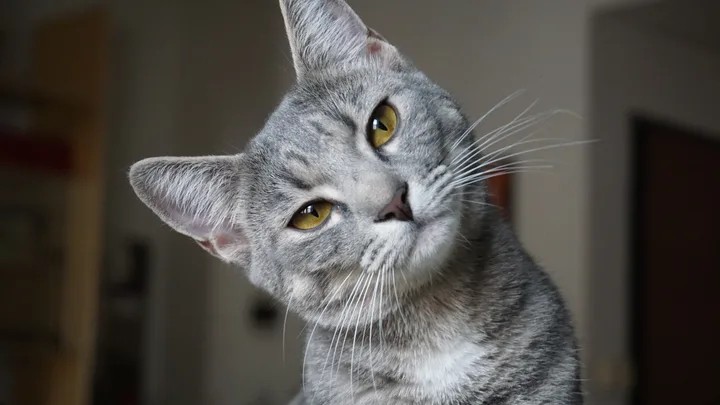

Are you guilty of this?
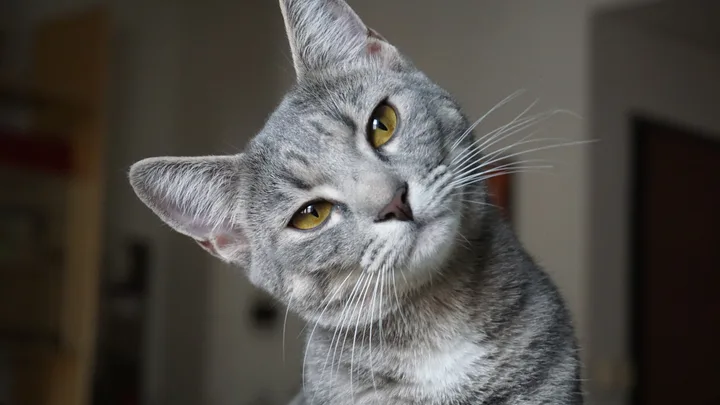
Leaving home for the evening, an overnight stay or a short trip can prompt a familiar question for cat owners: should the lights be left on for the cat? It is an understandable concern. Domestic cats are often viewed as independent companions, and many are more comfortable staying in their familiar home than adjusting to an unfamiliar boarding environment. Still, their independence does not mean their daily needs can be overlooked.
For a healthy cat in a safe, familiar home, darkness is usually not a problem. Cats have eyes adapted to working exceptionally well in low light, and they naturally tend to be most alert around dawn and dusk. The more important consideration is consistency: a predictable routine, access to necessities, a clean environment and appropriate human care are generally more valuable than keeping a bright lamp switched on all night.
However, every cat is an individual. Age, vision, health, anxiety, home layout and established household routines can all influence whether a small amount of additional light is useful. Understanding how feline vision works can help owners make a practical and welfare-focused decision.
How Cats See the World
Cat vision is different from human vision in several important ways. People generally have stronger visual acuity, which means they can see fine detail from farther away. Veterinary ophthalmology references commonly explain that cats are less able to distinguish distant detail than people with typical human eyesight. A cat may need to be much closer to an object before it appears as sharp as it would to a person.
That trade-off is not a disadvantage in the situations for which cats evolved. Their eyes are especially well suited to detecting movement and functioning when daylight is limited. This is useful for an animal whose ancestral hunting behaviour was often concentrated in the low-light periods around sunrise and sunset.
Cats also see colour differently from humans. They are not thought to see the world in black and white, but their colour perception is less rich than ours. They are believed to distinguish some blue and yellow tones more readily than red and green shades. In day-to-day life, however, scent, sound, touch, memory and whisker-based spatial awareness are also central to how a cat navigates its environment.
For this reason, a cat does not rely on bright indoor lighting in the same way a person might. A familiar room with stable furniture, clear pathways and ordinary ambient light from windows can be easy for a healthy cat to move around safely.
Why Cats Can See Well in Low Light
Cats do not have true night vision in complete darkness. Like humans and other mammals, they need some available light to see. Yet they can make use of very low levels of light more effectively than people can, which explains why they can appear confident in a dim room or outdoors at twilight.
Several physical features of the feline eye contribute to this ability. Cats have relatively large corneas and pupils that can open widely, allowing more light into the eye. Their vertical pupils can adjust efficiently as lighting changes, helping to protect the eye in brighter conditions and maximise available light when it is dim.
The retina contains light-sensitive cells known as rods and cones. Rods are especially important for low-light vision and motion detection, while cones play a larger role in colour vision and detail. Cats have a retinal arrangement that favours low-light sensitivity and noticing movement over viewing crisp fine detail.
Another notable feature is the tapetum lucidum, a reflective layer behind the retina. It sends light back through the eye, giving photoreceptors an additional opportunity to detect it. This is also why a cat’s eyes may appear to shine when caught in headlights or flash photography. The effect can look dramatic, but it is a normal part of feline eye anatomy.
Estimates of exactly how much better cats see in dim conditions vary among veterinary and scientific sources. The key point is well established: cats can function in substantially lower light than humans, but they cannot see in total darkness. A home does not need to be brightly illuminated for a healthy cat to find its bed, water bowl, litter tray or favourite resting place overnight.
Are Cats Afraid of the Dark?
Darkness itself is not generally something cats fear. Many cats choose to rest in quiet, enclosed or dim spaces, including beneath furniture, inside boxes, in covered beds or in rooms with little direct light. Such locations can offer privacy, warmth and a sense of security.
That said, a cat can become uneasy in a dark environment if something else has changed. Rearranged furniture, unfamiliar noises, a new pet, visitors, illness or a disruption to routine may all contribute to stress. In those circumstances, the issue is not necessarily the absence of light. It may be uncertainty or an environmental change that makes navigation or resting feel less predictable.
Cats are often described as crepuscular, meaning they are commonly more active around dawn and dusk. Domestic cats may adjust their behaviour to household schedules, meal times and opportunities for interaction, so some will also be active at night or during the day. A quiet overnight period with normal darkness is therefore usually compatible with feline biology, especially when the home environment is familiar.
Should You Leave a Light on for Your Cat at Night?
For most healthy adult cats, there is no medical need to leave a bright light on overnight. Maintaining the household’s usual lighting pattern is typically the simplest approach. If lights normally go off at bedtime, continuing that routine while the owner is away is generally reasonable, provided the cat has access to basic resources and there is some natural or ambient light available when daylight returns.
Constant bright artificial light may be unnecessary and could interfere with the normal light-dark cues that help regulate circadian rhythms. Like people, cats have biological processes influenced by daily patterns of light and darkness. A regular schedule supports predictability, while abrupt changes may be unsettling for some animals.
If an owner normally leaves a lamp on in the evening, there is no need to make a dramatic change simply because they are away. Consistency is usually more helpful than trying to create a “perfect” lighting arrangement. Avoid positioning lights where they shine directly into a cat’s preferred sleeping area, and do not use harsh lighting as a substitute for proper care or supervision.
When a Dim Nightlight May Be Helpful
A low-level, warm-coloured nightlight can be considered for cats with particular needs. Senior cats may develop reduced vision, mobility problems or cognitive changes that make it harder to move confidently in an unfamiliar or very dark area. Cats diagnosed with an eye condition, those recovering from illness or surgery, or cats that appear distressed when navigating dim rooms may also benefit from gentle illumination in a key location.
A nightlight may be most useful near essential resources, such as a litter tray, water bowl or sleeping area. It should not be bright enough to light the entire home continuously. Owners who notice sudden changes in vision, including bumping into furniture, hesitation on stairs, unequal pupils, eye redness, discharge or cloudiness, should seek advice from a veterinarian promptly. These signs can indicate health issues that require professional assessment.
For a visually impaired cat, keeping furniture in consistent positions is often as important as lighting. Clear walkways, stable locations for food and litter, non-slip surfaces and easy access to favourite resting spots can all improve comfort and confidence.
Do Cats Prefer Light or Dark?
There is no single answer because cats have individual preferences. Many will seek a sunny windowsill during the day, then retreat to a shaded nook when they want to sleep. Others enjoy watching outdoor activity at dusk. Rather than choosing between “light” or “dark,” cats benefit most from having options: bright areas, shaded resting places, hiding spots and quiet zones.
Environmental enrichment is especially important for indoor cats. A well-designed home environment supports natural behaviours such as climbing, scratching, observing, resting, playing and exploring. Vertical spaces, scratching posts, puzzle feeders, cardboard boxes, safe toys and regular interactive play can all add variety without overwhelming the cat.
The International Society of Feline Medicine and other feline welfare organisations emphasise that cats need separate, accessible resources. In multi-cat homes, this can mean more than one water station, litter tray, bed and resting location. The goal is to reduce competition and allow each cat to choose a comfortable space.
Lighting should be considered alongside these broader welfare needs. A calm, familiar home with clean litter, fresh water, suitable food, comfortable temperatures and safe hiding places is more meaningful to a cat’s wellbeing than a brightly lit room left on throughout the night.
What to Do When You Are Away From Home
It is important not to assume that cats can simply be left alone for an extended weekend with extra food. Even independent cats need regular checks. Water can spill, automatic feeders can malfunction, litter trays can become soiled, and illness or injury can develop unexpectedly. A trusted person should visit at least once daily to provide fresh water, food as needed, litter maintenance, brief interaction and a visual health check. Some cats, particularly kittens, senior cats, cats on medication or those with medical conditions, may need more frequent care.
Before leaving, make the home safe. Put away strings, ribbons, toxic plants, accessible medications, cleaning chemicals and small objects that could be swallowed. Secure windows and balconies, check that doors cannot accidentally close off access to food or litter, and ensure the temperature is appropriate. Leave emergency contact details, veterinary information and clear instructions for the person providing care.
A pet camera can offer reassurance, but it should not replace an in-person visit. Cameras may not show every area of the home, and they cannot refill water, clean a litter tray or recognise all signs of illness. If a cat is prone to anxiety, it may be helpful for the sitter to visit before the trip so the cat can become familiar with them.
Owners can also minimise disruption by keeping feeding times, play routines and sleeping areas consistent. Familiar blankets, beds and scents may help a cat feel settled. If a nightlight is part of the cat’s established routine, keep using it. If it is not, there is usually no need to introduce one solely because the owner is absent.

Key Takeaway: Routine Matters More Than Leaving the Lights On
Healthy cats are well equipped to manage ordinary nighttime darkness and low-light conditions. They do not need a brightly lit house to feel safe, and keeping lights on continuously is rarely necessary. The best approach is usually to preserve the lighting routine the cat already knows.
A dim nightlight may be a sensible option for an older cat, a cat with confirmed vision difficulties or a pet that shows stress when moving around in low light. In those cases, place a soft light near essential resources and discuss any noticeable changes in behaviour or vision with a veterinarian.
Above all, responsible care when travelling means more than deciding whether to leave a lamp on. Arrange reliable daily care, provide a safe and enriched home, and make sure your cat’s familiar needs are met. For most cats, that consistency is the real source of comfort.
Sources

Disclaimer: This content is intended for entertainment purposes only and is not based on real events.