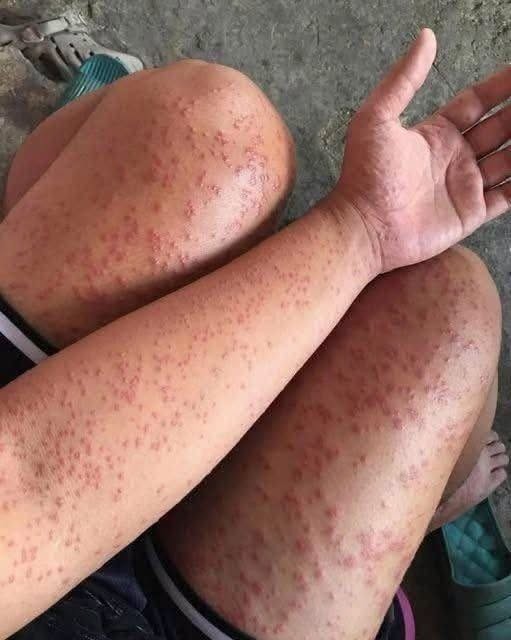

Unusual Bumps After Staying in an Old Apartment: What to Know
Noticing unusual bumps on the skin after staying in a friend’s older apartment can be unsettling. A small change in the skin may quickly lead to questions about allergies, insects, cleaning products, bedding, or other environmental factors. Although it is understandable to feel concerned, skin bumps have many possible explanations, and appearance alone is rarely enough to identify the cause with certainty.
A calm, evidence-based response is usually the most helpful approach. Paying attention to when the bumps appeared, where they are located, whether they itch or hurt, and whether other symptoms are present can help a healthcare professional assess the situation if needed. It is also useful to avoid assuming that an older apartment, a particular person, or a specific object is automatically responsible without clear evidence.
This guide explains common, medically recognized reasons someone may develop bumps after spending time in an unfamiliar indoor environment. It also outlines practical steps for reducing irritation, checking a living space responsibly, and knowing when medical care may be appropriate.
Why Skin Bumps Can Be Difficult to Interpret
Skin changes are common and can occur for many reasons. Small raised areas may result from temporary irritation, heat, friction, contact with a new substance, insect bites, or ordinary conditions such as acne or eczema. Similar-looking bumps can have very different causes, which is why self-diagnosis based only on photographs, online descriptions, or first impressions can be unreliable.
The timing of symptoms can add useful context, but it does not always provide a definitive answer. For example, a person may notice bumps after sleeping in a new place but have been exposed earlier to a detergent, fabric, outdoor plant, or insect. Some reactions occur quickly, while others may take hours or days to become apparent.
Health organizations generally recommend looking at the full pattern rather than focusing on one detail. Relevant information can include the size and color of the bumps, whether they are grouped or scattered, whether they are limited to exposed skin, and whether they improve after leaving the environment. A clinician can consider these details alongside a person’s medical history and any known allergies or skin conditions.
Common Causes of Bumps in an Unfamiliar Indoor Setting
Contact Irritation and Allergic Skin Reactions
One possible explanation is contact dermatitis, a form of skin inflammation that can develop when the skin reacts to an irritant or allergen. Common triggers include scented detergents, soaps, cleaning sprays, fabric softeners, cosmetics, lotions, metals, and some fabrics. Even products that seem harmless can irritate sensitive skin, particularly after repeated contact.
Irritant contact dermatitis may cause dry, itchy, sore, or red skin. Allergic contact dermatitis can produce a similar rash after exposure to a substance that triggers an immune response in a sensitized person. The American Academy of Dermatology notes that identifying and avoiding the trigger is an important part of managing contact dermatitis.
In an apartment setting, possible sources can include recently washed bedding, unfamiliar towels, household cleaners, air fresheners, or furniture treated with certain products. This does not mean that the apartment is necessarily unclean or unsafe. It may simply mean that an individual’s skin reacted to something new.
Heat, Sweat, and Friction
Warm rooms, heavy bedding, limited airflow, and sweating can contribute to heat rash, also called miliaria. This condition occurs when sweat becomes trapped in the skin and may lead to small itchy or prickly bumps. It is more likely in hot or humid conditions and can occur in areas where clothing or bedding creates friction.
Tight clothing, rough fabrics, prolonged sitting, and exercise can also cause temporary irritation around hair follicles. In some cases, friction and moisture can contribute to folliculitis, an inflammation involving hair follicles. Because several common skin conditions overlap in appearance, a medical professional should assess symptoms that persist, worsen, or become painful.
Insect Bites and Environmental Exposure
Insect bites are another possibility when a person develops itchy bumps after spending time indoors or outdoors. Mosquitoes, fleas, and other insects can cause localized reactions. However, it is important not to identify an insect solely from the arrangement of marks on the skin. Bite patterns are not always specific, and many non-bite conditions can look similar.
Bed bugs are often a source of anxiety because they can live in sleeping areas and feed at night. The U.S. Environmental Protection Agency explains that bed bugs are small insects commonly found near beds, furniture, seams, cracks, and crevices. Their presence is not a sign that a home or apartment is dirty. They can be transported in luggage, clothing, used furniture, and other belongings.
Some people develop itchy welts after bed bug bites, while others may have little or no visible skin reaction. Marks can appear after a delay, so the timing of symptoms cannot confirm where exposure occurred. The Centers for Disease Control and Prevention advises that bites alone are not enough to diagnose a bed bug problem; confirmation generally requires finding physical signs of the insects or consulting a qualified pest-management professional.
Existing Skin Conditions
A stay in a different environment may coincide with, rather than cause, a flare-up of an existing condition. Acne, eczema, hives, psoriasis, and keratosis pilaris can all become more noticeable under circumstances involving stress, disrupted sleep, dry air, heat, new personal-care products, or changes in routine.
Hives, medically known as urticaria, are raised itchy welts that can be triggered by infections, medications, foods, temperature changes, pressure on the skin, or other factors. In many cases, the cause is not immediately clear. Because hives can occasionally occur alongside serious allergic symptoms, any swelling of the lips, tongue, face, or throat, or any difficulty breathing, requires urgent medical attention.
How to Respond Without Jumping to Conclusions
Uncertainty can make a minor skin issue feel more alarming than it is. Taking a structured approach may reduce unnecessary worry while helping preserve useful information.
- Observe the symptoms carefully. Note when the bumps were first noticed, whether they are itchy, painful, warm, or changing, and whether they appear elsewhere on the body.
- Consider recent exposures. Think about new soaps, lotions, laundry products, clothing, foods, medications, outdoor activities, pets, travel, and sleeping arrangements.
- Avoid scratching. Scratching can damage the skin and increase the risk of irritation or infection. Keeping nails short and using a cool compress may help relieve mild itchiness.
- Use gentle skin care. Fragrance-free products and lukewarm water are often less irritating than strongly scented products or hot showers.
- Document changes if necessary. Taking dated photographs for personal medical reference can help show whether a rash is improving or spreading. Images should not replace professional medical evaluation.
- Seek qualified advice when symptoms continue. A pharmacist, primary care clinician, dermatologist, or other licensed healthcare professional can help determine the next appropriate step.
If there is concern about insects in a sleeping area, it is best to inspect the environment methodically and respectfully. Look at mattress seams, bed frames, upholstered furniture, and nearby cracks for signs such as live insects, shed skins, eggs, or small dark spots. Avoid spraying pesticides indiscriminately, as improper use can create health risks and may make pest control more difficult. A licensed pest-management professional can provide an assessment and recommend appropriate treatment if an infestation is confirmed.
When to Contact a Healthcare Professional
Many minor rashes and skin irritations improve with time and gentle care. Still, professional medical advice is important when symptoms are severe, persistent, or difficult to explain. Contact a healthcare professional if bumps spread quickly, become painful, show signs of infection, or do not improve after several days.
Signs that may warrant prompt evaluation include fever, significant swelling, pus or drainage, increasing warmth or redness, severe discomfort, or a widespread rash. Urgent medical help is needed for symptoms of a severe allergic reaction, including trouble breathing, wheezing, faintness, or swelling involving the face, lips, tongue, or throat.
People with weakened immune systems, very young children, older adults, and individuals with chronic skin conditions may benefit from earlier medical guidance. A clinician can examine the skin directly, review possible exposures, and recommend safe treatment based on the likely cause.
Respectful Communication With Friends and Hosts
When skin symptoms arise after visiting someone else’s home, it can be tempting to make a quick connection between the location and the problem. However, assumptions can create unnecessary embarrassment or strain relationships. A considerate conversation should focus on facts rather than blame.
For example, it may be helpful to say that unusual bumps appeared after the visit and that you are trying to understand possible causes. If there is a reasonable concern about a shared environmental issue, such as a pest problem or a new cleaning product, both people can review the situation calmly. The goal should be protecting health and identifying practical solutions, not assigning fault.
This approach matters because many household issues, including bed bugs and other pests, can affect homes of any age, location, or cleanliness level. Similarly, skin reactions can occur without any problem in the environment at all. Clear information and empathy are more useful than stigma.
Key Takeaways About Unexplained Bumps
Small bumps that appear after staying in an unfamiliar apartment can have many possible causes, ranging from mild irritation and heat rash to contact dermatitis, insect bites, or an unrelated skin condition. The setting may be relevant, but it should not be treated as proof of the cause.
Careful observation, gentle skin care, and attention to warning signs can help people respond appropriately. When uncertainty remains, a qualified healthcare professional is the best source of personalized advice. For concerns about insects or housing conditions, evidence-based inspection and professional pest-management guidance are more reliable than assumptions.
Most importantly, unusual skin symptoms are a reminder to stay calm, gather facts, and avoid quick judgments. A measured response can support both personal health and respectful communication with others.
Sources
Disclaimer: This content is intended for entertainment purposes only and is not based on real events.