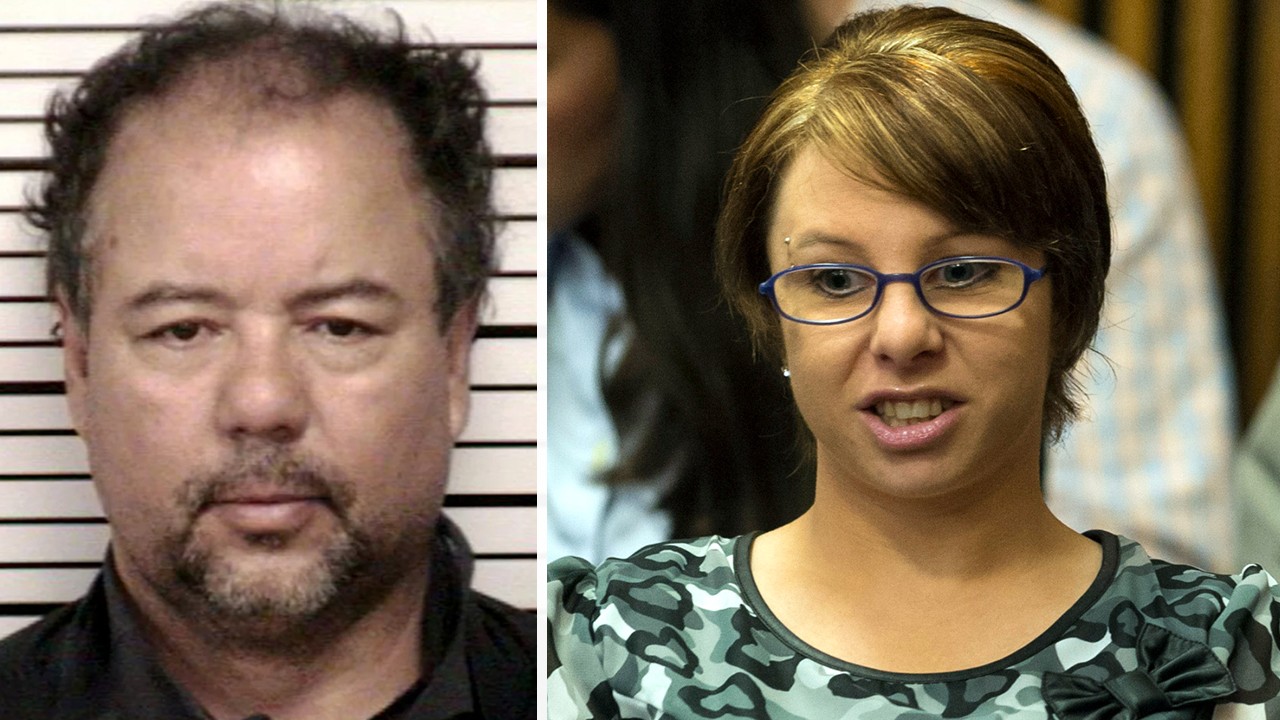

Michelle Knight Reveals the Chilling Words Her Captor Said on the First Day of Her 11-Year Ordeal
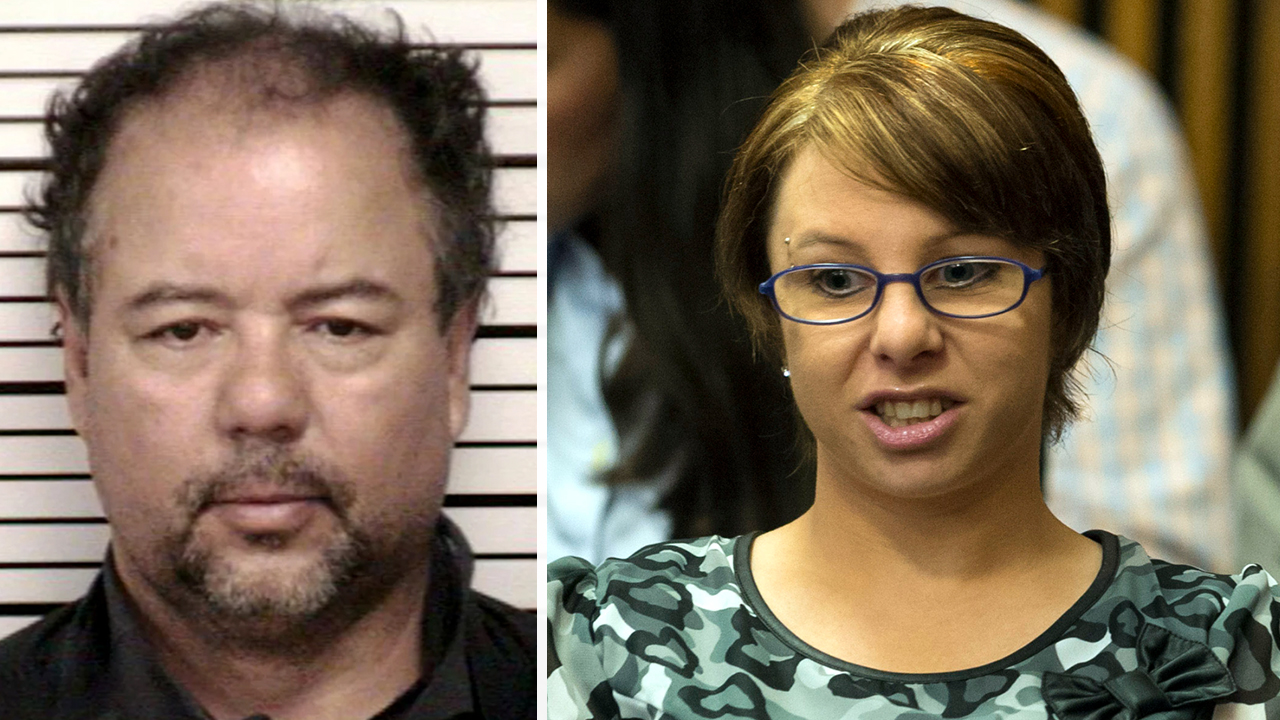
When Michelle Knight accepted a ride from someone she recognized in August 2002, she had no reason to suspect that the seemingly ordinary encounter would change her life forever. At just 21 years old, she was focused on an important appointment concerning the custody of her young son. Instead, she became the victim of one of the most notorious kidnapping cases in modern American history.
For nearly 11 years, Knight was held captive inside a house in Cleveland, Ohio, by Ariel Castro. During that time, she endured prolonged physical, psychological, and sexual abuse alongside two other women, Amanda Berry and Gina DeJesus. Their eventual rescue in May 2013 brought an extraordinary story of survival to international attention.
Years after regaining her freedom, Knight has continued to speak publicly about her experience, sharing details about how her captivity began, how she found the strength to survive, and how she has worked to rebuild her life.
In an episode of the YouTube podcast What It Was Like, Knight discussed the first day of her abduction and recalled the frightening words Castro said to her: “You’ll never see home again.”
Her recollection offers a glimpse into the moment when an ordinary journey turned into an ordeal that would last more than a decade.
How Michelle Knight Met Ariel Castro Before Her Abduction
On August 22, 2002, Michelle Knight disappeared in Cleveland, Ohio. She was 21 years old and trying to attend an appointment connected to arrangements involving her young son.
After becoming lost, Knight stopped to ask for directions. During this trip, she encountered Ariel Castro, a man she already recognized through her connections with his family. Castro was the father of one of her friends, and she had previously seen him at family gatherings.
Because he was not a complete stranger, Knight had little reason to question his offer of assistance. Castro suggested that he could drive her to her destination, explaining that he first needed to stop at his house to collect his daughter.
What appeared to be a straightforward favor was actually the beginning of a carefully concealed crime. Instead of taking Knight to her appointment, Castro drove her to his residence on Seymour Avenue.
According to Knight’s later interview with The Guardian, she initially noticed details that made her uncomfortable. Castro locked the gate after entering the property and offered an explanation that appeared reasonable at the time.
He also mentioned puppies upstairs, giving Knight another reason to follow him into the house. However, as she approached the upper floor, she noticed that the surroundings did not match what she had been told.
She began to realize that something was seriously wrong. By the time Castro closed the door behind her, she understood that she was in danger.
The First Threat That Changed Her Life
One of the most frightening aspects of Knight’s account is how quickly the situation changed after she entered Castro’s home.
What began as an apparently friendly offer of transportation became an abduction. Castro made it clear that Knight was not free to leave. In the podcast interview, she recalled his words as a direct threat that she would never return home.
The threat was particularly devastating because Knight had a young son. Her child was approximately two and a half years old when she disappeared, and maintaining hope of seeing him again became an important part of her determination to survive.
During the early stages of her captivity, Castro took away her freedom and isolated her from the outside world. He also destroyed a photograph of her son that he found among her belongings, according to accounts of her experience.
For Knight, the emotional impact of being separated from her child was immense. She later explained that thoughts of him remained with her throughout the years she was held captive.
The initial threat was not simply an attempt to frighten her. It reflected the control Castro intended to establish over her life. What followed was a prolonged period of confinement, abuse, and isolation.
Michelle Knight Spent Nearly 11 Years in Captivity
Knight was not the only woman held inside Castro’s house. During the following years, two additional young women, Amanda Berry and Gina DeJesus, were also abducted and imprisoned there.
Berry disappeared in April 2003, while DeJesus disappeared in April 2004. Their cases initially appeared to be separate missing-person investigations. However, all three women were ultimately discovered inside the same residence in May 2013.
The women experienced prolonged abuse and severe restrictions on their freedom. They were isolated from ordinary social contact and subjected to conditions that caused lasting physical and emotional harm.
In her interviews, Knight described the difficulty of living without knowing when, or whether, she would ever regain her freedom. The passage of time became especially difficult because the outside world continued changing while the women remained trapped inside the house.
Despite the circumstances, relationships developed between the three women. Knight has spoken about the importance of having Berry and DeJesus with her during the years of captivity.
She also described trying to protect the other women whenever possible. Their shared experiences created a bond that helped them cope with an exceptionally difficult situation.
One particularly significant event occurred when Berry gave birth to a daughter, Jocelyn, while still being held captive. Knight helped deliver the baby under extremely frightening circumstances. Her assistance was important during the birth, and the child survived.
In later interviews, Knight explained that the little girl brought moments of happiness into an otherwise deeply distressing environment. Caring about the child gave her another reason to keep going.
Her experiences demonstrate how relationships and a sense of responsibility can become important sources of emotional strength during prolonged adversity. Although the women had very limited control over their circumstances, they continued looking for ways to support one another.
How Amanda Berry Helped Bring the Captivity to an End
After almost 11 years, the women’s captivity finally ended on May 6, 2013. Their escape came when Ariel Castro was away from the house and an opportunity to reach the outside world became available.
Amanda Berry managed to get through an exterior door and attract the attention of a neighbor, Charles Ramsey. Recognizing that she needed immediate assistance, Ramsey helped her seek emergency support.
Berry contacted emergency services and explained that she had been kidnapped and had been missing for approximately 10 years. Her call immediately brought police officers to the property.
According to an official update from the Cleveland Division of Police, officers arrived less than two minutes after being dispatched. They located Berry and subsequently discovered Knight and DeJesus inside the house.
All three women were rescued, along with Berry’s young daughter. The news quickly spread throughout the United States and internationally, attracting significant public attention.
The rescue was especially remarkable because the women had been missing for years, and their captor had managed to keep them inside an ordinary residential neighborhood without their families knowing where they were.
The case also raised important questions about missing-person investigations, community awareness, and the challenges authorities face when attempting to locate people who have disappeared.
Michelle Knight Remembers the Moment Police Rescued Her
Although the arrival of police officers meant that her captivity was finally over, Knight initially struggled to believe that rescue was actually happening.
In a 2014 interview with The Guardian, she described hearing officers approaching the house and attempting to break through the door.
After spending so many years in isolation, she was uncertain whether the people outside were genuinely police officers. She needed to hear their communications and see an official police badge before she could fully believe that help had arrived.
Once she recognized the officers, Knight ran toward one of them and held on tightly. The emotional significance of that moment was difficult to describe after nearly 11 years without freedom.
She also remembered seeing DeJesus and realizing that they were finally leaving together.
Her words reflected the disbelief and excitement of someone who had spent years imagining freedom without knowing whether it would ever become possible.
The rescue was only the beginning of another difficult stage: recovering from years of abuse and adjusting to a world that had continued moving forward during her absence.
The Challenges of Recovery After 11 Years
Following their rescue, the three women and Berry’s daughter were taken to MetroHealth Medical Center in Cleveland for medical attention and further care.
Knight had experienced serious health problems during her captivity. Her physical condition required medical treatment, and the long-term effects of her experiences did not disappear simply because she was no longer imprisoned.
In her 2014 interview with The Guardian, Knight discussed ongoing physical difficulties, including problems affecting her vision and stomach. She also spoke about psychological challenges and the difficulty of rebuilding trust.
Recovery from prolonged trauma is often a gradual process. Survivors may need continuing medical attention, psychological support, and time to establish a sense of safety and independence.
For someone who has experienced years of isolation, ordinary activities can take on a new meaning. Everyday decisions, personal relationships, and the freedom to leave home whenever desired may become important parts of rebuilding an independent life.
Knight gradually began rediscovering activities that had been unavailable to her during captivity. She spoke about enjoying music, sports, singing, and boxing, as well as developing new interests.
She also began sharing her experiences through interviews and her memoir, Finding Me: A Decade of Darkness, a Life Reclaimed. The book offered readers a more detailed account of her experiences and her efforts to move forward.
Michelle Knight’s Powerful Statement During Ariel Castro’s Sentencing
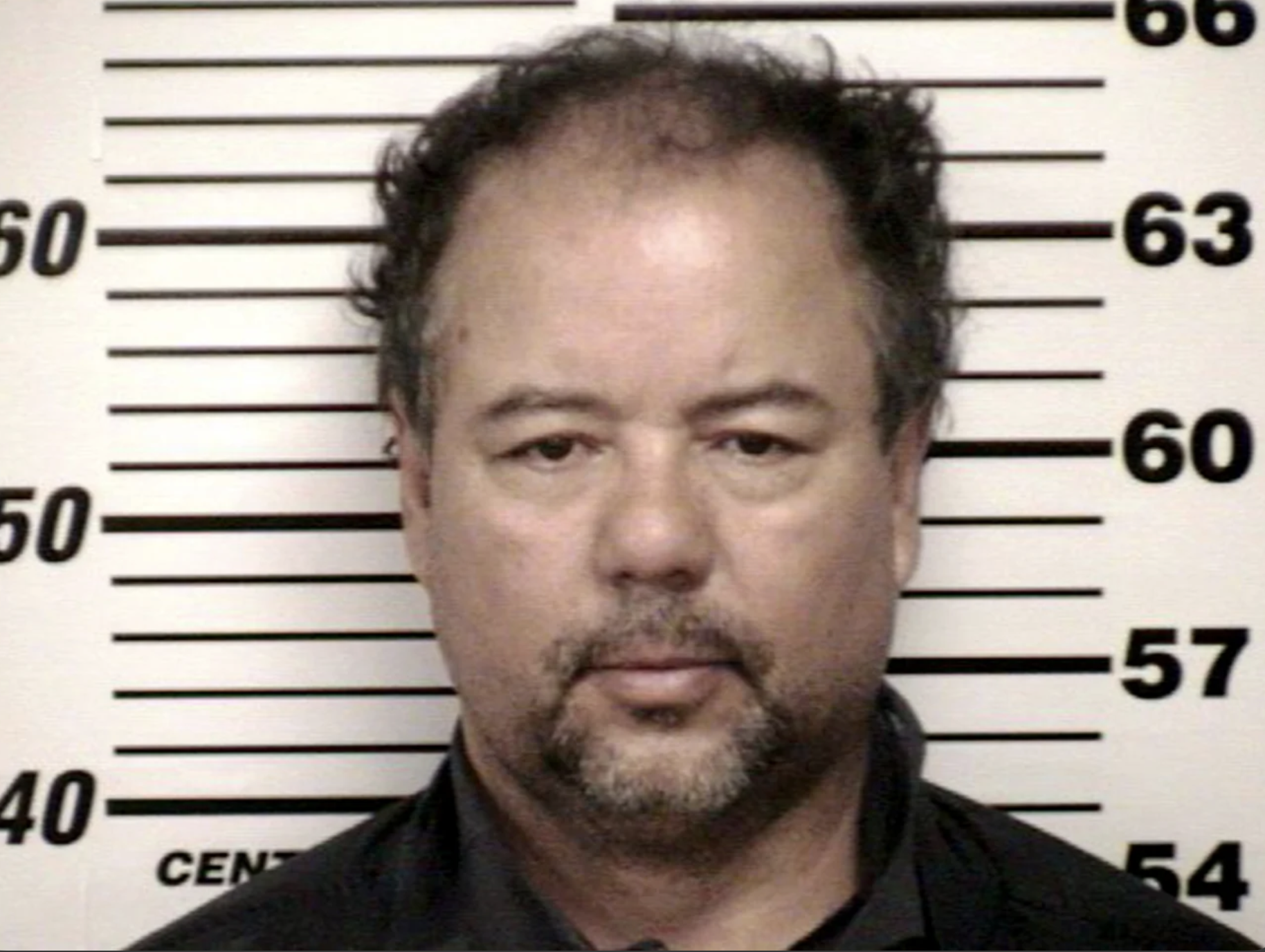
In July 2013, Ariel Castro agreed to plead guilty to hundreds of criminal charges. The charges included kidnapping, rape, and other serious offenses connected to the captivity of the three women.
On August 1, 2013, he was sentenced to life in prison without the possibility of parole, followed by an additional 1,000 years.
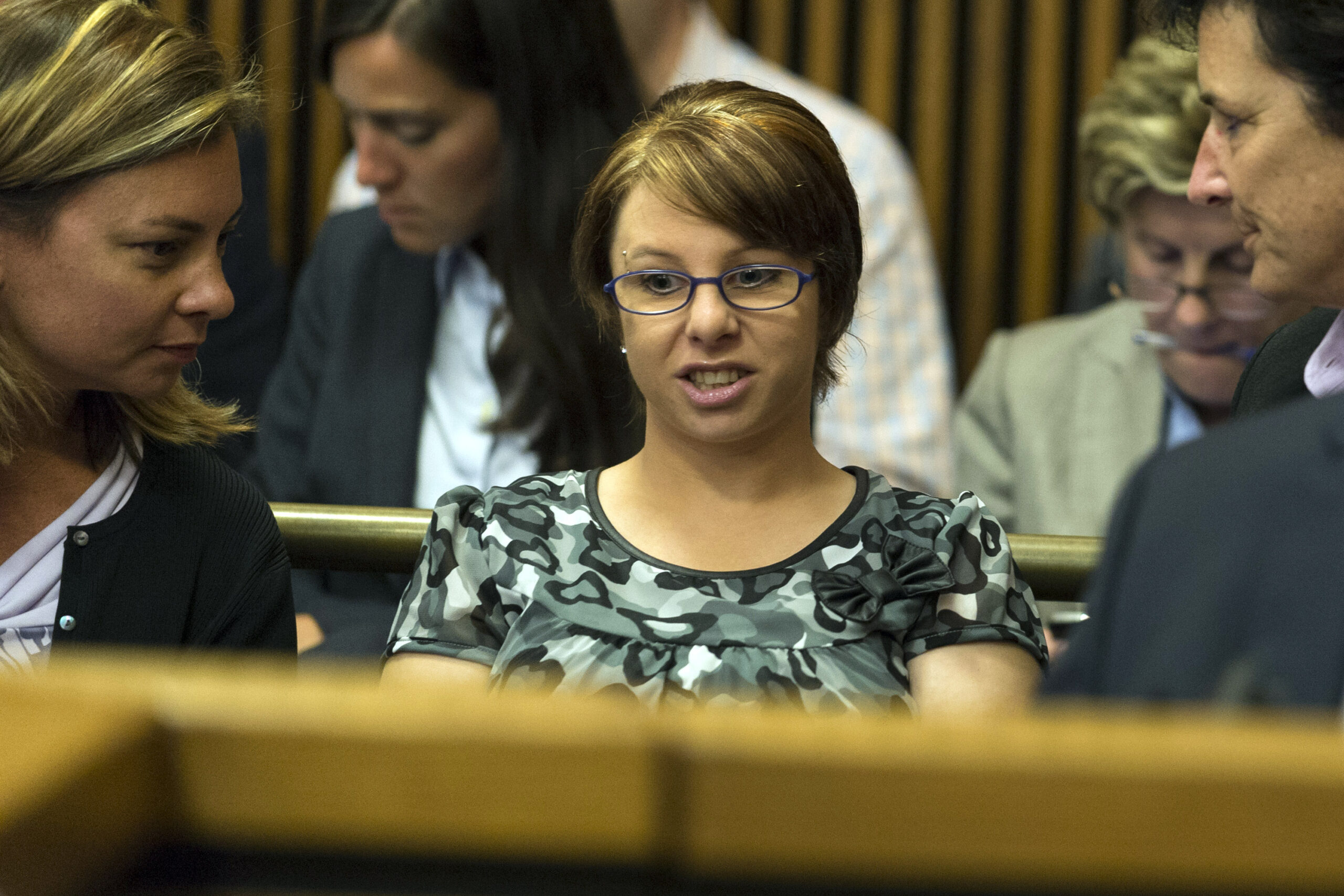
Before the sentence was announced, Knight delivered a statement in court directly addressing the man responsible for her captivity.
Her speech described the emotional consequences of being separated from her son and losing 11 years of her life. She explained how days and nights had blended together and how the years had seemed almost endless.
She also made it clear that Castro would not determine how she viewed herself or what her future would become.
One of the most memorable parts of her statement concerned forgiveness. Knight explained that she could forgive him while never forgetting what had happened.
Her words attracted widespread attention because they demonstrated her determination to reclaim control over her identity. Rather than allowing her abduction to become the only defining part of her life, she wanted to focus on survival and rebuilding her future.
The complete statement, published in contemporary news coverage, remains an important part of the public record surrounding the case.
For many observers, the speech illustrated the complicated nature of recovery after trauma. Forgiveness is a personal decision, and Knight’s choice should not be interpreted as an expectation that other survivors must respond to similar experiences in the same way.
Ariel Castro Died in Prison in September 2013
Castro did not serve the lengthy sentence imposed by the court. In September 2013, he was found dead in his prison cell. Authorities ruled his death a suicide.
His death occurred only weeks after his sentencing and brought an unexpected end to the criminal proceedings against him.
However, the conclusion of the criminal case did not mean that the consequences of the crime had ended for the survivors. Knight, Berry, and DeJesus still faced the long process of recovering from their experiences and establishing independent lives.
The case also continued to attract attention from journalists, researchers, and the wider public because of the unusual length of the captivity and the circumstances surrounding the women’s rescue.
Michelle Knight Chose to Rebuild Her Life on Her Own Terms
In the years following her rescue, Knight continued speaking about her experiences and the importance of refusing to let the past determine her future.
She later became known as Michelle Knight, also using the name Lily Rose Lee. Through interviews, public appearances, and her writing, she shared her perspective on survival and the challenges of rebuilding a life after prolonged captivity.
Her decision to speak openly about what happened helped bring attention to the experiences of survivors of kidnapping, abuse, and long-term trauma.
Her story also highlights the importance of access to appropriate support after a traumatic event. Physical recovery, emotional well-being, stable relationships, and personal independence can all play significant roles in rebuilding a person’s life.
Importantly, survivors do not all recover in the same way or according to the same timetable. Knight’s experience is her own, and her decision to discuss forgiveness, personal strength, and moving forward reflects her individual perspective.
More than a decade after her rescue, her story remains a reminder that people should be understood for more than the traumatic events they have experienced.
Michelle Knight’s account began with a ride offered by someone she believed she could trust. It became an 11-year struggle that tested her physical and emotional strength. Yet the story did not end with her captivity.
Through her determination to regain independence, share her experiences, and pursue new interests, Knight has continued to demonstrate that a person’s future does not have to be defined by their past.
Sources
- The Guardian – Michelle Knight: How I Survived 11 Years in Captivity
- The Guardian – Michelle Knight on Ariel Castro: My Abduction Didn’t Define Who I Am
- Cleveland Division of Police – Official Investigation Update, May 2013
- CBS News – Timeline of the Cleveland Kidnapping Case
- Michelle Knight – Statement Delivered at Ariel Castro’s Sentencing
- The Guardian / Associated Press – Michelle Knight Discusses Forgiveness and Life After Captivity
- What It Was Like – Michelle Knight’s Interview
Disclaimer: This content is intended for entertainment purposes only and is not based on real events.