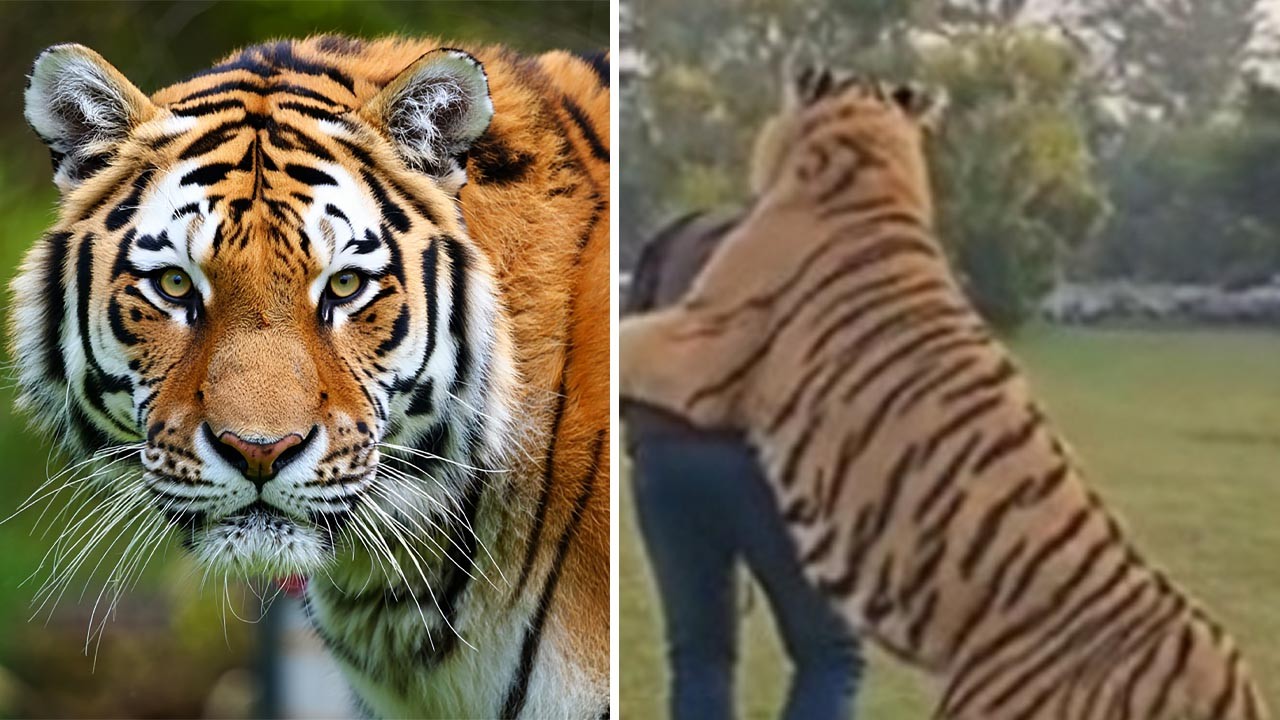

Tiger attacked 19-year-old
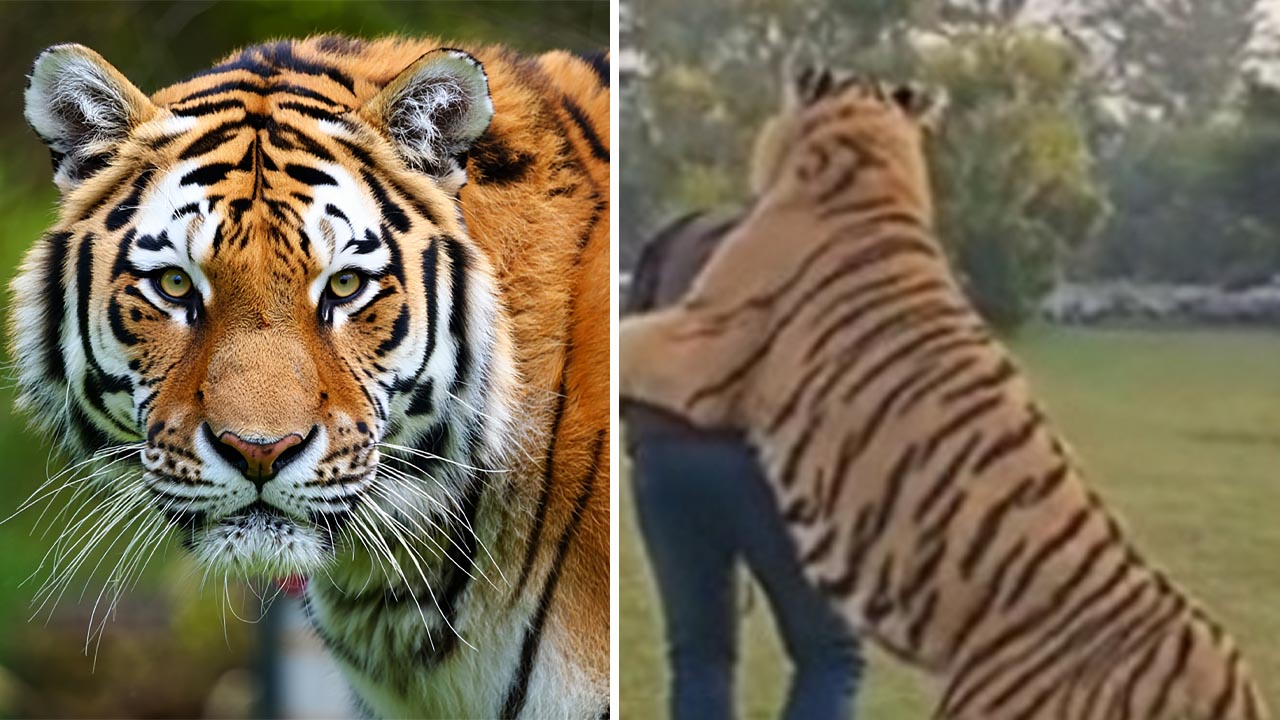
Police in Lahore, Pakistan, are investigating the death of a 19-year-old farmhouse employee following a reported attack involving a tiger at a private property. Authorities said two people were arrested as part of the inquiry, which is examining the animal’s presence at the site, safety arrangements and claims that a social media video was being filmed at the time.
The case has drawn attention to the risks associated with keeping large wild animals in private settings, particularly when animals are brought close to employees, visitors or cameras. Wildlife specialists generally stress that tigers and other big cats remain powerful, unpredictable wild animals even when they have been kept in captivity or around people for long periods.
Lahore Police said the incident took place at a farmhouse in the Kahna area of Lahore. The deceased employee was identified in media reports as Talha. Police said he was seriously injured during the incident and was taken for medical treatment, where he later died.
Lahore Police investigate reported tiger attack
According to a statement shared by Lahore Police, the tiger reportedly became difficult to control while a TikTok creator was visiting the farmhouse to record content. The statement did not establish a complete account of the sequence of events, and investigators are continuing to gather evidence and assess the actions of those present.
Police said a case had been registered and that two people were taken into custody: the owner of the farmhouse and the social media creator who was reportedly at the property. An arrest is an investigative step and does not determine guilt. Any criminal responsibility would need to be decided through Pakistan’s legal process on the basis of evidence and applicable law.
Authorities have also said they are examining allegations that there was an effort to make the injuries appear to have been caused by a dog rather than a tiger. That allegation remains part of the police investigation. Officials have indicated that post-mortem and other forensic procedures may help clarify the circumstances of the death.
The tiger was reportedly transferred into the custody of wildlife authorities after the incident. This is a significant part of the case because officials will need to determine whether the animal was being kept under appropriate conditions and whether all required permissions, safeguards and handling standards were in place.
Why private ownership of big cats raises safety concerns
Tigers are among the world’s largest land predators. Their physical strength, speed and natural behavior mean that handling them requires specialist knowledge, secure facilities and carefully developed safety procedures. Conservation organizations and zoo-accreditation bodies consistently warn that direct public contact with big cats can expose people and animals to unnecessary risk.
Even an animal that appears calm can react suddenly to unfamiliar sounds, movement, stress, crowding or attempts to position it for photographs and videos. Animal behavior is influenced by many factors, including environment, health, feeding routines, enclosure conditions and human interaction. This is why trained wildlife professionals rely on barriers, restricted access, emergency procedures and appropriately qualified staff rather than informal handling.
In a private farmhouse environment, investigators may look at practical issues such as the strength and condition of enclosures, locks and gates, whether there were adequate barriers between the animal and people, and whether staff had received suitable training. They may also seek to establish who was responsible for supervising the tiger and whether visitors were allowed near it.
Wildlife welfare is also closely connected to public safety. A secure, suitable environment can reduce stress for an animal and lower the possibility of an escape or dangerous interaction. Conversely, keeping a large predator in an unsuitable setting can create risks for workers, guests, nearby residents and the animal itself.
Social media filming and responsibility
The reference to TikTok filming has added a broader public-interest dimension to the Lahore case. Short-form videos can encourage creative expression, entertainment and business activity, but content creation should not override basic safety standards. Filming near animals, at height, near traffic or in other hazardous environments requires the same care that would be expected in any workplace or public setting.
A Lahore Police spokesperson told media outlets that “a passion for TikTok cannot be more important than a human life.” The comment reflects concern that attention, views or online engagement must not take priority over the safety of workers and visitors.
Responsible content production begins with risk assessment. If a setting contains a potentially dangerous animal, creators and property owners should consider whether filming is necessary at all, whether the public or employees need to be present, and whether the proposed activity is compatible with professional wildlife-safety advice. In many circumstances, the safest option is to maintain distance and avoid direct interaction entirely.
Social media platforms also have rules and reporting systems intended to address dangerous activities. However, the most effective safeguards are usually preventive: appropriate supervision, legal compliance, secure premises and a clear decision not to create content that places people or animals under avoidable pressure.
Questions likely to shape the investigation
Police and wildlife officials are likely to focus on several central questions. One is whether the tiger was legally owned, registered or otherwise authorized under relevant provincial wildlife rules. Another is whether the farmhouse had the facilities needed to house a large carnivore safely. Investigators may also review witness accounts, digital recordings, phone footage and medical findings.
The inquiry may additionally examine the employee’s role at the property. Workplace safety is important in any situation involving animals, machinery or restricted areas. Employers have a responsibility to identify foreseeable hazards, provide suitable instruction and ensure workers are not placed in situations beyond their training or ability to manage safely.
Authorities may also consider whether the visit by the social media creator was arranged in advance, who authorized it and whether any precautionary measures were taken before filming began. Establishing these details can help investigators understand whether the incident was the result of inadequate control, poor planning, unsafe access or another factor.
At this stage, public claims should be treated carefully. Initial reports can be incomplete, especially while police collect evidence and await medical or forensic findings. The most reliable account will come from official investigators, court proceedings where applicable, and statements supported by verifiable evidence.
Pakistan’s wildlife and animal welfare context
Pakistan has a diverse range of wildlife, while provincial governments play an important role in regulating conservation, animal management and enforcement. Punjab’s wildlife authorities are responsible for conservation-related work in the province, including oversight connected to protected animals and wildlife facilities.
Large cats are not ordinary domestic animals. Their care requires substantial space, veterinary attention, secure containment and experienced handlers. International conservation organizations have long argued that commercial displays, casual handling and poorly regulated private possession can undermine both animal welfare and community safety.
For this reason, incidents involving captive wild animals often lead to renewed calls for stronger enforcement, clearer licensing standards and better public awareness. Such measures are not only intended to prevent harm to people. They can also protect animals from unsuitable conditions, neglect, abandonment or transfer into environments that cannot meet their needs.
The Lahore case may prompt additional scrutiny of private facilities that keep wild animals in or near densely populated areas. Any policy response would depend on the findings of authorities and the legal framework in Punjab, but the incident highlights why oversight and professional standards matter.
Public reaction and the importance of verified information
Reports of the teenager’s death have prompted concern online and in news coverage, with many people expressing sympathy for his family and calling for accountability. The case has also generated discussion about the responsibilities of property owners, animal handlers and online creators when potentially dangerous animals are involved.
In situations like this, it is important to avoid speculation, sharing unverified footage or assigning blame before the investigation is complete. Respect for the deceased and his family should remain central. Accurate reporting can help the public understand the safety issues without amplifying distressing or unsupported claims.
Authorities have not publicly released every detail of the case. As the investigation develops, official updates from Lahore Police, wildlife officials and the courts, if charges proceed, will be more reliable than social media rumors or reposted claims.
Lessons for animal safety and content creation
The reported incident is a reminder that wild animals should never be treated as props. A tiger’s appearance in a private setting or online video does not make close interaction safe. The appropriate response to a big cat is distance, trained management and respect for the animal’s natural behavior.
Property owners who keep animals with specialized needs must ensure they meet all legal, welfare and security obligations. Creators should not accept invitations or opportunities that involve unsafe interactions merely because the footage may attract attention. Workers should also be able to raise safety concerns without pressure and should receive proper protection when their duties involve hazards.
For the family of the young employee, the priority is likely to be answers and accountability. The continuing investigation will determine what happened at the Lahore farmhouse and whether any failures contributed to the tragedy. Until then, the case stands as a serious warning about the consequences of inadequate safety around captive wild animals.
Sources
Disclaimer: This content is intended for entertainment purposes only and is not based on real events.