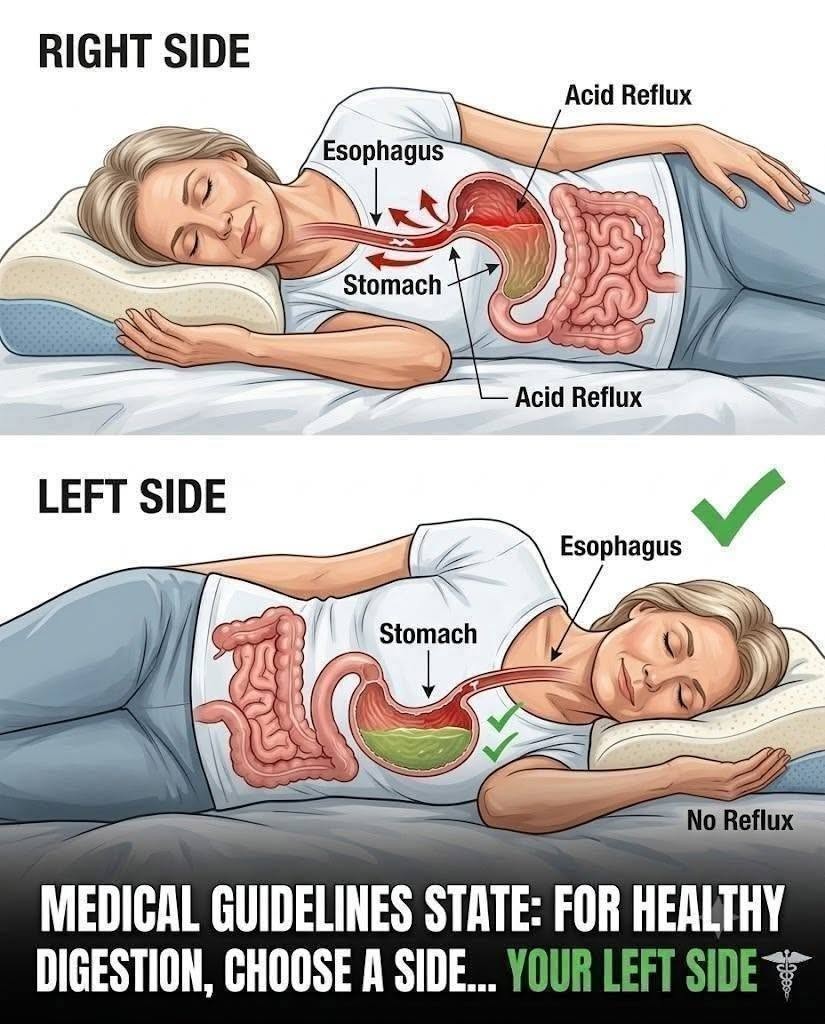

Benefits of Sleeping on Your Left Side
Sleeping on your left side is often discussed as a simple change that may support comfort and reduce certain nighttime symptoms. While social media posts sometimes describe it as a universal health solution, the scientific picture is more measured. Sleep position can affect acid reflux, breathing, pressure on the shoulders and hips, and comfort during pregnancy. However, it is not a cure for digestive disease, heart problems, sleep apnea, or other medical conditions.
The most reliable evidence for left-side sleeping concerns nighttime gastroesophageal reflux, commonly called acid reflux or heartburn. For some people, lying on the left side may make it less likely that stomach contents move back into the esophagus. Side sleeping is also commonly recommended during pregnancy, particularly later in pregnancy, although pregnant people do not need to remain on the left side all night. The best position is often the one that combines comfort, good sleep, and advice from an individual healthcare professional.
Why Sleeping Position Can Affect the Body
Body position changes how gravity acts on the stomach, airway, joints, muscles, and circulation. Anatomy also matters. The stomach is located mainly in the upper-left area of the abdomen, while the liver occupies much of the upper-right side. The esophagus, the tube that carries food from the mouth to the stomach, enters the stomach near its upper region.
When a person lies down, gravity no longer helps keep stomach contents in place in the same way it does when standing or sitting. Depending on the position, acid and food contents may be more or less likely to move toward the esophagus. This helps explain why some people notice that heartburn is worse in one sleeping position than another.
Sleep posture can also influence the alignment of the neck, spine, hips, and shoulders. A side sleeper may place significant pressure on the lower shoulder and hip, particularly if the mattress is too firm or does not provide enough contouring. The ideal sleep position therefore depends not only on possible medical benefits but also on a person’s physical comfort, injuries, body shape, and existing health conditions.
Left-Side Sleeping and Nighttime Acid Reflux
Acid reflux is the condition in which stomach contents move upward into the esophagus. It can cause burning discomfort in the chest or throat, a sour taste, coughing, hoarseness, or disrupted sleep. Frequent reflux may be associated with gastroesophageal reflux disease, or GERD, which should be assessed by a clinician when symptoms are persistent, severe, or accompanied by warning signs.
Research has found that sleeping on the left side may reduce nocturnal reflux for some people compared with sleeping on the right side. Studies using esophageal pH monitoring have suggested that reflux episodes can be more frequent or last longer while people are lying on their right side. A likely explanation is the relative position of the stomach and esophagus. On the left side, the connection between the esophagus and stomach may sit above much of the stomach’s contents, helping limit upward flow.
Left-side sleeping is not a replacement for medical care or prescribed treatment. People who regularly experience nighttime heartburn may also benefit from practical changes recommended by healthcare organizations. These can include avoiding large meals close to bedtime, limiting personal trigger foods when relevant, maintaining a healthy weight where appropriate, and raising the head of the bed. Simply using extra pillows is not always effective because it may bend the body at the waist; elevating the upper body more gradually may be more useful.
Anyone with chest pain, unexplained weight loss, trouble swallowing, vomiting, black stools, anemia, or persistent symptoms should seek medical advice promptly. These symptoms can require evaluation and should not be assumed to be routine heartburn.
Sleeping on the Left Side During Pregnancy
Sleep can become more difficult during pregnancy because of physical changes, back discomfort, frequent urination, heartburn, leg cramps, and anxiety. Side sleeping is generally encouraged in later pregnancy because it is usually more comfortable as the abdomen grows and can help avoid prolonged flat-on-the-back positioning.
Healthcare guidance commonly emphasizes that either side is acceptable. The American College of Obstetricians and Gynecologists advises pregnant people to sleep on their side in the third trimester and notes that waking up on the back should not cause panic; the person can simply return to a side position. The left side may feel especially comfortable for some people, and it has traditionally been recommended because it may reduce pressure from the uterus on major blood vessels. However, current guidance does not require someone to sleep exclusively on the left side.
Comfort aids can make side sleeping easier. A pillow between the knees may reduce strain on the hips and lower back. A long body pillow or pregnancy pillow can support the abdomen and back, helping prevent the body from rolling into an uncomfortable position. People with pregnancy-related pain, severe shortness of breath, dizziness, swelling, or sleep difficulties should discuss symptoms with their maternity care team.
Can Left-Side Sleeping Improve Heart Health?
Claims that sleeping on the left side prevents heart disease, strengthens the heart, or dramatically improves circulation are not supported by strong evidence. Heart health is influenced by many established factors, including blood pressure, cholesterol levels, physical activity, smoking status, diabetes management, diet, sleep duration, and access to medical care. Sleeping on one particular side is not known to replace these important measures.
Some people with heart or lung conditions may notice that one position feels more comfortable than another. For example, people who are aware of their heartbeat may perceive it more clearly while lying on the left because the heart is closer to the chest wall in that position. This sensation does not necessarily indicate a problem, but persistent palpitations, chest discomfort, fainting, or breathlessness should be discussed with a healthcare professional.
Difficulty breathing when lying flat, known as orthopnea, can sometimes be associated with medical conditions affecting the heart or lungs. It deserves medical assessment, especially when it is new, worsening, or accompanied by swelling in the legs, persistent cough, chest pain, or reduced ability to exercise. Changing sides may provide temporary comfort, but it should not delay appropriate care.
The Lymphatic System, “Detox” Claims, and What Science Shows
Online discussions often claim that sleeping on the left side improves lymphatic drainage or helps the body “detox.” These statements can oversimplify how the body works. The lymphatic system is a network of vessels, nodes, and organs that helps manage fluid balance, transport immune cells, and absorb fats from the digestive system. The body’s liver, kidneys, lungs, digestive tract, and skin all contribute to processing and removing waste products.
Sleep is important for health, including immune function and normal brain processes. Scientists are also studying the glymphatic system, a process involved in moving fluid and waste products through the brain during sleep. However, evidence does not show that left-side sleeping dramatically enhances lymphatic drainage or provides a special detoxifying effect in healthy people.
It is more accurate to say that sufficient, regular sleep supports many normal biological processes. Adults generally need at least seven hours of sleep per night, according to the Centers for Disease Control and Prevention, though individual needs vary. A comfortable sleep position can help someone obtain adequate rest, but no single position can compensate for chronically insufficient sleep or untreated health conditions.
Side Sleeping, Snoring, and Sleep Apnea
Side sleeping may help some people who snore, especially if their snoring is worse when they lie on their back. Back sleeping can allow the tongue and soft tissues in the throat to move backward, narrowing the airway in susceptible people. Turning onto the side may reduce this effect and can be a useful comfort strategy for positional snoring.
However, snoring is not always harmless. Loud, frequent snoring combined with pauses in breathing, gasping, daytime sleepiness, morning headaches, concentration problems, or high blood pressure may be a sign of obstructive sleep apnea. This condition involves repeated narrowing or blockage of the airway during sleep and can have important health consequences if untreated.
Positional therapy may help selected people with positional sleep apnea, but it is not a substitute for diagnosis or evidence-based treatment. A clinician or sleep specialist can determine whether testing is appropriate and discuss options such as continuous positive airway pressure therapy, oral appliances, weight management where indicated, or other interventions.
Potential Drawbacks of Sleeping on the Left Side
Although left-side sleeping can be helpful for reflux and may be comfortable during pregnancy, it is not ideal for everyone. People with shoulder bursitis, arthritis, rotator cuff injuries, hip pain, or nerve irritation may find that pressure on the left side worsens symptoms. A mattress that is too hard can increase pressure points, while a mattress that is too soft may allow the spine to sag.
Neck alignment is another important consideration. A side sleeper generally needs a pillow that fills the gap between the ear and shoulder without forcing the head upward or allowing it to drop downward. The goal is to keep the neck relatively aligned with the rest of the spine. A pillow between the knees can help keep the hips more level and may reduce twisting in the lower back.
People who develop persistent shoulder numbness, tingling, worsening pain, or weakness should consider changing position and consulting a healthcare professional. Alternating sides may be more sustainable for those who experience pressure-related discomfort.
How to Make Left-Side Sleeping More Comfortable
A few adjustments can make side sleeping more supportive and reduce common sources of discomfort:
- Choose a pillow that keeps the head and neck aligned with the spine.
- Place a pillow between the knees to reduce hip and lower-back strain.
- Hug a small pillow or use a body pillow to support the upper arm and chest.
- For reflux, consider raising the head of the bed and avoiding meals shortly before sleep.
- Use a mattress that provides pressure relief while maintaining spinal support.
- Change positions if the shoulder, hip, arm, or hand becomes painful or numb.
For many people, the most effective approach is not to force one fixed position all night. It is normal to move during sleep. The priority should be creating conditions that allow restful, uninterrupted sleep while managing known symptoms safely.
When to Speak With a Healthcare Professional
Sleep-position changes can be useful, but they should not be used to self-treat ongoing symptoms without medical guidance. Seek professional advice for frequent or severe reflux, breathing pauses during sleep, persistent daytime fatigue, new breathlessness when lying down, ongoing chest discomfort, or pain that regularly interferes with sleep.
Pregnant people should follow advice from their own maternity care provider, particularly if they have a high-risk pregnancy or have been given individualized instructions. People with diagnosed heart, lung, digestive, joint, or sleep disorders should also ask whether a particular sleep position is appropriate for their circumstances.
Conclusion: Left-Side Sleeping Is an Option, Not a Requirement
Sleeping on the left side may offer meaningful benefits for people with nighttime acid reflux and may be a comfortable option during pregnancy. It can also reduce snoring for some people who experience airway narrowing while sleeping on their back. Still, the evidence does not support broad claims that it prevents heart disease, dramatically improves circulation, or detoxifies the body.
The healthiest sleep position is usually one that supports comfort, breathing, and adequate rest while taking individual medical needs into account. If left-side sleeping improves reflux or helps you sleep more comfortably, it is a reasonable habit to try. If it causes pain or disrupts sleep, another position may be more suitable. Persistent symptoms deserve evidence-based medical assessment rather than relying on a sleeping position alone.
Sources
- National Institute of Diabetes and Digestive and Kidney Diseases: Acid Reflux and GERD
- American College of Obstetricians and Gynecologists: Back Sleeping During Pregnancy
- Centers for Disease Control and Prevention: How Much Sleep Do I Need?
- National Heart, Lung, and Blood Institute: Sleep Apnea
- Mayo Clinic: GERD Diagnosis and Treatment
Disclaimer: This content is intended for entertainment purposes only and is not based on real events.