
Leg Cramps at Night: Why Your Muscles Suddenly Tighten and What May Help Stop the Pain
Waking suddenly with a painful, tight calf muscle can be an unsettling experience. A nighttime leg cramp may cause the foot or toes to pull downward, make the muscle feel hard to the touch, and briefly make it difficult to move the leg normally. Although the active contraction often passes within seconds or minutes, soreness can remain for hours and the interrupted sleep can affect energy and concentration the next day.
Nighttime leg cramps are common, particularly among older adults, but they can affect people at many ages. They usually occur in the calf muscles, though cramps may also involve the feet or thighs. In many cases, they are harmless and have no clear single cause. Still, frequent cramps can be disruptive, and certain symptoms should never be dismissed as an ordinary muscle spasm.
Understanding what happens during a cramp, which factors may contribute, and when to seek medical advice can help people respond safely and avoid unproven treatments.
What Are Nighttime Leg Cramps?
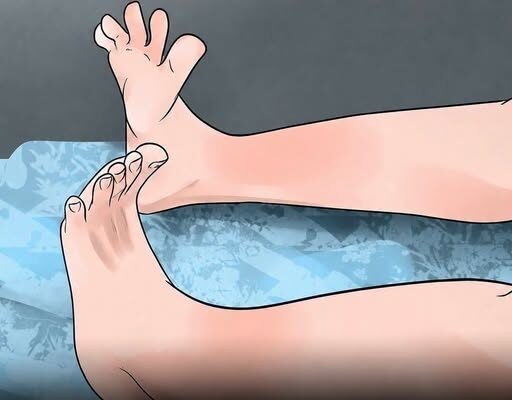
A nighttime leg cramp, sometimes called a nocturnal leg cramp, is a sudden and involuntary tightening of a muscle while a person is resting or sleeping. The muscle contracts without conscious control, producing sharp pain and visible or palpable tightness. The calf is the most frequently affected area because its muscles can remain shortened when the foot points downward during sleep.
These cramps are different from restless legs syndrome, which is an urge to move the legs often associated with uncomfortable sensations and relief through movement. They are also different from leg pain caused by an injury, circulation problem, nerve condition, or joint disorder. A classic cramp is a temporary muscle contraction, typically followed by gradual relaxation and possible lingering tenderness.
For many people, an occasional cramp does not indicate a serious health problem. However, repeated sleep disruption can have a meaningful effect on quality of life. Poor sleep may contribute to daytime fatigue, reduced physical activity, and worry about going to bed. It is reasonable to discuss cramps with a healthcare professional when they become frequent, severe, or associated with other symptoms.
Why Do Leg Cramps Happen at Night?
There is no universal explanation for nighttime leg cramps. Medical authorities note that the cause is often unknown, especially when a person is otherwise well. Researchers and clinicians have identified several possible contributors, but the presence of one factor does not prove that it caused an individual episode.
One explanation involves muscle position during sleep. When the toes point down, the calf muscles may stay in a shortened position. In some people, this may make the muscle more likely to contract suddenly. Cramps may also be linked to muscle fatigue, prolonged sitting, physical overexertion, dehydration after heavy sweating, pregnancy, aging, or some health conditions and medications.
The likelihood of cramps may increase with age. Changes in muscle and nerve function, lower activity levels, and other health factors can all become more common over time. Pregnancy is also associated with leg cramps, especially later in pregnancy, although anyone who is pregnant and experiencing new or troublesome symptoms should discuss them with their maternity care team.
Muscle Fatigue, Activity Changes, and Prolonged Sitting
Muscle fatigue may contribute to cramps in some circumstances. A sudden increase in walking, running, climbing, standing, or other physical activity can place more demand on muscles than they are accustomed to handling. Cramps may occur later, including during sleep, after an especially active day. This does not mean that exercise is harmful or should be avoided. Regular physical activity supports cardiovascular health, strength, balance, and mobility.
A more practical approach is to increase activity gradually. Someone beginning a new fitness routine may benefit from allowing time for recovery and avoiding abrupt jumps in intensity or duration. Comfortable footwear, an appropriate warm-up, and attention to muscle conditioning may also be useful depending on the activity.
Long periods of sitting or remaining in one position may be another relevant factor for some people. Office work, long journeys, and inactivity can limit normal leg movement. Taking brief movement breaks, standing periodically, and walking when practical can help maintain a regular activity pattern. These habits cannot guarantee that cramps will stop, but they are reasonable components of general muscle health.
Hydration and Electrolytes: What the Evidence Supports
Dehydration is frequently blamed for all muscle cramps, but the relationship is more complicated. Fluid loss can matter after prolonged exercise, hot weather, vomiting, diarrhea, or other situations that lead to significant sweating or illness. Replacing fluids appropriately is important for overall health, particularly for people who are physically active or exposed to heat.
However, drinking extra water is not a proven cure for every recurring nighttime leg cramp. People who are adequately hydrated can still experience cramps, and many episodes occur without an obvious fluid-related trigger. A sensible goal is to drink fluids regularly according to personal needs, activity level, climate, and advice from a clinician, especially for people with heart, liver, or kidney conditions who may have individualized fluid guidance.
Magnesium, potassium, calcium, and sodium play important roles in nerve and muscle function. Yet cramps alone do not confirm a deficiency. Research has not shown that magnesium supplements consistently prevent ordinary nighttime leg cramps in most adults. Supplements may be appropriate when a clinician identifies a specific deficiency or another medical reason, but self-treating with high-dose minerals can create risks. Potassium supplements in particular can be dangerous for some people, including those with kidney disease or those taking certain blood pressure medications.
Rather than assuming a supplement is needed, people with persistent cramps should seek professional advice. A clinician can consider diet, health history, medications, and whether blood tests or other evaluation are appropriate.
What to Do When a Nighttime Leg Cramp Starts
The immediate aim is to gently lengthen and relax the affected muscle. For a typical calf cramp, straighten the leg if possible and slowly pull the toes upward toward the shin. This stretches the calf in the direction opposite to the cramp. The movement should be controlled and within a comfortable range; forcing the stretch may worsen pain or cause injury.
If it feels safe to stand, placing the foot flat on the floor and carefully shifting weight onto the leg may also stretch the calf. Some people find that a short, gentle walk helps the muscle relax. Because a person may be disoriented after waking, caution is important. Turn on a light, use support if needed, and do not walk if pain, dizziness, or balance problems make it unsafe.
Gentle massage can provide comfort after the muscle begins to release. Applying warmth, such as a warm towel, heating pad used according to its instructions, or a warm shower, may help ease post-cramp tightness. A cool pack may feel more comfortable if soreness remains after the contraction. Avoid using intense heat directly on the skin or falling asleep with a heating device in use.
Most typical cramps improve with time, stretching, and calm movement. Severe pain that does not ease, or pain that is unlike a person’s usual cramp, deserves medical assessment rather than repeated self-treatment.
Bedtime Strategies That May Help Prevent Recurring Cramps
There is no prevention method that works for everyone, but several low-risk habits may help reduce episodes. Gentle calf stretching before bed is commonly recommended by medical organizations. One simple option is to stand facing a wall, place one foot behind the other, keep the back heel on the floor, and lean forward gently until a comfortable stretch is felt in the calf. Holding the stretch without bouncing may be more comfortable than sudden movement.
Some people also benefit from stretching the hamstrings and feet, particularly if cramps involve the thighs or arches of the feet. A physical therapist or clinician can provide individualized advice for people with mobility limitations, recent injuries, arthritis, or neurological conditions.
Regular movement during the day may be more beneficial than relying on a single quick fix at night. Moderate physical activity, gradual training progression, and breaks from long sitting periods can support muscle conditioning. People who notice a pattern after strenuous activity may consider reducing intensity temporarily and building back up more gradually.
It can be useful to keep a brief record of episodes. Note the time of the cramp, affected muscle, activity that day, fluid loss due to heat or exercise, sleep position, medication changes, and associated symptoms. This information may reveal a personal pattern and can help a healthcare professional evaluate recurrent symptoms.
Can Medications or Health Conditions Be Involved?
Some medicines are associated with muscle cramps or may contribute indirectly through fluid or electrolyte changes. Examples can include certain diuretics, which increase urination, as well as other medications depending on a person’s medical circumstances. This does not mean a prescribed medicine is necessarily responsible whenever cramps appear.
People should not stop, reduce, or switch medication without consulting the prescribing clinician. Instead, they should report when cramps began, how often they occur, whether they affect one or both legs, and whether symptoms followed a medication start or dose change. A clinician can assess possible causes and decide whether any treatment adjustment is appropriate.
In some cases, cramps may occur alongside conditions affecting nerves, circulation, metabolism, muscles, or the kidneys. An assessment is especially important when cramps are new, unusually persistent, accompanied by weakness or numbness, or significantly impair sleep and daily functioning. The purpose of evaluation is not to assume a serious diagnosis, but to rule out treatable contributors and distinguish cramps from other kinds of leg symptoms.
Why Quinine Is Not a Routine Treatment for Leg Cramps
Quinine was once used for nighttime leg cramps, but major health authorities caution against using it routinely for this purpose because it can cause serious side effects. These may include abnormal heart rhythms, bleeding-related problems, and severe allergic reactions. In the United States, the Food and Drug Administration has warned that quinine should not be used to treat or prevent night leg cramps.
Products marketed as rapid cures, high-dose supplements, or guaranteed cramp prevention should also be approached carefully. Claims that sound simple may not reflect the complex and often uncertain causes of nocturnal cramps. Evidence-based self-care and medical guidance are safer than relying on unverified remedies.
When Nighttime Leg Cramps Need Medical Attention
Occasional cramps that resolve with stretching are usually not an emergency. Nonetheless, medical advice is appropriate when cramps occur frequently, repeatedly interrupt sleep, cause substantial distress, or do not improve with basic measures. A clinician should also be contacted if cramps are associated with muscle weakness, numbness, changes in sensation, or symptoms that began after a new medication or dose adjustment.
It is particularly important not to label every painful leg symptom as a cramp. New swelling, redness, warmth, tenderness, or ongoing pain in one leg can be signs of a condition requiring urgent evaluation, including deep vein thrombosis, commonly called a blood clot in a deep vein. These symptoms need prompt assessment by a qualified healthcare professional.
Sudden shortness of breath, chest pain, coughing up blood, fainting, or a rapid heartbeat are emergency symptoms. Seek emergency medical help immediately if these occur, especially alongside leg swelling or pain. These signs may indicate a potentially serious problem and should not be managed at home.
The Bottom Line on Nighttime Leg Cramps
Nighttime leg cramps can be intensely painful, but most occasional episodes are temporary and not dangerous. Gentle stretching of the affected muscle, especially pulling the toes toward the shin for a calf cramp, is a commonly recommended first response. Careful walking, massage, and warmth may also provide comfort when used safely.
For prevention, focus on sustainable habits rather than miracle solutions: regular movement, gradual changes in exercise, gentle bedtime stretching, and appropriate hydration after fluid loss. Do not assume that cramps automatically mean a magnesium or potassium deficiency, and do not start supplements or stop prescribed medication without professional advice.
Most importantly, pay attention to changes. Frequent cramps, disrupted sleep, weakness, numbness, medication-related timing, or one-sided swelling and redness all deserve medical guidance. Knowing the difference between a typical short-lived cramp and symptoms that require urgent care can help protect both sleep and long-term health.
Sources
Disclaimer: This content is intended for entertainment purposes only and is not based on real events.