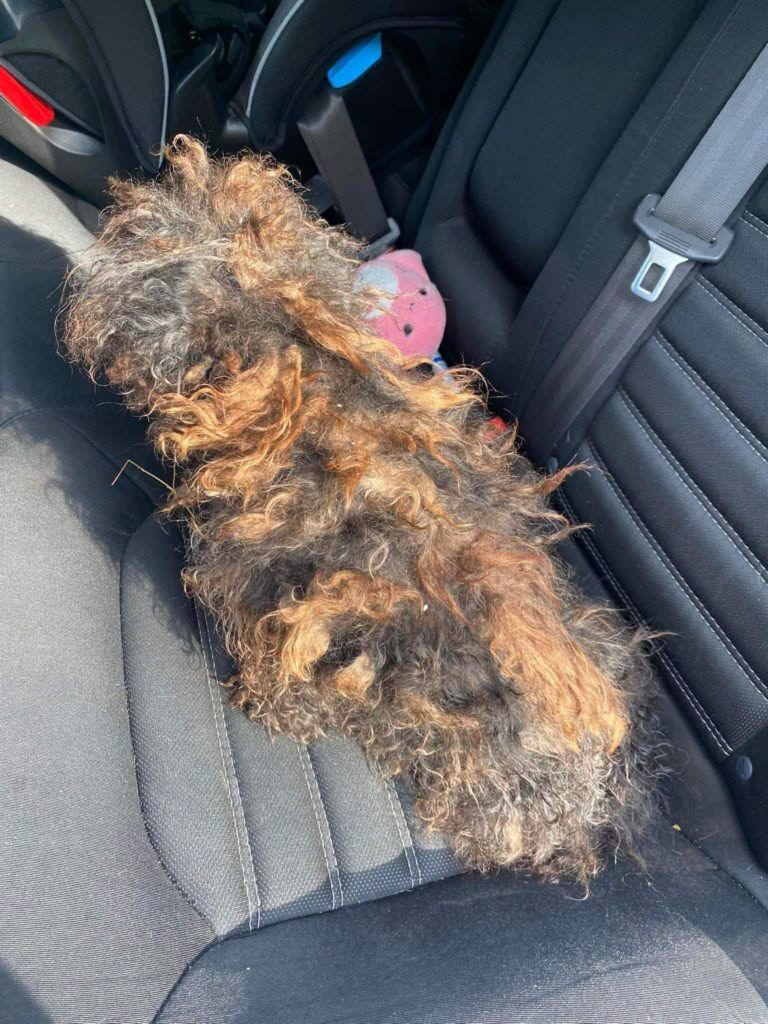

Rescue Beneath the Mats
A dog found beside a road in Missouri reportedly arrived at Mac’s Mission almost unrecognizable beneath heavily tangled, dirty fur. The brief account shared in the original report described volunteers carefully removing severe mats to assess the condition of the small dog underneath.
Cases involving neglected coats can be difficult for rescuers, veterinary professionals, and animal welfare organizations. A severely matted coat is not simply a cosmetic concern. It can restrict movement, trap moisture and debris against the skin, conceal wounds or parasites, and create significant discomfort. Yet responsible rescue work begins with patience, gentle handling, and a thorough medical assessment rather than assumptions about an animal’s condition or history.
While the original account does not provide verified details about the dog’s recovery, diagnosis, previous owner, or long-term outcome, it highlights a broader issue: regular grooming and timely veterinary care are essential parts of responsible dog ownership. It also reflects the role that shelters, rescue groups, foster families, and local communities can play when animals are found in distress.
Why Severe Matting Is a Serious Animal Welfare Concern
Matting occurs when loose hair becomes tangled and compressed into dense clumps. It can develop gradually, especially in dogs with long, curly, double, or fine coats. Breeds and mixes that require frequent brushing may be particularly vulnerable, but any dog can develop mats when grooming needs are not met.
According to veterinary guidance, mats can pull tightly on the skin and make normal movement uncomfortable. When the fur becomes densely packed, it may hide skin irritation, ticks, fleas, moisture-related infections, or injuries. In serious cases, a dog may be reluctant to walk, lie down, or allow people to touch sensitive areas.
For rescue workers, the visible coat is only one part of the assessment. Before and during grooming, trained staff or veterinary teams may look for signs of dehydration, poor body condition, dental disease, skin concerns, pain, and behavioral stress. They also consider whether the dog needs emergency treatment, blood testing, parasite control, nutritional support, or a quiet recovery space.
Because mats can be attached closely to delicate skin, attempting to cut them away at home with scissors can be dangerous. A sudden movement may result in an accidental skin injury. Professional groomers, veterinary technicians, and veterinarians use appropriate tools, handling methods, and safety precautions to remove severe matting as carefully as possible.
The Careful Work Behind a Rescue Grooming
Removing a severely neglected coat is often a slow process. Rescuers may first help the dog settle into a calm environment, offering water, warmth, and minimal stimulation. Dogs that have experienced neglect, abandonment, or prolonged discomfort can be frightened by unfamiliar people, sounds, and equipment.
Veterinary professionals may recommend pain management or sedation when grooming is likely to be painful or when a dog cannot safely tolerate the process while awake. This decision should be made by a qualified veterinarian after evaluating the animal’s health. Sedation is not used for convenience; in some situations, it can reduce fear, prevent injury, and allow for a more complete examination.
Once the coat is removed, caregivers can better see the dog’s body condition and skin. The transformation can be visually striking, but it is important to remember that a shaved coat is only the beginning of recovery. The animal may need weeks or months of treatment, nutrition, socialization, and stability before it is ready for adoption.
Rescue organizations frequently rely on a team effort. Volunteers may transport animals, wash bedding, provide foster care, photograph adoptable pets, or help raise funds. Veterinarians and veterinary staff provide medical expertise. Groomers may donate time or services. Supporters contribute supplies, adoption fees, and donations that help organizations respond when an animal arrives with significant needs.
What Responsible Recovery Can Look Like
Every rescued dog has different needs, and no single recovery timeline applies to all animals. A dog found with severe matting may require immediate grooming and medical attention, followed by monitored feeding, parasite prevention, vaccinations when appropriate, and follow-up visits. Some dogs also need dental care, treatment for chronic skin problems, or rehabilitation for mobility concerns.
Behavioral recovery matters as much as physical care. Dogs entering a shelter or rescue setting may be anxious, withdrawn, overly fearful, or uncertain around handling. A calm routine can help. Many organizations use quiet resting areas, positive reinforcement, gradual introductions, and foster homes to help animals build confidence.
Foster care can be especially valuable for dogs recovering from neglect. In a home setting, foster caregivers can observe eating habits, sleep patterns, reactions to visitors, and comfort around other animals. This information may help rescues identify the type of permanent home that best suits each dog.
Adoption decisions should prioritize long-term welfare rather than a quick outcome. Potential adopters benefit from understanding a dog’s grooming requirements, health history, energy level, and need for continued patience. For dogs whose coats require routine maintenance, a future family should be prepared for regular brushing and professional grooming appointments.
How Often Should Dogs Be Groomed?
Appropriate grooming schedules vary by coat type, lifestyle, and health. Short-haired dogs may need occasional brushing to remove loose fur and distribute natural oils. Dogs with long, curly, or continuously growing coats often require more frequent brushing and scheduled grooming. Owners should ask a veterinarian or qualified groomer for guidance tailored to their dog.
Daily or near-daily brushing is often helpful for dogs that are prone to tangles, particularly around the ears, collar area, legs, tail, belly, and underarms. These places are common sites for mats because of friction and moisture. A quick check after walks, rainy weather, swimming, or outdoor play can also prevent small tangles from becoming difficult to manage.
Warning signs that a dog may need prompt grooming or veterinary attention include a foul odor, persistent scratching, red or moist skin, reluctance to be touched, changes in walking, visible clumps of fur, or debris trapped near the skin. Owners should not wait until a dog is visibly uncomfortable before seeking help.
What to Do If You Find a Dog in Need
Anyone who finds a dog that appears abandoned, injured, severely matted, or unable to move comfortably should contact local animal control, a licensed veterinarian, a humane society, or an established rescue organization. If the dog is in immediate danger from traffic, extreme weather, or an unsafe location, the first priority is to alert local authorities and move only as safely as possible.
Approach an unfamiliar dog with care. Even a gentle animal may react defensively when frightened or in pain. Avoid sudden movements, loud voices, and direct pressure. If it is safe, note the location, take a clear photograph from a respectful distance, and report identifying details to the appropriate local organization.
Do not attempt complex medical treatment or severe coat removal without professional advice. Offering clean water may be appropriate in some circumstances, but feeding should be discussed with professionals if the animal appears extremely weak or medically compromised. A veterinary team can determine the safest next steps.
Supporting Animal Rescues Beyond Emergency Cases
The story of a dog hidden beneath tangled fur can prompt understandable sadness, but meaningful support extends beyond sharing a rescue post online. Local shelters and nonprofit organizations often need dependable help throughout the year. Donations can support examinations, vaccinations, medicine, food, transport, grooming supplies, and foster programs.
People who cannot adopt may still make an important contribution by fostering, volunteering, sharing verified adoption listings, or helping a neighbor access pet-care resources. Some communities offer low-cost vaccination clinics, spay-and-neuter programs, pet food assistance, and affordable grooming services. These programs can help families keep animals healthy and reduce the number of pets entering shelters.
Responsible reporting is important as well. Social media posts about rescue animals can raise awareness, but supporters should avoid spreading unverified claims about an animal’s background, medical status, or alleged neglect. Sharing information directly from the rescue organization, local authorities, or veterinary professionals helps protect both the animal and the integrity of the case.
Compassion, Prevention, and Long-Term Responsibility
The dog described in the original Missouri account represents a challenge seen by animal welfare workers in many communities: animals can suffer quietly when routine care is interrupted or unavailable. Severe matting may result from neglect, but it can also be associated with owner illness, financial hardship, lack of grooming knowledge, or an animal becoming lost for an extended period. The facts of each case should be determined carefully by appropriate authorities.
What is clear is that prevention is more humane and less costly than emergency intervention. Regular brushing, veterinary checkups, parasite prevention, appropriate nutrition, identification tags or microchips, and early help from local pet-support services can make a substantial difference.
For rescuers, the work of revealing the dog beneath the mats is not just about a dramatic change in appearance. It is about restoring comfort, evaluating health, and giving an animal a realistic chance at safety and stability. For the public, these stories can serve as a reminder that consistent everyday care is one of the most important forms of compassion a pet can receive.
Sources
Disclaimer: This content is intended for entertainment purposes only and is not based on real events.
