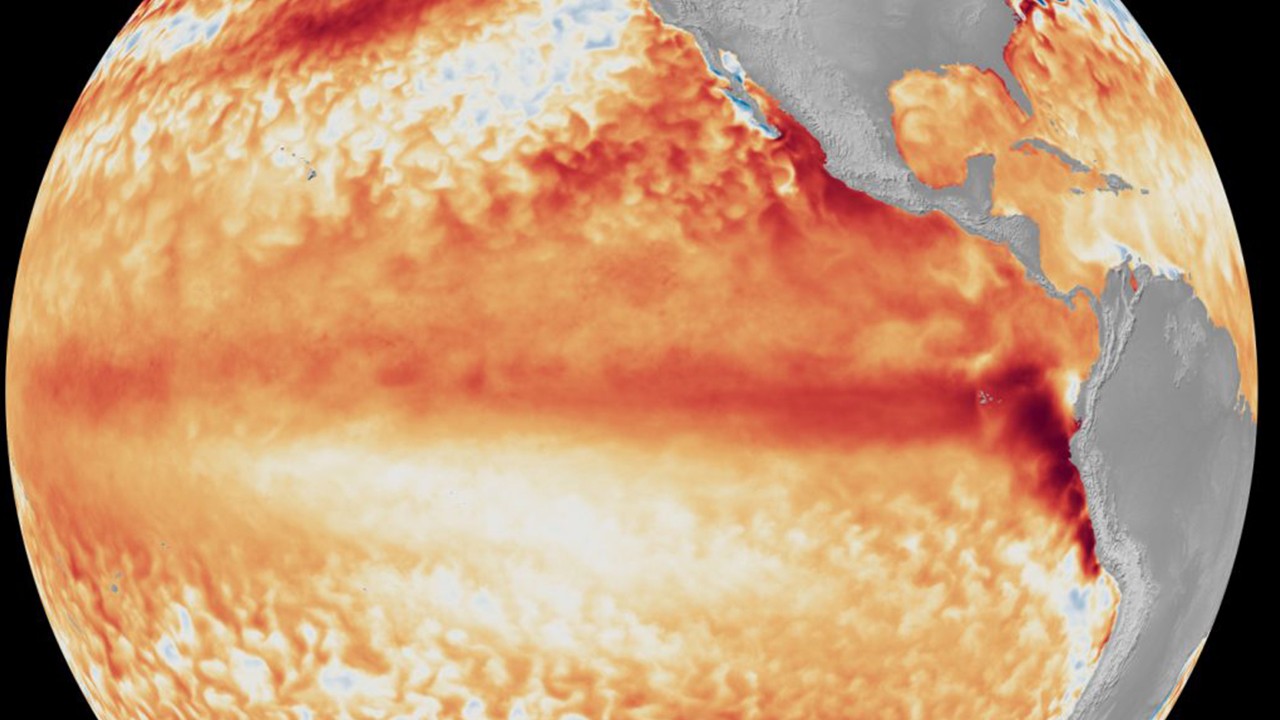

August 2026 Was the Warmest August on Record: Experts Warn Super El Niño Could Cause 450,000 Deaths
August 2026 broke global temperature records, underscoring the mounting scientific evidence that the Earth’s climate is rapidly changing. As researchers unveil new warnings linked to the ongoing Super El Niño event, the world faces an urgent reckoning with the risks and consequences posed by escalating extreme heat events.
The Scope of the Threat: Projected Mass Mortalities from Extreme Heat
Climate experts from leading research institutions are now warning that nearly half a million people could perish as a result of the current Super El Niño. According to a meticulous new scientific report, this powerful climate phenomenon may push the global death toll from heat-related causes to an estimated 451,000 additional deaths in the coming months.
The multi-disciplinary study is led by Professor Michael Greenstone, co-founder of the University of Chicago’s Climate Impact Lab, which specializes in quantifying the social and economic impacts of climate change. Explaining the implications, Greenstone remarked, “The estimate of 451,000 people is such a large number that it can be numbing, but it is made up of parents and children, grandparents and neighbors, people going to work, caring for families, and living their lives.” His statement highlights the tangible personal and societal impacts that underlie statistical projections.
The researchers project that these excess deaths would likely occur between September 2026 and February 2027, with potentially lingering effects into July of the following year. These numbers are based on sophisticated models blending observed data on how temperature spikes correlate with mortality across diverse regions.
Countries at Greatest Risk
Some of the world’s most populous and climate-vulnerable nations are expected to see the greatest impact. According to the study, Nigeria, Indonesia, Brazil, India, and Sudan face the highest risk in terms of excess heat-related deaths. Even highly developed countries are not immune; for example, projections for the United States suggest approximately 3,500 additional fatalities in the likely scenario.
Understanding Super El Niño and Its Far-Reaching Impacts
El Niño is a naturally occurring climatic event characterized by warmer-than-average ocean temperatures in the central and eastern Pacific. When these conditions are especially intense, meteorologists classify the pattern as a “Super El Niño.” Such events have profound effects on global weather, dramatically disrupting rainfall, temperature, and storm patterns across continents.
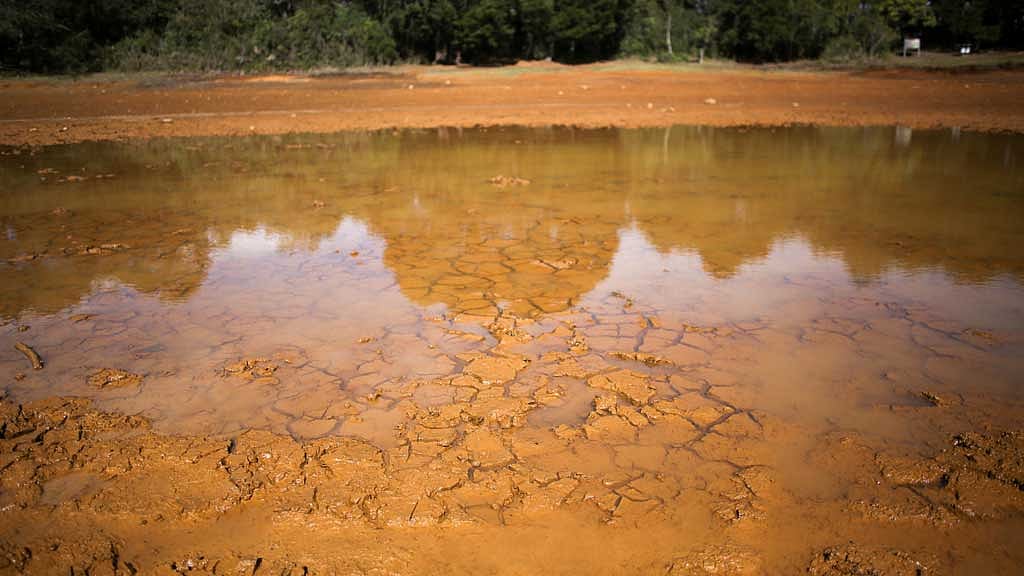
During a Super El Niño, entire regions may face extreme heatwaves, prolonged droughts, catastrophic flooding, and wildfires. These phenomena threaten both human health and the essential systems that support life, such as agriculture and clean water supplies.
Worsening Acute Hunger for Millions
The current Super El Niño is not just a threat to public health—it also poses serious risks for global food security. According to the World Food Programme, 2026’s abnormal weather patterns could plunge 50 million additional people into acute hunger. These impacts are felt most sharply in vulnerable developing countries, where many depend on subsistence farming and have limited safety nets for coping with failed harvests or soaring food prices.
Already, food prices are rising in many parts of the world, driven by drought, flooding, and supply chain disruptions linked to climate extremes. As food becomes scarcer and costlier, the risk of malnutrition and famine grows, particularly for children, the elderly, and those living in poverty.
Historically, El Niño events have brought devastating humanitarian crises. The infamous 1877–1878 Super El Niño resulted in famine and disease that took over 50 million lives globally, with India, Brazil, and China especially hard-hit. Modern science and infrastructure may blunt the worst effects now, but the risks remain formidable, as this year’s projections make clear.
Scientific Analysis: Methodology Behind the Predictions
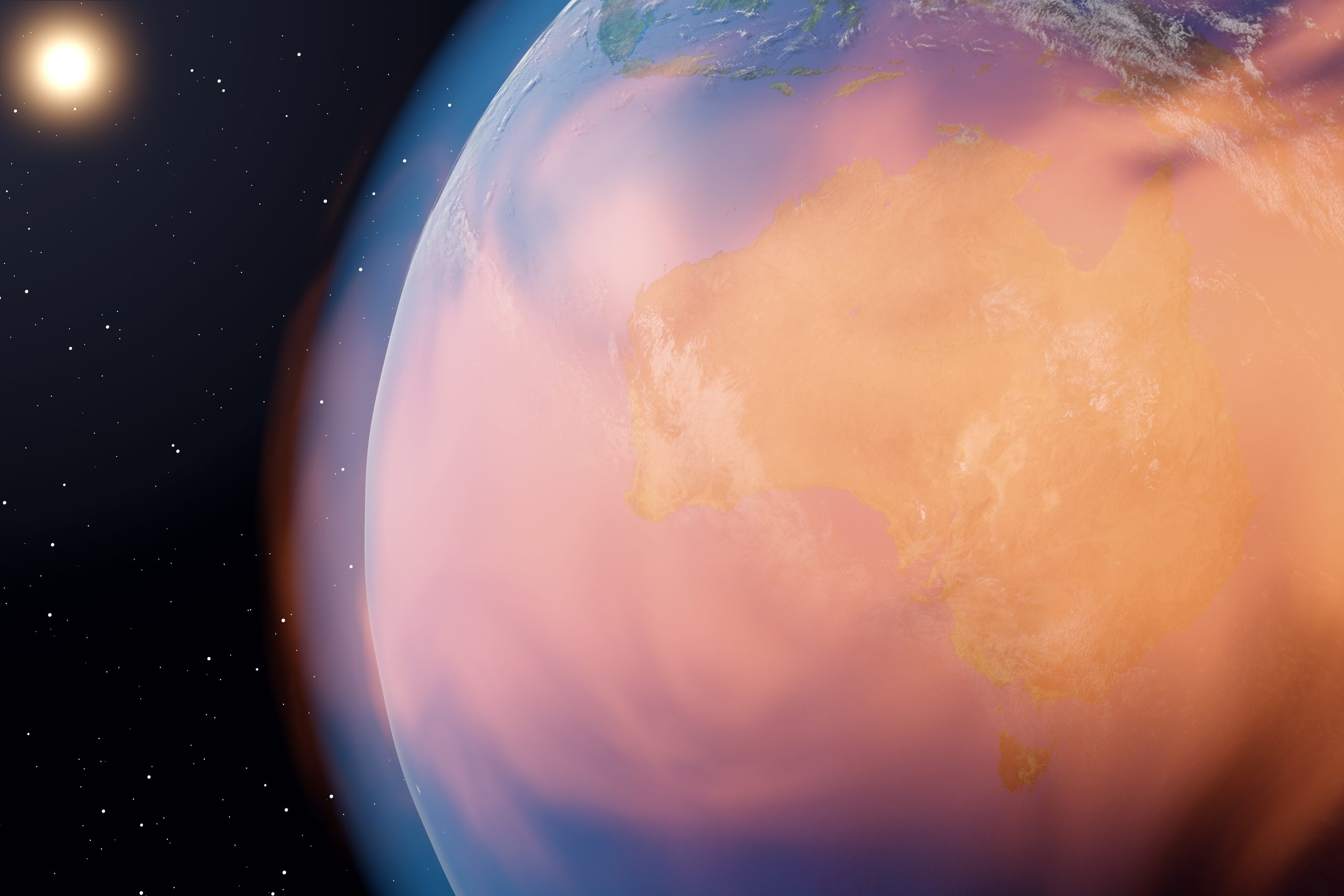
The research team led by Professor Greenstone and Dr. Tamma Carleton from the University of California, Berkeley, analyzed historical data spanning 24,378 regions worldwide. They examined how excess mortality from heat has changed year-on-year, month-by-month, and correlated this with temperature anomalies during previous El Niño episodes. Integrating this data with temperature forecasts for late 2026 and early 2027, they developed a robust model for likely excess deaths attributable to heat caused by the Super El Niño.
The projected scale of mortality emphasizes that current heat response strategies may be insufficient in the face of compounding climate risks. As Dr. Carleton stressed, “Increasing emergency response and better targeting our efforts can save many lives this year. But 20 years from now, once today’s extreme temperatures become the new normal, we don’t want to be in a constant state of emergency. We need to mobilize now to design, deploy, and evaluate the tools that will save lives in the years ahead.”
Why Is This Super El Niño So Dangerous? Increased Risk in a Warmer World
While El Niño events have periodically caused global disruptions for centuries, scientists argue that today’s situation is especially dangerous. The ongoing warming trend, primarily driven by human emissions of greenhouse gases, means that the baseline global temperature is already much higher than in previous eras.
Professor Friederike Otto, an expert in climate science at Imperial College London, explained to The Guardian, “The current [Super El Niño] event is a huge redistribution of energy in the climate system and is dangerous, because it is unfolding on top of a much warmer, human-influenced climate system.” She warns this amplifies extremes, making heatwaves (including those without precedent within the historical record) more likely, with far-reaching effects on health, food security, and access to water.
Communities all over the globe will likely experience previously unseen heat extremes, exposing health, infrastructure, and economic systems to stress levels for which they may be unprepared. This is not just a matter of temperature records; heatwaves now last longer, affect more people, and cause cascading impacts, including wildfires, power blackouts, and water shortages.
Societal and International Reactions: A Critical Need for Coordination and Adaptation
The warnings from scientists and humanitarian agencies are sparking vigorous discussion among policymakers, civil society, and international organizations. The question confronting the global community is how to mitigate risks, both in the emergency phase of the current Super El Niño and for a future where such climate extremes are ever more common.
Countries are urged to strengthen emergency preparedness: this means expanding public health systems, improving heat alert systems, ensuring access to cooling centers, and providing emergency aid to communities at risk. For food insecurity, responses must include supporting small farmers, reinforcing international food supply chains, and rapidly mobilizing food aid to at-risk regions.
Experts also stress the importance of long-term adaptation and resilience. Investments in climate-resilient infrastructure—including water storage, drought-resistant crops, and reliably cooled public spaces—will be crucial. On a broader scale, decisive action to reduce greenhouse gas emissions is widely considered essential to preventing even worse outcomes in the decades ahead.
International organizations, including the United Nations and the World Health Organization, are supporting country-level preparations. The World Food Programme and UNICEF are also coordinating aid for vulnerable populations, while global scientific bodies urge governments to utilize robust data in their response planning.

Expert Opinions: Bridging Research and Action
The message from climate researchers is clear: while immediate action can reduce the toll from this Super El Niño, there is a pressing need for governments to anticipate and adapt to an era of hotter, less predictable climates. Knowledge gained from the current crisis should inform new standards in emergency preparedness, urban planning, and public health policy.
Dr. Carleton and her team advocate not only for responsive emergency measures, but also for forward-looking investments in science, technology, and social safety nets. Their research stands as an urgent call for the global community to shift from crisis management to proactive, sustained action on climate adaptation.
What Lies Ahead?
The historic heat of August 2026 and the ongoing Super El Niño serve as vivid reminders that the world is now navigating a new climatic reality. While the threat is grave, coordinated science-based preparation, international solidarity, and sustained investment in resilience can help save lives and protect livelihoods even as the global climate continues to change.
As warnings mount, policy attention is turning to both near-term emergency response and long-term strategies to adapt societies to rising risks. The scientific consensus is resounding: we must act now—locally, nationally, and globally—to blunt the effects of extreme climate phenomena and build a sustainable future for all.
Disclaimer: This content is intended for entertainment purposes only and is not based on real events.
