

Stacey Humphreys, 53, was scheduled to be executed on September 16 in Georgia after nearly 20 years on death row. But just hours before he was set to be put to death, a judge stepped in and halted the execution.
Humphreys was sentenced to death for the 2003 murders of Cyndi Williams, 33, and Lori Brown, 21.
The two women were working as real estate agents in Powder Springs, Georgia, when Humphreys attacked them.
According to the Georgia Office of the Attorney General, he forced the women to give him their bank PINs before fatally shooting them. He then took their driver’s licenses, bank and credit cards and withdrew more than $3,000 from their accounts.
Five days after the attack, Humphreys was arrested in Wisconsin. His trial took place in 2007, and a jury found him guilty and unanimously recommended the death penalty.
He has now spent almost two decades on death row. His execution date was set for September 16, but with just hours to go, a judge stepped in and put everything on hold.

Survivor Justice Act
Cobb County Superior Court Judge Tyler Browning issued a last-minute stay, ruling that Humphreys should have the chance to argue that the Survivor Justice Act applies to his case.
The law took effect in July 2025 and allows certain people convicted of crimes to seek resentencing if severe childhood abuse or family violence significantly contributed to the offenses.
Humphreys’ attorney, Brian Kammer, has argued that his client’s history of severe childhood abuse played a role in the actions that ultimately landed him on death row.
The state, however, has argued that the Survivor Justice Act was never intended to give death row inmates another opportunity to introduce evidence of childhood abuse.
But after reviewing the law, Browning determined that its language does not specifically exclude Humphreys from attempting to use it as part of his defense.
The state appealed Browning’s decision to the Georgia Supreme Court, asking the court to determine whether Humphreys is entitled to a hearing under the new law. However, the state’s high court declined to consider the appeal on an expedited basis, leaving the stay in place, according to CBS News.

His execution was put on hold
Humphreys was originally scheduled to be executed last year. That execution was delayed after his lawyers asked a judge to remove two members of the State Board of Pardons and Paroles from his clemency hearing.
Now, his execution has once again been put on hold. The Georgia Supreme Court left the stay in place while the state’s appeal moves forward, and the Cobb County judge calls on the parties to schedule a hearing in about 60 days, according to the Georgia Recorder.
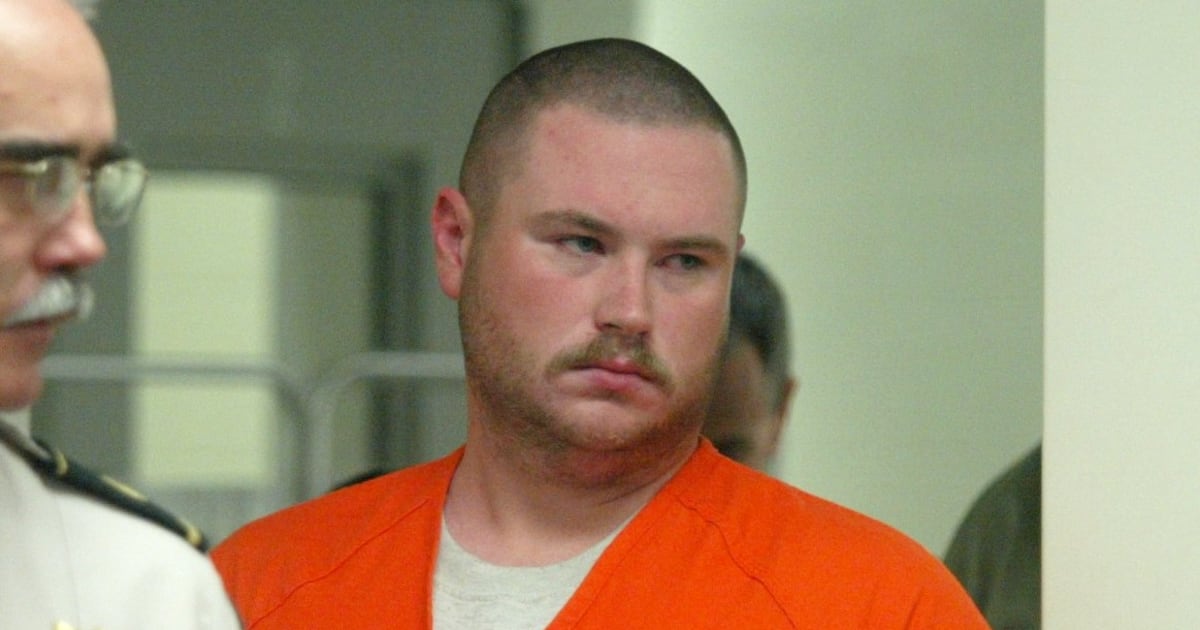
The Legal Battleground: Interpreting the Survivor Justice Act
The legal intervention surrounding Stacey Humphreys’ scheduled execution has thrust the newly enacted Survivor Justice Act into the national spotlight, setting up a high-stakes legal clash in Georgia. Passed to address situations where severe, chronic childhood trauma or family violence directly influences a defendant’s path toward criminal behavior, the statute has become a vital lifeline for defense teams seeking post-conviction relief in historical capital cases.
For decades, the standard judicial approach in capital sentencing has heavily weighted the immediate facts of the crime, often limiting the scope of mitigating childhood trauma presented during initial trial phases. However, defense attorney Brian Kammer argues that the Survivor Justice Act was specifically designed to rectify historical oversights, offering a legislative avenue to re-evaluate how profound psychological damage affects moral culpability.
Conversely, state prosecutors have strongly contested this interpretation, maintaining that the law was never intended to serve as a revolving door for death row inmates to endlessly relitigate decades-old convictions. The attorney general’s office has emphasized that allowing such retroactive challenges threatens the finality of long-standing jury verdicts, particularly in cases involving violent multi-victim homicides where families of the victims have waited nearly twenty years for closure.
Looking Ahead: The Imminent Hearing and Judicial Precedent
With the Georgia Supreme Court declining to fast-track the state’s appeal, the immediate legal battlefield returns to the Cobb County Superior Court. Judge Tyler Browning’s directive calling for a formal hearing within approximately sixty days will require both legal teams to present detailed arguments regarding whether Humphreys meets the specific statutory criteria outlined in the 2025 legislation.
This upcoming proceeding is expected to establish a crucial legal precedent across Georgia. If the court permits Humphreys to formally introduce evidence of his childhood abuse under the Survivor Justice Act, it could open the floodgates for other long-term death row inmates seeking similar resentencing hearings. On the other hand, a ruling siding with the state could effectively close the door on similar retroactive claims, reinforcing the legal boundaries of the statute.
As the judicial clock ticks down toward the scheduled hearing, the case of Stacey Humphreys remains a complex intersection of evolving criminal justice reform, victim advocacy, and the enduring debate over capital punishment in America. For now, the stay remains firmly in place, leaving both legal camps bracing for a definitive ruling that could reshape the future of his sentence.
