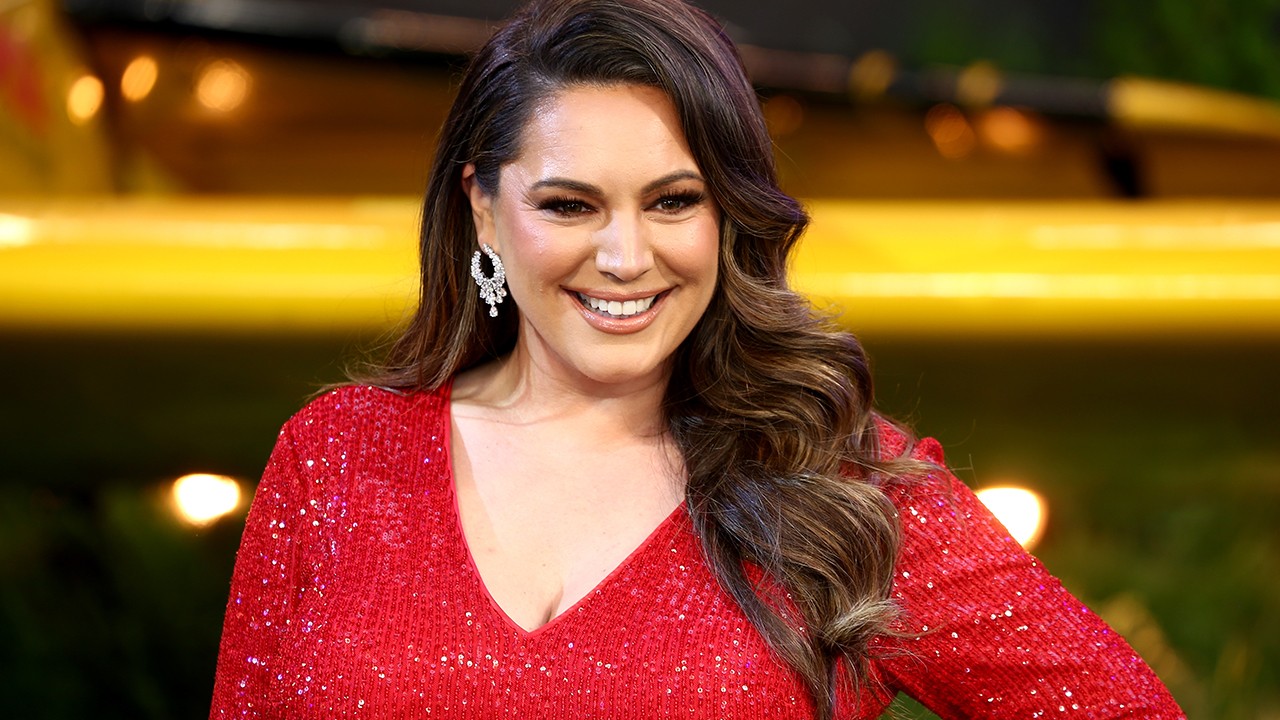

The Changing Definition of the Perfect Body: Kelly Brook and the Science, Myth, and Meaning of Beauty
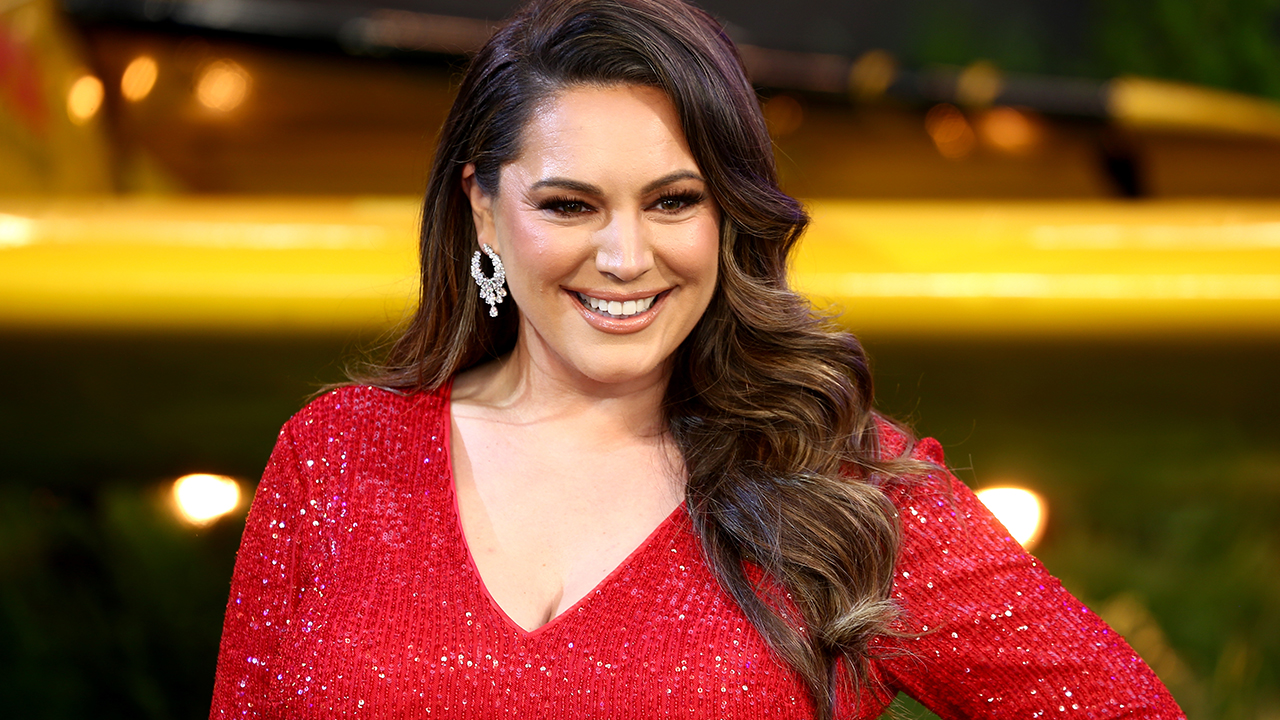
Imagine for a moment the excitement in the world of modeling decades ago, where seemingly overnight, a young British woman rose to fame and captured headlines. Kelly Brook, with her striking appearance and genuine personality, became a symbol of beauty at a time when definitions of “perfection” were constantly shifting. Her journey, one that began in her teens, is both a personal tale and a cultural reflection—inviting us to explore how science, society, and individual experience shape our understanding of attractiveness.
The Elusive Ideal: Myth, Media, and Kelly Brook’s Rise to Fame
For countless generations, the concept of the “perfect body” has been a subject of discussion, art, and sometimes fierce debate. Artistic masterpieces and classic cinema, advertising campaigns, and magazine covers, all have featured women and men whose proportions reflected the changing tastes of their era. But what happens when science enters the conversation?
Kelly Brook entered the modeling world at a young age. Her first photo shoots, completed as a teenager, caught the attention of major agencies and set the tone for a career that would include acting, television, and presenting. She herself has commented on the unusual experience, noting, “When you look at those pictures from that time, I had the body of a porn star and the face of a child,” highlighting the complex emotions that come with early fame and intense scrutiny.
Body Standards Through History: The Power of Perception
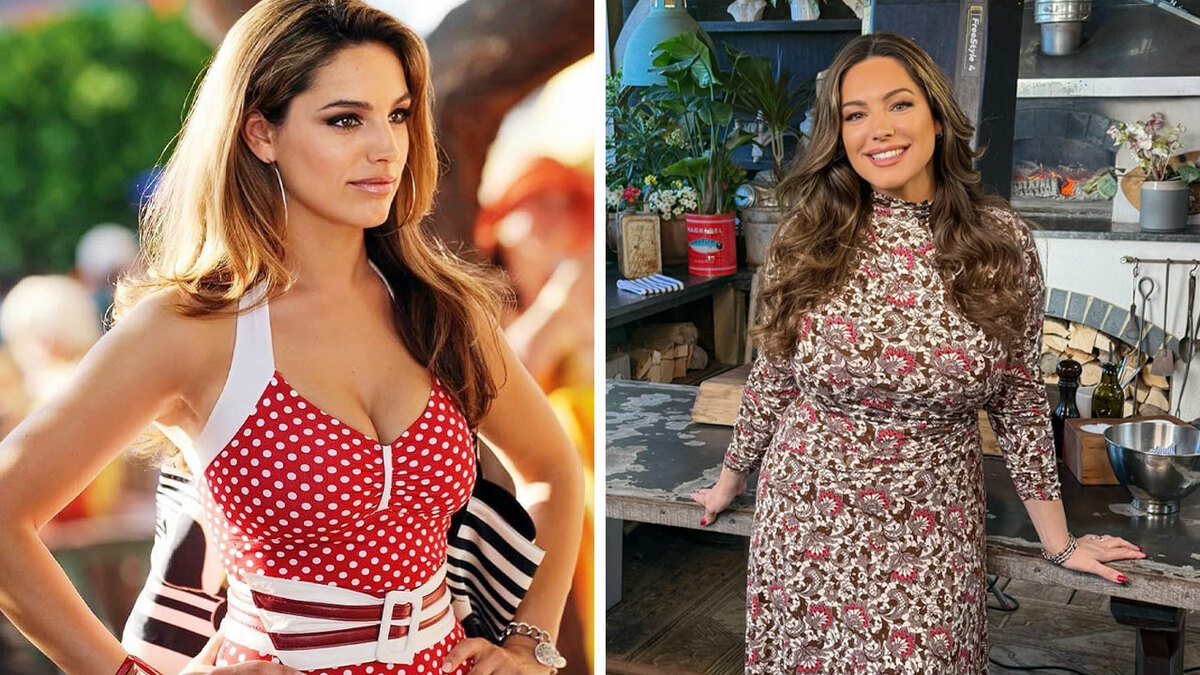
From the voluptuous statues of antiquity to the slender silhouettes of the 1960s, ideals of beauty continuously evolve. Often, the shape or size deemed “perfect” is more a reflection of social values than scientific measurement. For Kelly Brook, her journey involved confronting these shifting standards head-on. As her career grew, so did public curiosity about her relationships and appearance. Magazine articles, television shows, and online discourse regularly focused on her weight and how it compared to others in the public eye.
“Being skinny doesn’t mean I’m happy – [when I had personal problems], I just used to lose my appetite,” she explained, describing how changes in her personal life sometimes led to unintentional transformations in her appearance. Despite challenges, Brook continued to redefine her identity beyond numbers and headlines, showing resilience in the face of fluctuating beauty standards.
‘Scientifically Perfect Body’: What Does the Research Say?
For years, the public, and even scientific journals, have debated what constitutes ideal proportions. Brook became linked with claims of the “world’s most scientifically perfect body,” a phrase rooted in research, notably by the University of Texas. These studies investigated the characteristics people found attractive, focusing on the relationship between body mass index (BMI) and curvaceousness. The consensus suggested that a relatively low BMI paired with pronounced curves in bust, waist, and hips matched perceptions of female beauty.
At the time, Brook’s measurements—1.68 meters tall, a 99cm bust, 63cm waist, and 91cm hips—were remarkably close to the ratios highlighted in these findings. The association between her physique and the scientific study quickly became popular in media, contributing to her lasting reputation as a possible embodiment of the “perfect body.”
Myth Versus Reality: Criticism and Changing Attitudes
Science may offer one perspective, but real life brings another. Despite her success, Brook faced criticism, especially from social media. In 2017, after sharing a swimsuit photo online, she was subjected to negative comments, some referring to her as a “beached whale.” Her response: “I have Lovely Smart people follow me on social media who I like talking with! I will not let the negativity of a few stop me sharing.” (Source)
Brook’s experience illustrates how perception is shaped not only by scientific findings, but also by social expectations and personal resilience. Her journey shows that “perfection” is not an absolute—it is subject to the lens through which it is viewed, and the cultural moments in which it is discussed.
Embracing Curves and Confidence: New Messages for a New Era
In recent years, Brook has become a champion for self-acceptance and positive body image. As an ambassador for fuller-bust lingerie collections by Next, she emphasizes that modern confidence is less about comparison and more about authenticity. “Over time, I’ve learned to love my body rather than criticize it,” she stated in a Hello! interview. “Confidence is about celebrating curves, softness and strength, and feeling proud of the woman you are today, not who you were 10 years ago.”
The message echoes a broader societal shift: beauty is not one size or shape, but diverse and evolving. Today, the industry increasingly supports broader representation, including women of all ages and body types. Brook exemplifies this new definition—her image continues to inspire others to appreciate themselves and promote kindness over criticism.
Scientific Perspectives: Genetics, Health, and Attraction
While media and culture often drive ideals, scientific perspectives offer more nuance. Researchers explore how genetics, health, environmental factors, and evolutionary psychology influence preferences. The University of Texas study, for example, concluded that perceptions of female beauty were often linked to cues indicating reproductive health, but cautioned that these findings only represent a piece of a much larger puzzle. Other scientists emphasize how social context, personality, and individual experience intertwine with physical traits to form what each person finds attractive.
Speculation continues: Could there ever be a universal definition of beauty? Most experts agree that such a prospect is unlikely. Beauty is subjective, shaped by our backgrounds, beliefs, and personal stories—making it both a scientific interest and a cultural journey.
Cultural Significance: Beyond Numbers and Formulas
Brook’s story is, in many ways, symbolic. Her measurements may have matched scientific studies, but her impact extends far beyond formulas. She is celebrated for her resilience, kindness, and evolving sense of self. Through ups and downs, she reminds audiences everywhere that “confidence doesn’t come from trying to fit a mold, it comes from feeling comfortable in your own skin.”
The myth of the “perfect body” has served as both inspiration and challenge. Artistic representations, scientific models, and media features each contribute to the conversation, but the meaning is ultimately shaped by individual experience. Brook’s message—embracing authenticity and acceptance—resonates in today’s world, where both myth and science are balanced by personal perspective.
Reflection: The Human Quest for Meaning and Beauty
At the intersection of science, media, and cultural myth lies our endless curiosity about beauty. Kelly Brook’s story, woven through decades of change, reminds us that “perfection” is elusive because it is always changing. What was once celebrated as ideal might be seen differently tomorrow, shaped by new discoveries and changing values.
The journey from scientific study to media myth, from criticism to celebration, illustrates the complexity of human perception. Through stories like Brook’s, we see ourselves—not in search of a single idea of beauty, but embracing diversity, uniqueness, and confidence. In every era, the quest for meaning is shaped by both external measures and internal truths. Our curiosity drives us to explore, discuss, and ultimately redefine what beauty means, again and again.
Disclaimer: This content is intended for entertainment purposes only and is not based on real events.
