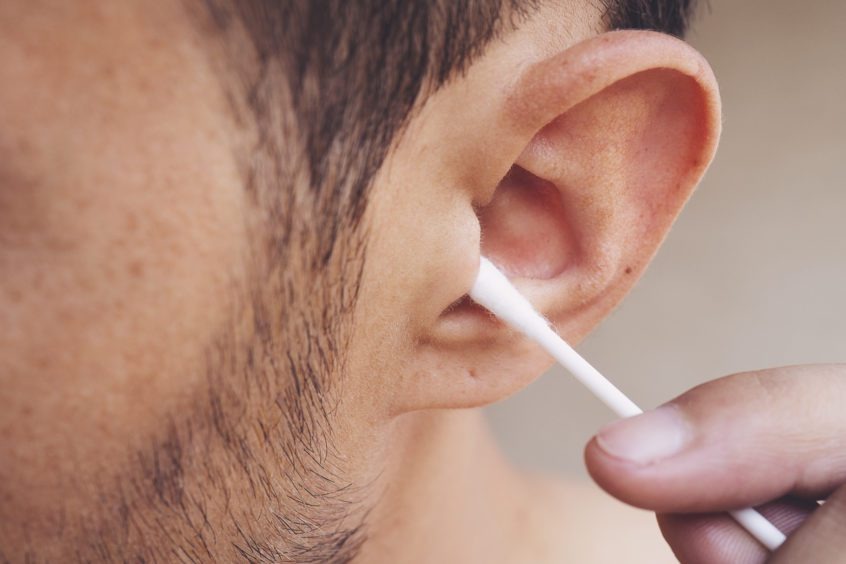

Most people rarely think about earwax unless they are cleaning their ears or noticing temporary discomfort. Yet this small and often misunderstood substance has recently become the center of growing online discussions about wellness and preventive care.
Health experts explain that earwax, also known as cerumen, is not simply “dirt” that needs constant removal. In fact, it plays an important protective role inside the ear canal.
As conversations about natural health and body awareness continue spreading online, many people are becoming more curious about the subtle signals the body provides. Among those signals, ear health is gaining more attention than ever before.
While earwax alone cannot diagnose medical conditions, changes in color, texture, or buildup may sometimes reflect environmental factors, hygiene habits, or general ear health.
Understanding these small clues can help people become more aware of their overall well-being without jumping to alarming conclusions.

What Earwax Actually Does
Earwax serves several important functions inside the body.
According to experts in Otolaryngology, earwax helps trap dust, dirt, bacteria, and tiny particles before they travel deeper into the ear canal.
It also helps lubricate the skin inside the ear and may reduce irritation caused by dryness or environmental exposure.
Without earwax, ears would actually become more vulnerable to discomfort and external debris.
This natural cleaning system is surprisingly effective. In many cases, the body gradually moves older wax outward on its own through jaw movement and normal skin migration.
Why Earwax Looks Different From Person to Person
One reason earwax often sparks curiosity is because its appearance varies significantly between individuals.
Some people naturally produce soft golden wax, while others may notice darker, drier, or more grayish tones. These differences are usually harmless and influenced by multiple factors including environment, genetics, age, and daily activity.
For example, people living in dusty environments may notice slightly darker or grayish earwax because small particles become trapped inside the protective wax.
Similarly, older wax naturally darkens over time as it dries and oxidizes.
Experts in Dermatology note that these variations are typically normal parts of the body’s natural maintenance process.
The Internet’s Growing Fascination With Everyday Health Clues
In recent years, social media has fueled widespread interest in subtle physical signs connected to wellness.
People increasingly search for simple indicators that might reflect hydration, nutrition, stress levels, sleep quality, or overall health. Earwax discussions fit naturally into this trend because they involve something ordinary that most people rarely think about.
Online wellness culture often encourages individuals to pay closer attention to their bodies. While this awareness can be positive, medical professionals also caution against self-diagnosis based solely on internet information.
Balanced understanding is important.
Small physical changes can sometimes reflect harmless lifestyle factors rather than serious health concerns.
Common Ear Care Mistakes
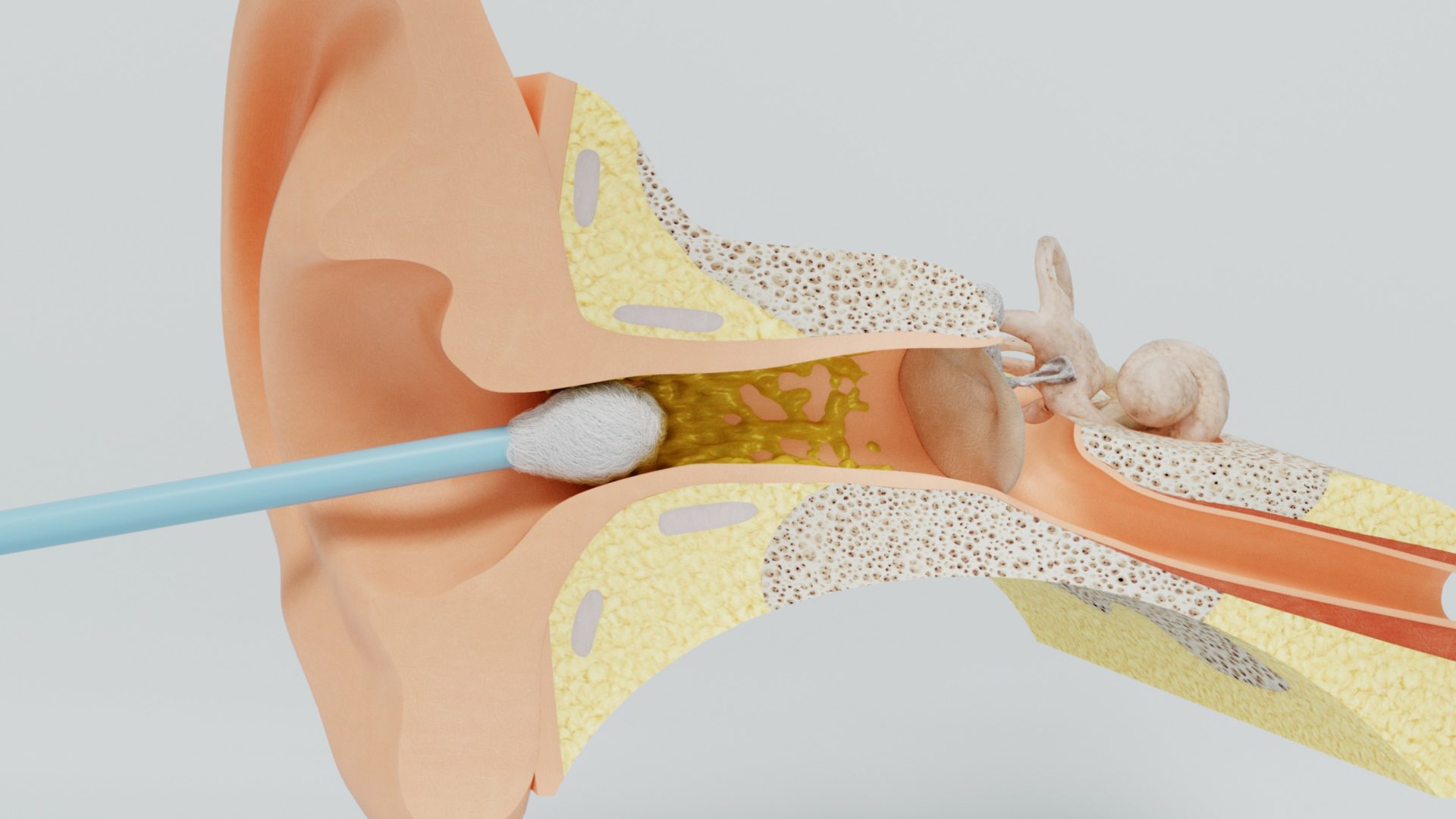
One of the most common misconceptions about ear health involves cotton swabs.
Many people routinely insert swabs deep into the ear canal believing they are cleaning effectively. However, medical professionals frequently warn that this habit may actually push wax deeper rather than removing it.
This can potentially lead to temporary blockage, irritation, or discomfort.
Experts from organizations such as American Academy of Otolaryngology generally recommend cleaning only the outer ear while allowing the body’s natural cleaning process to work internally.
In many cases, less intervention leads to healthier ears.
How Lifestyle Can Affect Ear Health
Several everyday habits may influence overall ear comfort and wellness.
Hydration plays an important role because dry environments and dehydration can sometimes affect skin and wax consistency. Excessive moisture exposure, such as prolonged water trapped in the ears after swimming, may also create irritation in some individuals.
Noise exposure is another important factor.
Experts in Audiology emphasize the importance of protecting hearing from prolonged loud environments. Using ear protection during concerts, construction work, or high-volume headphone use may help support long-term hearing health.
Simple preventive habits often make a significant difference over time.
Why People Are Becoming More Interested in Preventive Wellness
Modern wellness trends increasingly focus on prevention rather than reaction.
Instead of waiting for major symptoms, many individuals now pay attention to subtle physical signals that may encourage healthier routines. Ear health fits into this broader movement toward body awareness and proactive self-care.
Medical professionals generally support this mindset when balanced with evidence-based information and professional guidance.
Paying attention to unusual or persistent changes can be useful, especially if accompanied by discomfort, hearing difficulty, or irritation.
At the same time, experts caution against assuming every variation indicates a serious problem.
The Science Behind the Body’s Natural Systems
The body constantly performs countless maintenance functions without conscious effort.
Earwax production is simply one example of these natural protective systems working quietly in the background. Similar systems exist throughout the body, from tear production in the eyes to mucus protection in the respiratory system.
Researchers in Human Physiology explain that many natural secretions serve important protective purposes even if people view them as unpleasant or unnecessary.
Understanding these systems can help reduce unnecessary anxiety and encourage healthier habits.
When Professional Advice Matters
Although most earwax variations are harmless, persistent symptoms should always be evaluated by qualified professionals.
Signs such as ongoing discomfort, sudden hearing changes, ringing sensations, or irritation may require medical attention to rule out infections, blockage, or other underlying issues.
Healthcare providers can safely examine and clean the ear canal if necessary without causing additional irritation.
Experts consistently advise avoiding home remedies or aggressive cleaning methods that may accidentally damage sensitive ear structures.
Why Everyday Health Topics Go Viral Online
Part of the reason articles about earwax and body signals spread so widely online is because they combine curiosity with practicality.
People enjoy learning about small details that feel personally relevant to everyday life. Unlike complicated medical discussions, simple wellness topics are easy to understand and share.
At the same time, these conversations remind people that health is often connected to ordinary daily habits rather than dramatic interventions.
Sometimes the most useful wellness insights involve small routines repeated consistently over time.
The Connection Between Awareness and Balance
There is an important balance between paying attention to the body and becoming overly anxious about normal variations.
Experts in Health Psychology encourage mindful awareness without excessive fear or self-diagnosis.
The body naturally changes from day to day depending on sleep, hydration, environment, diet, and stress levels.
Understanding this variability helps people interpret minor changes more calmly and realistically.
Reflection on Human Curiosity and Everyday Health
The growing fascination with earwax may seem unusual at first, but it reflects something deeply human: people are naturally curious about their own bodies and how health works.
What was once dismissed as an unimportant detail is now being reconsidered as part of a larger conversation about preventive care, self-awareness, and wellness.
Perhaps the biggest lesson is not that earwax contains secret answers, but that the body constantly provides small signals worth understanding thoughtfully and calmly.
Sometimes ordinary things reveal the most interesting insights — not because they are mysterious, but because they quietly remind us how remarkably complex the human body truly is.
Sources
• American Academy of Otolaryngology
• Mayo Clinic
• Cleveland Clinic
• National Institutes of Health
• Harvard Health Publishing
