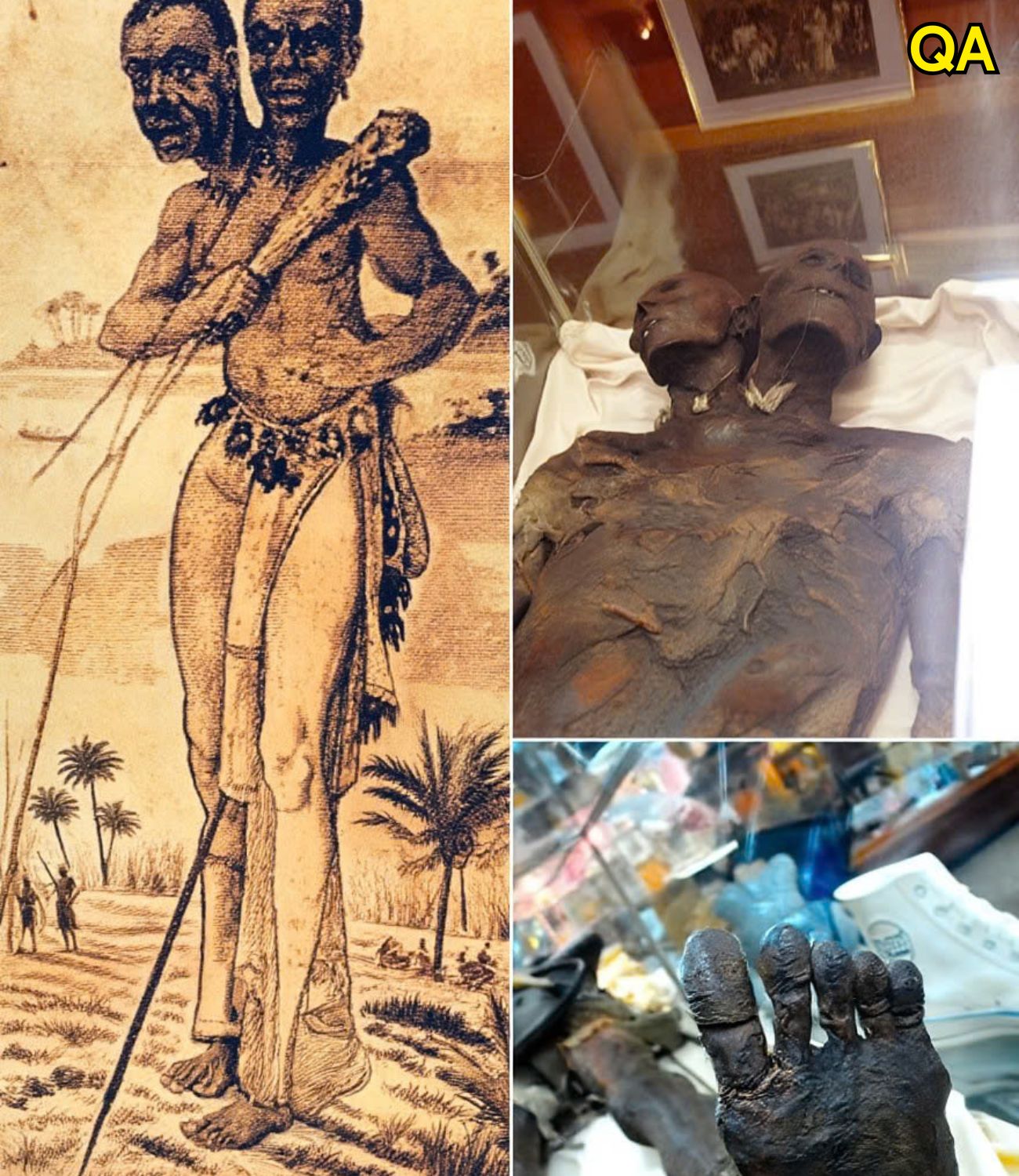

In the windswept landscapes of Patagonia, where rugged mountains meet endless plains and powerful ocean currents shape the southern edge of South America, stories of mysterious giants have circulated for centuries. Among the most unusual of these tales is the legend of Kap Dwa, a towering humanoid figure said to possess two heads on a single enormous body.
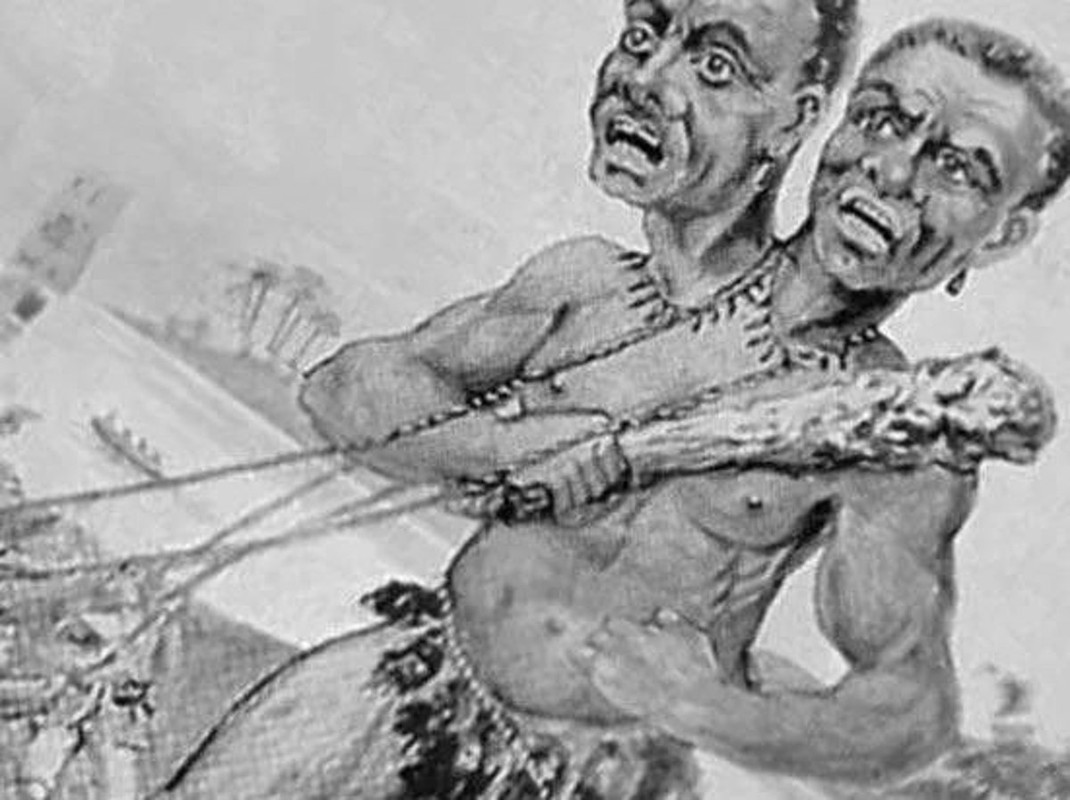
The story has fascinated explorers, historians, folklorists, and internet audiences for generations. Descriptions of the mysterious figure vary, but most versions portray Kap Dwa as a colossal being standing more than 12 feet tall with two fully formed heads and unusual skeletal proportions.
Over time, the legend evolved beyond folklore when an alleged preserved mummy connected to Kap Dwa appeared in exhibitions and private collections. Photographs of the strange figure sparked debate around the world. Was the specimen evidence of a rare biological anomaly, an elaborate historical hoax, or simply a piece of theatrical entertainment from a bygone era?
Although no verified scientific evidence confirms the existence of a two-headed giant species, the story of Kap Dwa continues capturing imaginations because it combines mythology, exploration, mystery, and humanity’s enduring fascination with the unknown.
The Origins of the Kap Dwa Legend
According to popular accounts, the legend of Kap Dwa began in the late 17th century during European exploration of Patagonia.
Stories claim that Spanish sailors encountered a gigantic humanoid while traveling through the remote southern regions of South America. Some versions describe confrontations involving local tribes who allegedly viewed the creature with both fear and reverence.
These narratives spread through maritime storytelling traditions, where explorers often exchanged dramatic tales about unfamiliar lands and mysterious encounters. During this era, reports of giant beings were surprisingly common in travel literature.
Patagonia itself became closely associated with giant legends after early European explorers described Indigenous inhabitants as unusually tall compared to Europeans of the time. Over generations, these descriptions became exaggerated through repeated retellings.
Historians note that many exploration-era stories blended observation, misunderstanding, imagination, and cultural interpretation. In distant and unfamiliar environments, unusual physical appearances or local myths could easily evolve into larger legends.
Within this atmosphere of mystery and speculation, the tale of Kap Dwa gradually took shape.
Patagonia and the Myth of Giants
The legend of Kap Dwa cannot be separated from the broader mythology surrounding Patagonia itself.
When Portuguese explorer Ferdinand Magellan traveled through the region in the 16th century, accounts emerged describing exceptionally tall Indigenous people. Some historians believe these descriptions may have been influenced by cultural misunderstandings or comparisons to shorter European sailors of the period.
The name “Patagonia” itself may even have connections to literary references involving giant-like characters from medieval stories.
As exploration narratives spread across Europe, Patagonia became increasingly associated with mysterious landscapes and towering inhabitants. Maps, journals, and artistic depictions often exaggerated the size and appearance of local populations.
Over time, these stories transformed into broader myths about giant races inhabiting the farthest reaches of the world.
Folklore scholars explain that giant legends appear in many cultures because they symbolize power, fear, mystery, or humanity’s relationship with the unknown. Patagonia’s remote geography naturally made it fertile ground for such storytelling traditions.
The Alleged Kap Dwa Mummy
Interest in Kap Dwa grew dramatically when an alleged preserved mummy connected to the legend began appearing in exhibitions during the 19th and early 20th centuries.
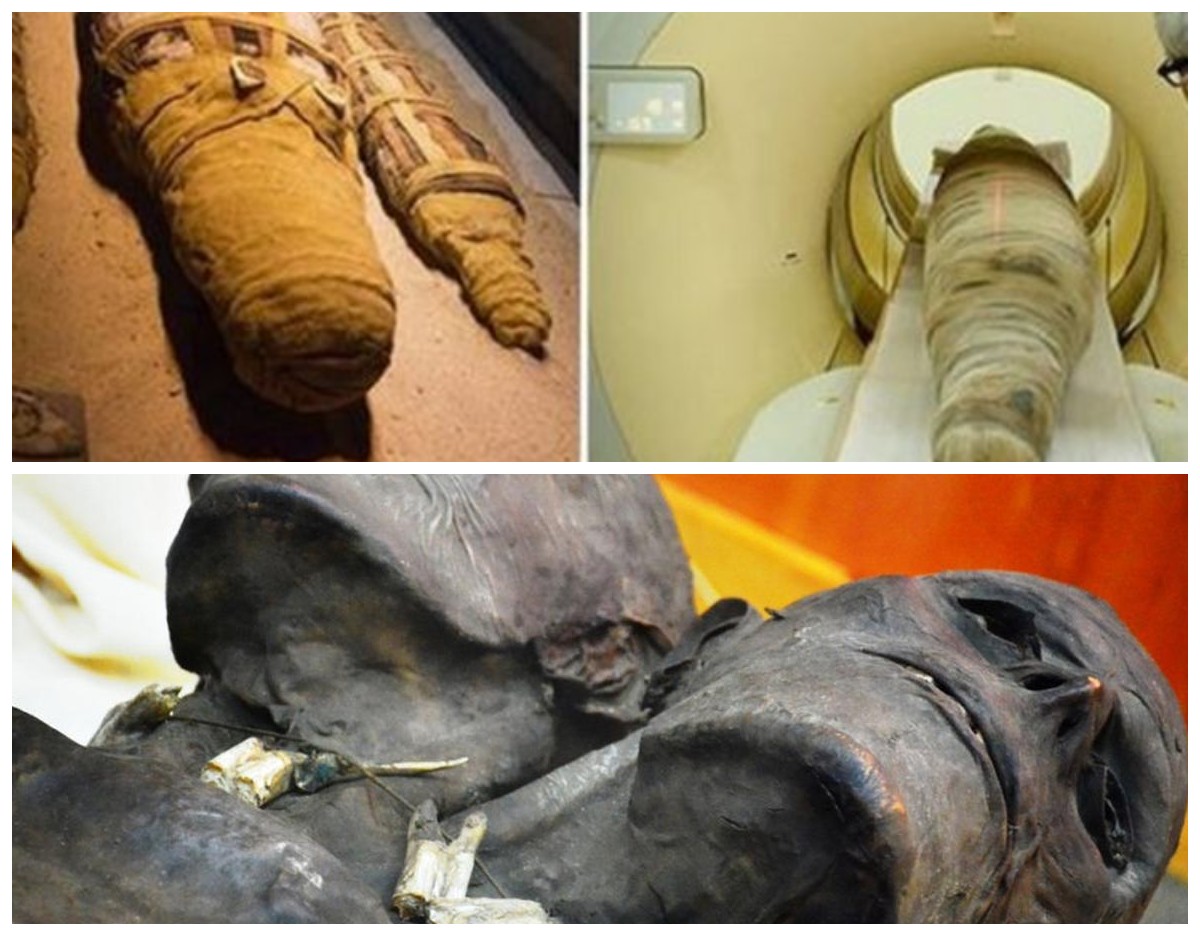
Witnesses described an enormous humanoid figure featuring two heads joined atop a single body. The specimen reportedly displayed unusually long limbs and skeletal proportions unlike ordinary human anatomy.
Photographs of the figure circulated widely, especially after curiosity museums and traveling exhibitions became popular forms of entertainment.
At the time, audiences were fascinated by mysterious artifacts, rare biological specimens, and exotic stories from distant lands. Exhibitions featuring unusual creatures or unexplained discoveries often attracted enormous public attention.
The Kap Dwa figure became part of this broader cultural fascination with mysteries and anomalies.
Today, reports suggest the alleged mummy remains in a private collection in Baltimore, Maryland, although access for scientific examination has reportedly remained limited.
Without transparent documentation or verified excavation records, the figure’s origins remain uncertain.
Scientific Perspectives and Skepticism
Modern researchers approach the Kap Dwa story with considerable skepticism.
No recognized archaeological institution, biological research center, or university has published verified scientific findings confirming the existence of a genuine two-headed giant humanoid.
Experts note that many historical curiosity exhibits included fabricated specimens designed for entertainment purposes. During the 19th century especially, showmen often combined artistic craftsmanship with storytelling to create attractions that blurred the line between reality and fiction.
Some researchers believe the Kap Dwa figure may have been artificially constructed using modified materials, sculpted components, or manipulated anatomical features.
Others speculate that if a real human specimen contributed to the display, it may have involved a rare medical condition or postmortem alteration.
Biologists also point out that extremely large humanoid anatomy presents significant physiological challenges involving bone structure, circulation, balance, and mobility.
Without modern scientific testing such as DNA analysis or transparent anatomical study, conclusions about the figure remain speculative.
Most mainstream experts therefore categorize Kap Dwa primarily as folklore, exhibition history, or possible historical fabrication rather than documented science.
Two-Headed Figures in Mythology and Culture
The fascination surrounding Kap Dwa also connects to broader mythological themes found across world cultures.
Stories involving multi-headed beings appear frequently in ancient mythology. In Greek legends, creatures with multiple heads often symbolized chaos or supernatural power. Hindu mythology includes deities depicted with multiple faces representing wisdom, vision, or divine complexity.
In folklore traditions, unusual anatomy frequently served symbolic rather than literal purposes.
Anthropologists explain that myths involving giants or dual-headed figures often reflected cultural anxieties, spiritual beliefs, or attempts to explain the unfamiliar.
Some South American legends also describe mysterious beings inhabiting isolated wilderness areas, though historians caution against interpreting these stories as literal biological evidence.
The blending of folklore with historical exploration narratives likely contributed to the lasting appeal of Kap Dwa.
The Rise of Curiosity Museums and Sideshow Culture
Understanding the historical context of curiosity museums helps explain why stories like Kap Dwa became so popular.
During the 19th century, audiences across Europe and North America were fascinated by exotic discoveries, natural wonders, and unexplained phenomena. Traveling exhibitions displayed unusual artifacts, preserved animals, archaeological replicas, and theatrical curiosities.
Some exhibits were authentic scientific specimens, while others involved creative fabrications designed purely for entertainment.
The line between science and spectacle was not always clearly defined during this period. Public understanding of anatomy, archaeology, and anthropology remained limited compared to modern standards.
Showmen frequently promoted mysterious exhibits using dramatic storytelling to attract audiences.
Within this environment, the Kap Dwa mummy fit perfectly into public fascination with hidden worlds, giant beings, and unexplained anomalies.
Even today, many famous historical curiosities continue generating debate about authenticity and artistic manipulation.
Why Giant Legends Persist
The enduring popularity of giant stories reveals something important about human psychology and culture.
People are naturally drawn to mysteries that challenge ordinary understanding. Giant legends combine adventure, hidden history, mythology, and speculation in ways that capture imagination across generations.
Remote places like Patagonia amplify these feelings because unfamiliar landscapes often become associated with mystery and possibility.
Psychologists studying folklore suggest that giant stories may symbolize humanity’s relationship with nature, power, or ancient history. Giants frequently represent forces larger than ordinary human experience.
Modern internet culture has further amplified interest in mysterious creatures and hidden-history theories. Viral images, videos, and online discussions allow old legends to reach entirely new audiences.
Even when scientific evidence remains weak or absent, the emotional appeal of mystery continues fueling curiosity.
Could the Kap Dwa Figure Be Based on a Real Condition?
Some researchers have speculated whether the Kap Dwa legend could have originated from a rare medical anomaly or misunderstood human condition.
In extremely rare cases, developmental abnormalities involving conjoined twins or skeletal deformities have occurred throughout history. Ancient societies lacking modern medical knowledge may have interpreted unusual anatomy through spiritual or mythical frameworks.
However, no verified medical evidence links the Kap Dwa specimen to a documented biological condition.
Experts emphasize that speculation alone cannot replace scientific investigation.
Without transparent analysis and proper documentation, the true origins of the alleged mummy remain impossible to confirm definitively.
The Boundary Between Myth and Reality
One reason Kap Dwa continues fascinating audiences is because the story exists in a space between mythology, entertainment, and historical speculation.
Unlike entirely fictional monsters, the legend includes physical objects, photographs, and historical exhibition records that create an illusion of authenticity.
At the same time, the absence of reliable scientific evidence prevents the story from entering accepted historical or biological understanding.
This ambiguity keeps the mystery alive.
Folklore researchers often note that unresolved stories endure longer than fully explained ones because uncertainty encourages imagination and discussion.
Kap Dwa therefore functions not only as a legend but also as a reflection of humanity’s attraction to unanswered questions.
Human Curiosity and the Search for Wonder
The story of Kap Dwa ultimately says as much about human nature as it does about giants or mysteries.
Throughout history, people have searched remote landscapes for hidden civilizations, unusual creatures, and forgotten truths. These stories reflect a deep desire to explore the boundaries of knowledge and imagination.
Modern science encourages skepticism, evidence, and careful investigation, yet curiosity itself remains one of humanity’s most valuable qualities.
Legends like Kap Dwa endure because they invite people to wonder about what might exist beyond ordinary understanding, even while encouraging deeper examination of history, folklore, and culture.
Whether the Kap Dwa mummy was an elaborate fabrication, misunderstood specimen, or theatrical creation from another era, the mystery continues inspiring discussion because it occupies that fascinating space where myth and possibility meet.
In the end, perhaps the true power of the legend lies not in proving giants existed, but in revealing humanity’s timeless fascination with mystery, storytelling, and the endless pursuit of the unknown.
