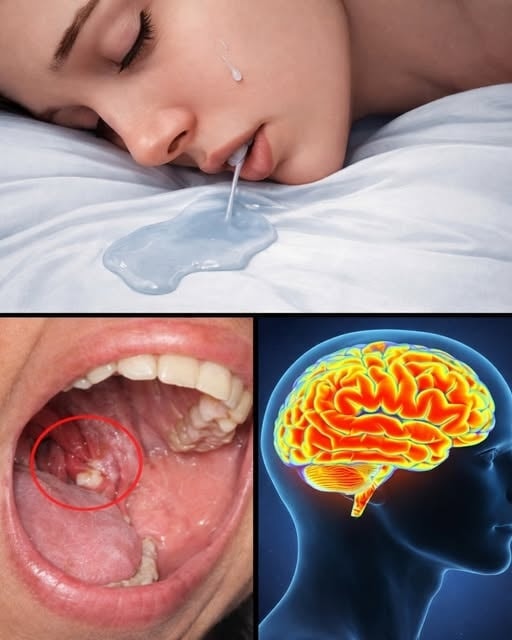

For many people, waking up to a damp pillow is simply an occasional inconvenience. It may happen after a deep sleep, during allergy season, or after sleeping in an unusual position. Because it feels so common, nighttime drooling is often ignored or treated as a minor embarrassment rather than a possible health clue.
Yet healthcare professionals explain that persistent drooling during sleep, medically referred to as nocturnal sialorrhea, can sometimes reflect underlying conditions affecting breathing, digestion, sleep quality, or muscle control. In many cases, the cause is harmless and manageable. However, understanding why it happens can help people make informed decisions about their health and comfort.
This growing awareness has sparked public interest in the science behind nighttime drooling, especially as more people pay attention to sleep quality and overall wellness. While cultural beliefs occasionally attach symbolic meaning to drooling or sleep behaviors, medical experts focus on physiological explanations rooted in how the body functions during rest.
Understanding both perspectives offers a balanced way to view this surprisingly common experience.
Why Drooling Happens During Sleep
Saliva plays an essential role in oral health and digestion. It helps keep the mouth moist, supports swallowing, and protects teeth and gums from irritation. During the day, people swallow saliva naturally and frequently without even noticing it.
During sleep, however, the body changes in several ways. Muscle tone relaxes, swallowing becomes less frequent, and breathing patterns shift. If the mouth remains open or saliva production increases, some saliva may escape instead of being swallowed.
Occasional drooling is generally considered normal. Problems tend to arise when it becomes frequent, excessive, or associated with additional symptoms such as snoring, interrupted sleep, acid reflux, or swallowing difficulties.
The Role of Sleep Position
One of the simplest explanations for nighttime drooling involves body position.
People who sleep on their side or stomach are more likely to drool because gravity allows saliva to pool near the mouth. If the lips relax or part slightly during sleep, saliva can escape onto the pillow.
Back sleepers often experience less drooling because saliva naturally remains toward the back of the throat where swallowing continues more easily.
Although sleep posture alone is usually harmless, chronic mouth breathing during sleep may suggest other underlying issues that deserve attention.
Mouth Breathing and Nasal Congestion
Nasal congestion is among the most common contributors to nighttime drooling.
When nasal passages become blocked due to allergies, sinus irritation, or structural issues, the body compensates by breathing through the mouth. Mouth breathing often leaves the jaw open during sleep, increasing the likelihood of drooling.
Common causes include:
Seasonal allergies
Chronic sinus congestion
Deviated nasal septum
Respiratory infections
Environmental irritants
People who frequently wake with dry mouths, snoring, or irritated throats may unknowingly be breathing through their mouths overnight.
Healthcare providers often recommend addressing nasal health first because improving airflow can significantly reduce nighttime drooling.
Acid Reflux and Increased Saliva Production
Digestive health may also play an important role.
Gastroesophageal reflux, commonly called acid reflux, occurs when stomach contents move upward into the esophagus. In response, the body may produce additional saliva to help neutralize irritation.
This increased saliva production can contribute to drooling during sleep, especially when reflux symptoms worsen overnight.
Common signs of reflux may include:
Heartburn
A sour taste upon waking
Throat discomfort
Frequent throat clearing
Interrupted sleep
Lifestyle adjustments such as avoiding heavy meals before bedtime and elevating the head during sleep may help reduce symptoms. Persistent reflux should always be evaluated professionally to prevent long-term discomfort.
Sleep-Related Breathing Conditions
Nighttime drooling is sometimes associated with disrupted breathing patterns during sleep.
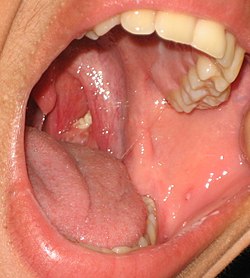
Conditions such as obstructive sleep-related breathing disturbances may contribute to mouth breathing, snoring, reduced swallowing frequency, and saliva buildup.
Although drooling alone does not confirm a sleep disorder, healthcare professionals often consider it alongside symptoms like:
Loud snoring
Daytime fatigue
Morning headaches
Interrupted sleep
Difficulty concentrating
Sleep specialists emphasize that quality sleep affects nearly every aspect of health, including mood, metabolism, cardiovascular wellness, and cognitive performance.
Because sleep-related conditions often develop gradually, subtle signs such as persistent drooling may encourage people to seek evaluation earlier.
Swallowing Difficulties and Muscle Coordination
Efficient swallowing requires precise coordination between muscles and nerves. If swallowing becomes less effective, saliva may accumulate more easily during sleep.
Temporary swallowing difficulties may result from throat irritation or infections. However, persistent issues can sometimes reflect broader neurological or muscular conditions affecting coordination.
Possible warning signs include:
Frequent choking sensations
Difficulty swallowing food or liquids
Changes in speech clarity
Excess saliva during the day as well as night
Medical professionals stress that drooling alone does not indicate a serious neurological condition. However, when combined with other symptoms, proper evaluation becomes important.
Medications That May Contribute to Drooling
Certain medications may influence saliva production, muscle relaxation, or swallowing reflexes.
Drugs associated with increased drooling can include some medications used for:
Anxiety management
Mood regulation
Neurological treatment
Sleep support
Muscle relaxation
If symptoms begin shortly after starting a medication, healthcare providers may review dosage adjustments or alternative options.
Experts strongly advise against stopping prescribed medications without professional guidance.
Oral Health and Dental Factors
Dentists frequently identify oral conditions that may contribute to nighttime drooling.
Potential contributors include:
Poorly fitted dental appliances
Tooth alignment issues
Gum irritation
Oral infections
Inflammation inside the mouth can stimulate saliva production, while structural factors may affect how saliva is controlled during sleep.
Routine dental checkups remain an important part of identifying these issues early.

The Psychological Impact of Sleep Symptoms
Although drooling during sleep is medically common, many people feel embarrassed discussing it. Sleep-related symptoms often affect self-confidence, especially when they disrupt rest or occur regularly.
Psychologists note that people naturally associate sleep with vulnerability and privacy. As a result, nighttime symptoms may feel more emotionally significant than daytime health concerns.
At the same time, increasing public conversations about sleep health have helped reduce stigma around discussing issues like snoring, mouth breathing, insomnia, and drooling.
Greater awareness encourages earlier evaluation and better long-term outcomes.
Cultural Interpretations and Traditional Beliefs
Throughout history, sleep behaviors have often carried symbolic meanings in folklore and traditional beliefs.
In some cultures, excessive drooling during sleep was associated with deep relaxation or vivid dreaming. Other traditions viewed unusual sleep behaviors as signs that the body was reacting to emotional stress or imbalance.
Modern medicine does not support supernatural interpretations of drooling. However, cultural perspectives continue influencing how individuals interpret bodily experiences.
These traditions reveal an enduring human tendency to search for meaning in physical symptoms, especially those occurring during sleep when the mind feels less conscious and more mysterious.
When Medical Attention May Be Helpful
Healthcare professionals generally recommend seeking advice if nighttime drooling becomes persistent, disruptive, or associated with additional symptoms.
Warning signs may include:
Frequent interrupted sleep
Difficulty breathing at night
Choking sensations
Persistent acid reflux
Speech or swallowing changes
Daytime fatigue
Skin irritation around the mouth
Early evaluation helps identify manageable causes before they significantly affect quality of life.
Practical Strategies That May Help
Depending on the underlying cause, healthcare providers may suggest several practical approaches.
Potential strategies include:
Adjusting sleep position
Treating nasal congestion
Improving sleep hygiene
Managing acid reflux triggers
Maintaining regular dental care
Using supportive pillows to encourage better posture
Seeking sleep evaluations when appropriate
Small adjustments often produce noticeable improvements over time.
Why Sleep Health Matters More Than Many People Realize
Sleep influences nearly every system in the body. Breathing patterns, digestion, hormone regulation, muscle recovery, and cognitive performance are all affected by sleep quality.
Symptoms such as drooling may appear minor, yet they sometimes reveal broader issues involving airway function, digestion, or muscle coordination.
By paying attention to subtle nighttime symptoms, people can better understand their overall health and identify opportunities for improvement before larger problems develop.
A Balanced Perspective on Nighttime Drooling
Drooling during sleep is extremely common and, in many cases, completely harmless. Factors such as sleeping position, temporary congestion, or mouth breathing frequently explain the issue without indicating serious illness.
At the same time, persistent drooling can occasionally serve as a clue pointing toward sleep disturbances, digestive concerns, medication effects, or swallowing difficulties that deserve professional attention.
Understanding these possibilities empowers people to respond thoughtfully rather than fearfully. Instead of relying on myths or self-diagnosis, a balanced approach combines awareness, observation, and professional guidance when necessary.
Ultimately, nighttime drooling reflects the complexity of the sleeping body itself. Even during rest, countless systems continue working together quietly in the background. Paying attention to small changes may offer valuable insight into overall well-being and encourage healthier, more restorative sleep.
Sources
National Institute of Dental and Craniofacial Research
