
The human body often communicates through subtle signals long before a person realizes something may be wrong. A headache can indicate stress or dehydration. Fatigue may point to lack of rest or emotional strain. And the skin, the body’s largest organ, frequently acts as one of the earliest visible indicators that internal changes are taking place.
Because skin reactions are common, many people dismiss them without concern. A patch of redness, mild itching, or temporary irritation usually fades quickly and often seems harmless. In everyday life, most rashes are caused by minor allergies, environmental irritants, or temporary sensitivities.
However, medical experts emphasize that certain skin symptoms should not always be ignored, especially when they appear alongside breathing difficulties, swelling, or other physical changes.
One condition often associated with these reactions is urticaria, commonly known as hives. While hives are frequently mild and temporary, they can sometimes occur as part of a more serious allergic response requiring immediate medical attention.
Understanding the difference between routine skin irritation and potential warning signs can help people respond more appropriately and seek medical care when necessary.
Why the Skin Reflects Internal Health
The skin does much more than protect the body from the outside world. It also reacts to immune responses, environmental exposure, stress, infections, and allergic triggers.
Doctors often describe the skin as a “window” into overall health because internal conditions can sometimes appear externally through visible symptoms.
Common skin reactions may result from:
Allergies
Foods, medications, insect bites, pollen, or certain chemicals can trigger immune responses that affect the skin.
Stress and Emotional Strain
Emotional stress may contribute to itching, irritation, or flare-ups in sensitive individuals.
Environmental Exposure
Heat, cold, sunlight, or contact with irritants can sometimes provoke temporary skin changes.
Underlying Health Conditions
In some cases, persistent skin symptoms may relate to immune system activity or other medical concerns.
Most reactions are mild, but paying attention to patterns and accompanying symptoms remains important.
What Are Hives?
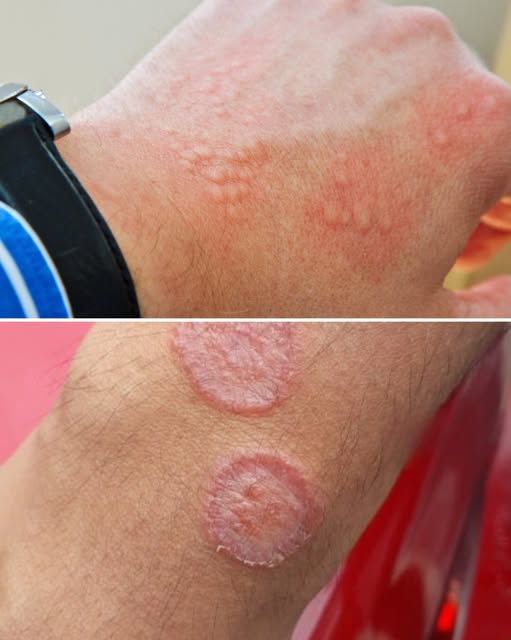
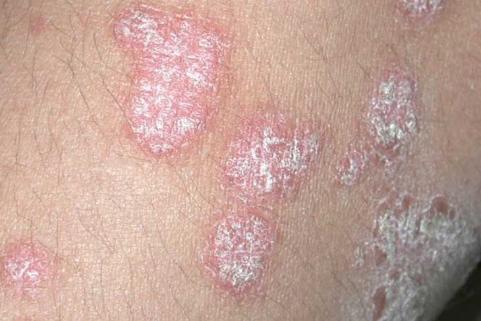
Hives, medically known as urticaria, are raised, itchy welts that can appear suddenly on different areas of the body.
They often vary in size and may disappear within hours or move from one location to another.
Some people experience isolated episodes, while others may develop recurring hives triggered by specific conditions or sensitivities.
Common Characteristics of Hives
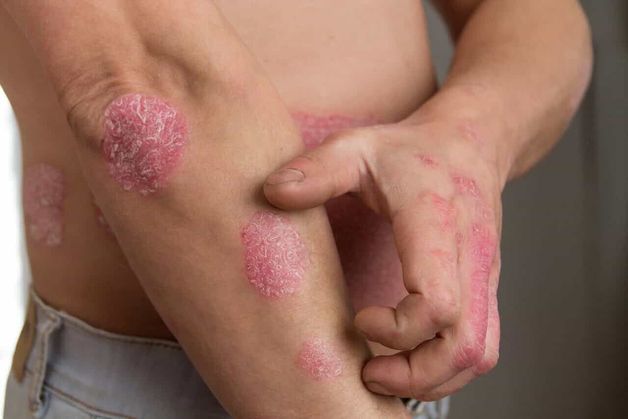
Hives are usually:
Itchy or irritating
Raised above the skin surface
Red, pink, or skin-colored
Temporary and shifting in location
Appearing in clusters or larger patches
In many cases, hives are not dangerous and resolve on their own without long-term complications.
Common Causes of Hives
Medical professionals identify several common triggers associated with urticaria.
Food Allergies
Foods such as shellfish, nuts, eggs, or dairy products may trigger allergic skin reactions in sensitive individuals.
Medications
Certain antibiotics, pain relievers, or other medications can occasionally provoke hives.
Environmental Factors
Heat, cold temperatures, pollen, animal dander, or insect stings may contribute to outbreaks.
Emotional Stress
Stress-related immune responses can sometimes worsen or trigger skin symptoms.
Viral Infections
Some infections may temporarily activate immune reactions that affect the skin.
Understanding possible triggers can help individuals identify patterns and avoid repeated exposure when appropriate.
When Hives May Signal Something More Serious
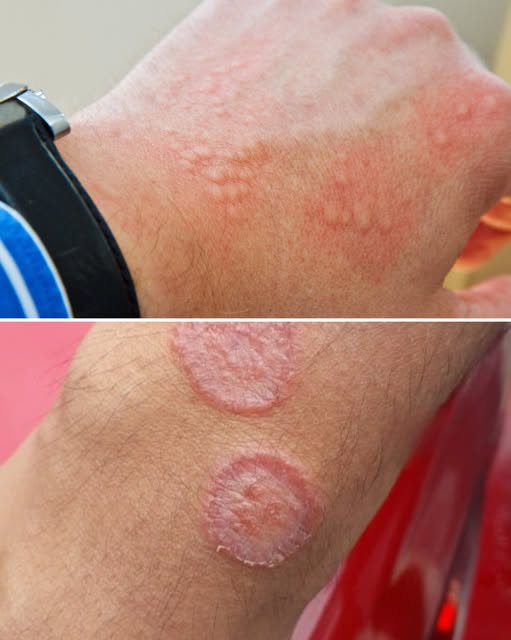
Although hives are often harmless, doctors emphasize that context matters.
A mild skin reaction becomes more concerning when accompanied by symptoms affecting breathing, circulation, or swelling.
Medical experts warn that symptoms such as these may indicate a severe allergic reaction known as anaphylaxis.
What Is Anaphylaxis?
Anaphylaxis is a rapid and potentially dangerous allergic reaction that can affect multiple body systems simultaneously.
It usually develops quickly after exposure to an allergen and requires urgent medical attention.
Symptoms That May Accompany Severe Allergic Reactions
Potential warning signs include:
Difficulty breathing
Wheezing or tightness in the chest
Swelling of the throat or tongue
Dizziness or faintness
Rapid heartbeat
Difficulty speaking clearly
Severe swelling around the face
Doctors emphasize that people experiencing these symptoms should seek emergency medical care immediately.
Why Allergic Reactions Can Escalate Quickly
The immune system is designed to protect the body from harmful substances. However, in allergic reactions, the immune response may become exaggerated.
During severe allergic responses, the body releases chemicals such as histamine that can affect blood vessels, airways, and tissues throughout the body.
This explains why symptoms can involve both the skin and respiratory system simultaneously.
Researchers continue studying why some individuals experience mild allergies while others develop severe reactions.
Genetics, previous exposure, immune sensitivity, and environmental factors may all play a role.
The Importance of Early Recognition
One reason medical experts encourage awareness about allergic reactions is because early recognition can improve outcomes.
People sometimes underestimate symptoms if they initially appear mild. However, severe reactions can occasionally worsen rapidly within minutes.
Understanding warning signs allows individuals and families to respond more quickly and seek appropriate care when necessary.
For people with known severe allergies, physicians may recommend carrying emergency medications such as epinephrine auto-injectors.
How Doctors Diagnose Allergic Conditions
Healthcare professionals typically evaluate allergic reactions using several methods.
Medical History
Doctors often ask about recent foods, medications, environmental exposure, and previous allergic experiences.
Physical Examination
Skin appearance, swelling, breathing patterns, and vital signs help guide assessment.
Allergy Testing
Specialized testing may help identify specific allergens contributing to repeated reactions.
Monitoring Symptoms Over Time
Recurring hives or unexplained allergic symptoms sometimes require ongoing observation and follow-up care.
Because symptoms can vary greatly between individuals, professional medical evaluation remains important for persistent or severe reactions.
Stress, Anxiety, and Skin Reactions
Interestingly, emotional health may also influence skin symptoms.
Researchers studying the mind-body connection have found that stress hormones can affect inflammation and immune responses. This may explain why some individuals experience worsening skin irritation during emotionally difficult periods.
Although stress alone is not usually the sole cause of serious allergic reactions, it can sometimes intensify existing sensitivities.
Maintaining healthy sleep habits, stress management routines, and balanced self-care may contribute positively to overall skin and immune health.
Why Public Awareness Matters
In today’s fast-paced world, many people rely on internet searches or social media for health information. While online resources can increase awareness, medical professionals encourage individuals to avoid self-diagnosing serious symptoms without proper evaluation.
Balanced education is important because it helps people recognize warning signs without creating unnecessary fear.
Most skin reactions are temporary and manageable. However, understanding when symptoms may indicate something more serious can help individuals make informed decisions about seeking care.
Everyday Prevention Tips for Allergic Reactions
Although not all allergic reactions can be prevented completely, experts often recommend several practical strategies:
Identify Personal Triggers
Keeping track of foods, medications, or environments linked to symptoms may help reduce repeated exposure.
Read Labels Carefully
Food and medication labels can help individuals avoid known allergens.
Seek Medical Guidance
People with recurring allergic reactions may benefit from professional allergy testing and evaluation.
Carry Emergency Medication if Recommended
Individuals with severe allergies should follow medical advice regarding emergency preparedness.
Communicate Allergies Clearly
Informing schools, workplaces, restaurants, and travel companions about serious allergies may improve safety.
Small preventive steps can significantly reduce risk for sensitive individuals.
A Reflection on Human Awareness and the Body’s Signals
The human body constantly communicates through visible and invisible signals. Skin reactions like hives may seem minor at first glance, yet they can sometimes provide important clues about deeper immune responses occurring within the body.
Understanding these signals requires balance: avoiding unnecessary panic while also recognizing symptoms that deserve medical attention.
Stories and discussions about allergic reactions continue to capture public interest because they remind people how interconnected the body truly is. A small visible symptom may reflect a much larger internal process.
Ultimately, awareness, education, and timely care remain some of the most valuable tools for protecting health. By learning to pay closer attention to the body’s warning signs, people become better prepared to respond thoughtfully and responsibly when unusual symptoms appear.
Sources
Original article reference from FX Whisper
Medical information about hives and allergic reactions from Mayo Clinic
Allergy and anaphylaxis guidance from American Academy of Allergy, Asthma & Immunology
Skin health resources from American Academy of Dermatology
