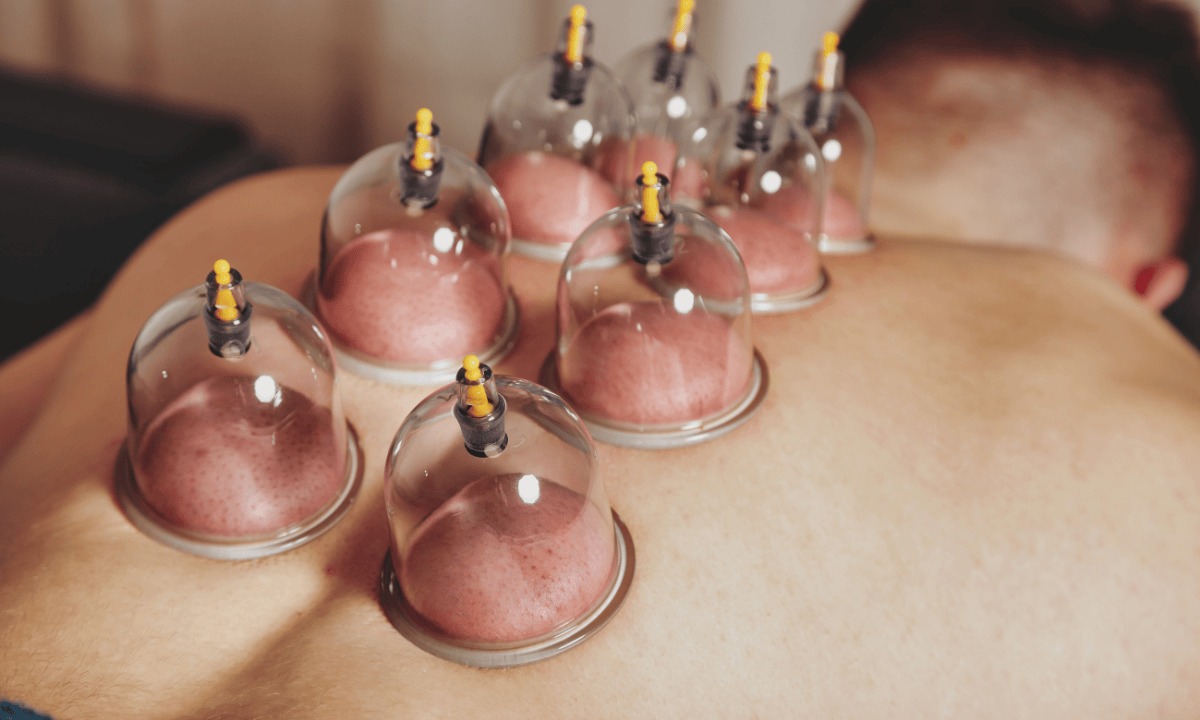

Cupping therapy is a traditional wellness practice that has been used for centuries in different cultures around the world. In recent years, it has gained renewed popularity as more people explore natural methods for relaxation and muscle recovery.
This therapy involves placing special cups on the skin to create suction. Many people use cupping as part of a wellness routine to help ease muscle tension and promote relaxation. While cupping is widely recognized in traditional medicine practices, modern spas and recovery centers also offer it as a complementary therapy.
In this article, you’ll learn what cupping therapy is, how it works, its potential benefits, different types of cupping, and important safety considerations.
What Is Cupping Therapy?
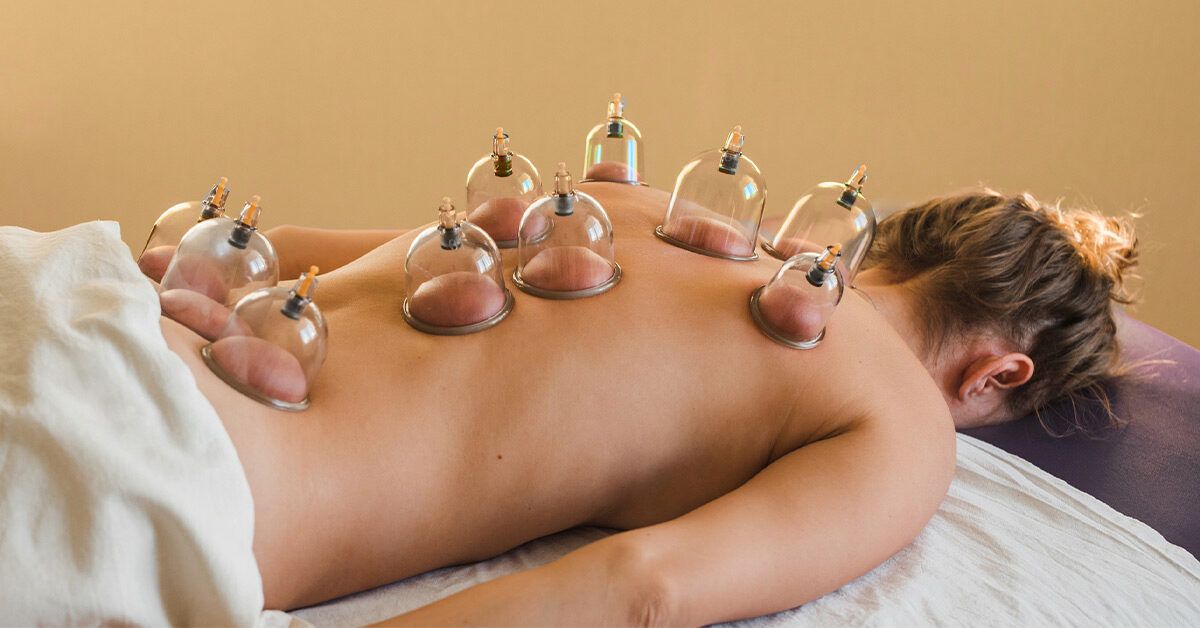
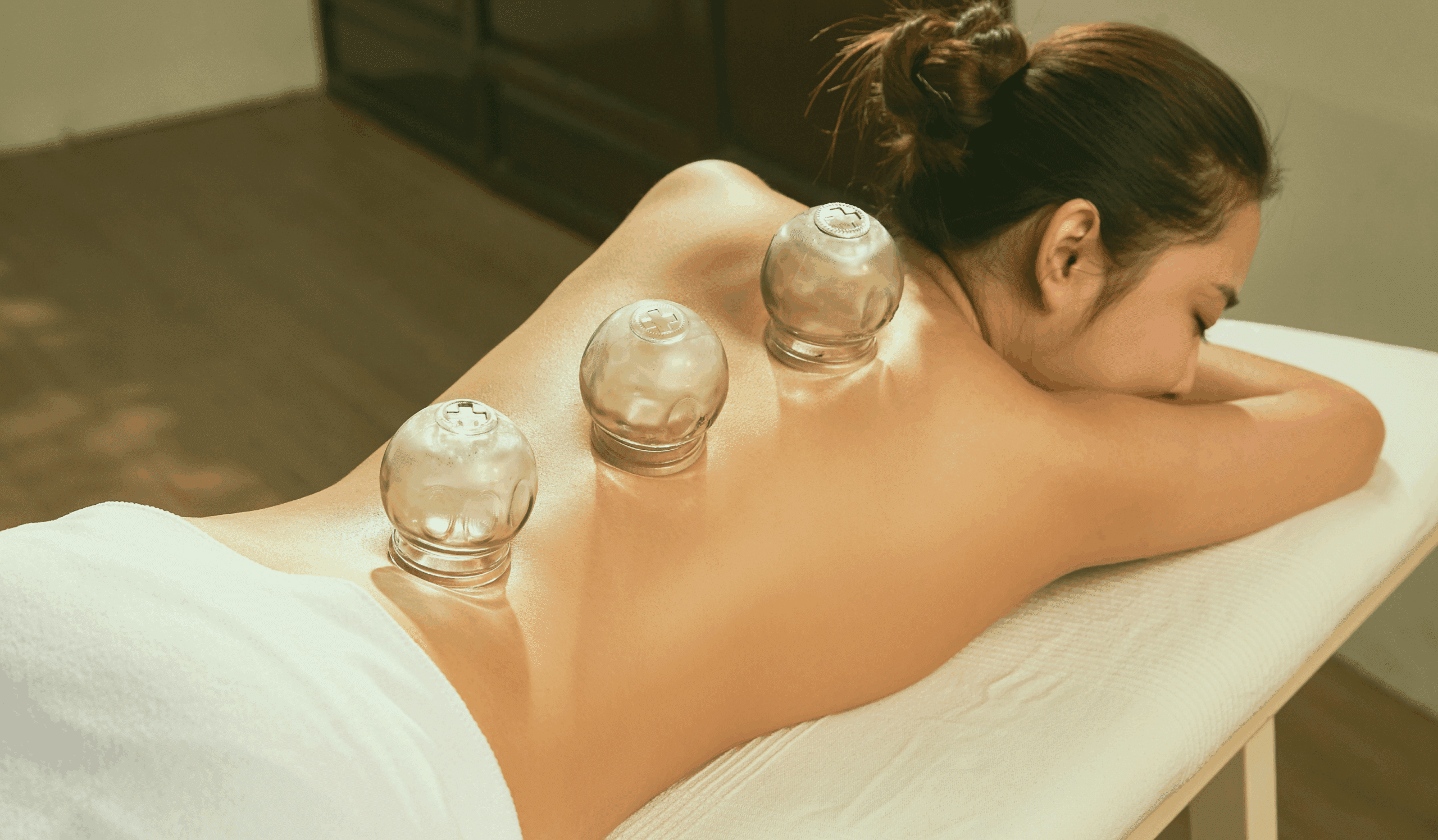
Cupping therapy is a wellness technique that uses cups made of glass, silicone, bamboo, or plastic to create gentle suction on the skin. The suction lifts the skin and underlying tissue slightly.
Traditionally, cupping has been associated with improving circulation and promoting relaxation. Today, many people use it as part of post-workout recovery or stress-relief routines.
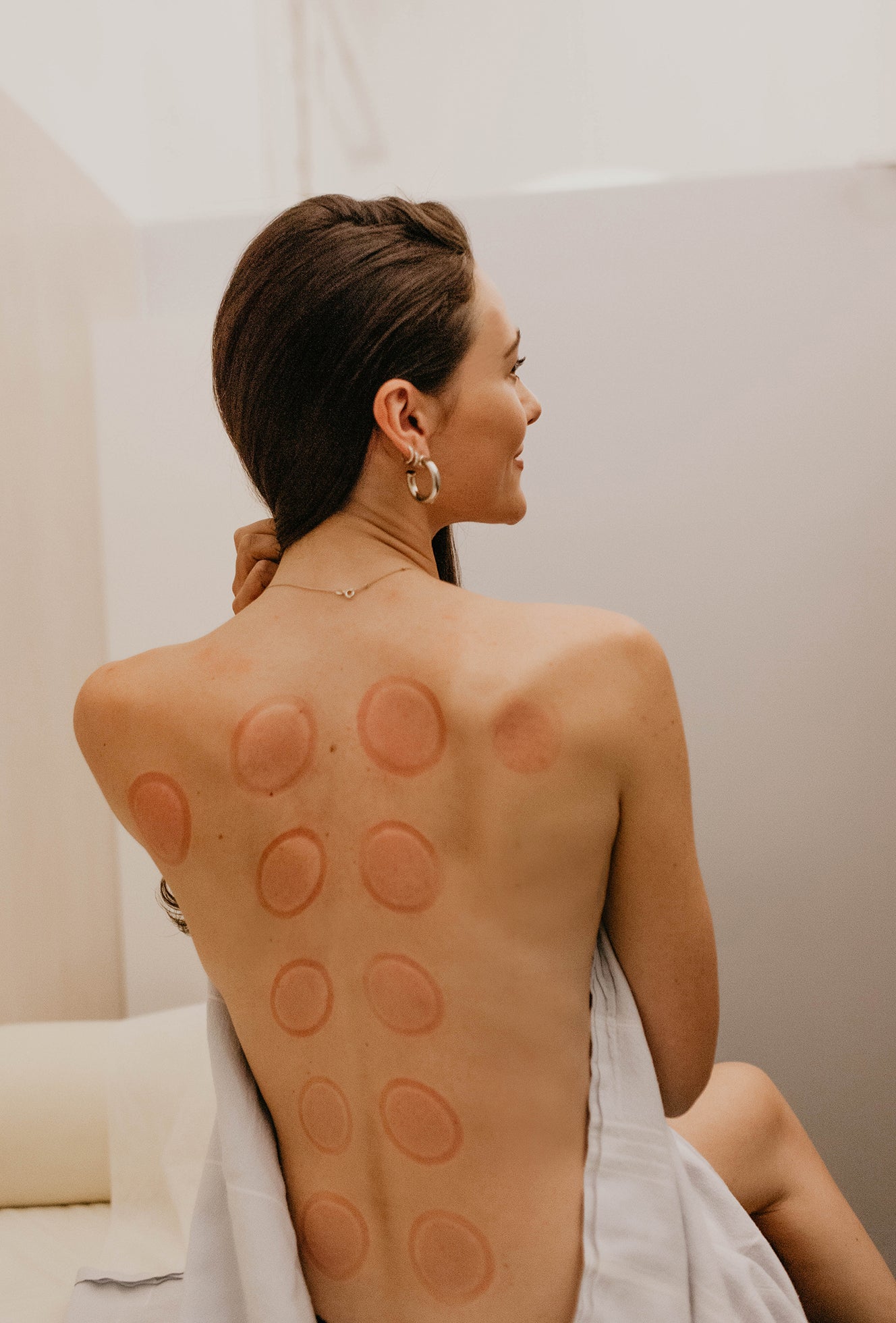
After a session, circular marks may appear on the skin. These marks are usually temporary and often fade within several days.
The History of Cupping Therapy
Cupping therapy has a long history dating back thousands of years. Historical records suggest that forms of cupping were used in ancient China, Egypt, and the Middle East.
Over time, the practice spread across different cultures and evolved into multiple techniques. Today, cupping can be found in:
- wellness centers,
- massage clinics,
- spas,
- traditional therapy practices,
- sports recovery programs.

Different Types of Cupping Therapy
1. Dry Cupping
Dry cupping is the most common form of cupping therapy. Cups are placed on the skin for several minutes to create suction without breaking the skin.
This method is commonly applied to areas such as:
- the back,
- shoulders,
- neck,
- legs.
Many people choose dry cupping for relaxation and muscle recovery purposes.
2. Moving Cupping
In moving cupping, oil or lotion is applied to the skin before the cups are gently moved across the body.
This technique feels similar to a deep tissue massage and is often used for muscle relaxation.
3. Fire Cupping
Fire cupping uses heat to create suction inside the cup before it is placed on the skin.
Because heat is involved, this method should only be performed by trained professionals to reduce the risk of burns or skin irritation.
4. Silicone Cupping
Silicone cups are softer and more flexible than traditional glass cups. These cups are popular for home use because they are easy to squeeze and adjust.
Many wellness enthusiasts prefer silicone cupping for gentle self-care routines.
Potential Benefits of Cupping Therapy
People choose cupping therapy for different reasons. While experiences vary from person to person, some commonly reported benefits include:
Muscle Relaxation
Cupping may help reduce feelings of muscle tightness after exercise or long hours of sitting.
Stress Relief
Many people describe cupping sessions as calming and relaxing, similar to massage therapy.
Temporary Improvement in Circulation
The suction effect may increase localized blood flow to the treated area for a short period of time.
Recovery Support for Athletes
Some athletes include cupping therapy in their post-training recovery routines to support muscle relaxation.
Why Does Cupping Leave Circular Marks?
One of the most recognizable effects of cupping therapy is the appearance of circular marks on the skin.
These marks occur because the suction affects small blood vessels near the surface of the skin. The marks may appear:
- pink,
- red,
- purple,
- or dark depending on skin sensitivity.
In most cases, the marks are temporary and gradually fade over several days.
However, if someone experiences severe discomfort, blistering, or prolonged irritation, they should stop treatment and seek professional advice.
Who Commonly Uses Cupping Therapy?
Cupping therapy is popular among many different groups of people, including:
- office workers with muscle tension,
- fitness enthusiasts,
- athletes,
- people seeking relaxation therapies,
- individuals interested in traditional wellness practices.
Who Should Avoid Cupping Therapy?
Although cupping is widely practiced, it may not be suitable for everyone.
People should use caution or consult a qualified professional before trying cupping if they have:
- sensitive skin,
- open wounds,
- skin infections,
- bleeding disorders,
- certain medical conditions.
Pregnant individuals should also seek professional guidance before undergoing cupping therapy.
Safety Tips for Cupping Therapy
Choose a Reputable Practitioner
Always visit a trained and experienced professional who follows proper hygiene practices.
Avoid Excessive Suction
Too much suction can cause discomfort or skin irritation. Proper technique is important.
Do Not Apply Cups to Damaged Skin
Avoid cupping on:
- cuts,
- burns,
- rashes,
- inflamed skin,
- sunburned areas.
Stay Hydrated
Drinking water after a session may help support overall comfort and recovery.
Is Cupping Therapy Scientifically Proven?
Research on cupping therapy is still ongoing. Some individuals report feeling relaxed and refreshed after sessions, while experiences can vary depending on the person.
Cupping should not be considered a replacement for professional medical treatment. Anyone experiencing persistent pain or health concerns should consult a qualified healthcare provider.
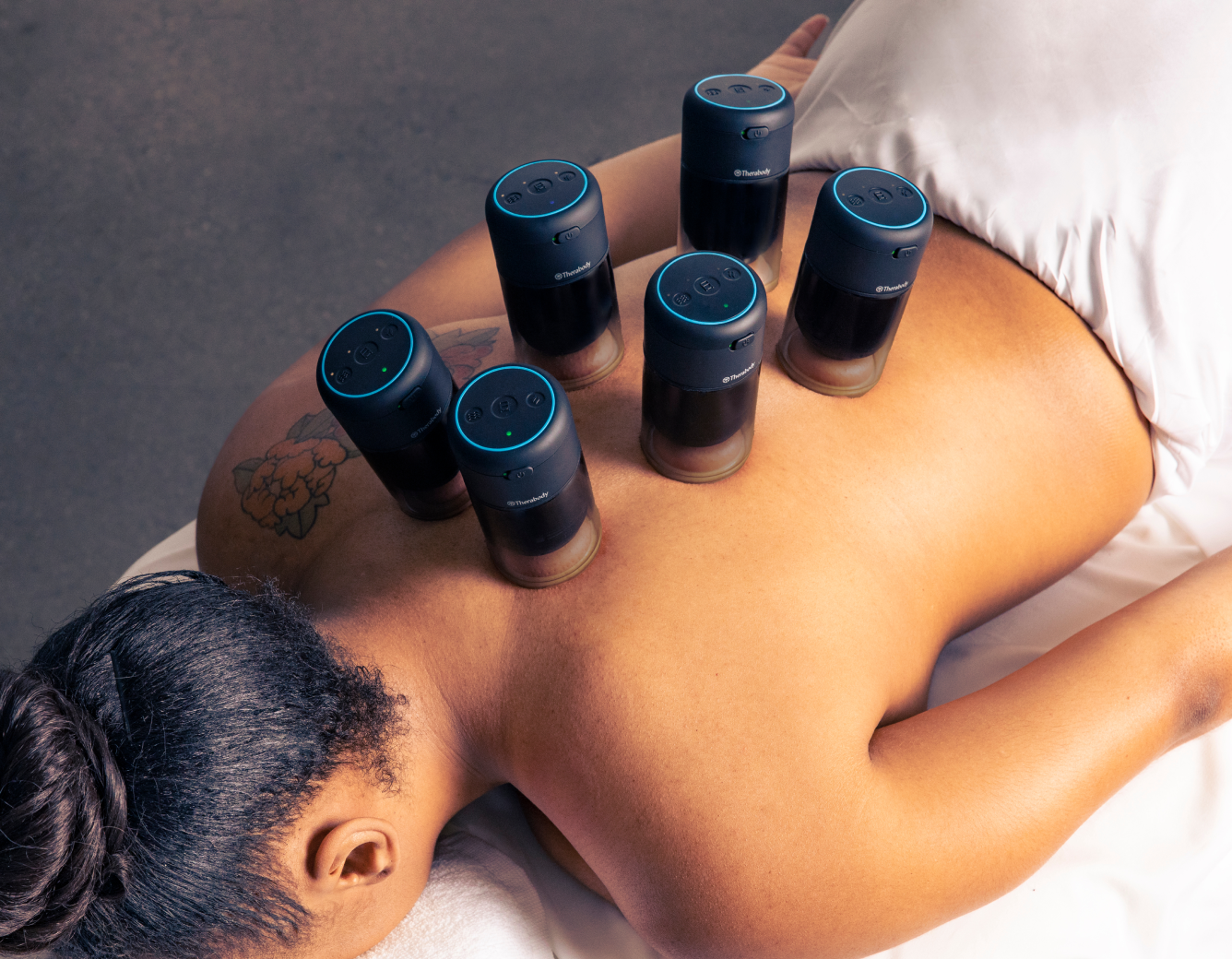
Is Home Cupping Safe?
Home cupping kits are widely available online and in wellness stores. However, beginners should learn proper techniques before using them.
Incorrect use or excessive suction may lead to discomfort or skin irritation.
For best results, many people prefer starting with guidance from a trained professional.
Common Misconceptions About Cupping
“Darker Marks Mean Better Results”
The color of cupping marks does not necessarily indicate effectiveness. Skin reactions vary between individuals.
“Cupping Can Cure Any Illness”
Cupping should be viewed as a complementary wellness practice rather than a cure for medical conditions.
“Anyone Can Perform Cupping Perfectly at Home”
Improper techniques may increase the risk of skin irritation or discomfort.
Why Has Cupping Become Popular Again?
Social media and celebrity wellness trends have contributed to the renewed popularity of cupping therapy. Some athletes and public figures have appeared with visible circular marks after sessions, sparking curiosity worldwide.
Modern wellness centers now combine cupping with:
- massage therapy,
- aromatherapy,
- relaxation treatments,
- sports recovery programs.
Final Thoughts
Cupping therapy is an ancient wellness practice that continues to attract attention in modern health and relaxation culture. Many people use it as part of a self-care routine to help relieve tension and support relaxation.
While cupping may provide a soothing experience for some individuals, it is important to approach the therapy responsibly and seek qualified practitioners when possible.
As with any wellness practice, people with health concerns should consult a healthcare professional before beginning cupping therapy. When performed safely and appropriately, cupping can be a relaxing addition to a balanced wellness lifestyle.
