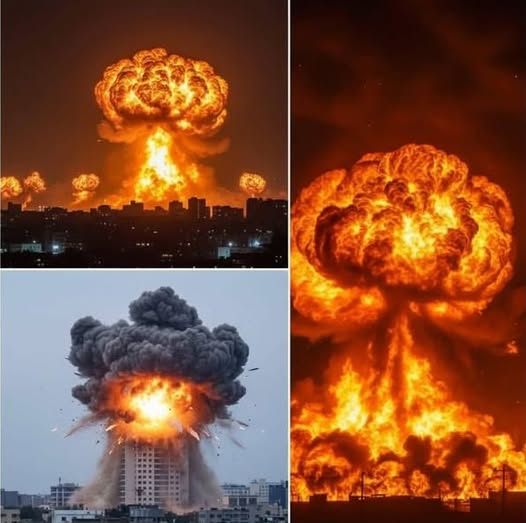

Dramatic online headlines claiming that “the war begins” or announcing a “maximum worldwide alert” often spread rapidly during periods of international tension. These stories typically combine real geopolitical concerns with speculative language designed to trigger urgency, fear, and emotional reactions.
In recent years, social media platforms and viral news websites have amplified global security stories at unprecedented speed. A single alarming headline can circulate worldwide within minutes, especially when it involves major powers, military movements, or fears of wider conflict.
While international tensions in regions such as the Middle East, Eastern Europe, and the Indo-Pacific are genuine subjects of concern, experts strongly caution against accepting sensational online reports at face value without verification from credible sources.
Understanding the difference between verified developments and emotionally exaggerated narratives is essential in today’s fast-moving digital environment.
Why “Breaking War” Headlines Spread So Quickly
Stories involving global conflict naturally attract enormous public attention.
Psychologists explain that humans are biologically wired to respond strongly to perceived threats and uncertainty. Headlines suggesting large-scale war, economic collapse, or international crisis immediately trigger emotional engagement, which increases online sharing behavior.
Social media algorithms also tend to prioritize content generating strong reactions, including fear, shock, or outrage. As a result, dramatic headlines often receive greater visibility than balanced reporting.
This creates an environment where emotionally charged claims can spread faster than carefully verified information.
Real Global Tensions Do Exist
Although many viral headlines exaggerate events, international security concerns are real and closely monitored by governments worldwide.
Current geopolitical tensions involve multiple regions, including:
The ongoing war between Russia and Ukraine
Regional instability involving Iran, Israel, and neighboring states
Strategic competition in the Indo-Pacific region
Cybersecurity threats targeting infrastructure and communication systems
Global energy market disruptions linked to military tensions
International organizations, military alliances, and diplomatic channels continuously monitor these developments to reduce the risk of wider escalation.
However, experts emphasize that major global powers also understand the enormous economic and humanitarian consequences of large-scale conflict, which often encourages restraint alongside confrontation.
The Strait of Hormuz and Why It Matters
One topic frequently mentioned in geopolitical reporting is the Strait of Hormuz.
This narrow waterway plays a critical role in global energy transportation because a significant portion of the world’s oil shipments passes through it.
Any instability affecting shipping routes in the region can influence fuel prices, financial markets, and supply chains worldwide.
Because of its strategic importance, tensions involving the Strait of Hormuz often receive intense media coverage and international diplomatic attention.
How Financial Markets React to Conflict Fears
Global markets respond quickly to uncertainty.
When investors fear instability, they often move money into assets traditionally viewed as safer during uncertain periods. Oil prices, gold, and certain currencies may rise sharply during geopolitical crises.
Meanwhile, airline stocks, tourism industries, and broader stock markets sometimes experience declines due to fears of economic disruption.
However, economists note that market reactions are often driven as much by uncertainty and speculation as by confirmed events themselves.
This is one reason why verified information remains extremely important during fast-moving international situations.
The Growing Role of Cybersecurity in Modern Conflict
Modern geopolitical tensions extend far beyond traditional military activity.
Governments and security analysts increasingly focus on cyber operations targeting infrastructure, banking systems, communications networks, transportation systems, and energy grids.
Cybersecurity experts warn that digital disruptions can create economic instability even without direct military confrontation.
At the same time, many online claims about cyberattacks remain difficult to verify immediately, leading to confusion and misinformation during periods of heightened tension.
Why Historical Comparisons Appear So Often
Viral conflict stories frequently compare modern tensions to major historical crises such as:
Cuban Missile Crisis
Yom Kippur War
World War I
These comparisons are emotionally powerful because they remind audiences of moments when international tensions appeared dangerously close to broader conflict.
Historians caution, however, that every geopolitical situation is unique. Modern diplomacy, economic interdependence, international institutions, and communication systems create very different conditions from earlier eras.
While historical lessons remain valuable, direct comparisons can sometimes oversimplify complex realities.
How Misinformation Complicates Global Crises
One of the biggest modern challenges during international tensions is distinguishing verified reporting from speculation.
Online articles may combine factual events with exaggerated predictions, anonymous claims, or emotionally charged wording designed primarily to increase clicks and engagement.
Phrases such as “maximum worldwide alert” or “the war begins” often lack precise official meaning despite sounding urgent.
Media literacy experts recommend checking information through multiple credible organizations before accepting dramatic claims as accurate.
Reliable sources often include:
Official government statements
Established international news agencies
Independent fact-checking organizations
Recognized geopolitical analysts
International institutions
The Human Impact of Global Instability
Even when large-scale war does not occur, international tensions can still affect ordinary people significantly.
Possible effects include:
Rising fuel and transportation costs
Supply chain disruptions
Financial market volatility
Travel restrictions
Increased anxiety and uncertainty
Cybersecurity concerns
Communities living near active conflict zones often face the greatest hardship, including displacement, infrastructure damage, and economic instability.
Humanitarian organizations frequently emphasize the importance of diplomacy and civilian protection during periods of crisis.
Why Diplomacy Still Matters
Despite public fears during international confrontations, diplomacy continues operating constantly behind the scenes.
Countries often maintain communication channels even during severe disagreements. International negotiations may involve direct talks, allied intermediaries, regional organizations, or backchannel diplomacy.
Political analysts note that many crises appearing extremely dangerous publicly are simultaneously accompanied by intensive private negotiation efforts aimed at preventing wider escalation.
Diplomatic efforts may move slowly and receive less public attention than dramatic headlines, but they remain central to global stability.
How To Stay Informed Without Panicking
Experts recommend several practical steps for following international news responsibly:
Rely on Credible Sources
Prioritize established journalism organizations and official statements over anonymous viral posts.
Avoid Sharing Unverified Claims
Emotionally charged headlines often spread misinformation rapidly before facts are confirmed.
Understand That Early Reports Can Change
During fast-moving situations, initial information is frequently incomplete or inaccurate.
Focus on Context
Geopolitical events usually develop over long periods and involve complex historical, political, and economic factors.
Manage Information Overload
Constant exposure to alarming news can increase stress and anxiety unnecessarily.
The Psychology of Global Fear
Fear of large-scale conflict has existed throughout modern history.
Researchers explain that global uncertainty often creates strong emotional reactions because international crises feel personally uncontrollable for most people. Dramatic media coverage can intensify these feelings.
At the same time, humans also tend to overestimate immediate catastrophic outcomes during uncertain periods.
Balanced information, historical perspective, and careful analysis help reduce unnecessary panic while still acknowledging genuine risks.

Conclusion
Viral headlines claiming that “the war begins” reflect both real geopolitical tensions and the powerful emotional impact of modern online media. While international conflicts and security concerns deserve serious attention, sensationalized reporting can sometimes amplify fear beyond verified reality.
The world today faces complex geopolitical challenges involving military strategy, energy security, cyber operations, and international diplomacy. Yet history also shows that nations frequently work to prevent regional crises from escalating into broader global conflict.
In an era of instant information sharing, remaining informed requires patience, critical thinking, and careful source evaluation. Understanding the difference between verified developments and dramatic speculation helps people respond thoughtfully instead of reactively.
Ultimately, moments of global tension remind humanity of both the fragility of international stability and the ongoing importance of diplomacy, communication, and collective responsibility.
