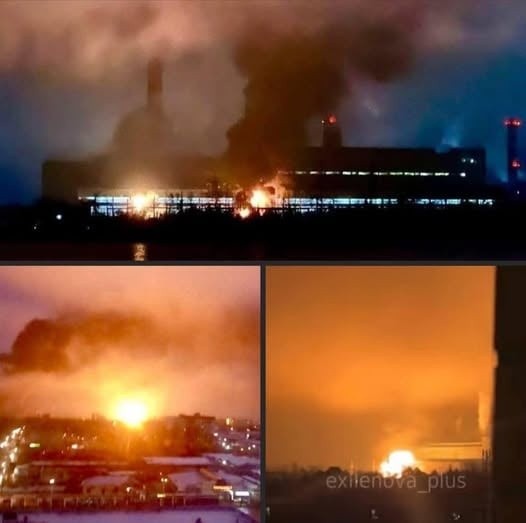

Mina was standing in a crowded subway station when every phone around her suddenly vibrated at once. A sharp notification sound echoed through the platform. Strangers looked down at their screens almost simultaneously, their expressions shifting from curiosity to concern.
Within seconds, televisions inside nearby stores displayed matching messages. Radio stations interrupted music broadcasts. Conversations stopped mid-sentence as people tried to understand what was happening.
The alert itself was brief and official. Authorities described it as precautionary and urged the public to remain informed. Yet the emotional impact spread far beyond the message itself.
For many people, moments like these feel larger than ordinary safety announcements. They tap into something deeper: the modern fear that global systems are more fragile and interconnected than ever before.
The Evolution of Emergency Broadcast Systems
Emergency communication systems were originally created to deliver urgent information quickly during natural disasters, severe weather events, and national emergencies.
Over time, technology transformed these systems into powerful networks capable of reaching millions of people instantly through:
Television broadcasts
Radio interruptions
Mobile phone notifications
Internet-connected devices
Public sirens
Digital billboards
The purpose of these alerts is practical. They help authorities distribute critical information rapidly during situations that may affect public safety.
However, because the alerts interrupt daily life so suddenly, they also create strong emotional reactions. The abrupt sound, flashing screens, and official language naturally capture attention and trigger heightened awareness.
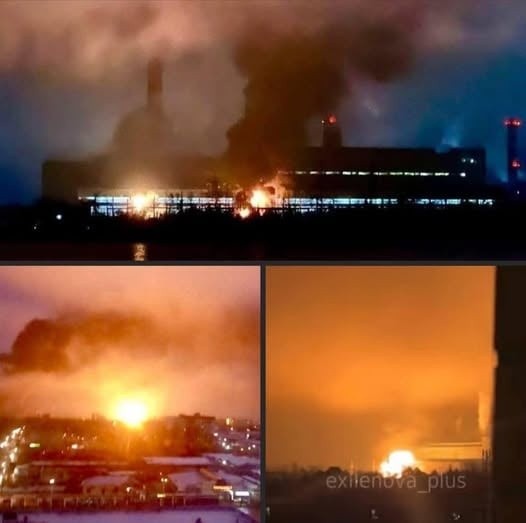
Why Sudden Alerts Feel So Emotionally Intense
Psychologists explain that unexpected alerts activate the brain’s survival instincts.
Humans are naturally sensitive to sudden interruptions, especially those connected to uncertainty or possible danger. When a notification arrives across multiple devices at once, people instinctively interpret it as important.
The emotional response becomes even stronger when information is limited.
Research shows that uncertainty often creates more anxiety than confirmed facts. A vague warning can leave people imagining countless possibilities, especially in an age shaped by nonstop news cycles and social media speculation.
This helps explain why large-scale alerts sometimes generate immediate online discussions, rumors, and fear even before officials release detailed explanations.
A World More Connected Than Ever Before
One reason global alerts feel especially unsettling today is because modern systems are deeply interconnected.
A disruption in one part of the world can influence economies, transportation networks, communication systems, and public confidence elsewhere within hours.
This interconnectedness affects many areas of daily life, including:
Energy supplies
Shipping routes
Food distribution
Financial markets
Digital communication
Healthcare systems
Travel networks
Because of this, people often view emergency alerts not only as local warnings but as reminders of how dependent modern society has become on complex global infrastructure.
Historical Fears of Worldwide Collapse
Throughout history, societies have worried about the possibility of sudden large-scale disruption.
Ancient civilizations interpreted unusual events such as eclipses, storms, or unexplained environmental changes as signs of instability or transformation. In later centuries, fears evolved around economic crises, wars, technological failures, and natural disasters.
In the modern era, these anxieties have shifted toward concerns involving cyber security, global supply chains, climate events, and digital infrastructure.
Popular culture has amplified these fears through films, novels, and television dramas depicting scenarios where communication systems fail or governments issue dramatic emergency broadcasts.
While these fictional portrayals are designed for entertainment, they influence how people emotionally react to real-world alerts.
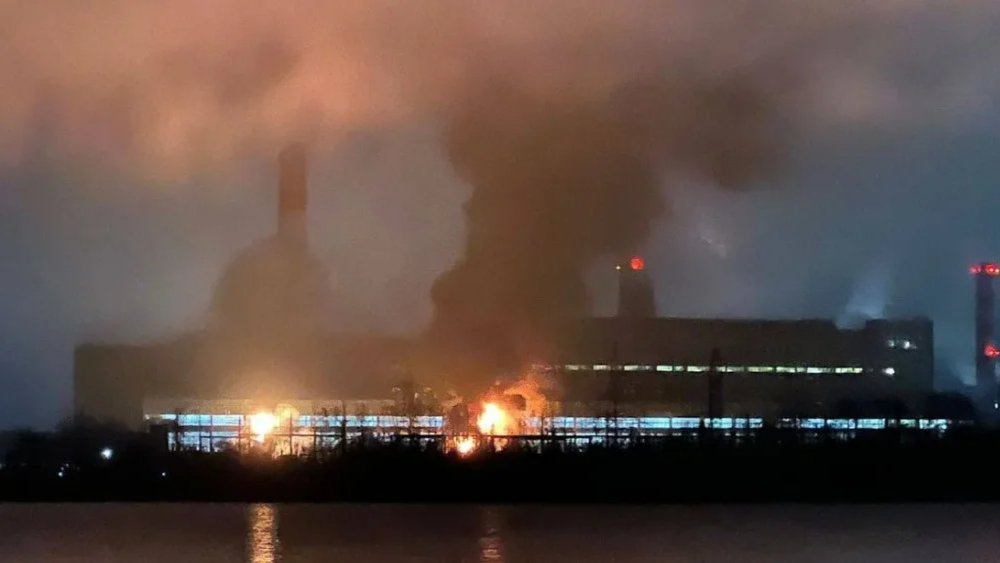
The Psychology of Collective Panic
Social scientists describe panic as a contagious emotional response that spreads quickly through groups.
Today, digital communication accelerates this process dramatically.
When emergency notifications appear, people immediately begin searching online for explanations. Social media platforms fill with screenshots, theories, and reactions within minutes.
This creates what psychologists call an “information surge,” where accurate reports mix with speculation and misinformation.
Interestingly, studies show that people often mirror the emotions of those around them during uncertain situations. If others appear frightened, individuals become more likely to interpret events as threatening themselves.
This is why calm, clear communication from trusted institutions is considered essential during emergencies.
How Media Shapes Public Perception
News coverage plays a major role in how global alerts are understood.
Headlines using dramatic language may attract attention, but they can also intensify fear. Phrases suggesting collapse, catastrophe, or worldwide crisis often spread rapidly online because emotionally charged content receives more engagement.
At the same time, responsible journalism serves an important purpose by helping people separate verified facts from speculation.
Media experts encourage readers to evaluate sources carefully during fast-moving events and avoid relying solely on viral posts or unverified claims.
Understanding the difference between precautionary preparedness and confirmed danger is essential for maintaining perspective.
Why Emergency Preparedness Matters
While dramatic speculation often dominates online conversations, emergency experts focus on practical readiness rather than fear.
Preparedness does not mean expecting disaster. Instead, it means understanding how to respond calmly if disruptions occur.
Many public safety organizations recommend simple preparedness measures such as:
Keeping emergency contact information updated
Maintaining backup phone chargers
Having access to clean water and essential supplies
Staying informed through official communication channels
Knowing local emergency procedures
These recommendations are designed for a wide range of situations, including storms, infrastructure outages, or regional emergencies.
Preparedness is ultimately about resilience rather than panic.
Technology’s Double-Edged Role
Technology has made emergency communication faster and more effective than ever before. A single notification can reach millions of people in seconds.
Yet the same technology can also amplify confusion.
Algorithms prioritize emotionally engaging content, which sometimes means alarming rumors spread faster than official updates. Artificial intelligence, edited videos, and misleading screenshots may further complicate public understanding during unfolding events.
This creates a paradox of the digital age. People have access to more information than ever before, yet distinguishing reliable information from speculation can become increasingly difficult.
Experts encourage verifying updates through official government agencies, established news organizations, and public safety departments.
The Cultural Fascination With “The End”
One reason global alerts capture so much attention is because humans have long been fascinated by the idea of dramatic turning points.
Stories about societal collapse, transformation, or major world change appear across countless cultures and historical periods. These narratives reflect both fear and curiosity about the unknown.
In modern entertainment, emergency alerts often symbolize the moment when ordinary life suddenly changes. This storytelling pattern has become deeply familiar through movies, streaming series, and online discussions.
As a result, even routine precautionary alerts may feel emotionally charged because they resemble fictional scenarios people have already imagined many times before.
Balancing Awareness With Rational Thinking
Health experts, psychologists, and emergency planners all emphasize the importance of staying informed without becoming overwhelmed.
Large-scale alerts are designed to encourage awareness and preparedness, not automatic panic.
In many cases, emergency systems are activated out of caution rather than confirmation of immediate danger. Authorities often prefer early communication so the public has time to respond appropriately if needed.
Understanding this helps people interpret alerts more calmly and critically.
Fear spreads fastest when information is unclear, but balanced knowledge allows individuals to make thoughtful decisions instead of reacting impulsively.
The Importance of Trust During Uncertain Moments
Public trust plays a major role in how societies respond to emergencies.
When people trust institutions, communication systems, and scientific expertise, they are more likely to remain calm and follow guidance responsibly.
When trust is weak, uncertainty grows more quickly, creating space for rumors and emotional reactions.
This is why transparency and clear communication are considered essential parts of modern emergency management.
People are generally more resilient when they feel informed, respected, and connected to reliable sources of information.

Conclusion: Why Global Alerts Leave Such a Lasting Impact
A sudden emergency notification interrupts more than daily routines. It briefly exposes how connected and vulnerable modern life can feel.
Even precautionary alerts remind people that communication systems, economies, infrastructure, and public safety are woven together across borders in ways previous generations never experienced.
At the same time, these moments also reveal something timeless about human nature. People instinctively search for meaning, certainty, and reassurance when faced with unexpected events.
Across history, societies have reacted to uncertainty with stories, speculation, caution, and curiosity. Modern technology has changed the speed of those reactions, but not the emotions behind them.
Perhaps that is why global alerts leave such a strong impression. They are not only technical messages. They are reminders of humanity’s shared awareness that the world can change quickly, and that understanding, preparation, and calm thinking remain among our most valuable tools.
Sources
Federal Emergency Management Agency (FEMA) – Emergency Alerts
World Health Organization – Risk Communication During Emergencies
American Psychological Association – Stress and Public Emergencies
United Nations Office for Disaster Risk Reduction
National Geographic – The Psychology of Fear
