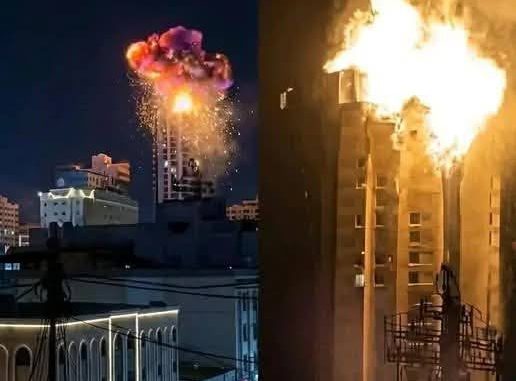

A dramatic headline appears online, suggesting that multiple countries have joined forces in a sudden military action. Words like “breaking” and “attack” create immediate concern, especially when they involve regions already known for geopolitical tension.
For many readers, the instinct is to react quickly. But in situations involving global security, the most important step is not speed, it is verification.
When countries such as Iran, United States, or Israel are mentioned, headlines can easily amplify uncertainty. Understanding what is actually confirmed helps prevent confusion.
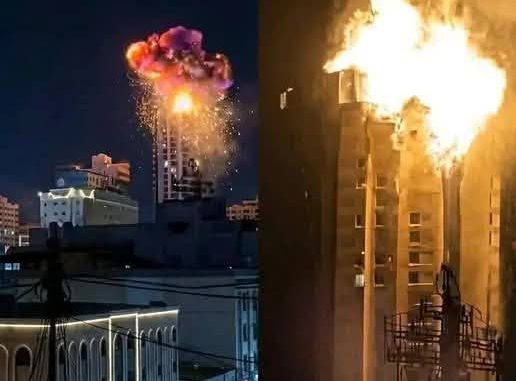
The Strategic Importance of the Persian Gulf
The Persian Gulf is one of the most strategically important areas in the world.
It serves as a major route for global energy transportation, with oil and gas shipments moving through its waters daily. Because of this, stability in the region is closely tied to global economic conditions.
Countries such as United Arab Emirates, Bahrain, and Qatar host key military installations and maintain defense partnerships with international allies.
This long-standing military presence is part of ongoing security planning, not necessarily a sign of immediate conflict.
Military Bases and Their Role
Several major bases operate in the region, including Al Udeid Air Base and facilities linked to the United States Fifth Fleet in Bahrain.
These locations support:
Air surveillance and monitoring
Logistical coordination
Regional defense cooperation
Their purpose is largely preventive. They are designed to monitor activity, respond to potential risks, and maintain stability across critical areas.

What Heightened Security Actually Means
During periods of tension, governments often increase alert levels. This can include:
Enhanced radar and airspace monitoring
Increased readiness of defense systems
Precautionary public advisories
These actions are standard procedure. They do not automatically indicate that an attack is taking place.
Defense analysts emphasize that preparedness is part of routine operations in sensitive regions. It reflects caution, not necessarily escalation.
Why Viral Claims Appear During Tension
When geopolitical tensions rise, online speculation tends to increase as well.
Viral posts often:
Use urgent or alarming language
Lack clear sourcing
Combine real context with unverified claims
This combination can make them appear credible, even when they are not confirmed.
In many cases, such claims spread faster than official updates, creating a gap between perception and reality.
How Real Military Developments Are Reported
Significant international actions are rarely hidden or announced through unofficial channels.
Verified developments typically come from:
Government statements
Defense ministry briefings
International news agencies such as Reuters or BBC
Official diplomatic communications
Because of the global impact, major events are usually reported consistently across multiple trusted sources.
If a claim appears only on lesser-known platforms, it should be approached with caution.

The Role of Diplomacy and Coordination
Despite tensions, international relations are guided by structured communication.
Countries maintain diplomatic channels to:
Prevent misunderstandings
Coordinate responses
Manage risks
In regions like the Persian Gulf, these systems are essential. They help ensure that routine military activity does not escalate into unintended conflict.
Experts often note that large-scale actions involve complex planning and coordination, making sudden, unverified claims unlikely.
Civilian Safety and Public Guidance
When security levels change, governments may issue guidance to residents.
This can include:
Following official updates
Avoiding restricted areas
Staying informed through trusted sources
These measures are precautionary. They are designed to keep people safe while authorities assess the situation.
Importantly, they do not necessarily signal immediate danger.

How to Evaluate Breaking News
In fast-moving situations, a few simple checks can help determine reliability:
Is the source widely recognized?
Are multiple reputable outlets reporting the same information?
Are there official statements confirming the claim?
If the answer to these questions is unclear, it is best to wait for verification before drawing conclusions.
A Broader Perspective on Global Tensions
Tensions involving Iran, United States, and their allies are part of a long-standing geopolitical landscape.
While these situations can change, they are typically monitored closely by governments and international organizations.
This means that most developments unfold gradually, with clear signals and communication, rather than sudden, unexpected announcements from unofficial sources.
A Reflection on Human Curiosity
Breaking news headlines capture attention because they speak to a natural human instinct: the need to understand what is happening around us.
In moments of uncertainty, curiosity increases. People search for answers, share information, and try to make sense of complex events.
But curiosity is most valuable when paired with patience.
Taking a moment to verify, to question, and to seek reliable information allows understanding to replace assumption. In a world where information moves instantly, this balance becomes essential.
Because in the end, the goal is not just to react to headlines, but to understand the reality behind them.
Sources
BBC News. “Security Developments in the Persian Gulf.”
Reuters. “Military Readiness and Regional Monitoring Explained.”
Al Jazeera. “Geopolitical Tensions in the Middle East.”
United Nations. “Maritime Security and Global Trade Routes.”
U.S. Department of Defense. “Overview of Military Installations in the Gulf Region.”
