

In recent months, global attention has turned once again toward Jerusalem, a city where history, faith, and identity intersect in powerful ways. Discussions about the ancient Red Heifer ritual and the idea of a future Third Temple have gained renewed visibility, especially across online platforms.
For some, these conversations are deeply spiritual. For others, they are historical or symbolic. Regardless of perspective, the topic reflects a broader human fascination with how ancient traditions continue to influence the modern world.

Understanding the Red Heifer Ritual
Origins in Ancient Texts
The Red Heifer ritual is described in the Book of Numbers, part of the Hebrew Bible. According to the text, a מיוחדת purification process required a red heifer that met very specific conditions.
The animal had to be entirely red, free of blemishes, and never used for labor. Its ashes were then mixed with water and used in ceremonial purification practices.
Symbolism and Meaning
Beyond its physical details, the ritual carries deep symbolic meaning. It represents purification, renewal, and preparation for participation in sacred practices.
Scholars often interpret it as part of a broader מערכת of religious laws that shaped daily life in ancient Israelite society.

The Historical Temples of Jerusalem
The First and Second Temples
The story of the Red Heifer is closely tied to the history of the Temple in Jerusalem.
The First Temple is traditionally associated with King Solomon and served as a central place of worship. It was later destroyed during ancient conflicts.
The Second Temple, rebuilt generations later and expanded under Herod the Great, became the heart of Jewish religious life for centuries.
A Lasting Absence
After the destruction of the Second Temple in the first century, it was never rebuilt. Since then, the idea of a future temple has remained part of religious thought and interpretation.
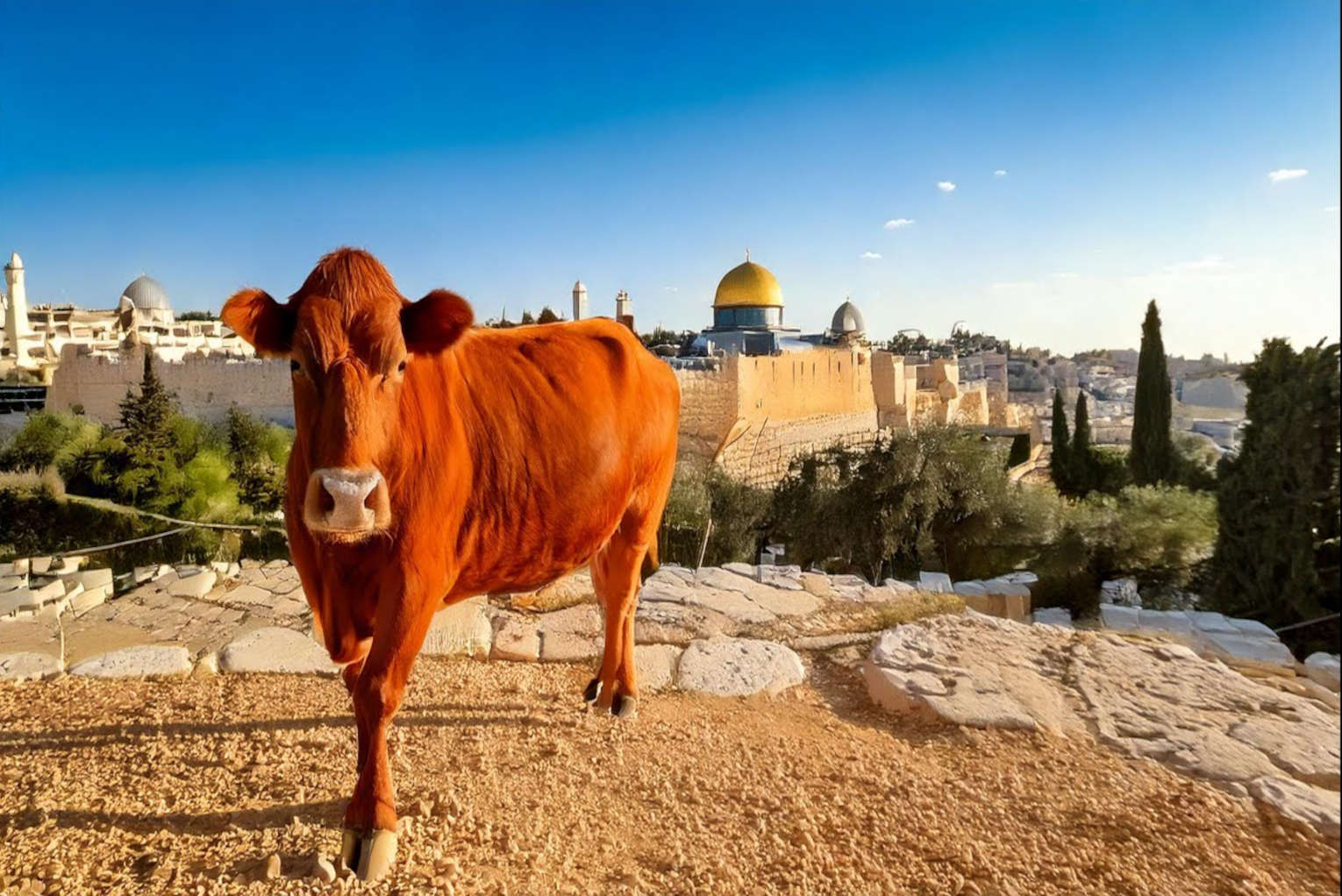
The Idea of a Third Temple
Religious Interpretations
Within Judaism, views on a potential Third Temple vary widely. Some traditions see it as part of a future spiritual era, while others focus on preserving historical knowledge rather than immediate reconstruction.
In Christianity, interpretations also differ, often shaped by broader theological frameworks about prophecy and the future.
A Symbolic Concept
For many believers, the Third Temple is not just a physical structure. It represents hope, restoration, and continuity with the past.
These symbolic meanings help explain why the topic continues to resonate across generations.
The Temple Mount: A Shared Sacred Space
A Unique Location
The site historically associated with the temples is known as the Temple Mount.
This area holds significance for multiple faiths. It is linked to Jewish history, Islamic tradition, and Christian heritage, making it one of the most important religious sites in the world.
Modern Realities
Today, the site includes landmarks such as the Al-Aqsa Mosque and the Dome of the Rock.
Because of its shared importance, any discussion about changes to this المكان involves complex cultural, religious, and political considerations.
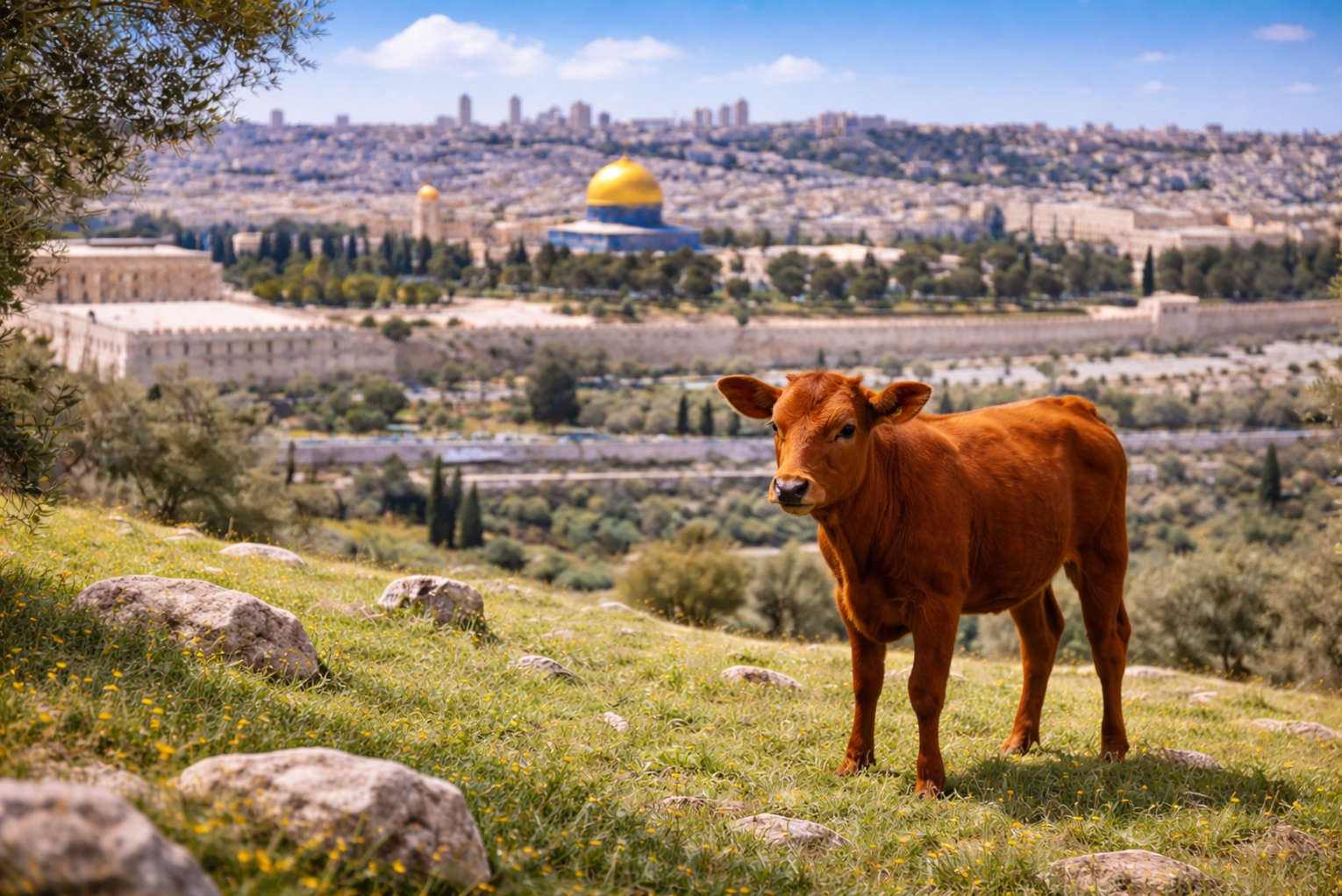
Renewed Interest in the Red Heifer
Contemporary Developments
In recent years, certain religious groups have explored the possibility of reviving ancient temple practices. This includes efforts to identify a red heifer that meets traditional criteria.
These developments have sparked curiosity and debate, particularly online.
Interpreting the Significance
Supporters may view such developments as meaningful steps connected to tradition. However, many scholars emphasize that these interpretations are speculative and not universally accepted.
Without the broader historical context of the temple system, the ritual would not function in the same way it did in ancient times.
Myth, Prophecy, and Public Imagination
The Power of Ancient Narratives
Throughout history, stories of prophecy and sacred places have captured human imagination. The idea that ancient traditions could re-emerge in modern times is both compelling and complex.
These narratives often blend history, belief, and interpretation.
The Role of Social Media
Today, platforms amplify these discussions at an unprecedented scale. Short clips, posts, and commentary can quickly spread ideas to global audiences.
While this increases awareness, it can also lead to misunderstandings when context is lost.
Scientific and Historical Perspectives
Studying Ancient Practices
From an academic perspective, the Red Heifer ritual provides insight into the religious החיים of ancient societies. Archaeology, textual analysis, and historical research help scholars understand how these practices developed.
The Importance of Context
Experts stress that ancient rituals should be understood within their original cultural and historical settings. Applying them directly to modern situations requires careful interpretation.
This balanced approach helps separate historical facts from speculative ideas.

A Balanced View of the Debate
Faith and Evidence
The ongoing discussion highlights the difference between belief and evidence. Faith-based interpretations can coexist with scholarly analysis, but they serve different purposes.
Recognizing this distinction allows for more thoughtful and respectful dialogue.
Global Interest
The combination of religion, history, and geopolitics makes this topic particularly engaging. It connects personal beliefs with broader global conversations.
As a result, it continues to attract attention from diverse audiences.
Conclusion: Curiosity Across Time
The renewed interest in the Red Heifer ritual and the idea of a Third Temple shows how deeply the past can influence the present.
In Jerusalem, history is not just remembered. It is lived, interpreted, and debated every day.
At its core, this story reflects human curiosity. People seek meaning in ancient texts, connections between past and present, and answers to questions that span generations.
By approaching these topics with both openness and critical thinking, we gain a deeper understanding of the world and the narratives that shape it.
Sources
NewsUSStarEverydays.com – “Red Heifer Ritual and Third Temple Discussions Ignite Global Debate in 2026”
Book of Numbers – Biblical reference for the ritual
Encyclopaedia Britannica – Historical background on Jerusalem and the Temple
Smithsonian Institution – Studies on ancient religious practices
