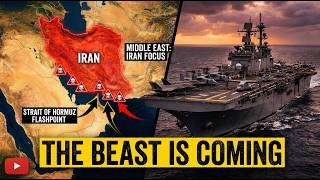

Recent online discussions have highlighted dramatic claims suggesting that a single warship from the United States Navy could rapidly reopen the Strait of Hormuz through a swift and highly secretive operation. While such narratives may attract attention, verified information from defense authorities, international organizations, and established research institutions presents a more grounded and realistic perspective.
This article offers an evidence-based overview of the Strait of Hormuz’s strategic importance, the realities of naval operations in the region, and why claims of a single decisive military action should be treated with caution.

Strategic Importance of the Strait of Hormuz
The Strait of Hormuz is one of the most vital maritime corridors in the global economy. Positioned between Iran and Oman, it connects the Persian Gulf to the Arabian Sea, serving as a primary route for energy exports.
According to data from the U.S. Energy Information Administration, approximately 20 percent of the world’s petroleum liquids consumption passes through this narrow waterway. This makes the strait a critical artery for global trade, particularly for countries dependent on energy imports.
Any disruption in this region can influence oil prices, shipping logistics, and broader economic stability across multiple continents.
The Role of the United States Navy in the Region
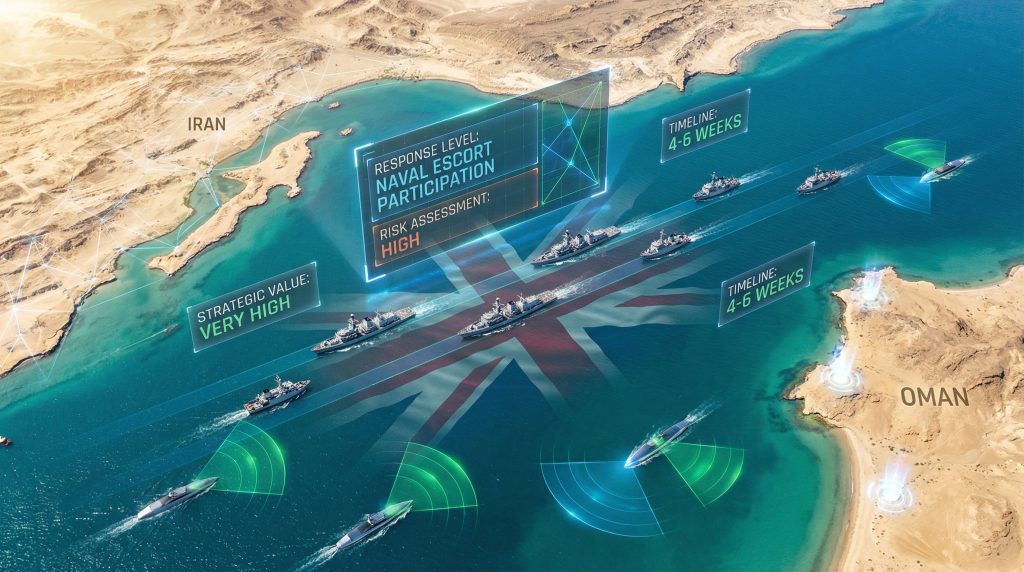
The United States maintains a continuous naval presence in the area through its Fifth Fleet, tasked with ensuring maritime security and supporting freedom of navigation. The United States Navy operates in coordination with allied forces to monitor and protect commercial shipping routes.
Naval missions in the Strait of Hormuz typically involve multiple assets working together, including destroyers, surveillance aircraft, and specialized support vessels. These operations are carefully coordinated and designed to prevent escalation while maintaining security.
The idea that a single ship could independently manage all aspects of such a complex mission does not align with established naval strategy or operational doctrine.
Mine Countermeasures and Operational Complexity
Naval mines represent one of the most significant threats in the Strait of Hormuz. Addressing this risk requires specialized capabilities and coordinated efforts.
Mine countermeasure operations usually include:
Dedicated mine-hunting vessels
Unmanned underwater systems
Explosive ordnance disposal teams
Airborne detection technologies
Military experts note that clearing even a limited minefield can take considerable time, depending on environmental conditions and the sophistication of the devices. These operations are methodical and cannot be safely accelerated without increasing risk.

Electronic Warfare and Defense Capabilities
Modern naval vessels are equipped with advanced systems designed to detect and respond to potential threats. These include radar, communication systems, and defensive countermeasures.
While such technologies enhance situational awareness and protection, there is no verified evidence to support claims of undisclosed capabilities that can instantly neutralize large-scale coastal defense networks. Official defense publications and expert analyses consistently describe these systems as part of a broader, integrated approach rather than standalone solutions.
Regional Tensions and Verified Developments
The Strait of Hormuz has experienced periodic tensions involving regional actors, particularly Iran. These incidents have included vessel detentions, increased patrol activity, and diplomatic disputes.
However, there have been no confirmed reports from reputable global media outlets or official government sources indicating a recent large-scale blockade followed by an overnight reopening led by a single warship.
International responses to tensions in the region are typically coordinated through diplomatic channels and organizations such as the United Nations, which emphasize stability and conflict prevention.
Multinational Efforts to Maintain Maritime Security
Security in the Strait of Hormuz is maintained through cooperation among multiple countries. Various international initiatives focus on safeguarding shipping lanes and ensuring the free flow of commerce.
These efforts generally include:
Joint patrols and naval coordination
Real-time information sharing
Monitoring and surveillance operations
Escort missions for commercial vessels
Such collaboration reflects the shared global interest in maintaining stability in this critical waterway.
Economic Implications of Disruption
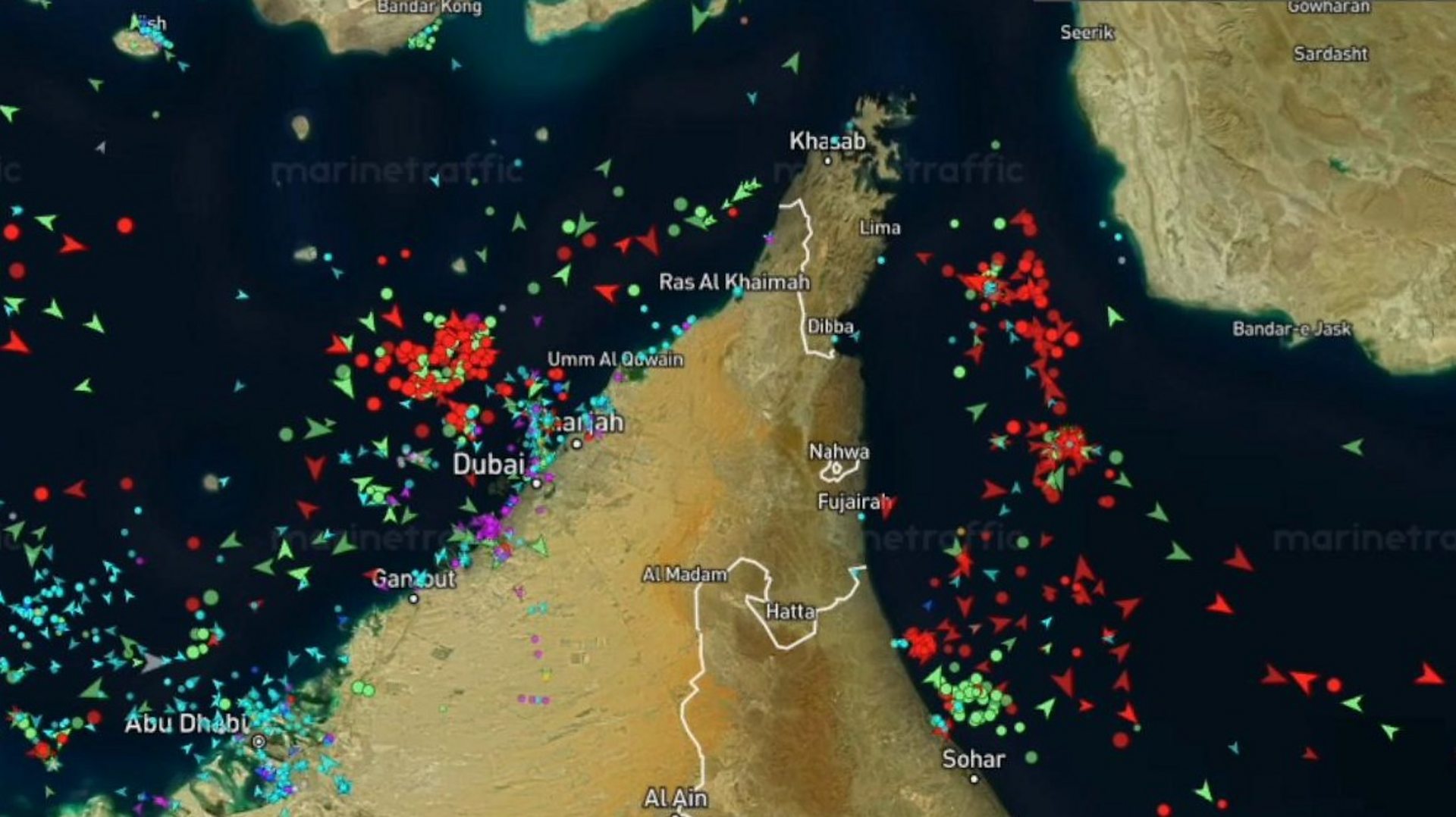
Because of its strategic role, any credible disruption in the Strait of Hormuz would quickly affect global energy markets. Analysts and institutions closely monitor developments using shipping data, satellite imagery, and official communications.
When significant disruptions occur, financial markets and governments respond rapidly with verified updates. The absence of such widespread confirmation indicates that claims of sudden large-scale closures or reopenings should be viewed with skepticism.

Recognizing and Evaluating Viral Claims
Content that presents dramatic scenarios often combines factual elements with speculation. To assess credibility, it is important to consider whether:
The information is supported by official sources
Multiple reputable organizations confirm the claims
The narrative aligns with established military and geopolitical knowledge
Claims lacking these elements are unlikely to reflect actual events.
The Value of Reliable Information
Accurate understanding of global events depends on credible sources, including:
Government statements
International organizations
Established news agencies
Academic and defense research institutions
These sources provide verified data and context, helping readers make informed assessments of complex situations.
Conclusion
The Strait of Hormuz remains a cornerstone of global energy security and international trade. While military forces, including the United States Navy, play a vital role in maintaining stability, real-world operations are complex and rely on coordination, planning, and international cooperation.
There is no substantiated evidence supporting claims that a single warship has recently carried out a rapid operation to reopen the strait. Instead, maritime security continues to be managed through measured strategies and collaborative efforts.
In an era of fast-moving digital information, distinguishing between verified facts and speculative narratives is essential. Relying on credible sources ensures a clearer and more accurate understanding of global developments.
