

A Disturbing Banking Incident in Brazil Raises Alarming Questions About Elder Care and Financial Safeguards
A deeply unsettling incident at a bank in Brazil has triggered widespread debate about elder protection, ethical responsibility, and the safeguards financial institutions rely on when dealing with vulnerable individuals. What initially appeared to be a routine visit to finalize loan paperwork quickly evolved into a case that has drawn national and international attention—prompting investigations, public outrage, and renewed scrutiny of how society protects its aging population.
The case centers on a woman who brought an elderly relative into a bank branch in Rio de Janeiro, seeking to complete a financial transaction. What bank employees soon realized, however, was that something was profoundly wrong.
An Unusual Visit That Raised Immediate Concerns

According to Brazilian media reports, the woman—later identified as Erika de Souza Vieira Nunes—entered a bank branch in the western zone of Rio de Janeiro pushing a wheelchair. Seated in it was an elderly man she described as her uncle. Her stated purpose was to have him co-sign or approve a loan valued at roughly $3,400 USD.
At first glance, the interaction seemed ordinary. Nunes spoke calmly to staff, explained the paperwork, and positioned the wheelchair at a service desk. But as the minutes passed, bank employees noticed something troubling: the elderly man remained completely unresponsive.
He did not speak, gesture, or react to questions. His posture remained unchanged, and his head appeared unsupported. Staff members, trained to look for signs of distress or incapacity, began quietly exchanging glances and asking follow-up questions.
Video Footage and a Conversation That Sparked Alarm

The encounter was partially captured on video and later aired by TV Globo, Brazil’s largest broadcaster. The footage spread rapidly online, igniting public concern.
In the recording, Nunes can be heard speaking directly to the man, encouraging him to participate in the process. At one point, she places a pen between his fingers and urges him to grip it so he can sign the documents.
She reassures bank employees that he is “like this” and suggests he had been unwell earlier in the day. When a staff member expresses concern about his condition, she responds calmly and continues attempting to proceed with the transaction.
For the bank workers present, the situation crossed a critical line. Their unease grew into certainty that the man was not capable of consenting—or possibly not conscious at all.
Authorities Are Called In
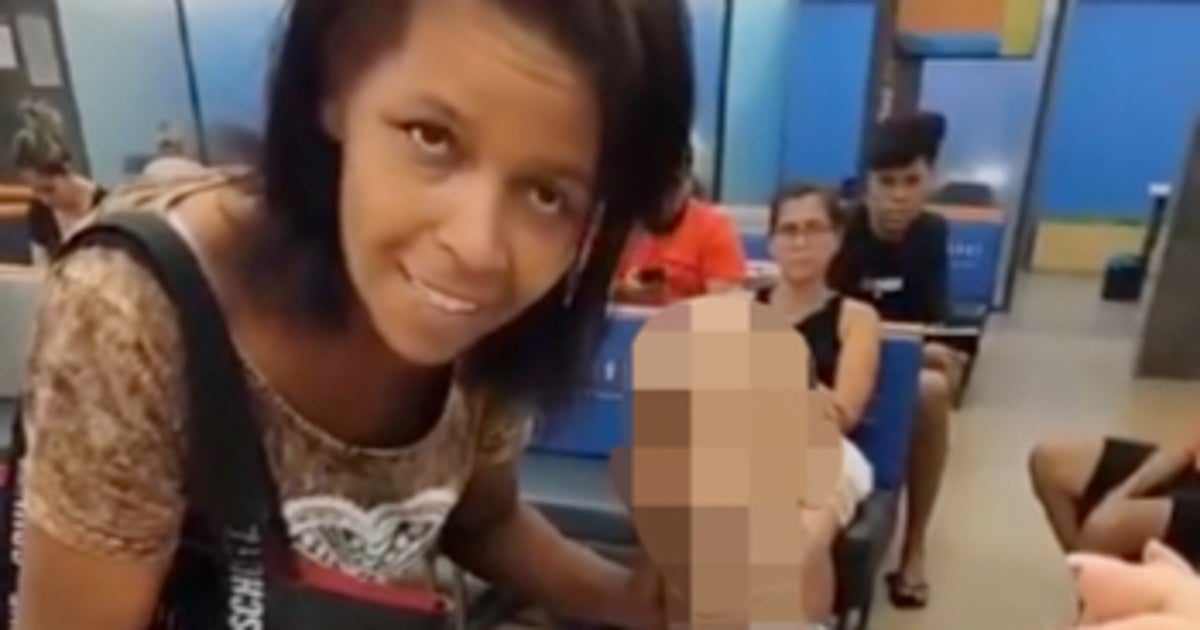
Bank staff made the decision to halt the transaction and contact local authorities. Police and emergency responders arrived at the scene and immediately began assessing the situation.
The elderly man was later identified as Paulo Roberto Braga, reportedly 68 years old. Medical professionals determined that he was unresponsive at the time of the bank visit. Further examination was ordered to establish his condition prior to arriving at the branch.
Officials emphasized that determining the timeline—when Braga became unresponsive and whether he had received medical care earlier—would be central to understanding what happened.
An Investigation With Serious Implications
Brazilian authorities confirmed that a formal inquiry was launched shortly after the incident. Investigators are reviewing multiple aspects of the case, including:
-
The exact nature of the loan request
-
Whether any documentation had been submitted before the visit
-
The relationship between Nunes and Braga
-
The man’s medical condition and history
-
Whether any deception or financial misconduct occurred
A spokesperson for the investigation stated that the case is being treated with sensitivity and seriousness, given its implications for elder protection and financial ethics.
While no definitive legal outcome was immediately announced, legal analysts noted that potential considerations could include misrepresentation, improper handling of financial consent, or exploitation of a vulnerable individual—depending on what evidence ultimately shows.
Public Reaction: Shock, Anger, and Unease
Once video of the incident began circulating online, public reaction was swift and intense. Many viewers expressed disbelief that such a situation could unfold inside a modern bank, in full view of employees and customers.
Social media discussions ranged from outrage to concern about how many similar situations may go unnoticed. Elder rights advocates warned against trivializing the case as a viral oddity, emphasizing that it highlights real risks faced by aging individuals who rely on caregivers or family members.
“This isn’t just about one person,” said one advocate quoted in Brazilian media. “It’s about systems—families, banks, and institutions—and how they can fail when safeguards are weak.”
Ethical Questions That Go Beyond One Case
The incident has forced difficult conversations in Brazil and beyond. At its core are questions that affect societies worldwide:
-
How do financial institutions ensure that consent is genuine and informed?
-
What responsibilities do caregivers and relatives carry when managing financial matters for elderly family members?
-
Are frontline workers adequately trained to recognize signs of incapacity or distress?
Banks in Brazil have since acknowledged the need to review procedures. Some institutions announced plans to reinforce staff training, especially regarding transactions involving seniors, individuals with disabilities, or those accompanied by caregivers.
Experts argue that while regulations exist, real-world situations can be complex—and that vigilance, not just paperwork, is essential.
The Human Story Behind the Headlines
Amid the investigations and public debate, it is easy to lose sight of the human element. Paulo Roberto Braga was not just a subject of inquiry or a viral image—he was an elderly man whose dignity and well-being became central to a disturbing public moment.
Likewise, authorities caution against rushing to conclusions about intent before the investigation is complete. Understanding motivation, context, and mental state is essential before assigning blame or judgment.
Behind every shocking headline is a story shaped by family dynamics, stress, health challenges, and societal pressures—often far more complex than a single video clip can convey.
A Wake-Up Call for Institutions and Communities
This case has become a catalyst for reflection across Brazil’s financial and social systems. It underscores the importance of robust protections for vulnerable individuals—not only through laws and policies, but through awareness, training, and ethical responsibility at every level.
For banks, it reinforces the need to empower employees to pause transactions and raise concerns without fear of repercussion. For families, it highlights the moral weight of caregiving and decision-making on behalf of elderly relatives. And for society as a whole, it serves as a reminder that aging populations require more than sympathy—they require safeguards that work in practice, not just on paper.
What Happens Next
Investigators continue to gather evidence, consult medical professionals, and review records related to the attempted loan. Any legal decisions will depend on the findings of that process.
Until then, the incident stands as a sobering example of why vigilance matters—especially when financial systems intersect with vulnerability and trust.
Behind the headlines and viral footage lies a broader lesson: protecting dignity, consent, and human welfare must always come before completing a transaction.
