

In recent years, physicians across the United States have observed a steady rise in emergency room visits linked to a little-known condition associated with cannabis use. While often discussed online with exaggerated or humorous language, medical professionals emphasize that the underlying condition is neither new nor fictional. It is formally called Cannabis Hyperemesis Syndrome (CHS), and its increasing prevalence has prompted renewed attention from public health experts, researchers, and clinicians.
CHS is characterized by recurring episodes of nausea, vomiting, and abdominal discomfort among individuals who use cannabis frequently or over long periods. Although the condition affects only a portion of cannabis consumers, the pattern of symptoms has become common enough that hospitals and research institutions are working to increase awareness, promote early diagnosis, and highlight safer practices for those who use cannabis regularly.
Why CHS Is Coming Into Focus Now

For decades, cannabis has been widely used both recreationally and medicinally, with many individuals relying on it for relaxation, pain relief, or stress management. As legalization has expanded across the United States, access and potency have increased significantly. Alongside these shifts, hospitals have reported an uptick in patients experiencing unexplained gastrointestinal distress.
Dr. Beatriz Carlini of the University of Washington School of Medicine notes that misdiagnosis is common, leading to repeated emergency visits before the condition is correctly identified. Because CHS shares features with food poisoning, gastrointestinal infections, or cyclical vomiting syndromes, it is easy for clinicians to overlook the role of cannabis unless they specifically inquire about usage patterns.
According to Carlini, frequent cannabis users experiencing these symptoms often assume the episodes are unrelated to consumption. Without awareness of CHS, individuals may continue using cannabis, inadvertently triggering further episodes and increasing the likelihood of future hospital visits.
What Are the Symptoms of CHS?
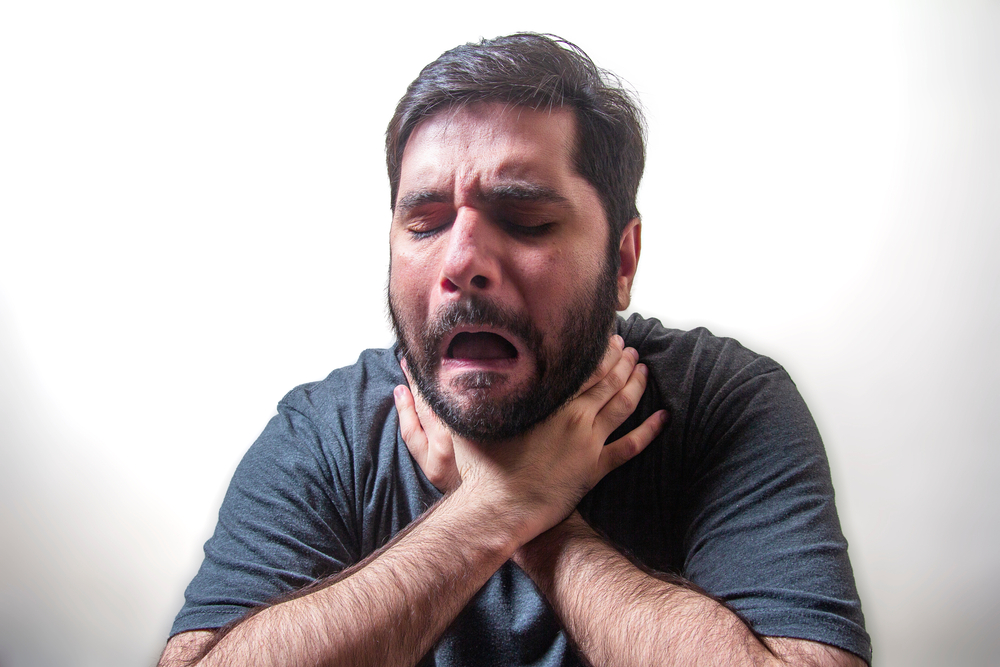
CHS typically presents in cycles. Individuals may feel well for extended periods, then suddenly experience:
-
Persistent nausea
-
Recurrent vomiting
-
Abdominal discomfort
-
Reduced appetite
-
Dehydration
These cycles can last for hours to days. One notable characteristic reported by clinicians is that individuals often seek relief through hot showers or baths. While this behavior is not harmful in itself, physicians observe that the temporary improvement from heat exposure can be a clue pointing toward CHS rather than other gastrointestinal conditions.
Emergency physician Dr. Chris Buresh explains that common anti-nausea medications are often less effective for CHS than they are for other causes of vomiting. As a result, clinicians may use alternative strategies, such as topical capsaicin creams or specific medications, to manage symptoms in the short term. However, these treatments do not resolve the underlying cause.
Why Does CHS Happen?
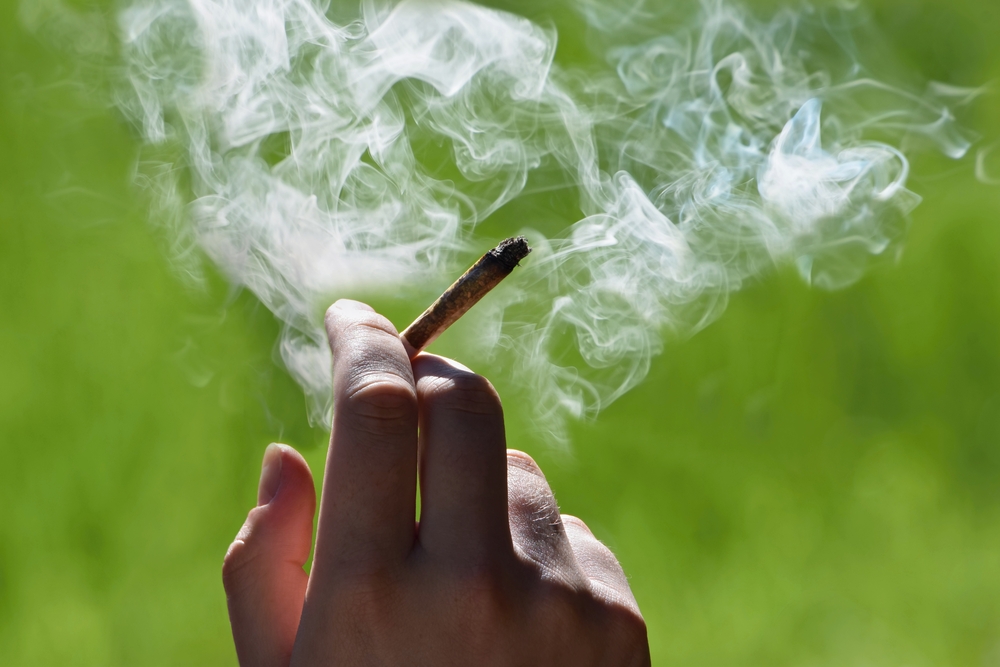
Despite growing research, scientists still do not fully understand why only some cannabis users develop CHS. One leading theory involves overstimulation of the endocannabinoid system, a network of receptors in the body that regulates mood, appetite, memory, and the gastrointestinal system.
Cannabis interacts with this system in complex ways. At low to moderate levels, cannabis can reduce nausea—a reason it is used medically in some settings. But in cases of heavy or prolonged use, researchers theorize the system may become dysregulated, producing the opposite effect.
Dr. Buresh notes that susceptibility appears to vary widely. Some individuals develop symptoms after many years of use, while others experience CHS after shorter periods. There is no known “safe threshold,” and dosage does not always predict vulnerability.
Who Is Most at Risk?
Although CHS can affect adults of any age, emerging data shows an increase in adolescent presentations. A recent study from George Washington University analyzing more than 1,000 CHS cases found:
-
Early first-time cannabis use correlated with higher risk
-
More frequent users were more likely to require emergency care
-
Teens and young adults showed a significant rise in CHS cases between 2016 and 2023
Interestingly, adolescent CHS cases increased even in states where recreational cannabis is not legal. Researchers suggest that unregulated products may vary in potency, composition, or contaminants, though additional studies are needed.
Meanwhile, states with legalized cannabis tended to see higher overall CHS incidents among adults, likely due to greater availability and higher-potency products.
CHS Gains Global Recognition
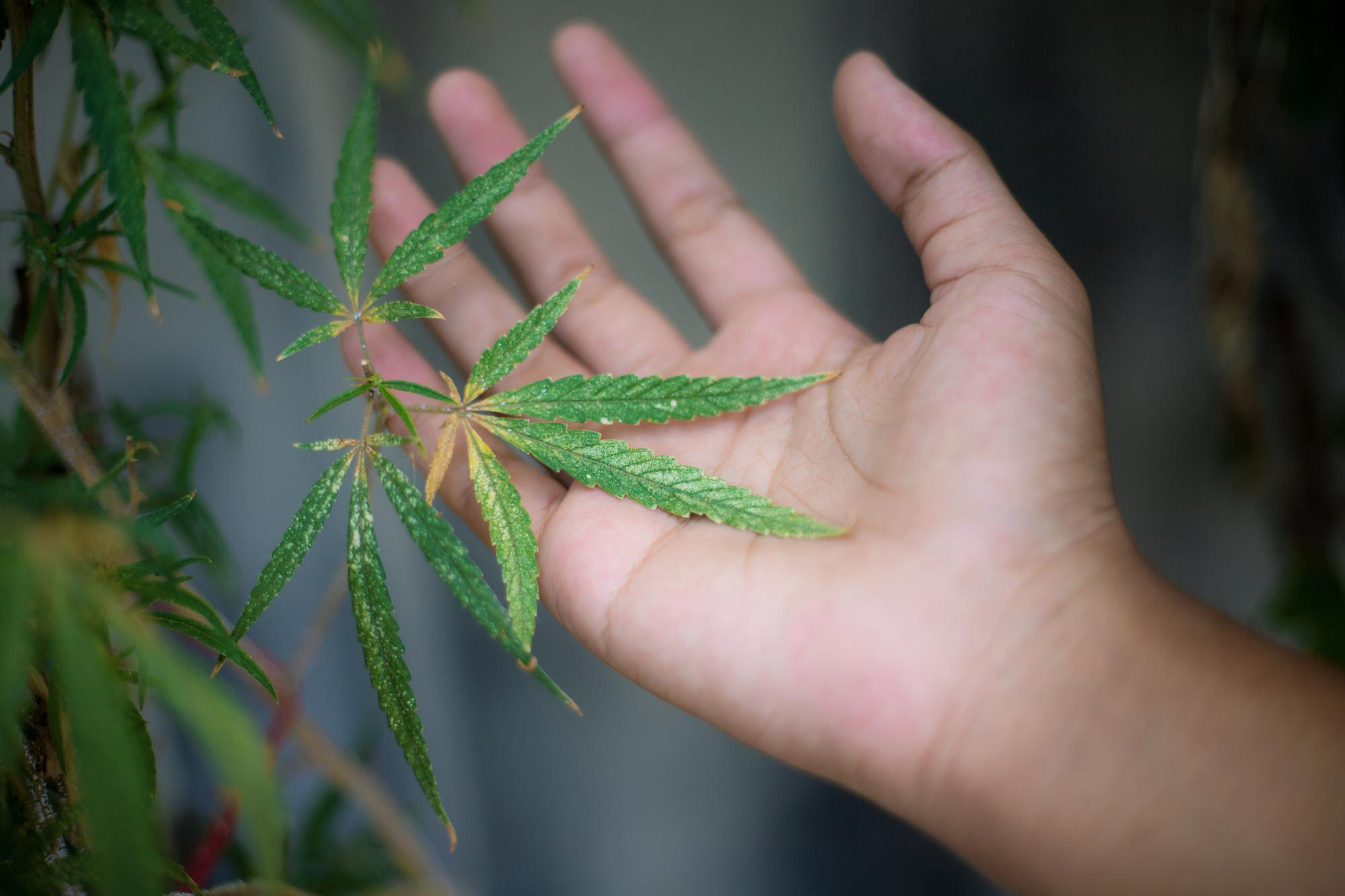
On October 1, 2025, the World Health Organization officially assigned a diagnostic code to Cannabis Hyperemesis Syndrome. This step, though administrative on the surface, is important for public health tracking and clinical research.
Dr. Carlini explains that having a formal diagnostic code helps physicians document cases more consistently. Over time, this standardized reporting provides researchers with real-world data about trends, severity, and risk factors. It also facilitates better communication between hospitals and public health agencies.
Treatment and Long-Term Outlook
In the short term, CHS requires medical attention when symptoms become severe, particularly if dehydration or electrolyte imbalances occur. Emergency departments can provide fluids, medications, and monitoring to stabilize patients.
However, doctors emphasize that the only proven long-term solution is reducing or discontinuing cannabis use. Once cannabis is removed from an individual’s routine, CHS symptoms usually stop. But if cannabis use resumes, symptoms often return.
For some people, this presents challenges related to dependence, especially if they have been using cannabis to manage stress, anxiety, or chronic discomfort. In these cases, clinicians may recommend counseling, support groups, or alternative therapies.
Why Increased Awareness Matters
Because CHS is still unfamiliar to many people, individuals often delay seeking care or are treated repeatedly without receiving clear guidance. Those experiencing recurring symptoms may attribute them to diet, stress, or unrelated stomach issues. Without awareness of CHS, individuals who use cannabis may not consider it a contributing factor.
Greater public education helps:
-
Encourage earlier diagnosis
-
Reduce unnecessary emergency visits
-
Support individuals in making informed decisions about cannabis use
-
Guide at-risk users toward safer patterns or alternatives
For clinicians, recognizing CHS ensures appropriate care and helps prevent repeated, avoidable medical crises.
A Growing Public Health Conversation
As states continue to debate and refine cannabis policy, CHS highlights the need for balanced discussions about safety—not just legality. Cannabis remains widely used, and for many, it provides meaningful benefits. But like any substance, it carries potential risks that require clear, evidence-based communication.
The rise of CHS does not necessarily reflect widespread danger, but rather a reminder that new patterns of use—such as higher-potency products and long-term consumption—can produce health effects that were previously undocumented.
With official recognition from global health organizations and increasing research from universities across the U.S., CHS is expected to become a regular part of medical education and public health messaging. That shift may help reduce emergency room visits and guide individuals toward healthier, better-informed choices.
