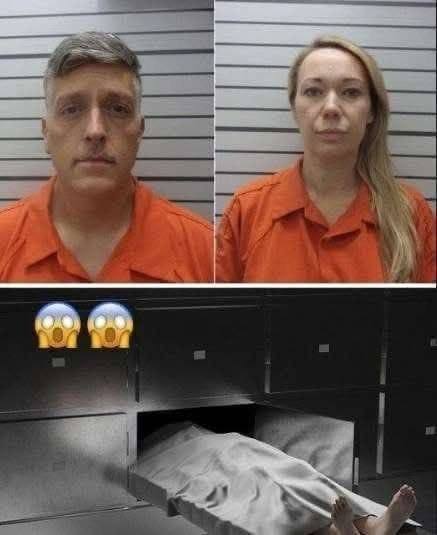

What was once presented as a compassionate, environmentally conscious alternative to traditional burial has become one of the most disturbing scandals in Colorado’s funeral industry. The case surrounding Return to Nature Funeral Home has shaken public trust, leaving hundreds of grieving families grappling with betrayal, unanswered questions, and a profound sense of loss that goes far beyond what they initially endured.

For years, the funeral home promoted itself as a leader in “green” burial practices. Its owners promised families respectful, earth-friendly services that aligned with modern values of sustainability and dignity. Biodegradable containers, natural burial methods, and simple memorials were marketed as a gentler way to honor loved ones while caring for the planet. To many families, especially those seeking meaning and comfort during grief, these assurances felt sincere.
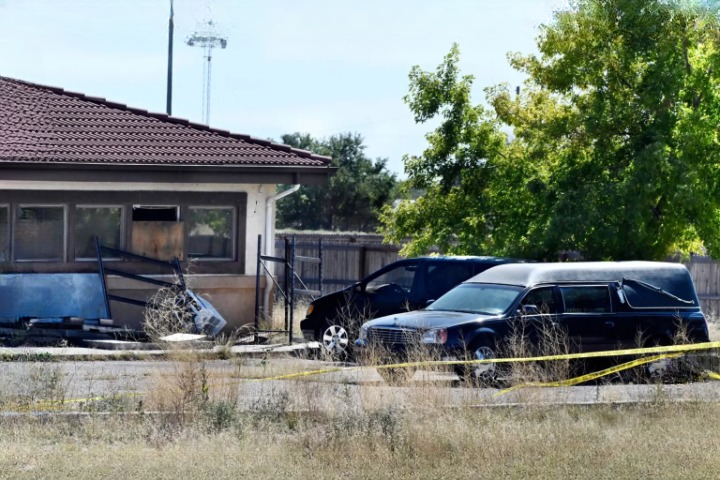
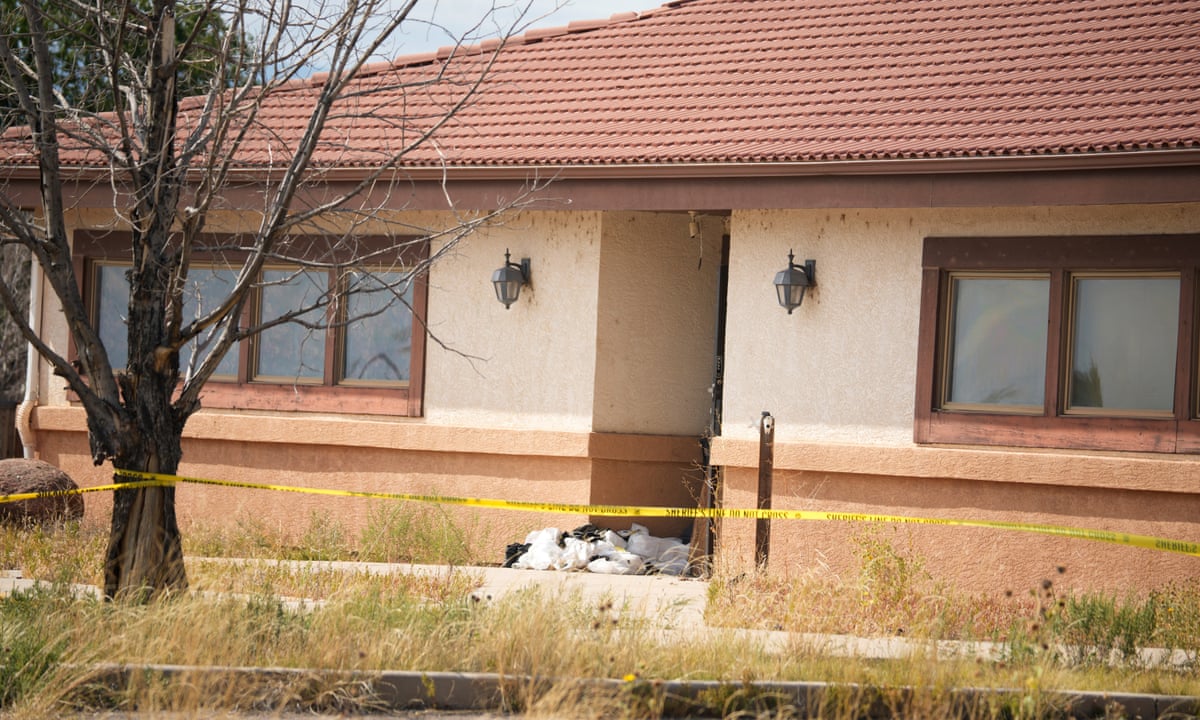
That image collapsed when authorities were finally alerted to conditions at one of the properties linked to the business. Complaints from neighbors about a persistent, overwhelming odor led investigators to conduct a welfare check. What they uncovered was deeply troubling. Inside, they found nearly 200 human remains that had not been properly cared for, stored, or laid to rest. The discovery revealed a stark contrast between the funeral home’s public promises and its private practices.
The individuals at the center of the case, Jon Hallford and Carie Hallford, were arrested and later appeared before El Paso County Court. The couple ultimately entered guilty pleas to 191 felony counts related to the mishandling of human remains. Under the terms of the plea agreement, they face the possibility of spending between 15 and 20 years in prison, with sentencing scheduled for April.
Prosecutors described the case as an extraordinary breach of trust. Families had paid for services they believed would bring closure and peace, only to learn that the arrangements were never carried out as promised. According to court records, some remains were left unattended for years. In other instances, families were given urns that did not contain the ashes of their loved ones. These revelations intensified the emotional toll on relatives who had already experienced loss.
Speaking at a press conference, Michael Allen emphasized the human impact of the case. He described the suffering of families as immeasurable, noting that the defendants had violated one of the most sacred responsibilities entrusted to any service provider. For many families, the betrayal reopened wounds they thought had begun to heal.
The criminal case extends beyond state charges. Federal authorities also brought accusations after determining that the Hallfords had misused funds obtained through pandemic-related relief programs. Court documents indicate that more than $800,000 in assistance was diverted away from business operations. Instead of being used to maintain facilities or ensure proper care, the money was allegedly spent on personal purchases and lifestyle expenses. In addition, investigators found evidence that families were charged for services, including cremations and burials, that never took place.
Among the most distressing accounts were those shared by relatives who later learned the truth about what had happened to their loved ones. Some described the shock of discovering that remains were not handled as promised, while others learned that the wrong remains had been returned altogether. One family member recounted how the truth emerged years later, compounding grief with anger and disbelief. These stories underscored how deeply personal and long-lasting the harm has been.
Authorities believe the deception continued for so long because of deliberate efforts to avoid scrutiny. Investigators allege that access to certain properties was restricted and that explanations were offered to deflect concerns. The lack of regular inspections and clear oversight allowed the situation to deteriorate without detection, raising serious questions about how such practices could persist unnoticed.

The case has drawn attention to broader issues within Colorado’s funeral industry. While the state has been viewed as progressive in some areas, including its early adoption of alternative burial options, it has also been criticized for gaps in regulation. Unlike many other states, Colorado does not require funeral home operators or employees to hold specific licenses or certifications. There is also no consistent system for routine inspections, creating vulnerabilities that can be exploited.
Lawmakers have since acknowledged that these regulatory gaps played a role in allowing the situation to escalate. In response to public outrage, proposals have been introduced to strengthen oversight, mandate licensing, and establish clearer standards for handling human remains. Supporters of reform argue that such measures are essential to protect families and restore confidence in an industry that operates at one of life’s most sensitive intersections.
Community reaction has been marked by a mix of anger, sorrow, and determination. Vigils and public meetings have provided spaces for families to share their experiences and demand accountability. Many have expressed that while legal consequences are necessary, they also want systemic change to ensure that no other family endures a similar ordeal.
The Hallford case has become a symbol of what can happen when trust is exploited and safeguards fail. Funeral services are built on the expectation of respect, transparency, and care. When those principles are violated, the damage extends beyond legal consequences, affecting mental health, community cohesion, and public faith in institutions.

As the sentencing date approaches, attention remains focused on the families seeking some measure of closure. For them, justice is not only about punishment but also about acknowledgment of the harm they suffered. The process of rebuilding trust will likely take years and will depend on meaningful reforms rather than symbolic gestures.
In the broader context, the scandal serves as a warning. It highlights the need for accountability in industries that serve vulnerable people during moments of grief. Without clear standards, regular oversight, and ethical leadership, even services rooted in compassion can be corrupted.
Colorado now faces a pivotal moment. By addressing the regulatory shortcomings exposed by this case, the state has an opportunity to reaffirm the dignity owed to those who have passed and the respect owed to those left behind. The hope shared by many families is that from this painful chapter, lasting change will emerge—ensuring that care, honesty, and responsibility are never optional when it comes to honoring human life and memory.
