
A City at a Financial Crossroads
New York City is once again at the center of a high-stakes economic debate. A projected $5.8 billion budget deficit, combined with sweeping new policy proposals, has sparked concern among investors, businesses, and residents alike. The situation is evolving rapidly, creating a sense of urgency around the city’s financial future.
At the heart of this moment is a fundamental tension between ambitious social investment and fiscal sustainability. While the city has long been known for its resilience, the scale and speed of current developments are raising new questions.
The Mamdani Agenda: Transformative Vision or Fiscal Risk?
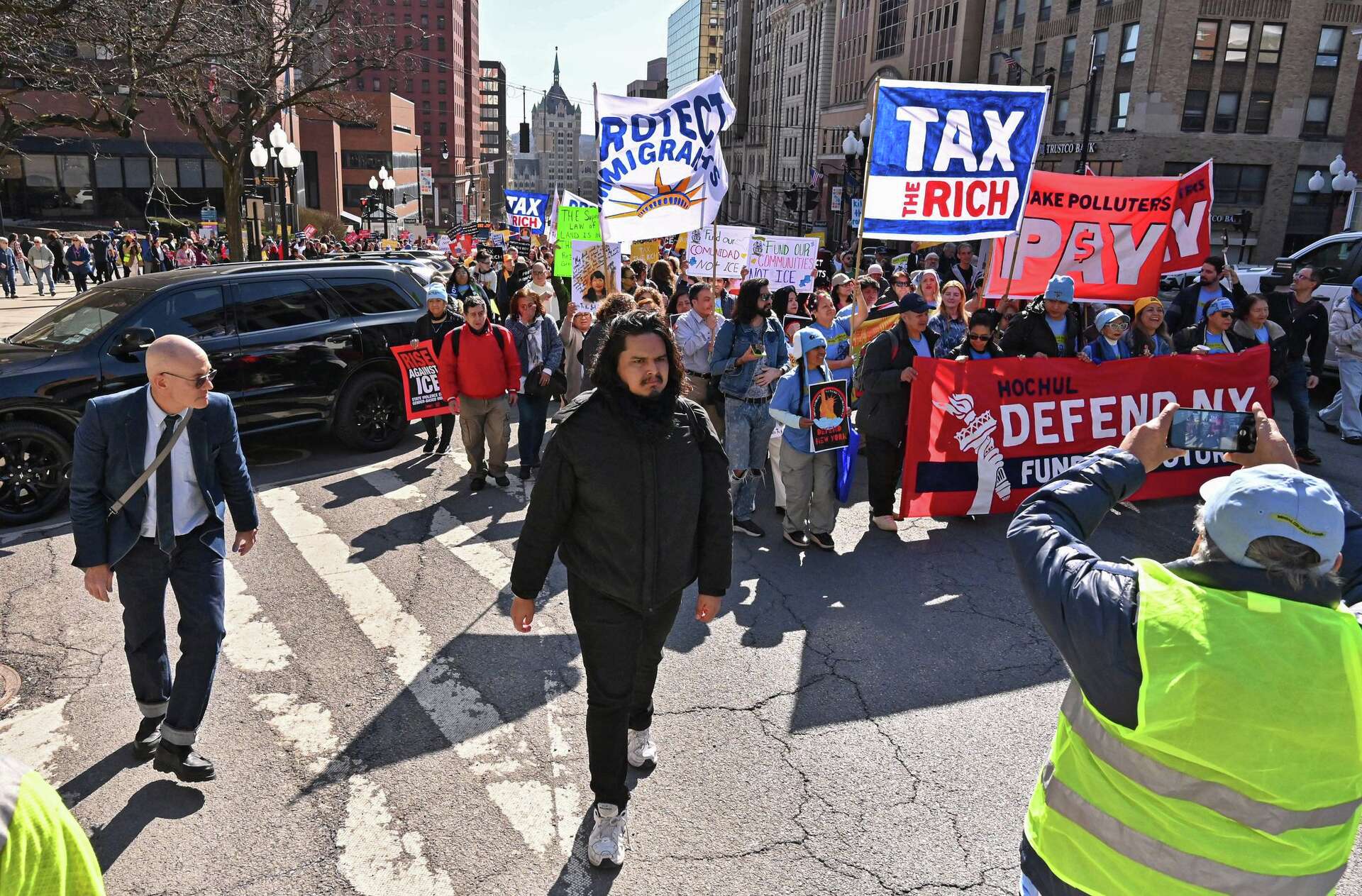
The policy direction introduced by Zohran Mamdani has become a focal point of the discussion. His early proposals aim to reshape everyday life in the city through expanded public services, including free public transportation, broader childcare access, and initiatives that could eventually lead to tuition-free higher education.
Supporters view these ideas as necessary responses to rising living costs and widening inequality. In a city where affordability has become a defining issue, such measures are seen as long overdue.
However, critics argue that launching large-scale spending programs during a significant deficit could deepen financial instability. The concern is not just about the size of the spending, but the timing and funding mechanisms behind it.

Tax Increases and Investor Concerns
To support these initiatives, the administration is considering substantial tax reforms, including higher corporate tax rates and changes to estate taxation. There is also discussion of tapping into the city’s financial reserves.
While these strategies could generate short-term revenue, they also risk altering the business climate. Higher taxes may reduce New York’s competitiveness at a time when companies are already exploring alternatives.
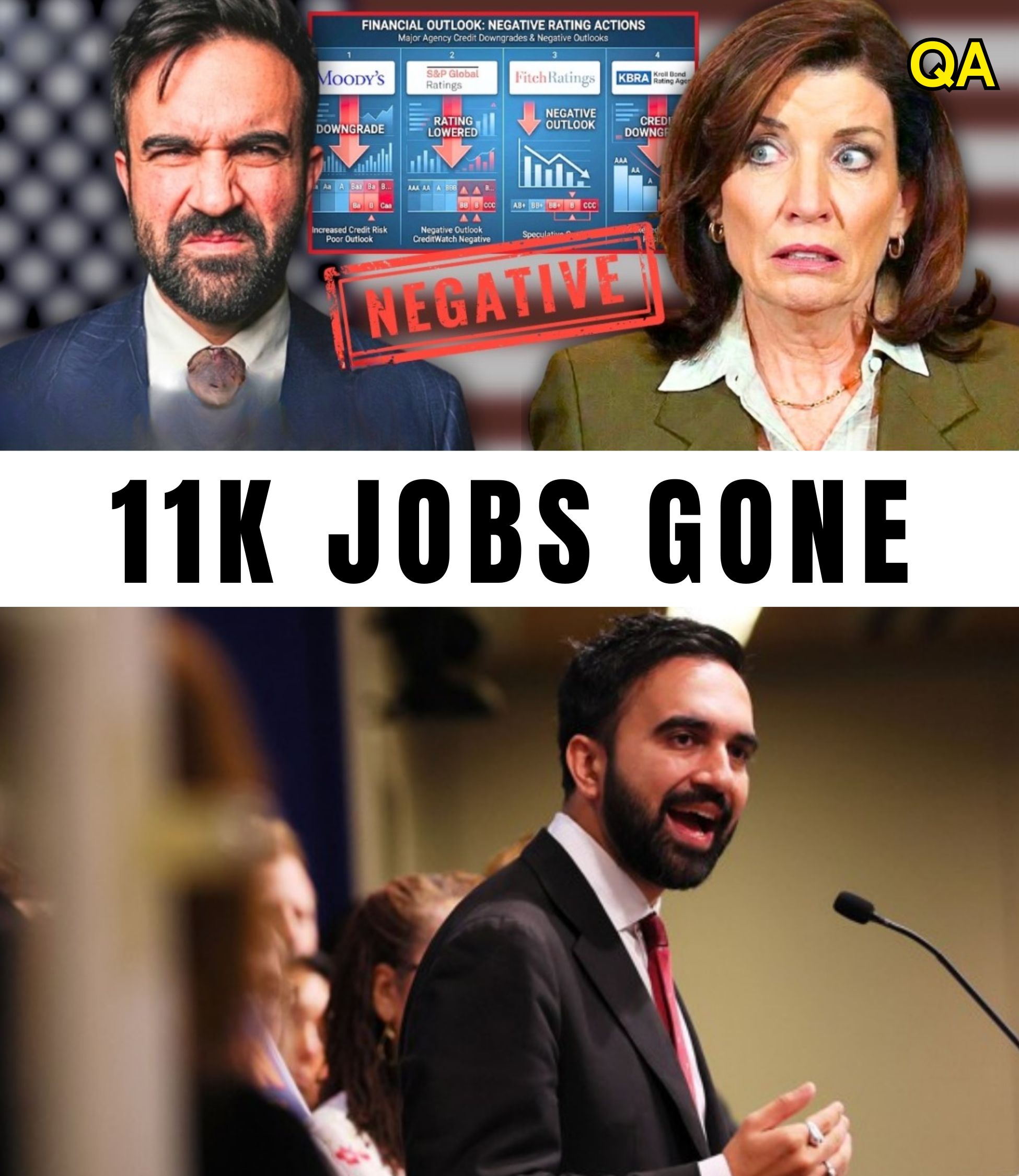
This concern is amplified by the reaction of major financial institutions. Agencies such as Moody’s, S&P Global, and Fitch Ratings have shifted their outlook on the city to negative, signaling increased caution in financial markets.
The Shift of Jobs and Capital
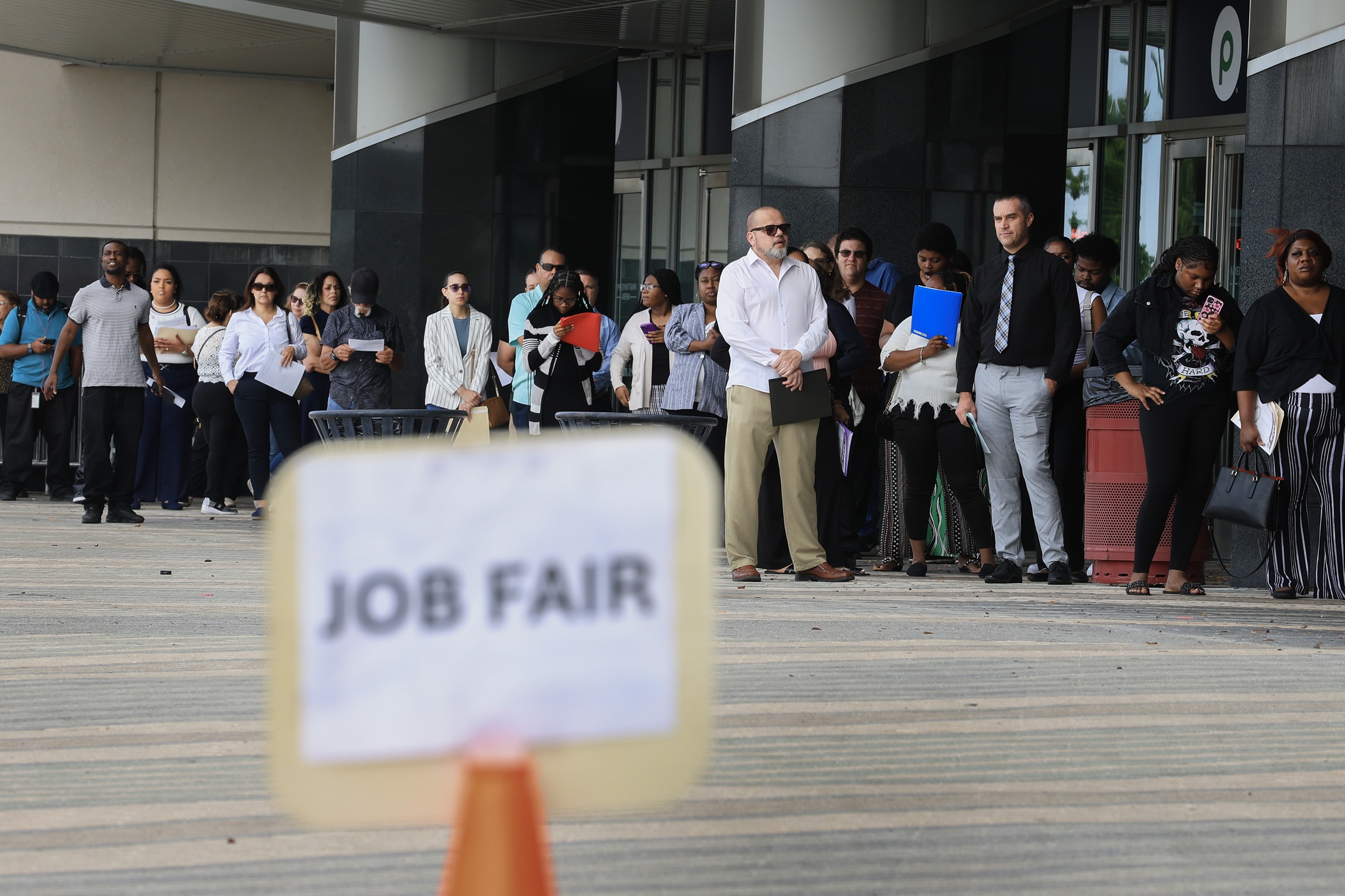
One of the most striking developments is the ongoing migration of jobs away from New York. JPMorgan Chase now reportedly employs more workers in Texas than in New York, reflecting a broader trend of decentralization.
Other major firms are following similar paths. Goldman Sachs is expanding operations in Dallas, while Wells Fargo has shifted key functions to Florida. Meanwhile, cities like Miami are emerging as attractive alternatives, offering lower costs and more flexible regulatory environments.
This redistribution of economic activity is not just symbolic. It directly affects employment, tax revenue, and the long-term competitiveness of New York as a global financial hub.
A Structural Challenge, Not Just a Policy Debate
Beyond the immediate controversy, the situation highlights a deeper structural issue. As noted by Mark Levine, the city is currently spending more than it generates in revenue. This imbalance lies at the core of the ongoing debate.
The use of reserve funds, often intended for emergencies, adds another layer of concern. While such measures can provide temporary relief, they may reduce the city’s ability to respond to future crises.
What Comes Next for New York?
Public opinion remains divided. Some residents see the proposed changes as a bold step toward a more equitable city, while others worry about rising costs and economic decline. The pace of change has made it difficult to fully assess long-term outcomes, but the stakes are undeniably high.
The key question is whether New York can successfully balance social investment with economic stability. Its decisions will not only shape the lives of millions of residents but may also influence how other global cities navigate similar challenges.

Conclusion
The current moment in New York City could mark the beginning of a major transformation—or serve as an early warning of deeper financial strain. As policies evolve and businesses respond, the city’s trajectory will become clearer.
For now, the debate continues, reflecting both the ambition and the uncertainty of a rapidly changing economic landscape.
