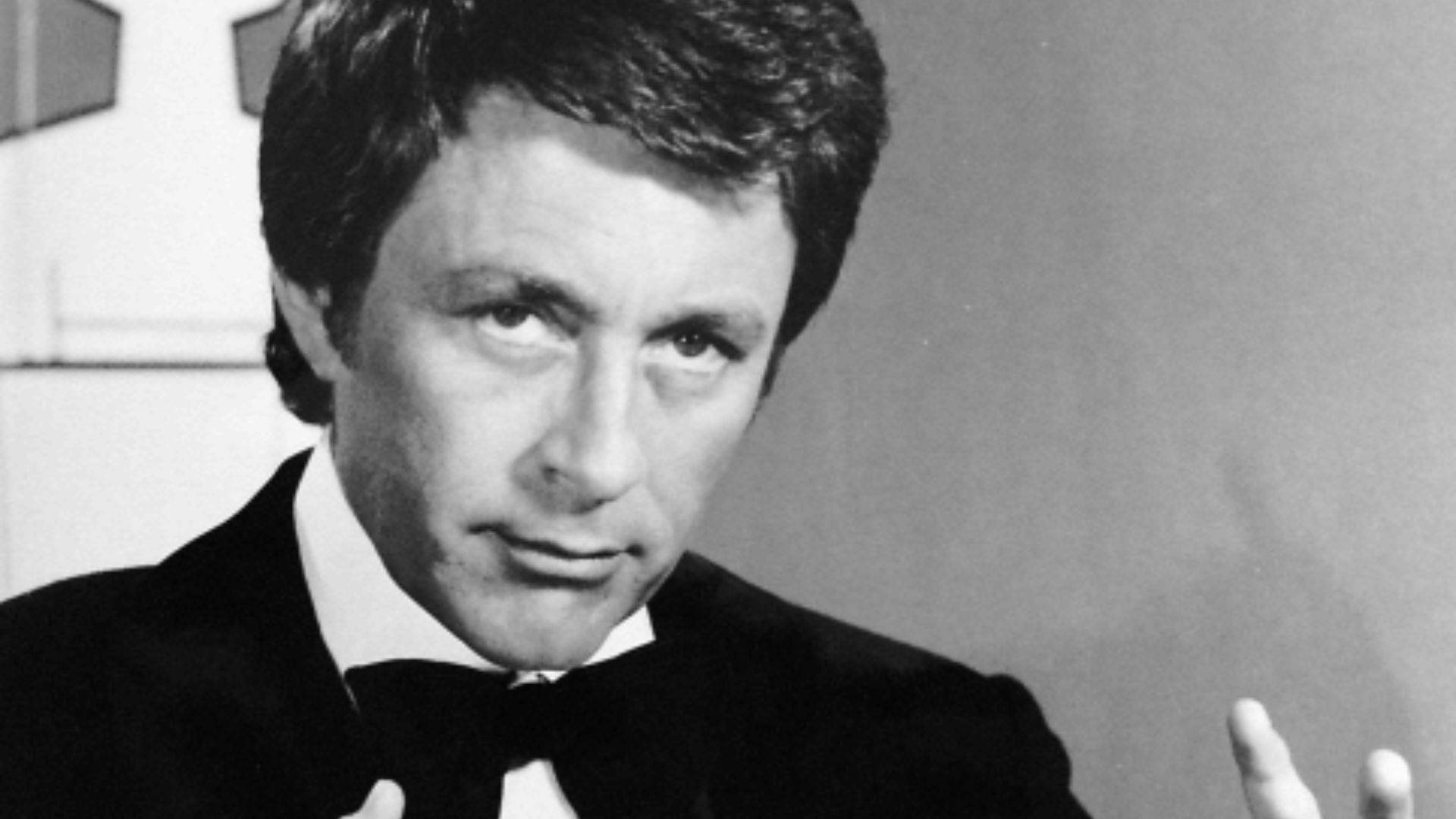

Bill Bixby’s face remains instantly recognizable to generations of television viewers. Calm, intelligent, and quietly expressive, he brought a sense of humanity to every role he played. Over a career that stretched from the early 1960s through the early 1990s, Bixby became one of American television’s most trusted leading men, later expanding his influence as a director behind the camera. While he is most widely remembered for portraying Dr. David Banner in The Incredible Hulk, his legacy reaches far beyond a single iconic role.
Bixby passed away in November 1993 at the age of 59. In the years since, his work has continued to resonate with audiences who value character-driven storytelling and emotional authenticity. His life story reflects not only professional success but also resilience in the face of profound personal loss.
Early Life and a Defining Choice
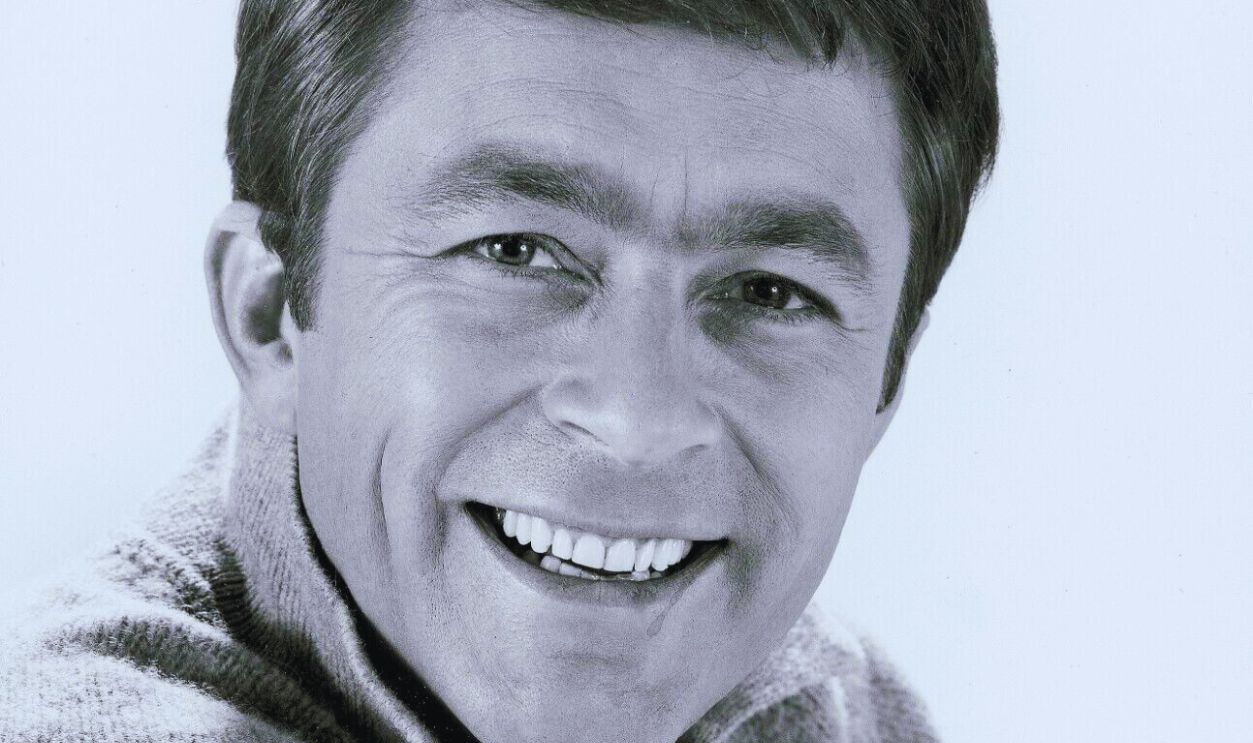
Wilfred Bailey Everett Bixby III was born on January 22, 1934, in San Francisco, California. From an early age, he showed a natural inclination toward performance, entertaining friends and family with ease and confidence. Acting appealed to him not simply as attention, but as craft—a way to communicate feeling and meaning through subtlety.
Bixby attended college and initially followed a conventional academic path. However, his passion for performance eventually outweighed the appeal of stability. He made the difficult decision to leave college and pursue acting full-time, embracing the uncertainty of an entertainment career. That choice placed him on a path that would lead to decades of steady work and creative growth.
Television Breakthrough and Rising Popularity
Bixby’s first major breakthrough came in 1963 when he was cast as Tim O’Hara in the sitcom My Favorite Martian. Starring opposite Ray Walston, Bixby played the grounded human counterpart to an eccentric extraterrestrial roommate. The show’s success made him a familiar presence in American living rooms and established him as a relatable, approachable leading man.
What set Bixby apart was his ability to anchor unusual stories in emotional reality. Even in a lighthearted science fiction comedy, his performance conveyed sincerity and warmth. Audiences trusted him, and that trust would become a defining feature of his career.
Versatility Across Genres
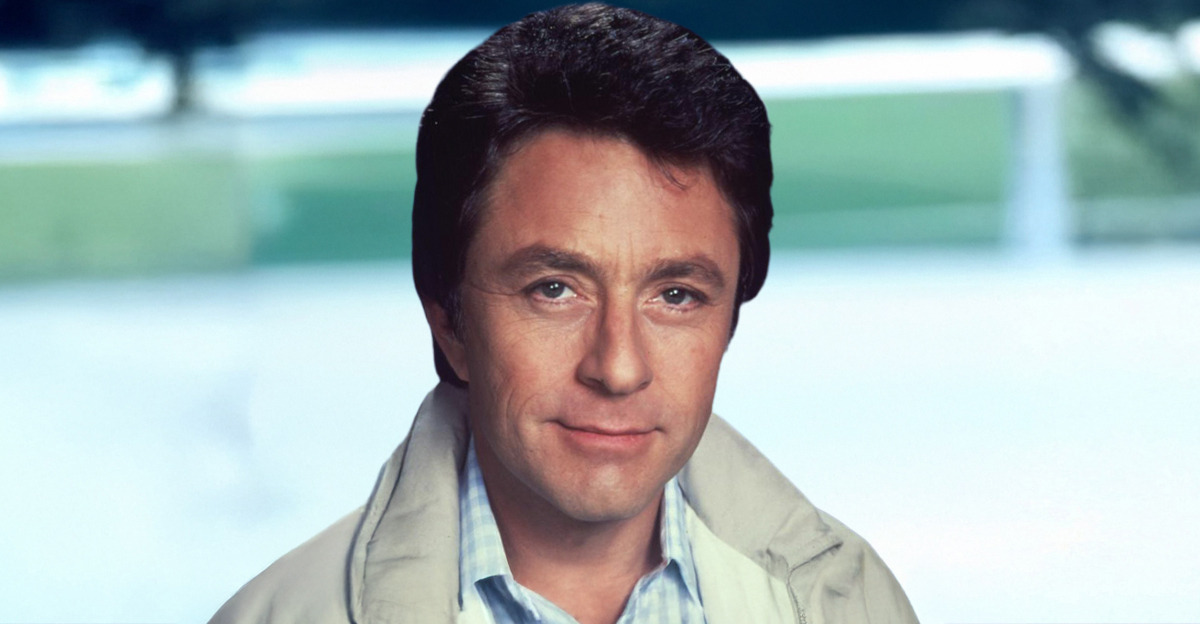
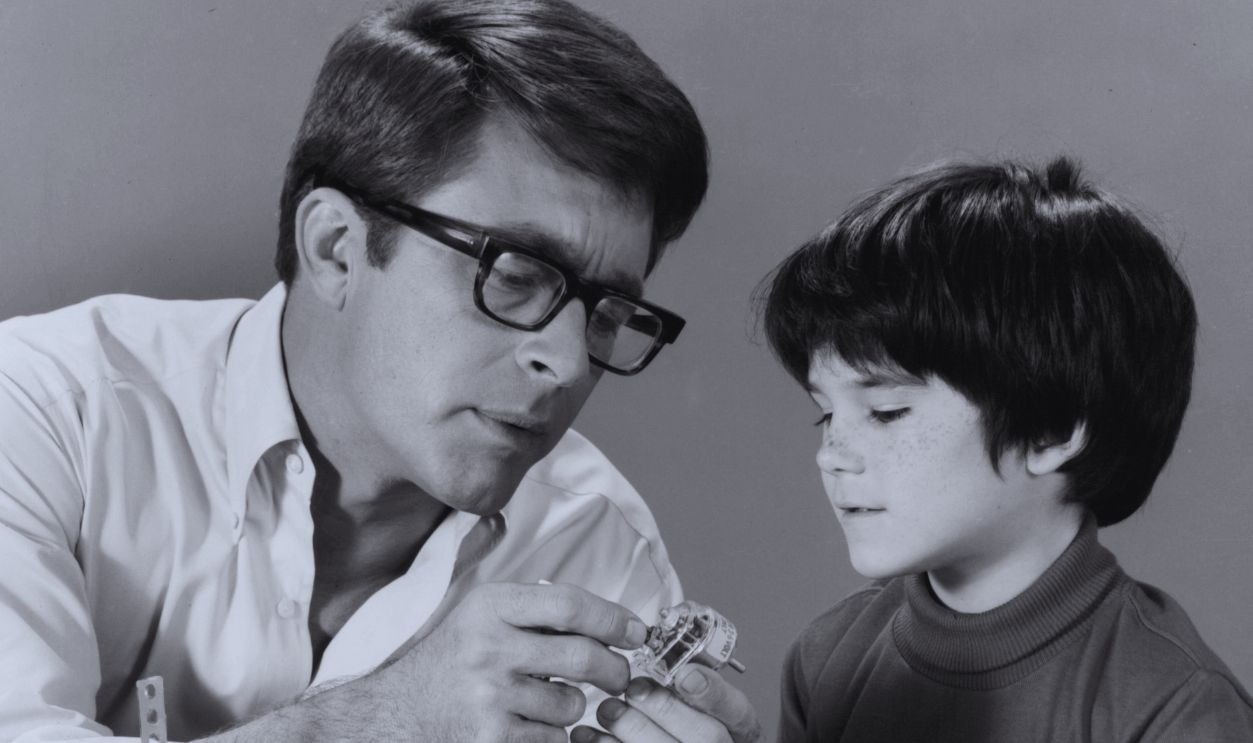
Rather than remaining confined to comedy, Bixby deliberately expanded his range. One of his most acclaimed performances came in The Courtship of Eddie’s Father, where he portrayed a widowed father raising his young son. The role showcased his emotional depth and earned him critical recognition, including multiple Emmy nominations.
Bixby demonstrated an unusual ability to move effortlessly between comedy, drama, and fantasy. In The Magician, he played a charming illusionist navigating mystery and intrigue, further proving his adaptability. Across projects, he avoided exaggeration, choosing instead to emphasize emotional realism and restraint.
Defining a Generation With The Incredible Hulk
Bixby’s most enduring role arrived in 1978 when he was cast as Dr. David Banner in The Incredible Hulk. The series could have relied solely on spectacle, but Bixby transformed it into a deeply human story. His portrayal emphasized Banner’s intelligence, compassion, and internal struggle, making the character relatable despite the fantastical premise.
The emotional weight of the show rested largely on Bixby’s performance. Banner’s loneliness, moral resolve, and quiet sadness gave the series a tone unlike other television programs of its time. Viewers connected not just with the transformation, but with the man trying desperately to control it.
After the series ended, Bixby returned to the role in several television films. He also directed some of these projects, demonstrating his commitment to preserving the emotional integrity of the character.
Personal Tragedy Away From the Spotlight
While Bixby’s professional life thrived, his personal life was marked by devastating loss. In 1981, his six-year-old son, Christopher, passed away suddenly after falling ill. The tragedy profoundly affected him and those close to him.
Not long afterward, Bixby experienced another painful loss involving his former wife. These events unfolded largely outside the public eye, but their impact was deeply felt. Despite the emotional toll, Bixby continued working, earning respect within the industry for his professionalism and quiet perseverance.
Rather than allowing grief to define him publicly, he carried it privately, channeling his experiences into performances marked by empathy and emotional honesty.
A New Creative Chapter as a Director
As his acting career matured, Bixby increasingly turned to directing. He worked on several popular television series, including Goodnight, Beantown, Sledge Hammer! and Blossom. Behind the camera, he brought the same sensitivity and attention to character that had defined his acting.
Colleagues often noted that Bixby’s background as an actor made him especially attuned to performance. He understood pacing, emotional beats, and how small adjustments could elevate a scene. His directing style emphasized collaboration and clarity rather than spectacle.
This second creative chapter allowed him to shape stories in a new way, extending his influence beyond his own on-screen presence.
Health Challenges and Public Awareness
In 1991, Bixby was diagnosed with prostate cancer. Rather than retreating from public life, he chose to speak openly about his condition. At a time when many public figures avoided discussing serious illness, his openness helped raise awareness and encouraged early medical attention.
Even while facing declining health, Bixby continued working, remaining engaged with television projects and creative planning. His approach reflected a consistent pattern throughout his life: facing difficulty directly, without dramatization, and with a focus on purpose.
Final Years and Personal Peace
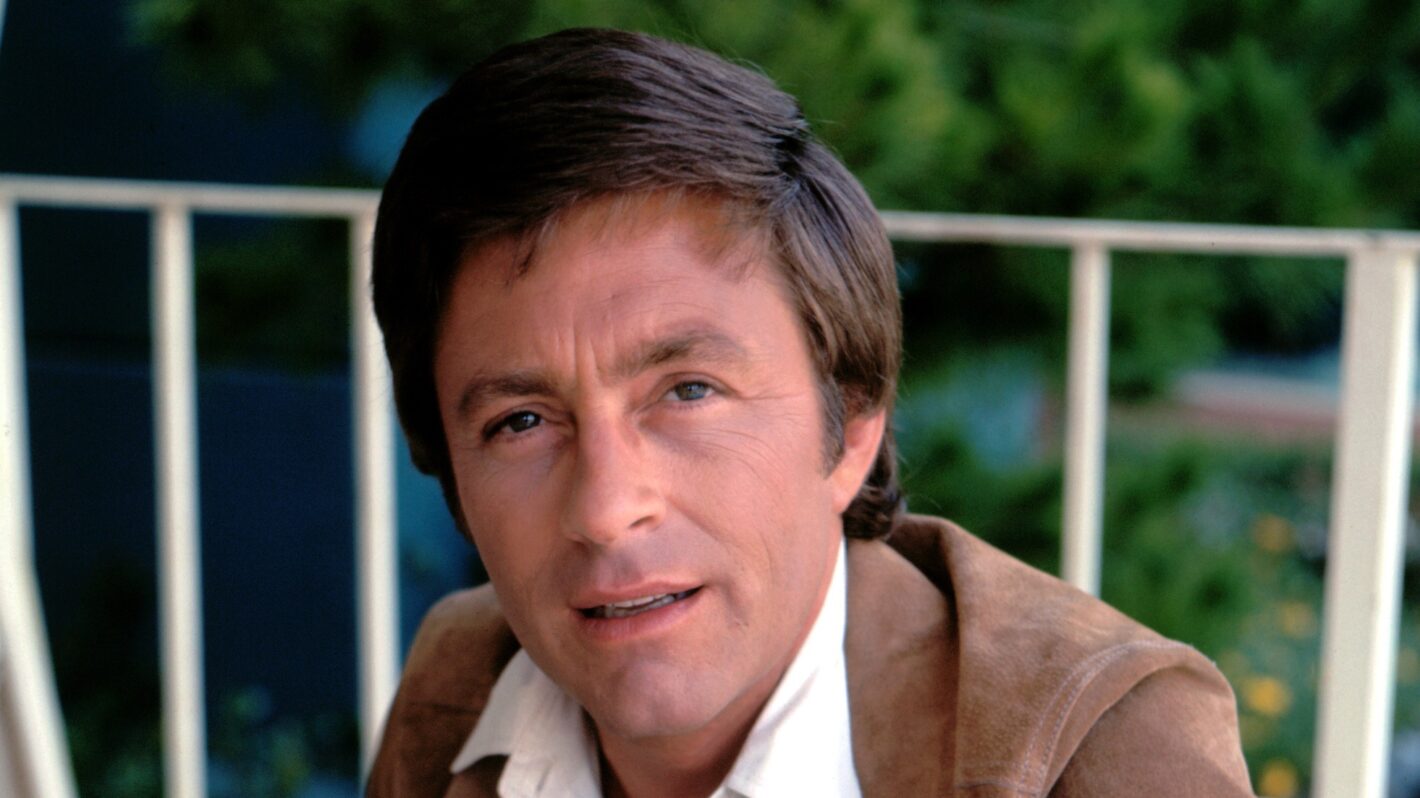
In the later years of his life, Bixby found companionship and stability. He married Judith Kliban shortly before his passing, finding comfort and connection during a challenging period. Though his health was failing, he remained dedicated to his craft and to the people around him.
Bill Bixby died on November 21, 1993, in Los Angeles. He was 59 years old.
A Legacy That Continues to Matter
Bill Bixby’s impact on television remains substantial. His work helped redefine what a television leading man could be: thoughtful rather than dominant, emotionally open rather than performative. His portrayal of Dr. David Banner laid early groundwork for character-driven genre storytelling, influencing how audiences and creators approach similar roles today.
As a director, he contributed quietly but meaningfully to the development of television narratives and emerging talent. His emphasis on authenticity, restraint, and emotional truth continues to resonate in an industry that increasingly values those qualities.
Beyond credits and accolades, Bixby is remembered for his humanity. His life reflected perseverance, compassion, and dedication to craft, even amid loss and illness. For viewers and industry professionals alike, Bill Bixby remains a lasting example of how sincerity and skill can create work that endures long after the final episode fades to black.
