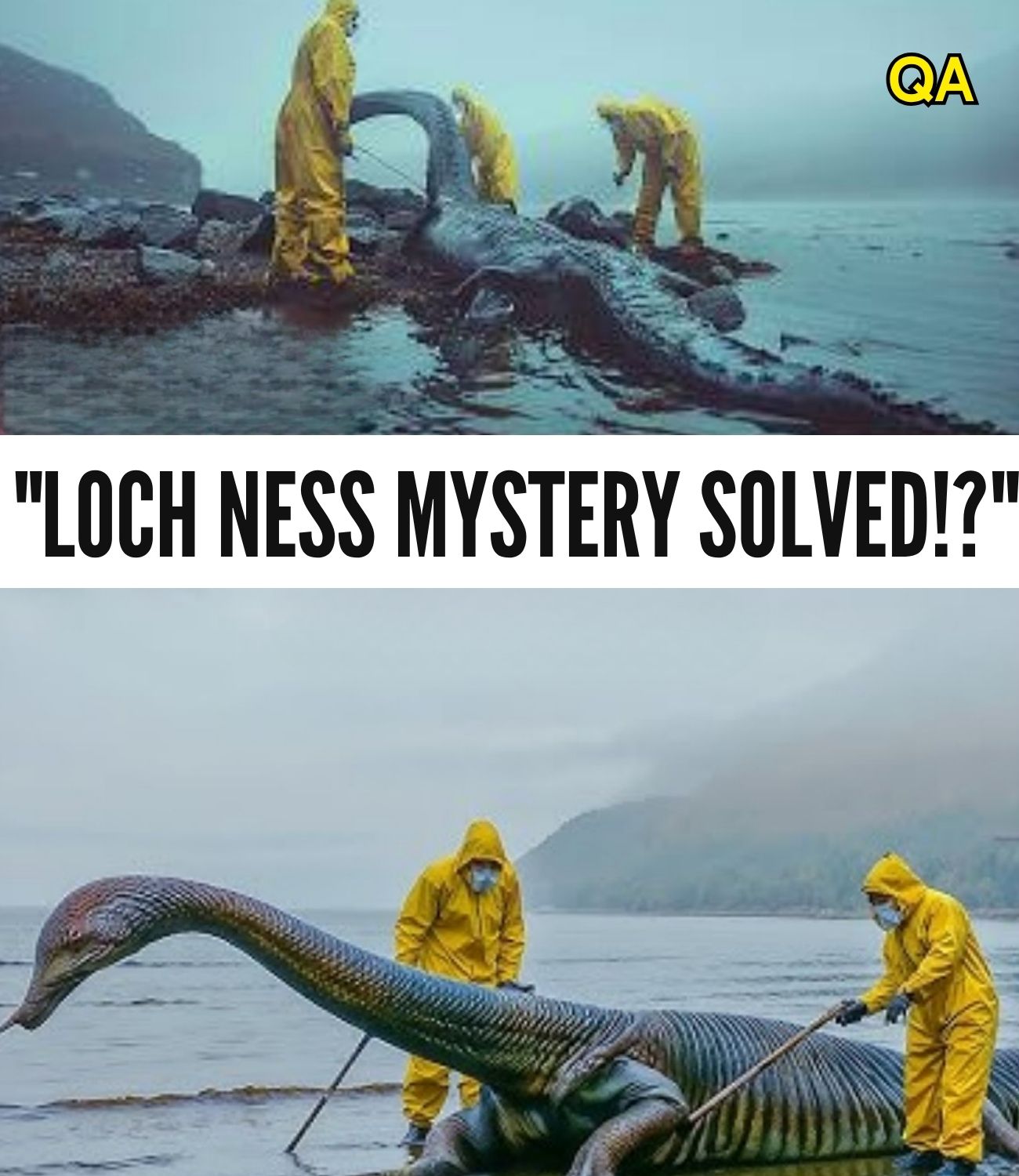

The story of the Loch Ness Monster has fascinated people for generations. From whispered tales along the shores of Loch Ness to viral headlines promising dramatic discoveries, the legend continues to evolve with each new claim. But when we step beyond the excitement and examine what scientists have actually found, a more nuanced and equally intriguing picture begins to emerge.
A Legend Born From Imagination and Observation
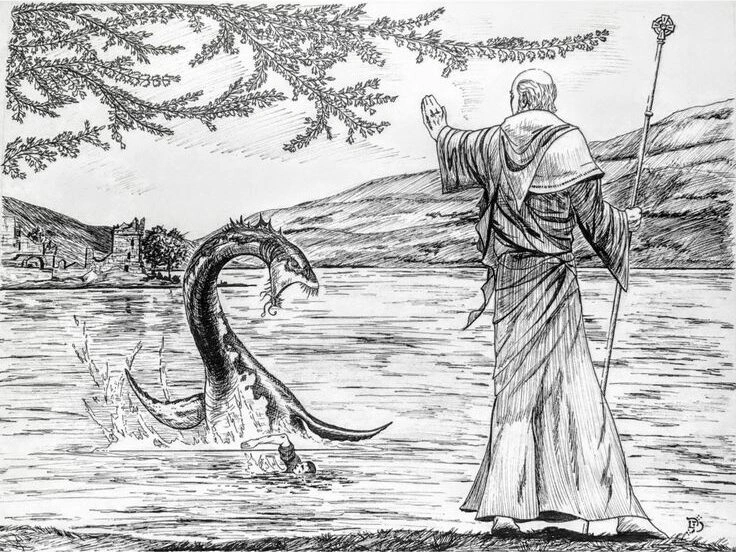
The mystery surrounding the Loch Ness Monster dates back centuries, with one of the earliest references appearing in accounts attributed to Saint Columba in the 6th century. Over time, the legend grew through local storytelling, eventually capturing global attention in the 20th century.
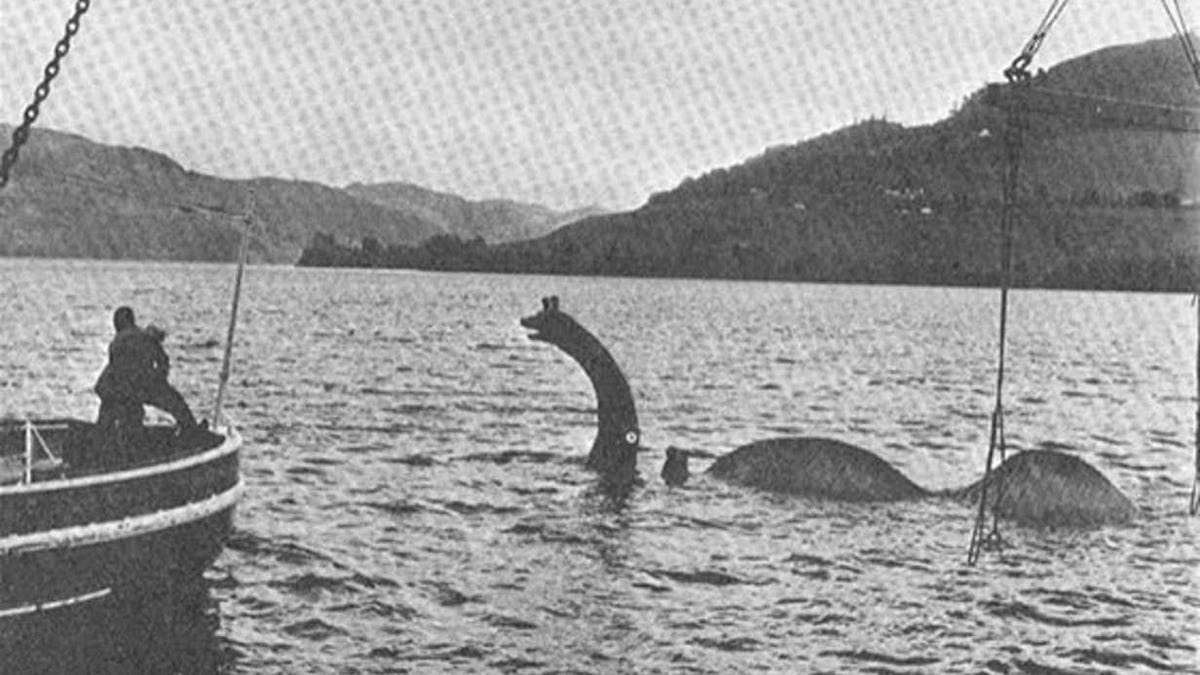
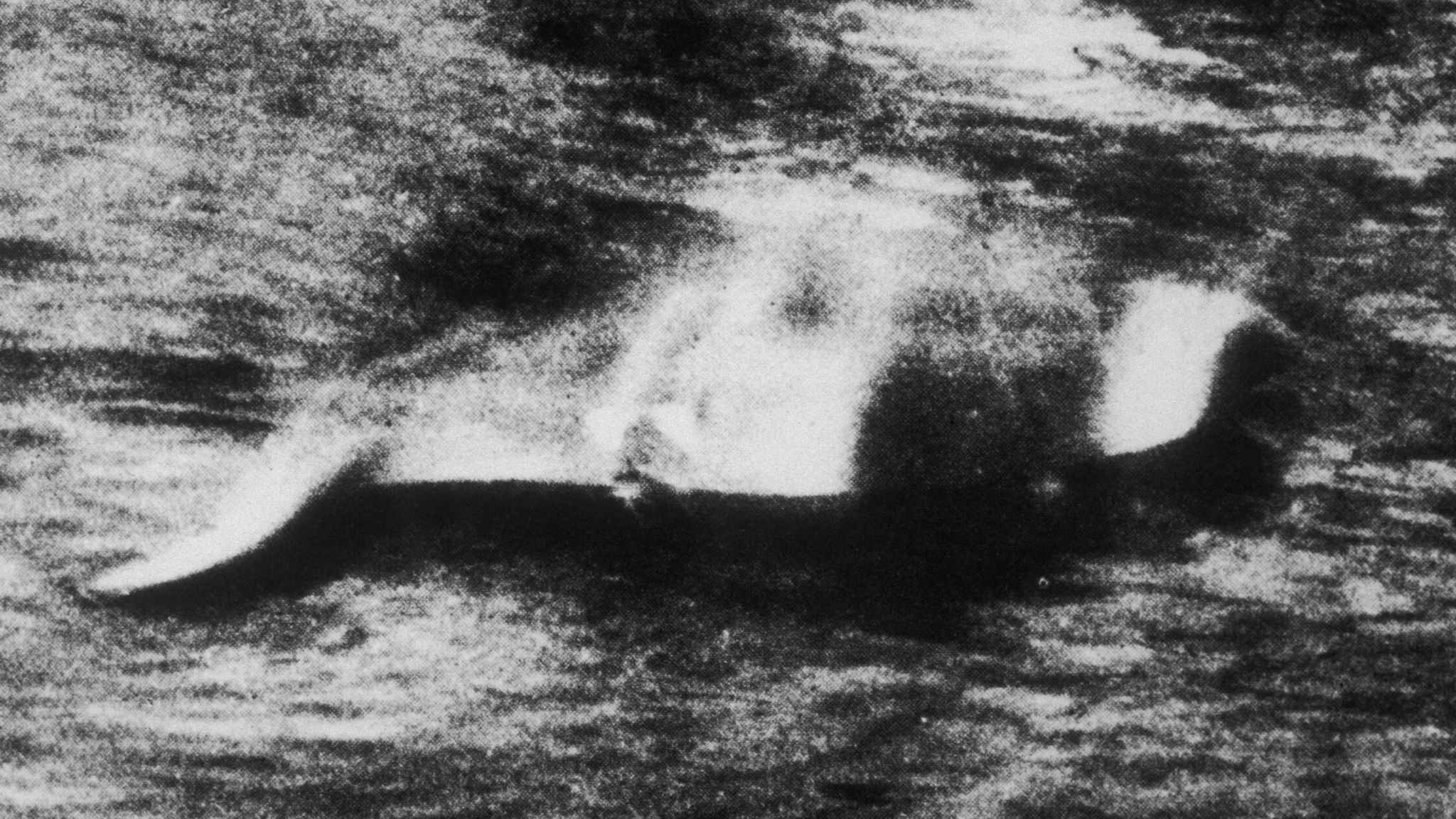
Photographs such as the famous “Surgeon’s Photograph” helped cement the creature’s place in popular culture, even though it was later revealed to be a staged image. Despite this, the idea of a large, unknown animal inhabiting the deep waters of Loch Ness has remained compelling.

The Modern Scientific Approach
In recent years, scientists have taken a more systematic approach to investigating the mystery. One of the most notable efforts involved environmental DNA (eDNA) sampling — a method used to detect genetic material left behind by organisms in water.
A research team led by Neil Gemmell conducted an extensive survey of Loch Ness, collecting water samples from various depths and locations. Their goal was not to prove or disprove the legend directly, but to catalog the living species present in the loch.
What Did Scientists Actually Find?
The results were fascinating, though perhaps not in the way sensational headlines suggest.
Scientists identified DNA from a wide range of species, including fish, birds, and microorganisms. However, there was no evidence supporting the presence of a large, unknown reptile or prehistoric creature.
One surprising finding was the abundance of eel DNA. This led researchers to propose that some sightings might be explained by unusually large eels moving through the dark, murky water. While this does not confirm the existence of a “monster,” it offers a plausible explanation for certain reported observations.
Why the Mystery Persists
Even with scientific data, the Loch Ness story continues to capture public imagination. There are several reasons for this:
The loch itself is vast, deep, and difficult to fully explore
Water visibility is extremely low, making observation challenging
Human perception can be influenced by expectation and storytelling
Psychologists note that when people encounter something unfamiliar, especially in an environment already associated with mystery, the brain may interpret it in dramatic ways.
Media, Hype, and the Power of Storytelling
Headlines like “mystery finally exposed” or “shocking truth revealed” often amplify interest, but they can also blur the line between speculation and verified findings.
In reality, scientists tend to communicate their conclusions carefully. Rather than making definitive claims about legendary creatures, they focus on evidence-based explanations and acknowledge the limits of current knowledge.
This contrast between scientific caution and media excitement is one reason why the Loch Ness legend continues to thrive.

Cultural Significance of the Legend
Beyond science, the Loch Ness Monster holds cultural and economic importance. It has become a symbol of Scottish folklore and attracts visitors from around the world.
For many, the mystery is part of the appeal. The idea that something unknown might exist just beyond our understanding taps into a deep human curiosity — a desire to explore, question, and imagine.
Could There Still Be Something Unknown?
From a scientific standpoint, the possibility of completely unknown large animals existing in well-studied environments like Loch Ness is considered unlikely. However, researchers often emphasize that science is an ongoing process.
New technologies, deeper explorations, and improved methods could always reveal more about the ecosystem. While current evidence does not support the existence of a legendary creature, it does highlight how much there is still to learn about natural environments.
A Balanced Perspective
So, what did scientists really uncover?
Not a hidden monster, but a clearer understanding of the loch’s ecosystem
Not a shocking revelation, but a meaningful step toward separating myth from measurable reality
The truth may not be as dramatic as viral headlines suggest, but it is no less fascinating. It shows how science can investigate even the most enduring legends with curiosity and rigor.
A Reflection on Human Curiosity
The story of the Loch Ness Monster is not just about what lies beneath the water — it is about what lies within us. Our fascination with mysteries, our willingness to believe in the extraordinary, and our drive to खोज answers all play a role in keeping such legends alive.
In the end, the real discovery may not be a creature hidden in the depths, but a deeper understanding of how humans interpret the unknown.
