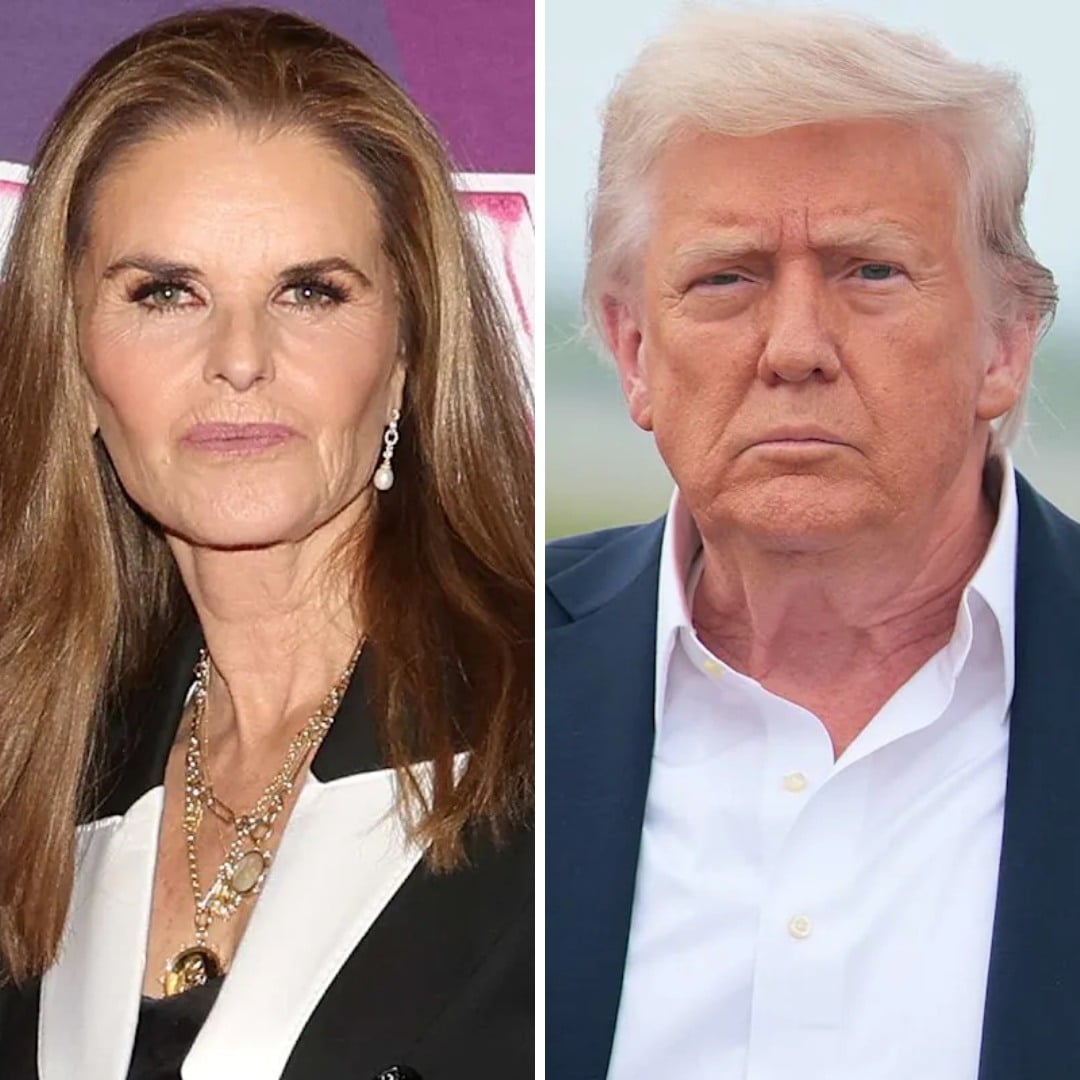

A proposal involving the future name of one of America’s most prominent cultural institutions has triggered an unusually sharp public reaction from members of the Kennedy family, reigniting debates about legacy, power, and the boundaries between public service and personal branding.
According to multiple reports, including coverage by major national outlets, the John F. Kennedy Center for the Performing Arts is considering a controversial renaming plan that would incorporate the name of former President Donald Trump alongside that of John F. Kennedy. The proposal, which would formally title the venue the Donald J. Trump and John F. Kennedy Memorial Center for the Performing Arts, has drawn swift criticism from cultural leaders and members of the family whose name has been associated with the center for decades.
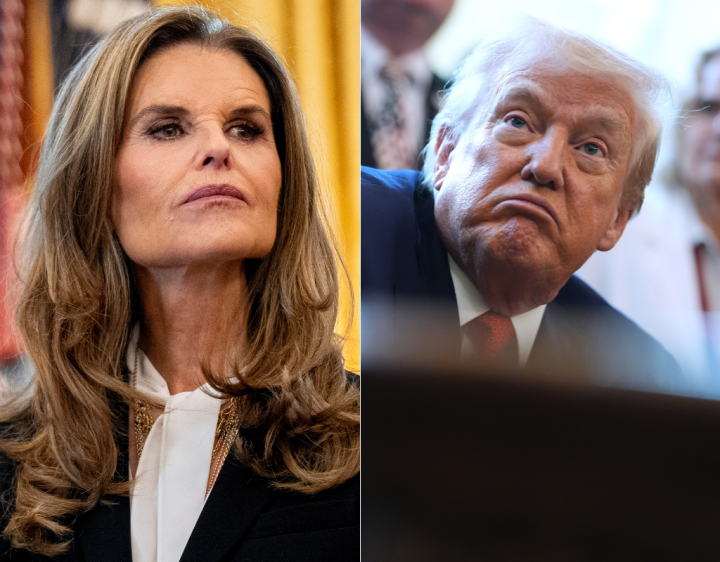
Among the most vocal critics is Maria Shriver, the niece of President Kennedy, who expressed anger and disbelief after learning of the plan. In public remarks and social media posts, Shriver described the idea as deeply disrespectful, arguing that the Kennedy Center was conceived as a living memorial to her uncle’s legacy and should not be repurposed to accommodate the personal branding of another political figure.
For many observers, the controversy goes far beyond a name. The Kennedy Center, located in Washington, D.C., has long been regarded as a nonpartisan cultural landmark dedicated to the performing arts. While it receives federal support, it has traditionally operated with an emphasis on artistic excellence rather than political symbolism. Critics argue that altering its name in such a dramatic way risks undermining that tradition.
The reaction from the Kennedy family was immediate and intense. Shriver emphasized that the center was created in the wake of President Kennedy’s assassination as a tribute to his commitment to the arts and to cultural life in the United States. In her view, attaching Trump’s name to the institution—particularly in a way that appears to elevate it alongside or even ahead of Kennedy’s—fundamentally alters the meaning of that tribute.
Others within the extended Kennedy family echoed similar concerns, privately and publicly questioning how such a decision could be justified without broader consensus. For a family that has long viewed the center as part of its historical legacy, the proposal felt less like an administrative change and more like an erasure of intent.
Supporters of the renaming effort, however, have offered a different perspective. Members of the Kennedy Center’s board of trustees cited Trump’s involvement in fundraising and infrastructure improvements during his tenure as reasons for recognizing his contributions. They argued that without certain financial interventions, the center might have struggled to maintain its facilities or programming at previous levels.
Still, those explanations have done little to quiet criticism. Opponents point out that Trump currently serves as chairman of the board and has appointed a significant number of its members. To them, this raises concerns about conflicts of interest and the independence of the decision-making process.
Governance experts note that while board members are often recognized for philanthropic contributions, it is unusual—and controversial—for sitting or former political leaders to reshape the symbolic identity of national cultural institutions in ways that appear self-referential. Such actions, they argue, blur the line between stewardship and self-promotion.
From a political perspective, the episode fits a broader pattern associated with Trump’s public career. His supporters often praise his assertive approach and willingness to challenge established norms. Critics, by contrast, see the proposal as another example of his tendency to personalize institutions that were designed to serve the public rather than individual legacies.

Cultural historians also weighed in, emphasizing the unique role the Kennedy Center plays in American public life. Unlike many monuments or buildings named after donors, the center was explicitly framed as a memorial to a slain president whose administration emphasized cultural diplomacy and national unity. Altering that framing, they argue, changes not only the name but the story the institution tells.
Public reaction has been sharply divided. On social media, some users expressed outrage, aligning with the Kennedy family’s view that the proposal disrespects history. Others dismissed the criticism as politically motivated, arguing that modern institutions evolve and that acknowledging multiple contributors is not inherently inappropriate.
Yet even among those accustomed to political controversy, the idea of pairing Trump’s name with Kennedy’s struck many as jarring. Kennedy remains one of the most widely admired figures in modern American history, associated with idealism, youth, and a vision of public service that transcended partisanship. Trump, by contrast, remains one of the most polarizing figures of the past half-century.
Media analysts note that the pairing itself intensifies emotional response. When symbolic figures with sharply contrasting public images are combined, the result is almost guaranteed to provoke strong reactions. In this case, the cultural weight of the Kennedy name amplifies scrutiny of any change involving the center.

The controversy also highlights a broader question about how public memory is shaped. Who decides how historical figures are commemorated? To what extent should contemporary political power influence institutions created to honor the past? These questions have surfaced repeatedly in recent years, as debates over monuments, naming rights, and historical interpretation have intensified across the country.
For the Kennedy family, the issue appears deeply personal. Shriver and others have framed the debate not as a partisan dispute, but as a matter of respect for intent and legacy. In their view, the center’s name is not merely a label, but a statement of values rooted in a specific moment in American history.
As of now, no final decision has been announced. Kennedy Center officials have indicated that discussions are ongoing and that no formal renaming has been approved. Still, the proposal has already achieved one outcome: it has reignited national attention on the intersection of culture and politics.
Whether the plan ultimately moves forward or is quietly shelved, the backlash underscores how sensitive issues of naming and legacy remain—particularly when they involve institutions that occupy a symbolic place in the national imagination.
In the coming weeks, observers expect continued debate, both within Washington and beyond. For many, the controversy serves as a reminder that cultural institutions are never entirely separate from politics, even when they strive to be.
At stake is not just the name of a building, but a broader question about how America chooses to honor its past while navigating the realities of its present.
