
Why Does Acne Develop Along the Jawline?
Acne is one of the most common skin concerns, affecting people of different ages and skin types. While breakouts can appear on the forehead, cheeks, chin, back, and chest, spots around the chin and jawline often attract particular attention.
Some people notice recurring blemishes in this area, leading them to wonder whether jawline acne has a specific cause. Although the location of a breakout can offer clues, it cannot identify the underlying reason on its own.
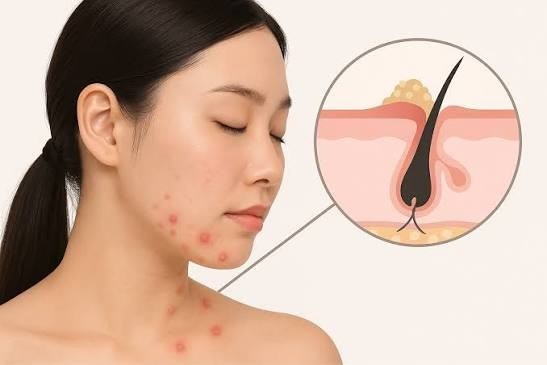
Acne generally develops when hair follicles become clogged with excess sebum, commonly known as skin oil, and dead skin cells. Bacteria naturally present on the skin and the body’s inflammatory response can then contribute to the development of pimples.
Several factors may influence this process, including hormones, genetics, skincare products, and everyday habits.
Common Causes of Jawline Acne
1. Hormonal Changes
Hormonal fluctuations are one possible contributor to acne around the chin and jawline. Changes in hormone levels can influence how much oil the skin produces, increasing the likelihood of clogged pores in people who are already prone to breakouts.
Some women notice that acne becomes more noticeable around their menstrual periods. Hormonal changes associated with conditions such as polycystic ovary syndrome (PCOS) may also contribute to persistent acne.
However, jawline breakouts do not automatically indicate a hormonal disorder. A medical assessment is needed if acne occurs alongside other symptoms, such as irregular periods or increased facial hair.
2. Genetics and Natural Skin Type
Genetics can influence a person’s likelihood of developing acne. If close family members have experienced persistent or severe breakouts, someone may also have a greater tendency toward the condition.
People with naturally oily skin may be more prone to clogged pores because their skin produces more sebum. Still, acne is not limited to people with oily skin. Those with combination or otherwise dry skin can experience breakouts too.
3. Oily or Pore-Clogging Cosmetics
Certain makeup, sunscreen, moisturizers, and other skincare products may contribute to clogged pores in some individuals.
Products that are too heavy for a person’s skin type can sometimes make existing breakouts worse. This is why choosing products labeled noncomedogenic, meaning formulated to be less likely to clog pores, may be helpful.
It is also important to remove makeup gently before going to bed and avoid applying more products than the skin needs.
4. Friction, Straps, and Shaving
Repeated friction or pressure can irritate the skin and contribute to acne-like breakouts. Helmet straps, tight clothing, sports equipment, and other objects that regularly rub against the jawline may be potential triggers.
Shaving can also irritate the skin, particularly when using a dull blade, applying too much pressure, or shaving against the direction of hair growth.
Keeping equipment clean, avoiding unnecessary friction, and using gentle shaving techniques may help reduce irritation.
5. Medications and Other Medical Factors
Some medications can contribute to acne or acne-like eruptions. Certain medical conditions may also affect hormone levels and skin health.
If breakouts begin shortly after starting a new medication, it is worth discussing the change with a healthcare professional. Do not stop prescribed medication without medical guidance.

How to Care for Jawline Acne
The right approach depends on the severity of the breakouts, but a gentle and consistent skincare routine is a useful starting point for mild acne.
Cleanse gently. Wash your face with a mild cleanser, generally twice a day and after sweating. Avoid rough washcloths, aggressive exfoliation, and harsh scrubbing because these can irritate the skin.
Choose noncomedogenic products. Look for moisturizers, sunscreen, and makeup designed to be less likely to clog pores. Even acne-prone skin needs hydration, so skipping moisturizer entirely is not always helpful.
Consider over-the-counter treatments. Benzoyl peroxide can help reduce acne-causing bacteria and inflammation, while salicylic acid helps clear dead skin cells from pores. Introduce one active ingredient at a time and follow the product instructions to reduce the risk of dryness and irritation.
Avoid picking or squeezing pimples. Picking at blemishes can worsen inflammation and increase the risk of dark marks and scarring.
Give treatments enough time. Acne treatments rarely produce immediate results. Improvement often takes several weeks, so changing products too frequently may make it harder to understand what is working.
When Should You See a Dermatologist?
Mild breakouts can sometimes improve with consistent skincare and over-the-counter products. However, professional advice is important when acne becomes persistent or more severe.
Consider consulting a dermatologist if you experience deep or painful lumps, recurring breakouts that do not improve, or signs of scarring. Medical advice is also recommended when acne appears alongside irregular menstrual periods or increased facial hair, as these symptoms may warrant an assessment for hormonal conditions.
A dermatologist can evaluate the skin, consider possible contributing factors, and recommend suitable treatments. Depending on the situation, these may include prescription creams, oral medications, or other approaches.
Seeking help early can reduce the risk of lasting skin changes and make acne easier to manage.
Understanding Your Skin Is the First Step Toward Clearer Skin
Jawline acne can be frustrating, especially when breakouts keep returning despite regular skincare. However, the location of a blemish does not tell the whole story. Hormones, genetics, cosmetics, friction, and other factors may all play a role.
Rather than scrubbing more aggressively or trying several treatments at once, focus on gentle cleansing, suitable skincare products, and a consistent routine. If acne is painful, persistent, or accompanied by other symptoms, a dermatologist can help identify the most appropriate next steps.
Most importantly, acne is not a sign of poor hygiene or personal failure. Skin conditions are common, and managing them often takes patience, the right treatment, and a little time.