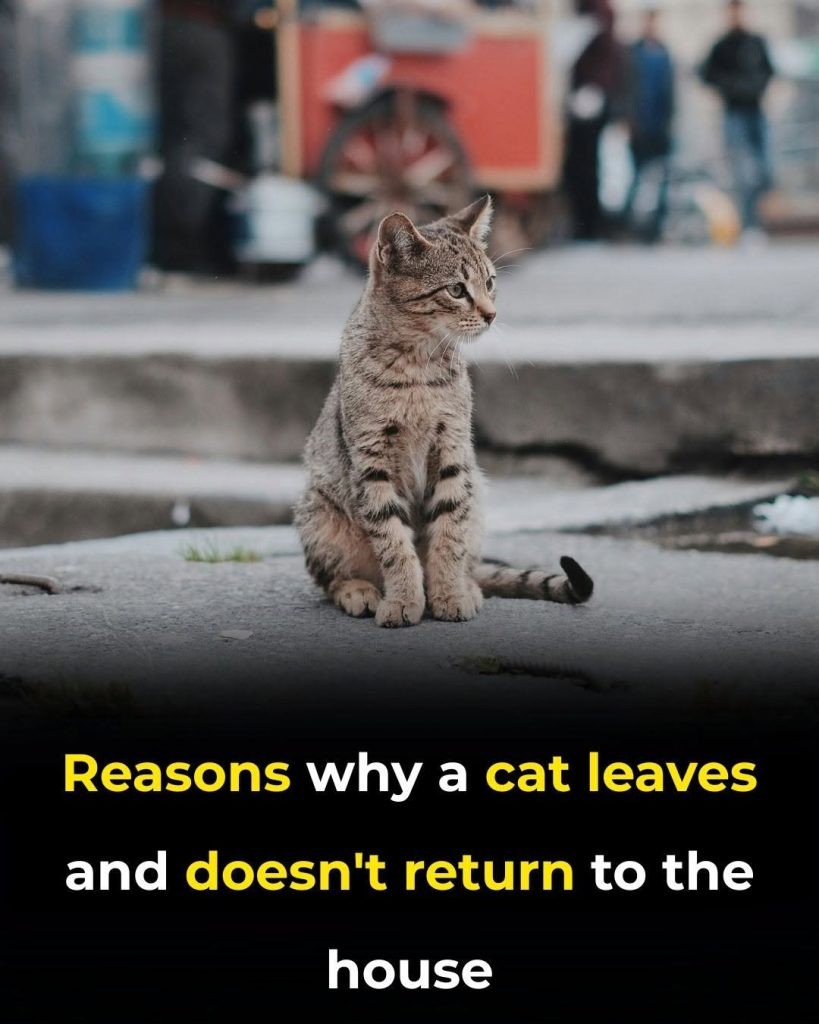

Why Cats Leave Home: Common Reasons and What to Do When a Cat Goes Missing
Cats are known for being curious, adaptable, and independent. These qualities can make them engaging companions, but they can also worry owners when a cat unexpectedly wanders away or fails to return home. A missing cat may be nearby, hiding silently in a familiar area, or may have traveled farther after becoming frightened, following an interesting scent, or searching for food or a mate.
Understanding why cats leave home can help owners reduce the chance of a disappearance and respond effectively if it happens. While every cat is different, veterinary and animal welfare organizations identify several common reasons for roaming: exploration, reproductive behavior, territorial stress, fear, accidental confinement, illness, changes in the household, and access to food elsewhere.
Most missing cats are eventually found, especially when owners begin a calm, thorough search promptly and contact neighbors, shelters, veterinary clinics, and local animal services. Preparation also matters. Identification, microchipping, safe routines, and a stimulating home environment can substantially improve the chances of a safe return.
Natural Curiosity and the Urge to Explore
Cats are natural explorers. Their senses are highly tuned to movement, scent, sound, and changes within their surroundings. A bird in a hedge, another animal’s scent trail, a new construction site, or an open gate may be enough to draw a cat beyond its usual route.
Even cats that receive regular meals and affection may roam because exploration is not solely related to hunger. Outdoor access gives cats opportunities to investigate territory, climb, observe wildlife, and patrol familiar areas. However, the distance a cat travels varies widely. Some remain close to home, while others may range farther, particularly if they are confident, young, active, or unfamiliar with the neighborhood.
Owners can reduce risk by making the home environment more rewarding. Indoor enrichment may include scratching posts, climbing shelves, puzzle feeders, safe window perches, toys rotated regularly, and short daily play sessions that mimic stalking and chasing. For cats that enjoy outdoor time, a secure catio, enclosed garden system, or supervised harness walk can offer stimulation while limiting exposure to traffic, unfamiliar animals, and accidental confinement.
Unneutered Cats May Roam in Search of a Mate
Reproductive behavior is one of the most important reasons cats may travel away from home. Unspayed female cats can attract male cats when they are in heat, while unneutered males may travel considerable distances in response to the scent of a female. This behavior can lead to extended absences, particularly in areas with many free-roaming cats.
Roaming linked to mating behavior may also increase other risks. Cats traveling through unfamiliar territory can encounter roads, aggressive animals, environmental hazards, or situations in which they become trapped. Intact males may also be more likely to engage in territorial competition with other cats.
Spaying or neutering is widely recommended by veterinary and animal welfare organizations as part of responsible cat care. In addition to preventing unplanned litters, sterilization can reduce behaviors associated with reproductive hormones, including attempts to roam. Owners should discuss the most appropriate timing and health considerations with a licensed veterinarian.
Territory, Neighborhood Cats, and Environmental Stress
Cats are territorial animals, but their territories can overlap with those of other cats. A new cat in the neighborhood, a free-roaming dog, wildlife activity, or repeated disturbances near the home can make a cat feel less secure. Some cats respond by avoiding the area, changing their routines, or finding quieter places to hide.
Outdoor conflicts are not always obvious to owners. A cat may be intimidated by another animal without showing visible injury. Signs of stress can include reluctance to go outside, spraying or marking indoors, hiding more than usual, changes in appetite, or increased vigilance near windows and doors.
A predictable and secure home environment can help. Provide multiple resting places, hiding areas, food and water stations, litter boxes, and elevated spaces, especially in homes with more than one cat. This reduces competition and allows each cat to retreat when needed. If outdoor cats are regularly approaching the property, humane deterrents such as motion-activated sprinklers or secure fencing may help protect the garden without harming animals.
Fear Can Cause a Cat to Hide or Become Disoriented
A frightened cat may run farther than intended and then become too scared to move. Fireworks, thunderstorms, traffic noise, construction work, unfamiliar visitors, barking dogs, and sudden household disruptions can all trigger fear. Once outside an unfamiliar area, a cat may hide in silence rather than respond when called.
This is why a missing cat may be much closer than an owner expects. Animal welfare groups often advise beginning the search immediately in nearby, sheltered locations. Check beneath decks, porches, vehicles, bushes, staircases, and outdoor furniture. Look inside open sheds, garages, basements, crawl spaces, and storage areas, always asking permission before entering another person’s property.
Searches are often most productive during quieter periods, such as early morning or late evening, when traffic and activity have decreased. Speak softly, use a familiar call, and pause frequently to listen. Bringing a flashlight can help reveal a cat’s eye reflection in dark hiding spaces. Avoid loud groups or frantic activity, which may frighten a hiding cat further.
Cats Can Become Accidentally Trapped
Accidental confinement is a common explanation when a cat that normally returns home suddenly disappears. Cats may enter a neighbor’s garage, shed, greenhouse, vacant building, vehicle, or storage space while exploring. A door can then be closed without anyone realizing that the cat is inside.
When searching, ask neighbors directly to inspect enclosed areas rather than simply asking whether they have seen the cat. A frightened cat may remain quiet even when a person is nearby. It can be useful to provide neighbors with a recent photograph and a clear description of the cat’s color, markings, collar, and microchip status.
Preventive steps include checking garages and sheds before closing them, asking nearby residents to do the same, and ensuring that a cat has a safe indoor space during periods of heavy neighborhood activity. Cats that are newly adopted, recently moved, or unfamiliar with the area may need additional supervision because they have not yet established a sense of home.
Illness or Injury May Lead Cats to Seek Seclusion
Cats often conceal discomfort or illness, an instinct that can make a vulnerable animal difficult to find. A cat that feels unwell may retreat to a quiet, hidden location rather than return to its normal sleeping place. This behavior does not necessarily mean a serious problem is present, but a missing cat with a known health condition requires urgent attention.
Regular veterinary care can help identify health concerns before they become more serious. Owners should seek veterinary advice promptly if a cat shows changes in appetite, drinking, mobility, grooming, litter box habits, breathing, energy level, or behavior. Older cats and cats with chronic medical conditions may need closer monitoring and should generally be kept in safe, familiar environments.
Weather can also affect a cat’s safety. Severe cold, heat, rain, wind, or storms may make it harder for a cat to navigate home or may lead it to seek shelter elsewhere. Keeping cats indoors during hazardous weather is a practical precaution.
Moving House, Renovations, and Changes in Routine
Major changes at home can be stressful for cats. Moving house is particularly significant because a cat may attempt to return to its previous territory. Renovations, unfamiliar guests, a new baby, another pet, loud appliances, or altered feeding schedules can also disrupt a cat’s sense of security.
When moving, animal welfare organizations commonly recommend keeping cats indoors for an adjustment period while they become familiar with the new home. The exact length of time depends on the cat and the circumstances, but owners should seek advice from a veterinarian or qualified animal behavior professional if the cat appears highly anxious.
Set up one quiet room with familiar bedding, food, water, litter, toys, and hiding places during the busiest part of a move or renovation. Maintain established feeding and play routines where possible. If a cat is introduced to a new pet, make introductions gradual and controlled rather than allowing immediate unsupervised contact.
Food, Attention, and Friendly Neighbors
Some cats develop a second routine at a neighbor’s home. A friendly person may offer food, a warm place to rest, or regular attention without realizing that the cat has an owner. Cats may return to such places repeatedly, especially if food is available outdoors.
Communication can often solve this problem. If a cat is regularly visiting nearby homes, politely explain that the cat belongs to a household and ask neighbors not to provide meals unless there is an emergency. A collar with a visible identification tag can make ownership clear, although collars should be designed to release safely if they become caught.
At home, provide regular meals, clean water, affection on the cat’s terms, and opportunities for play. A secure, comfortable routine does not eliminate every desire to explore, but it can make the home a more appealing base.
What to Do Immediately When Your Cat Goes Missing
Time matters, but a calm and organized approach is more effective than panic. Begin by searching your home thoroughly. Cats can hide in cupboards, behind appliances, inside furniture, under beds, and in unexpectedly small spaces. Then expand the search outward, focusing first on nearby hiding places and enclosed structures.
Notify neighbors and ask them to check garages, sheds, basements, and vehicles. Share a clear, recent photograph and your contact information. Contact local animal shelters, rescue organizations, veterinary practices, and municipal animal services. Check their websites and visit in person when possible, as descriptions can sometimes be incomplete or mistaken.
Post accurate notices in community groups, neighborhood platforms, and local social media pages. Include the date and general location where the cat was last seen, but avoid sharing unnecessary personal information. If the cat is microchipped, contact the microchip registry to confirm that your phone number and address are current and to report the cat missing.
Place familiar scent items near the home, such as used bedding or an unwashed item of clothing. Some owners also use a humane live trap under guidance from a shelter, rescue group, or veterinarian. Any trap should be monitored frequently, protected from weather, and used in accordance with local laws and animal welfare recommendations.
Identification and Prevention Are Essential
Microchipping is one of the most reliable forms of permanent identification. A microchip is not a GPS device and cannot show a cat’s live location, but it can allow a shelter or veterinary clinic to identify an owner when a found cat is scanned. A microchip is only effective if the registration details remain up to date.
A breakaway collar with an identification tag provides an additional visible way for a neighbor to contact an owner. GPS trackers may also be useful for some cats, although their effectiveness depends on the device, battery life, network coverage, fit, and the cat’s tolerance of wearing a collar.
Keeping cats indoors or providing controlled outdoor access can lower exposure to many avoidable hazards. Owners who choose to allow free outdoor access should consider local traffic, wildlife, weather, neighborhood conditions, and the individual cat’s temperament. A veterinarian can help owners make informed decisions that support both safety and quality of life.
Stay Hopeful and Continue the Search
A missing cat is distressing, but many cats are reunited with their families after days or longer periods. Cats may remain hidden nearby until they feel safe enough to emerge, while others may be found after entering a garage, shelter, or another person’s home. Continue checking local shelters, refreshing online notices, speaking with neighbors, and searching during quiet hours.
The best long-term strategy combines prevention with preparation: keep identification current, provide a secure and engaging environment, manage stress during household changes, and act quickly if a cat disappears. By understanding the reasons cats leave home, owners can make practical choices that protect their pets and improve the likelihood of a safe reunion.
Sources
Disclaimer: This content is intended for entertainment purposes only and is not based on real events.