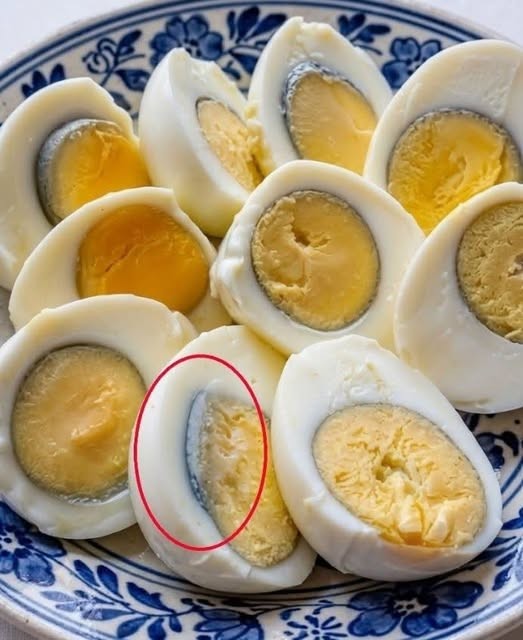

Why Does a Hard-Boiled Egg Have a Green or Gray Ring Around the Yolk?
A green or gray ring around the yolk of a hard-boiled egg can be surprising, especially when the rest of the egg looks perfectly normal. Fortunately, this familiar discoloration is usually harmless. It does not generally mean that the egg is spoiled, contaminated, or unsafe to eat.
In most cases, the greenish-gray layer is the result of a normal chemical reaction that takes place when an egg is cooked for too long or exposed to excessive heat. The effect is common in hard-cooked eggs, and it can be avoided or reduced through gentler cooking and rapid cooling after the eggs are done.
Understanding why the ring forms can help home cooks distinguish a harmless cooking-related change from genuine signs that food should be discarded. It also makes it easier to prepare hard-boiled eggs with bright yellow yolks, tender whites, and a more appealing appearance for salads, sandwiches, snacks, and other meals.
What Causes the Green or Gray Ring Around an Egg Yolk?
The green or gray ring forms through a chemical reaction between naturally occurring compounds in the egg white and yolk. Egg whites contain sulfur-containing proteins. When an egg is heated, these proteins can release hydrogen sulfide gas. At the same time, egg yolks naturally contain iron.
If the egg remains hot for too long, the hydrogen sulfide can react with iron near the outside of the yolk. This produces iron sulfide, a compound that appears greenish-gray. The reaction occurs at the boundary between the white and the yolk, which is why the discoloration usually looks like a narrow ring rather than a color change throughout the entire yolk.
The color may range from pale gray to olive green, depending on cooking conditions. While the appearance can be less appetizing than a clear yellow yolk, iron sulfide in a properly handled hard-boiled egg is not considered a food-safety concern. It is primarily an indicator that the egg was exposed to high heat or cooked longer than necessary.
Are Green-Ringed Hard-Boiled Eggs Safe to Eat?
Yes, a hard-boiled egg with a green or gray ring is generally safe to eat when it has been cooked, handled, and refrigerated properly. The ring itself is not a sign of spoilage. It is a predictable result of heat exposure and the interaction of sulfur and iron already present in the egg.
Food safety depends more on time, temperature, storage, and overall condition than on the color of the yolk’s outer edge. A hard-cooked egg should be refrigerated promptly after cooking and should not be left at room temperature for extended periods. The U.S. Department of Agriculture advises refrigerating cooked eggs within two hours and using hard-cooked eggs within one week.
It is also important to remember that appearance alone cannot always identify foodborne bacteria. An egg can look normal yet have been stored improperly. For that reason, safe preparation and refrigeration practices are more reliable than relying only on smell or color.
When a Cooked Egg Should Be Discarded
Although a green ring is usually harmless, there are circumstances in which a cooked egg should not be eaten. Discard hard-boiled eggs that have been left unrefrigerated for more than two hours, or for more than one hour when the surrounding temperature is above 90°F (32°C). Bacteria can grow more quickly in the temperature range often called the “danger zone,” between 40°F and 140°F (4°C and 60°C).
Eggs should also be thrown away if they have an unusual or persistently unpleasant odor, a slimy surface, visible mold, or packaging and storage conditions that suggest they have been kept too long. A cracked egg that has been stored after cooking may also be more vulnerable to contamination than an intact one.
It is worth separating the normal sulfur-like aroma of a freshly cooked egg from a strong, objectionable odor associated with spoilage. Hard-boiled eggs naturally have sulfur compounds, so a mild eggy smell alone is not always unusual. However, if there is any doubt about how long an egg has been stored or whether it has remained cold, the safest choice is to discard it.
Why Overcooking Makes the Green Ring More Likely
High heat and long cooking times make the sulfur-and-iron reaction more likely. When eggs are boiled vigorously for an extended period, the whites and yolks become hotter for longer, allowing more hydrogen sulfide to reach the yolk surface. Residual heat can continue to cook eggs even after the pan has been removed from the stove.
This is why eggs may develop a green ring even when the boiling time seems reasonable. If they sit in hot water after cooking, they remain exposed to heat. The same issue can happen when eggs are cooked in a pressure cooker, baked, or held in a warming environment for too long without being cooled.
Overcooking can affect texture as well as color. Egg whites may become firmer and more rubbery, while yolks can turn dry, crumbly, or chalky. For many people, avoiding the green ring is therefore not only about appearance; it is also a way to improve the overall eating quality of hard-boiled eggs.
How to Prevent a Green Ring on Hard-Boiled Eggs
The most effective way to prevent a green or gray yolk ring is to avoid prolonged exposure to intense heat. Rather than maintaining a rolling boil for the entire cooking process, many cooks use a gentler approach: bring water to a boil, remove the pan from the heat, cover it, and let the eggs stand in the hot water until cooked.
Exact timing varies according to egg size, starting temperature, altitude, pan type, and personal preference. Large eggs commonly need roughly 9 to 12 minutes of standing time after the water reaches a boil for a firm yolk, though methods differ. People who prefer a slightly softer center may use less time, while extra-large eggs may require more.
For dependable results, use enough water to cover the eggs by about an inch, avoid crowding the pan, and keep the cooking process consistent from batch to batch. If preparing many eggs, a larger pot and adequate water help maintain temperature more evenly.
Cool Eggs Quickly After Cooking
Rapid cooling is an important second step. As soon as the eggs have finished cooking, transfer them to a bowl of ice water or run them under very cold water. Cooling stops the cooking process and reduces the amount of time the yolks remain hot enough for the discoloration reaction to continue.
An ice bath can also make peeling easier for some eggs by cooling the shell and egg white quickly. Leave the eggs in cold water until they are cool enough to handle, then refrigerate them promptly if they will not be eaten right away.
A Simple Hard-Boiled Egg Method
- Place eggs in a single layer in a saucepan.
- Add cool water until the eggs are covered by about 1 inch of water.
- Bring the water to a full boil over medium-high heat.
- Once boiling, remove the pan from the heat and cover it with a lid.
- Let the eggs stand in the hot water for approximately 9 to 12 minutes, adjusting for egg size and preferred yolk texture.
- Transfer the eggs immediately to ice water or very cold water.
- Cool thoroughly, dry the eggs, and refrigerate them if they are not being served immediately.
This approach reduces the risk of overcooking while still producing firm, fully cooked eggs. Kitchen equipment and preferences vary, so it may take a small amount of experimentation to find the timing that works best in a particular home.
How to Store Hard-Boiled Eggs Safely
Proper refrigeration is essential for preserving quality and reducing food-safety risks. Hard-boiled eggs should be placed in the refrigerator within two hours of cooking. The refrigerator should be maintained at 40°F (4°C) or below.
Hard-cooked eggs can be stored in their shells or peeled. Keeping shells on until serving may help protect the egg from absorbing odors and from surface handling. If eggs are peeled, store them in a clean, covered container in the refrigerator. They can be kept for up to one week after cooking, according to USDA guidance.
Avoid storing cooked eggs in a refrigerator door, where temperatures can fluctuate more than on interior shelves. If taking hard-boiled eggs to work, school, a picnic, or another outing, keep them cold with an insulated lunch bag and ice packs. Eggs should not remain in a warm car or outdoors for extended periods.
Does the Green Ring Affect Nutrition?
The greenish-gray ring does not meaningfully change the basic nutritional value of a properly cooked egg. Eggs remain a source of protein and provide nutrients including choline, selenium, vitamin B12, riboflavin, and vitamin D, although nutrient amounts can vary by egg size and production practices.
Overcooking may affect texture and some heat-sensitive nutrients to a limited degree, but the main practical issue is quality rather than a major nutritional loss. A green-ringed egg that has been safely prepared and stored can still be used in egg salad, sliced onto toast, added to grain bowls, or served as a convenient protein-rich snack.
Common Myths About Green Egg Yolks
Myth: A green ring means the egg is rotten
In most cases, this is incorrect. The ring is usually caused by the reaction of sulfur in the white and iron in the yolk during cooking. Storage history and signs of deterioration matter far more than a green edge around the yolk.
Myth: Green-ringed eggs are toxic
There is no evidence that the ordinary green-gray discoloration caused by overcooking makes a properly handled egg toxic. The color is linked to iron sulfide formation, not to the production of a dangerous substance.
Myth: Only old eggs get green yolks
Egg freshness can influence peeling and other cooking characteristics, but the green ring is principally related to cooking temperature and duration. Even fresh eggs can develop it if they are overheated or cooled too slowly.
The Bottom Line on Green or Gray Egg Yolks
A green or gray ring around a hard-boiled egg yolk is usually a harmless sign of overcooking, not spoilage. The discoloration occurs when sulfur compounds from the egg white react with iron in the yolk during prolonged heating. It may affect appearance, but it does not automatically make the egg unsafe.
To reduce the chance of a green ring, cook eggs gently, avoid extended boiling, and cool them immediately in cold or ice water. Just as importantly, refrigerate hard-boiled eggs promptly and use them within one week. If an egg has been left out too long, stored improperly, or shows concerning signs such as an off odor, slime, or mold, discard it.
With careful timing, fast cooling, and safe storage, hard-boiled eggs can have tender whites, bright yellow yolks, and a dependable place in everyday meals.
Sources
Disclaimer: This content is intended for entertainment purposes only and is not based on real events.