
Tonsil Stones and Persistent Bad Breath in Children: Causes, Symptoms, and Care
Persistent bad breath can be upsetting for children and families, especially when it affects confidence, friendships, or school life. While poor oral hygiene, tooth decay, gum problems, dry mouth, and certain foods are common reasons for unpleasant breath, the source is not always the teeth. In some cases, the cause may be tonsil stones, also called tonsilloliths.
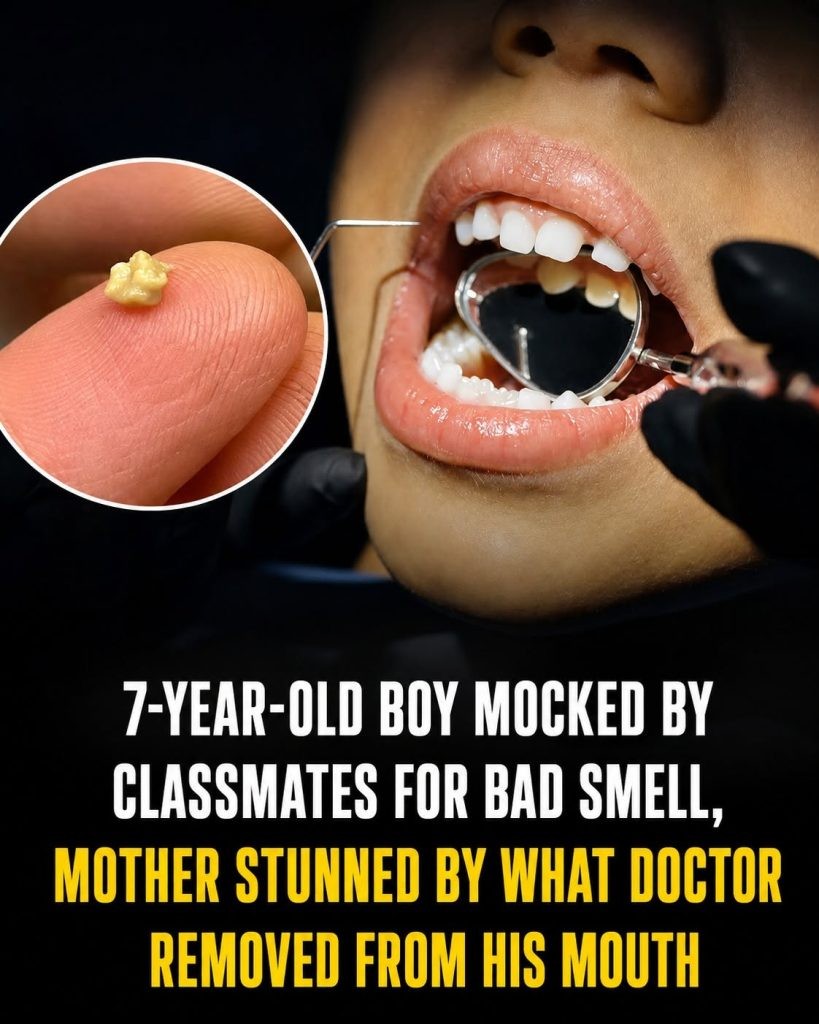
A reported case involving a seven-year-old boy in China drew attention to this often-overlooked issue. According to the account, the child experienced months of strong bad breath and became increasingly withdrawn after classmates avoided sitting near him and teased him about the odor. His teacher reportedly contacted his parents out of concern for his wellbeing. When the family sought medical help, clinicians found deposits in the child’s tonsils rather than a dental problem. The deposits were identified as tonsil stones.
The case highlights an important health message: persistent bad breath should not automatically be interpreted as a sign that a child is not brushing properly. Good oral hygiene remains essential, but ongoing symptoms deserve a thoughtful assessment by a qualified dentist or healthcare professional. Identifying the actual cause can help families choose safe, appropriate care while avoiding embarrassment or blame.
What Are Tonsil Stones?
Tonsil stones are small, firm deposits that can develop in the folds, pits, and crevices of the tonsils. The tonsils are two areas of tissue located at the back of the throat. They are part of the immune system and help recognize germs entering through the mouth and nose, particularly during childhood.
The surface of the tonsils is not smooth. Many people have natural small pockets known as tonsil crypts. Material can collect in these spaces, including mucus, food debris, dead cells, saliva, and bacteria. Over time, the material may become compacted and can harden through the accumulation of minerals such as calcium. This may form a tonsil stone.
Tonsil stones are generally considered benign, meaning they are not usually dangerous. However, they can be uncomfortable and may contribute to unpleasant breath. They may be tiny and barely noticeable, or they can be large enough to cause a sensation of something being caught in the throat. Some people have a single episode, while others experience recurrent stones.
Why Tonsil Stones Can Cause Bad Breath
Bad breath, medically known as halitosis, can arise when bacteria break down particles in the mouth and throat. During this process, some bacteria produce volatile sulfur compounds. These compounds can have a strong odor and are commonly associated with persistent bad breath.
Tonsil stones may contain bacteria and trapped organic material, creating an environment where odor-producing compounds can develop. This is why a child or adult may have noticeable bad breath even when they brush their teeth regularly. The odor may persist because the underlying material is located deep within tonsil crypts and cannot be removed simply by brushing the teeth.
It is important to remember that bad breath has many possible causes. The American Dental Association notes that oral health issues are among the most common contributors, but dry mouth, infections, tobacco exposure, certain foods, digestive conditions, and some medical problems may also play a role. A dental examination is often a sensible first step, particularly if there is concern about cavities, gum inflammation, or plaque buildup.
Possible Symptoms of Tonsil Stones in Children
Many tonsil stones do not cause symptoms. A child may have small stones without realizing they are present. When symptoms occur, persistent unpleasant breath is among the most frequently reported concerns.
Other possible signs can include:
- A white, cream-colored, or yellowish spot visible on a tonsil
- A feeling that something is caught in the back of the throat
- Mild throat irritation or discomfort
- Discomfort when swallowing
- An unusual taste in the mouth
- Occasional coughing or throat clearing
- Recurring concerns about bad breath despite regular brushing
These symptoms are not specific to tonsil stones. A sore throat, trouble swallowing, fever, swollen neck glands, or worsening pain may point to another condition, such as a viral illness or bacterial throat infection. Parents and caregivers should seek professional advice if symptoms are persistent, severe, or associated with breathing difficulty, dehydration, or an inability to swallow normally.
How Tonsil Stones Are Diagnosed
A dentist, primary care clinician, or ear, nose, and throat specialist may evaluate persistent bad breath and throat symptoms. The assessment often begins with questions about oral hygiene, diet, dental care, allergies, snoring, nasal congestion, recent infections, and medications that may cause dry mouth.
The clinician may examine the mouth, teeth, gums, tongue, throat, and tonsils. Tonsil stones can sometimes be seen during a standard examination as pale deposits in tonsil crypts. In other cases, they may be deeper and not easily visible. Most uncomplicated cases do not require extensive testing, although a specialist may recommend further evaluation if symptoms are recurrent or if another condition is suspected.
For a child who has ongoing bad breath, a dental checkup can help rule out common oral causes such as cavities, gum disease, retained food, or inadequate cleaning around the teeth. If dental causes are not found and the child has throat-related symptoms, referral to an ear, nose, and throat specialist may be appropriate.
Treatment Options for Tonsil Stones
Treatment depends on the size of the stones, the child’s symptoms, and how often the issue returns. Small tonsil stones often do not require an invasive procedure. They may loosen naturally over time, especially with normal swallowing, coughing, and good mouth care.
Clinicians may remove a visible stone when it is causing discomfort or significant bad breath. This should be done carefully and only when appropriate. Parents should avoid using sharp objects or forceful methods at home because the tonsils are delicate and can bleed or become irritated. Children may also find attempts at removal distressing or may gag unexpectedly.
In the reported case, medical professionals reportedly removed the deposits during a brief procedure, after which the child’s breath improved. When removal is needed, a healthcare professional can decide on the safest method based on the child’s age, cooperation, symptoms, and the location of the stone.
Surgery to remove the tonsils, known as tonsillectomy, is not routinely used simply because someone has occasional tonsil stones. It may be discussed in selected cases where stones are frequent, symptoms significantly affect daily life, or there are other medical reasons for tonsil surgery, such as recurrent infections or obstructive sleep-related breathing problems. The decision should be made with an ear, nose, and throat specialist after considering potential benefits and risks.
Everyday Habits That May Help Reduce Bad Breath
Although good hygiene cannot prevent every case of tonsil stones, healthy daily habits can reduce bacteria and food debris in the mouth. These measures are useful for most children and can support overall oral health.
- Brush teeth twice daily: Use a child-appropriate fluoride toothpaste and help younger children brush effectively, especially along the gumline and back teeth.
- Clean between teeth: Flossing or another dentist-recommended method can remove trapped food where toothbrushes do not reach.
- Clean the tongue gently: The tongue can hold bacteria associated with bad breath. A toothbrush or tongue cleaner may help when used gently.
- Encourage regular water intake: Drinking water supports saliva production and helps rinse away food particles. Dry mouth can make bad breath more noticeable.
- Maintain regular dental visits: Routine checkups allow dentists to identify tooth decay, gum concerns, and hygiene needs early.
- Choose balanced meals and snacks: Fruits, vegetables, whole grains, and other nutrient-rich foods support general health. Limiting frequent sugary snacks can also lower the risk of tooth decay.
- Follow professional advice on rinses: Older children may be advised to use a salt-water gargle or another rinse, but parents should ask a clinician or dentist what is appropriate for the child’s age and ability to spit safely.
Children should not use adult mouthwash without guidance, particularly if they may swallow it. Some mouth rinses contain alcohol or ingredients not suitable for young children. A dentist or pediatric clinician can recommend options tailored to the child.
The Emotional Impact of Bad Breath and Bullying
Health symptoms can have social consequences, particularly for children. Bad breath may lead to self-consciousness, avoidance of speaking closely with others, or concern about being judged. If classmates respond with teasing or exclusion, the emotional impact can become much greater than the physical symptom itself.
Bullying should never be treated as an acceptable response to a health concern. Parents, teachers, and school staff can help by addressing unkind behavior promptly and privately, while protecting a child’s dignity. It is usually best to avoid singling out a child in front of peers or framing a health issue as a personal failure.
A supportive approach may include reassuring the child that bad breath is common and treatable, arranging a health assessment, and working with school staff if the child has been teased. Open, age-appropriate communication can help children feel less isolated. If a child becomes persistently anxious, withdrawn, reluctant to attend school, or distressed by peer behavior, families may wish to speak with a school counselor, pediatrician, or mental health professional.
When to Contact a Doctor or Dentist
Parents should consider arranging a dental or medical appointment if a child has bad breath that continues despite consistent brushing, flossing, hydration, and routine dental care. It is especially useful to seek advice when bad breath occurs alongside throat discomfort, recurrent visible deposits on the tonsils, a persistent sensation of blockage, or repeated throat symptoms.
Urgent medical attention is needed if a child has trouble breathing, significant difficulty swallowing, drooling because they cannot swallow, severe throat pain, signs of dehydration, or appears seriously unwell. These symptoms may indicate a condition other than uncomplicated tonsil stones and should be assessed promptly.
A Reminder to Look Beyond Brushing
Tonsil stones are one possible explanation for persistent bad breath, but they are not the only one. The key lesson is that families should approach the issue with curiosity rather than shame. A child who has unpleasant breath may already feel embarrassed, and criticism about hygiene can make that distress worse.
Regular dental care, adequate hydration, gentle mouth cleaning, and balanced nutrition are valuable foundations for oral health. When symptoms do not improve, a dentist or ear, nose, and throat specialist can help identify whether tonsil stones, dental concerns, nasal problems, dry mouth, or another factor is involved. Early assessment can provide reassurance and, when needed, practical treatment.
Sources
Disclaimer: This content is intended for entertainment purposes only and is not based on real events.