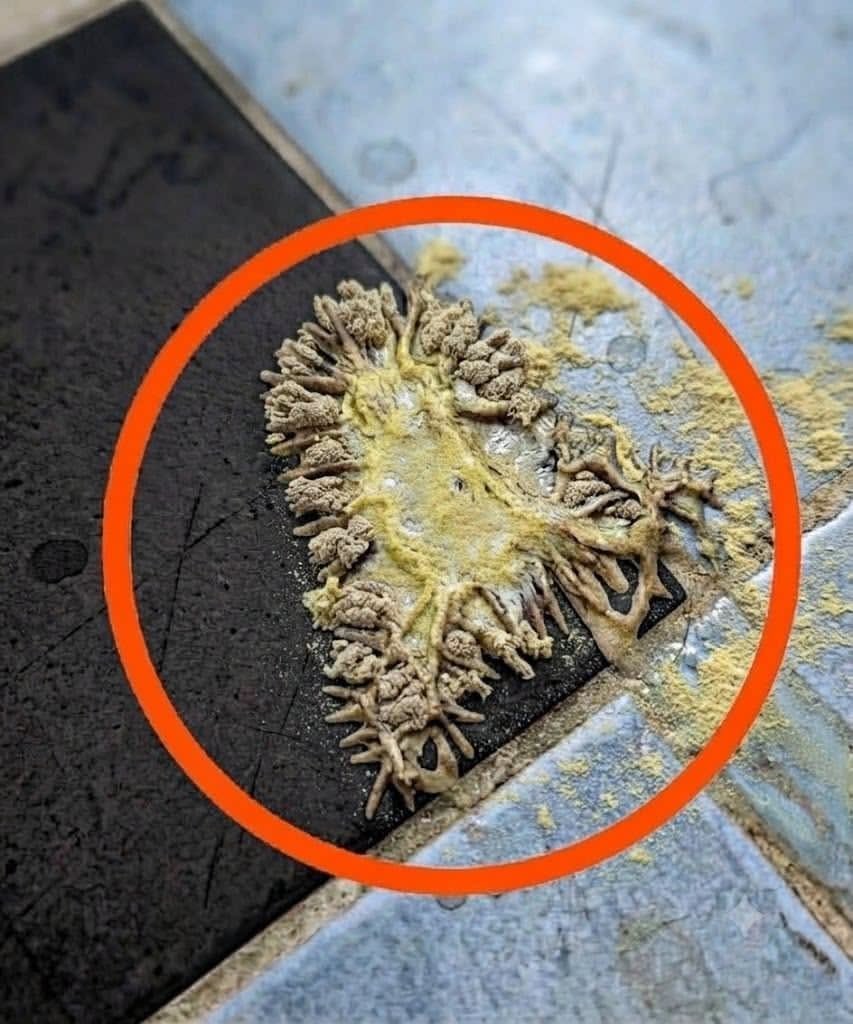

Bathroom Warning Signs: What Musty Smells, Drips, and Running Toilets Can Mean
The first signs of a bathroom maintenance issue are often easy to dismiss. A faint musty odor, an occasional drip, a mirror that stays foggy long after a shower, or a toilet that seems to refill without being flushed may not seem urgent. However, these small changes can point to moisture, ventilation, plumbing, or cleaning concerns that are worth investigating early.
Bathrooms are naturally humid spaces. Showers, baths, sinks, and toilets all introduce water into a relatively enclosed room, making routine maintenance especially important. In many cases, an unusual smell or sound has an ordinary explanation rather than a mysterious cause. Addressing the source promptly can help protect indoor air quality, reduce unnecessary water use, and prevent more expensive repairs later.
This guide explains common bathroom warning signs, what they may mean, and practical steps homeowners and renters can take. While many problems can be resolved through cleaning, ventilation, or minor repairs, persistent leaks, visible water damage, or recurring moisture should be assessed by a qualified plumber, property manager, or building professional.
Musty Bathroom Smells May Point to Excess Moisture
A damp, earthy, or musty smell is one of the most common bathroom concerns. The odor may become more noticeable after showering, during humid weather, or when the room has been closed for several hours. Although an odor alone cannot confirm the presence of mold, it can indicate that moisture is lingering somewhere it should not.
Moisture may collect behind a vanity, beneath a sink, around the base of a toilet, inside a shower enclosure, under flooring, or in poorly ventilated wall cavities. Materials such as drywall, grout, caulk, wood, and fabric bath mats can retain moisture. When damp conditions persist, mold can grow on surfaces or within building materials.
The U.S. Environmental Protection Agency explains that controlling moisture is the key to controlling mold indoors. Bathrooms should be ventilated during bathing and for a period afterward so humidity can leave the room. An exhaust fan that vents outdoors is generally more effective than simply opening an interior door. If a bathroom has a window, opening it may also improve air circulation when weather and safety allow.
Start by checking obvious locations: under the sink, around supply lines, behind the toilet, along the shower pan, and at tile joints. Look for dampness, peeling paint, dark spots, swollen baseboards, soft flooring, or deteriorating caulk. If the smell persists but no source is visible, a professional inspection may be appropriate, particularly if there has been a known leak or water damage.
Pink or Orange Residue Is Often Linked to Moisture and Surface Bacteria
Pink, salmon-colored, orange, or reddish residue around a sink, shower, toilet bowl, or tile grout is frequently associated with moisture and microbial growth. One organism often discussed in relation to pink bathroom film is Serratia marcescens, a bacterium that can grow in damp environments and may feed on residues from soap, shampoo, body oils, or toothpaste.
Not every pink stain is caused by the same organism. Mineral content in water, rust from aging plumbing components, cosmetic products, and cleaning products can also leave colored marks. Still, recurring pink or orange film generally suggests that surfaces are staying wet or are not being cleaned often enough.
For most healthy people, routine household exposure to small amounts of bathroom surface bacteria is not typically a reason for alarm. However, good hygiene remains important, especially in homes with people who have weakened immune systems, open wounds, or medical devices. Regular cleaning reduces buildup and helps keep shared bathroom surfaces sanitary.
Clean affected areas using a household bathroom cleaner according to its label instructions. Never mix cleaning products, particularly bleach with ammonia or acids, because dangerous fumes can result. After cleaning, dry the area and improve airflow. Wiping down shower walls, keeping the shower curtain open to dry, washing bath mats regularly, and repairing drips can all make recurring residue less likely.
A Toilet That Runs or Refills May Be Wasting Water
A toilet that periodically refills on its own, makes a brief hissing sound, or continues running after flushing usually has a mechanical explanation. In many cases, the issue involves the flapper, fill valve, overflow tube, or water level inside the tank.
The flapper is the rubber or silicone seal at the bottom of the tank. When it becomes worn, warped, dirty, or misaligned, water can slowly leak from the tank into the bowl. As the tank water level drops, the fill valve activates to replace it. This can create the impression that the toilet is flushing or refilling by itself.
A faulty fill valve can also cause persistent hissing or repeated filling. If the water level is set too high, water may flow into the overflow tube instead of remaining in the tank. These issues can waste a substantial amount of water over time, even when the leak is not obvious.
A simple dye test can help identify a leaking flapper. Add a few drops of food coloring or a toilet leak-detection tablet to the tank, then wait without flushing. If colored water appears in the bowl, water is likely leaking past the flapper. Replacement flappers and fill valves are widely available, but a plumber can make the repair if the toilet has complex parts, signs of corrosion, or a leak at the base.
If water is pooling around the toilet, the floor feels soft, or there is a sewer-like odor, avoid delaying repairs. These signs may indicate a seal or drain issue that requires professional attention.
Dripping Sounds Can Come From Leaks, Condensation, or Plumbing Changes
A dripping sound in a bathroom deserves a closer look, even if no water is immediately visible. The sound may come from a faucet, showerhead, toilet tank, drainpipe, or water supply line. It may also be caused by condensation: water vapor in the air can collect on cold pipes, then drip onto nearby surfaces.
Condensation is more likely when warm, humid bathroom air meets cold plumbing pipes or fixtures. It is often seen on toilet tanks in humid climates or during seasonal temperature changes. While occasional condensation may be manageable, repeated moisture can damage flooring, encourage microbial growth, and contribute to musty odors.
To reduce condensation, improve bathroom ventilation and consider insulating exposed cold-water pipes where appropriate. A plumber can advise whether pipe insulation or other measures are suitable for the building. For toilet tank condensation, some homes may benefit from adjustments that reduce humidity or from plumbing solutions designed for local conditions.
If the drip occurs even when fixtures are not in use, inspect the area under the sink and around shutoff valves. Place a dry paper towel beneath suspected connections to see whether it becomes damp. Do not ignore small leaks: over time, a slow drip can stain cabinets, damage flooring, and create conditions for mold growth.
Constant Foggy Mirrors Often Signal Poor Ventilation
A foggy mirror after a hot shower is normal. A mirror that remains fogged for a long time, along with wet walls, damp ceilings, or persistent condensation on windows, may indicate that the bathroom is not exhausting moisture effectively.
Ventilation is one of the simplest ways to limit bathroom humidity. A properly functioning exhaust fan should move humid air outdoors, not merely into an attic or enclosed space. In many homes, the fan should be run during bathing and continued afterward until the room has had time to dry. The exact amount of time depends on the room size, fan capacity, and local climate.
Exhaust fans can lose effectiveness when their covers and ducts collect dust. Cleaning the grille carefully and ensuring the fan is operating properly can improve airflow. If the fan is loud, weak, does not turn on, or fails to clear humidity, an electrician or ventilation professional may need to evaluate it.
Simple habits also matter. Use cooler shower temperatures when practical, squeegee shower walls after use, hang towels so they can dry fully, and avoid leaving wet clothing or damp mats in a closed bathroom. These steps reduce the amount of water available for mold and bacteria to grow.
Metallic, Sulfur-Like, or Unusual Water Odors Need Careful Assessment
Water that smells metallic may be associated with minerals, plumbing corrosion, or water quality conditions. A sulfur-like smell may be caused by naturally occurring compounds, activity in drains, or water heater issues, depending on whether the odor appears in hot water, cold water, or only at one fixture.
It is important not to assume the cause from smell alone. If an unusual odor is new, persistent, or accompanied by discoloration, cloudiness, a change in taste, or plumbing problems, contact the local water utility, building manager, or a licensed plumber. Private well owners may wish to consider laboratory testing through a certified local program, particularly after flooding, repairs, or changes in water quality.
For municipal water customers, the water provider can often explain local water treatment practices and advise whether there are known service issues. Water quality agencies and public health departments may also provide guidance on appropriate testing and maintenance.
When to Call a Professional for Bathroom Problems
Many routine bathroom issues can be managed with cleaning, ventilation, and simple replacement parts. However, some warning signs should not be handled casually. Contact a qualified professional if you notice recurring water stains, damaged ceilings below a bathroom, soft or warped floors, visible leaks inside walls, repeated mold growth, cracked pipes, persistent drain backups, or water near electrical outlets.
Renters should document the issue with dates and photographs and notify their landlord or property manager promptly. Homeowners may need help from a licensed plumber, electrician, mold remediation specialist, or contractor depending on the cause. Professional assessment is particularly valuable when moisture has affected hidden building materials.
Early action is often less disruptive and less costly than waiting for a small issue to become structural damage. A worn toilet flapper, loose connection, blocked fan duct, or failed caulk line can usually be addressed more easily than a long-term leak behind a wall.
How to Keep a Bathroom Dry, Clean, and Well Maintained
Bathroom maintenance does not need to be complicated. A consistent routine can reduce moisture problems and make warning signs easier to spot. Run the exhaust fan or open a window during and after showers. Check under sinks and around toilets regularly. Clean and dry shower surfaces, replace damaged caulk, wash shower curtains and bath mats, and repair drips as soon as possible.
Pay attention to changes rather than assuming they will disappear. A new smell, a repeated noise, unexplained dampness, or a stain that returns after cleaning is useful information. These signs are often the home’s way of indicating that moisture or plumbing needs attention.
What may initially feel puzzling is usually a practical maintenance issue with a solution. By improving airflow, reducing standing water, maintaining fixtures, and seeking professional help when necessary, households can create a cleaner, more comfortable, and more resilient bathroom environment.
Sources
- U.S. Environmental Protection Agency: Mold and Moisture
- Centers for Disease Control and Prevention: Mold and Health
- U.S. Environmental Protection Agency WaterSense: Toilets and Water Efficiency
- Centers for Disease Control and Prevention: Healthcare-Associated Infections Information
- Mayo Clinic: Mold Exposure and Indoor Moisture Information
Disclaimer: This content is intended for entertainment purposes only and is not based on real events.