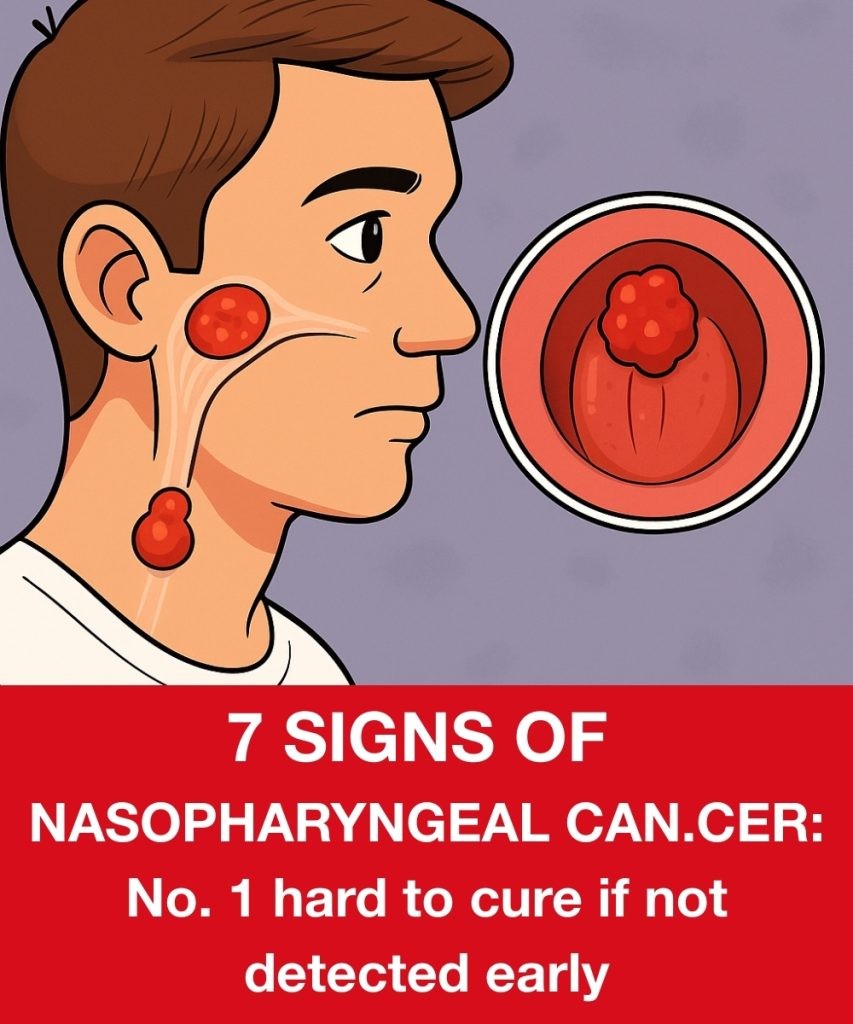

Understanding the Early Signs of Nasopharyngeal Cancer
Nasopharyngeal cancer is an uncommon type of head and neck cancer that begins in the nasopharynx, the upper part of the throat located behind the nose. This area connects the nasal passages to the throat and sits close to structures involved in hearing, swallowing, vision, and breathing. Because the nasopharynx is not easily visible during a routine self-examination, early symptoms can be subtle and may resemble allergies, sinus conditions, ear problems, or common respiratory infections.
Learning about the possible warning signs of nasopharyngeal cancer can help people recognize when a symptom deserves medical attention. Most people with nasal congestion, headaches, ear pressure, or sore throats do not have cancer. However, symptoms that persist, recur without a clear explanation, affect only one side of the body, or become progressively worse should be discussed with a qualified healthcare professional.
Early medical evaluation does not mean assuming the worst. It means identifying the cause of persistent symptoms and ensuring that appropriate tests are offered when needed. Timely diagnosis can help doctors develop an effective treatment plan and may improve outcomes.
What Is Nasopharyngeal Cancer?
The nasopharynx is located behind the nose and above the soft palate, which is the back portion of the roof of the mouth. It also contains the openings of the Eustachian tubes, which help connect the middle ears to the throat. Cancer in this region most often starts in the lining cells of the nasopharynx and is commonly classified as nasopharyngeal carcinoma.
Nasopharyngeal cancer is rare in many parts of the world, including the United States and much of Europe. It is more common in certain regions, particularly southern China, Southeast Asia, North Africa, and the Arctic. Rates may also be higher among people with family roots in some of these areas, even when they live elsewhere. Researchers believe that a combination of genetic factors, environmental exposures, dietary patterns, and infection with the Epstein-Barr virus may contribute to differences in risk.
The condition can occur at different ages, although it is more often diagnosed in adults. Like many cancers, it is not caused by one single factor, and having a risk factor does not mean that a person will develop the disease.
Why Early Symptoms Can Be Difficult to Recognize
Early signs of nasopharyngeal cancer may be easy to overlook because they overlap with far more common conditions. Seasonal allergies can cause a blocked nose, sinus infections can produce facial pressure and headaches, and ear infections can affect hearing or cause a sensation of fullness. In many cases, these symptoms improve with time or standard treatment.
What makes persistent symptoms important is their pattern. A blocked nostril that does not clear, repeated nosebleeds without an obvious cause, or hearing changes in one ear that continue for several weeks may require further evaluation. Doctors consider the full clinical picture, including a person’s age, health history, duration of symptoms, physical examination findings, and risk factors.
Nasopharyngeal cancer may also spread to nearby lymph nodes in the neck before it causes obvious symptoms in the nose or throat. For this reason, a painless neck lump can be one of the first signs noticed by some patients. A lump in the neck has many potential causes, including infections and other non-cancerous conditions, but one that persists should be assessed by a clinician.
Possible Early Signs of Nasopharyngeal Cancer
Symptoms can vary from person to person. The following signs are associated with nasopharyngeal cancer, but they are not specific to it and are more commonly caused by other conditions. Medical evaluation is especially important when symptoms persist, worsen, or occur together.
A Persistent Lump or Swelling in the Neck
Enlarged lymph nodes in the neck are among the more common presenting signs of nasopharyngeal cancer. Lymph nodes are small immune-system structures that can become enlarged during infections. A neck lump may be related to a cold, dental problem, throat infection, or another inflammatory condition. However, a lump that does not go away after an illness resolves, continues to grow, or is present without signs of infection should be checked promptly.
Nasal Symptoms That Do Not Improve
Persistent nasal blockage, especially on one side, may occur when a growth affects the nasal passages or nasopharynx. Some people may notice recurrent nosebleeds or blood-stained nasal discharge. These symptoms can also result from dry air, irritation, allergies, sinus inflammation, certain medications, or nasal injury. The concern is not a single brief episode but a repeated or ongoing pattern that does not have a clear explanation.
Ear Fullness, Hearing Changes, or Ringing in One Ear
Because the nasopharynx is close to the Eustachian tubes, a tumor in this area can interfere with normal middle-ear drainage. This may lead to a feeling of pressure or fullness in the ear, reduced hearing, repeated middle-ear fluid buildup, or tinnitus, which is the perception of ringing or other sounds without an external source.
Hearing symptoms are commonly caused by earwax, infections, noise exposure, or age-related hearing changes. Still, adults with persistent fluid or hearing loss affecting one ear, particularly when there is no clear ear infection, may need an examination by an ear, nose, and throat specialist.
Headaches or Facial Symptoms
Headaches are extremely common and usually are not linked to cancer. In nasopharyngeal cancer, headaches may occur if the disease affects surrounding tissues or nerves. Some people may develop facial pain, numbness, tingling, or weakness. These symptoms warrant medical assessment because they can have a wide range of possible causes, including migraine, dental conditions, nerve disorders, and sinus disease.
Throat, Swallowing, or Voice Changes
Ongoing throat discomfort, difficulty swallowing, a sensation that something is stuck in the throat, or changes in voice can occur in several head and neck conditions. Persistent swallowing difficulty should not be ignored, especially if it is accompanied by weight loss, pain, a neck mass, or other continuing symptoms. A clinician can determine whether the problem is related to reflux, infection, a neurological condition, or another cause requiring treatment.
Vision Changes or Other Neurological Symptoms
In more advanced situations, nasopharyngeal cancer can affect nerves near the eye and skull base. This may cause double vision, changes in vision, drooping of part of the face, or facial numbness. These symptoms require urgent medical attention, as they can be associated with several serious health conditions and should be assessed without delay.
When to Contact a Healthcare Professional
It is sensible to arrange a medical appointment if nasal, ear, throat, or neck symptoms continue for more than a few weeks, keep returning, or become more severe. People should seek more urgent advice for a rapidly enlarging neck swelling, significant difficulty breathing or swallowing, new neurological symptoms, or sudden vision changes.
A primary care clinician may begin the assessment and refer the patient to an otolaryngologist, also known as an ear, nose, and throat specialist. Referrals are based on symptoms and examination findings, not on an assumption that cancer is present. Many people evaluated for these symptoms ultimately receive a diagnosis of a non-cancerous and treatable condition.
Risk Factors and the Role of Epstein-Barr Virus
Medical researchers have identified several factors associated with a higher risk of nasopharyngeal cancer. One important factor is prior infection with Epstein-Barr virus, often called EBV. EBV is a common virus that infects most people at some point in life. In most cases, infection does not lead to cancer. However, EBV is strongly linked with many cases of nasopharyngeal carcinoma, particularly in regions where the disease is more common.
Other factors may include a family history of nasopharyngeal cancer, certain inherited genetic patterns, and exposure to tobacco smoke. Some research has also linked diets high in salt-preserved foods, especially when consumed from an early age, with increased risk in areas where the cancer is endemic. Risk is influenced by multiple factors, and researchers continue to study how these factors interact.
There is no routine population-wide screening test for nasopharyngeal cancer in countries where it is rare. In some high-risk populations, healthcare systems and researchers may use EBV-related blood testing as part of screening or research programs. Screening decisions should be guided by local public-health recommendations and an individual discussion with a healthcare professional.
How Nasopharyngeal Cancer Is Diagnosed
Diagnosis usually begins with a detailed medical history and examination. An ear, nose, and throat specialist may use a thin flexible instrument with a light and camera, called a nasoendoscope, to look inside the nose and nasopharynx. This examination helps doctors identify inflammation, structural problems, or areas that need closer assessment.
If an abnormal area is found, a biopsy may be performed. A biopsy involves taking a small sample of tissue and examining it in a laboratory. It is the key test used to confirm whether cancer is present and to identify the specific type of cells involved.
Doctors may also use imaging tests such as magnetic resonance imaging (MRI), computed tomography (CT), or positron emission tomography (PET) scans to understand the location and extent of the disease. Blood tests for EBV markers may be useful in some situations, particularly after diagnosis, but they do not replace a biopsy for confirming cancer.
Treatment Options and Supportive Care
Treatment depends on the stage of cancer, its location, the person’s overall health, and other clinical factors. Because nasopharyngeal cancer is often sensitive to radiation, radiation therapy is a central treatment option. Radiation may be used alone for some early-stage cases or combined with chemotherapy for more advanced disease.
Chemotherapy uses medicines that circulate through the body to destroy or slow the growth of cancer cells. It may be given before, during, or after radiation therapy depending on the treatment plan. Some patients may also be eligible for targeted therapies or immunotherapy, particularly if the cancer has returned or spread. These treatments are selected by specialist oncology teams based on the characteristics of the cancer and the latest clinical evidence.
Treatment can affect eating, swallowing, mouth health, hearing, energy levels, and emotional wellbeing. Supportive care is therefore an essential part of treatment. This may include nutritional support, speech and swallowing therapy, dental care, pain management, mental health support, and help with practical needs. Patients can also ask their care team about clinical trials, which may provide access to carefully studied new approaches.
Why Awareness and Timely Evaluation Matter
Awareness is not intended to create fear. Rather, it helps people make informed decisions when their body signals that something is not improving. Nasopharyngeal cancer is uncommon, and its possible symptoms often have non-cancerous explanations. Even so, a persistent neck lump, one-sided hearing change, ongoing nasal blockage, unexplained nosebleeds, or worsening throat symptoms deserve professional attention.
Listening to persistent symptoms, attending recommended appointments, and sharing a complete health and family history can help clinicians investigate concerns efficiently. People who have been treated for nasopharyngeal cancer should also attend follow-up visits, as these appointments allow care teams to monitor recovery, manage long-term effects, and address new concerns.
This information is educational and is not a substitute for personal medical advice. Anyone concerned about ongoing symptoms should speak with a doctor or another qualified healthcare professional.
Sources
Disclaimer: This content is intended for entertainment purposes only and is not based on real events.
