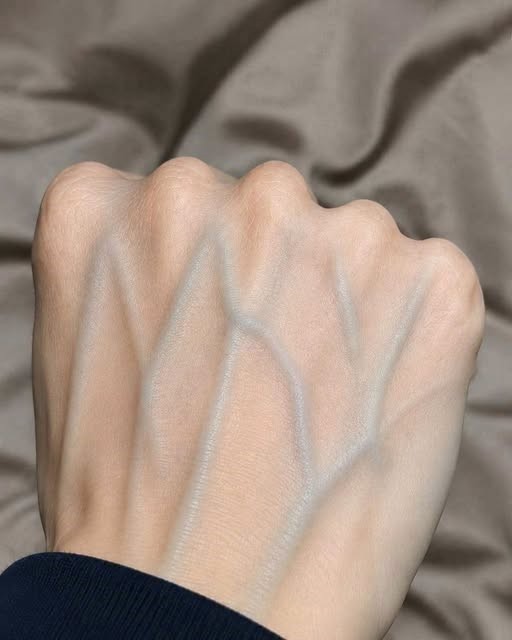

Visible Veins: When They Are Normal and When to Seek Medical Care
Visible veins can be a source of concern, particularly when they appear darker, more raised, or more noticeable than usual. In many cases, however, prominent veins are a normal physical feature rather than a sign of illness. Veins may become easier to see with age, exercise, warm weather, changes in body composition, or naturally thinner skin.
At the same time, a sudden or unexplained change in the appearance of veins can sometimes be associated with circulation problems. Pain, swelling, warmth, tenderness, skin changes, or breathing symptoms are more important than vein visibility alone. Understanding the difference between commonly harmless visible veins and symptoms that need medical attention can help people make informed decisions about their health.
Why Veins Become Visible
Veins carry blood back to the heart after oxygen has been delivered to the body’s tissues. Many veins sit relatively close to the skin, especially in the hands, arms, feet, and lower legs. Their visibility can vary significantly from one person to another.
Skin thickness is one important factor. As people age, the skin can become thinner and lose some of the fatty tissue beneath it. This may make veins look more prominent even when blood flow is normal. Genetics also play a role: some people naturally have more visible superficial veins because of their skin tone, skin thickness, vein structure, or family history.
Lower levels of body fat can make veins easier to see because there is less tissue between the skin and the blood vessels. This is common among athletes, people with a lean body type, and those who have experienced weight loss. Visible veins in these circumstances are often most apparent on the arms, shoulders, hands, calves, and feet.
Exercise can temporarily increase the appearance of veins as well. During physical activity, muscles require more blood flow, and blood vessels near the surface of the skin may expand. Resistance training may make this effect especially noticeable. In healthy people, veins that become more visible during or shortly after exercise usually return closer to their typical appearance with rest.
Heat is another common explanation. Warm temperatures can cause blood vessels to widen, helping the body release heat. A hot day, a warm bath, or a sauna may therefore make veins look more pronounced for a short time. Dehydration may also make some veins appear more defined, although maintaining adequate fluid intake remains important for overall health.
When Prominent Veins Are Usually Normal
Prominent veins are often harmless when they have been present for a long time and are not associated with discomfort or other symptoms. For example, clearly visible veins on the hands and forearms are common in older adults and physically active people. A person may also notice more visible veins after a workout, during hot weather, or after carrying a heavy object.
In these cases, the absence of symptoms is reassuring. Veins that are not painful, tender, swollen, or accompanied by skin changes generally do not indicate an emergency. Still, routine medical advice can be helpful if a person has questions about a new change, a family history of vein disease, or cosmetic concerns.
It is also important to distinguish ordinary visible veins from varicose veins. Varicose veins are enlarged, twisted veins that often develop in the legs. They can be blue, purple, or skin-colored and may bulge above the surface of the skin. While they are common and frequently manageable, some people experience aching, itching, throbbing, heaviness, or swelling related to them.
Varicose Veins and Chronic Venous Insufficiency
Varicose veins can develop when small valves inside leg veins do not work effectively. These valves normally help blood move upward toward the heart. When they weaken, blood can pool in the veins, increasing pressure and causing veins to enlarge or become twisted.
This process is often related to chronic venous insufficiency, a condition in which blood has difficulty returning from the legs to the heart. Risk factors can include increasing age, pregnancy, obesity, prolonged standing or sitting, a family history of vein problems, and previous blood clots. Women are diagnosed with varicose veins more often than men, although anyone can develop them.
Symptoms associated with chronic venous insufficiency may include leg heaviness, tiredness, aching, ankle swelling, itching, cramps, or discomfort that worsens after prolonged standing. Some people notice that symptoms improve after elevating their legs or walking. Over time, some individuals may develop changes in skin color or texture around the ankles, which should be assessed by a clinician.
Medical professionals may recommend lifestyle measures such as regular movement, avoiding long periods of stillness, maintaining a weight appropriate for the individual, and elevating the legs when appropriate. Compression stockings may be advised for some people, but it is sensible to seek professional guidance before using them, particularly for people with known artery disease, diabetes-related circulation concerns, or other medical conditions.
Treatment for symptomatic varicose veins can include minimally invasive procedures that close or remove affected veins. The most suitable option depends on symptoms, medical history, ultrasound findings, and the veins involved. A qualified healthcare professional can explain the potential benefits and limitations of each approach.
Deep Vein Thrombosis: Symptoms That Need Prompt Assessment
One condition that requires particular attention is deep vein thrombosis, commonly called DVT. A DVT is a blood clot that forms in a deep vein, most often in the leg. Unlike superficial veins visible near the skin, deep veins are located within the muscles and are not usually seen directly.
A blood clot can interfere with normal blood flow and may become serious if part of the clot travels to the lungs. This is called a pulmonary embolism. Not everyone with DVT has the same symptoms, and some people may have few noticeable signs. However, common symptoms can include swelling in one leg, pain or tenderness, warmth, redness, or a change in skin color. These symptoms may develop in the calf or thigh and can sometimes be mistaken for a muscle strain.
Risk factors for DVT include recent surgery, hospitalization, prolonged immobility, long-distance travel, pregnancy and the period after birth, some cancers, smoking, certain inherited clotting conditions, and use of estrogen-containing medications. A previous DVT or pulmonary embolism also raises the likelihood of another event.
Anyone with new one-sided leg swelling, unexplained leg pain, or warmth should contact a healthcare professional promptly for advice. Urgent emergency care is appropriate if these symptoms occur alongside sudden shortness of breath, chest pain that worsens with breathing, fainting, rapid heartbeat, or coughing up blood. These symptoms do not automatically mean a pulmonary embolism is present, but they require immediate medical evaluation.
Visible Neck Veins and Heart-Related Symptoms
Veins in the neck can sometimes appear more noticeable for temporary and harmless reasons, including body position, exertion, or straining. However, persistently distended neck veins may be one sign that pressure is elevated in the venous system. Healthcare professionals assess this finding in context, along with a person’s medical history, examination results, and other symptoms.
Heart failure is one possible cause of increased pressure in the veins, but visible neck veins alone cannot diagnose heart failure. Heart failure is a complex medical condition in which the heart does not pump blood as effectively as the body needs. Symptoms can include breathlessness, fatigue, swelling in the ankles or legs, rapid weight gain from fluid retention, and difficulty breathing when lying flat.
Other conditions can also influence the appearance of neck veins. For that reason, a new, persistent change should be evaluated by a clinician rather than interpreted without medical assessment. People with known heart, lung, kidney, or liver conditions should discuss new swelling or changes in breathing with their healthcare team.
Other Causes of Changes in Vein Appearance
Several other factors can contribute to visible or enlarged veins. Pregnancy can increase blood volume and place additional pressure on leg veins, making varicose veins more common. Hormonal changes may also affect vein health. In many cases, pregnancy-related vein changes improve after delivery, though persistent symptoms should be reviewed by a doctor.
Minor injury, inflammation near a surface vein, or an intravenous line can sometimes cause a localized area of tenderness and redness. Superficial thrombophlebitis, which involves inflammation and clotting in a vein near the skin, may cause a firm, tender, cord-like area. Although it is different from DVT, it should still be assessed, particularly if symptoms are extensive, worsening, or located near the groin or behind the knee.
Some medications and medical conditions may also influence swelling, circulation, or skin appearance. Because the causes are varied, online information should not replace individualized medical advice. A clinician can determine whether a visible vein is a normal variation, a cosmetic concern, or a sign of an underlying problem.
When to Contact a Doctor About Visible Veins
Scheduling a medical appointment is reasonable when veins suddenly become more prominent without an obvious explanation, especially if the change persists. A doctor can review medical history, medications, lifestyle factors, and any family history of blood clots or vein disease. Depending on the symptoms, an examination or ultrasound scan may be used to evaluate blood flow.
Seek prompt medical advice for a new swollen, painful, warm, or tender area of the leg or arm. It is also important to seek care for worsening varicose vein symptoms, repeated ankle swelling, skin discoloration, sores that are slow to heal, or bleeding from a varicose vein.
Emergency medical help should be sought for sudden breathing difficulty, chest pain, fainting, confusion, or coughing up blood, particularly when these symptoms occur with leg swelling or pain. These symptoms require immediate professional assessment.
Supporting Healthy Circulation
Although not every vein condition can be prevented, daily habits can support circulation and overall cardiovascular health. Regular movement is beneficial because leg muscles help move blood upward through the veins. Taking short walking breaks during long periods of sitting, stretching the ankles during travel, and avoiding extended periods of standing still may be useful for many people.
Maintaining a balanced diet, staying hydrated, avoiding smoking, and discussing individual risk factors with a healthcare professional are also sensible steps. People planning long-distance travel who have a history of blood clots, recent surgery, pregnancy, cancer treatment, or other risk factors should ask a clinician about personalized prevention measures.
Most visible veins are simply part of normal anatomy. Their appearance may reflect age, genetics, exercise, temperature, or body composition. The key issue is not whether veins can be seen, but whether there has been a sudden change or whether symptoms such as pain, swelling, warmth, skin changes, or shortness of breath are present. Paying attention to those warning signs and seeking timely medical guidance can help protect vein and circulation health.
Sources
Disclaimer: This content is intended for entertainment purposes only and is not based on real events.
