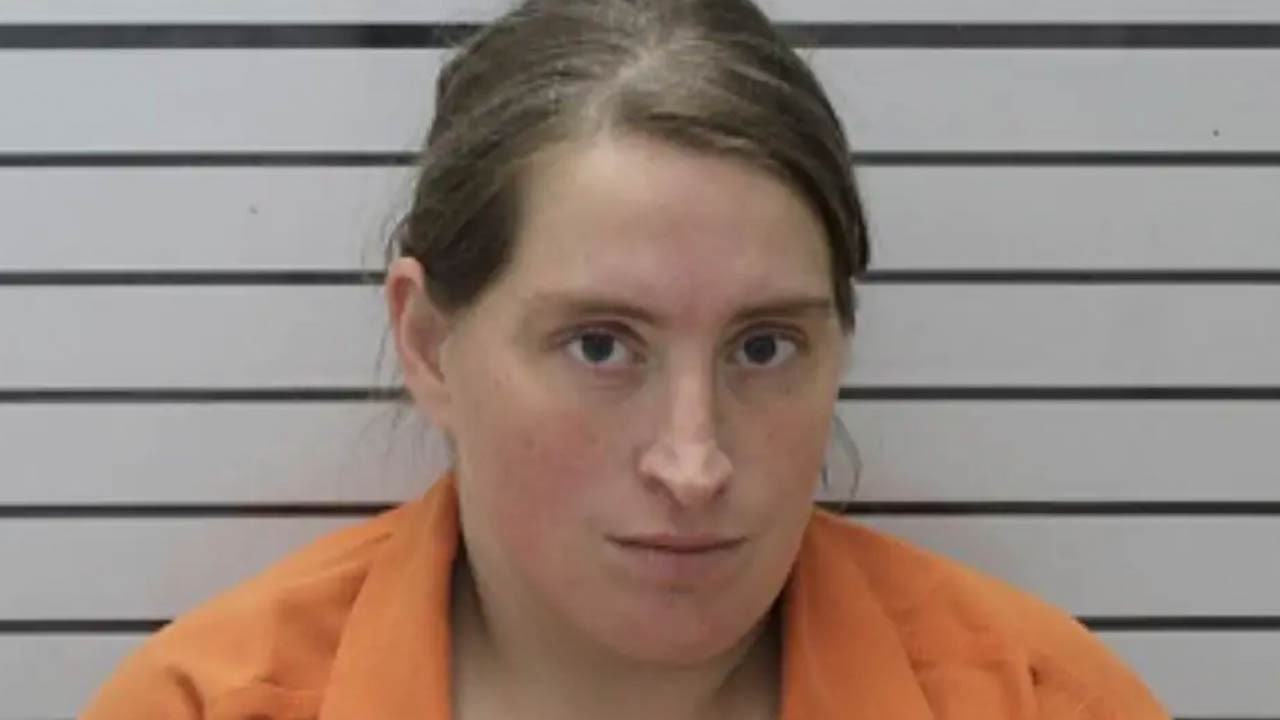

Oklahoma Mother Sentenced in Muskogee County Child Neglect Case
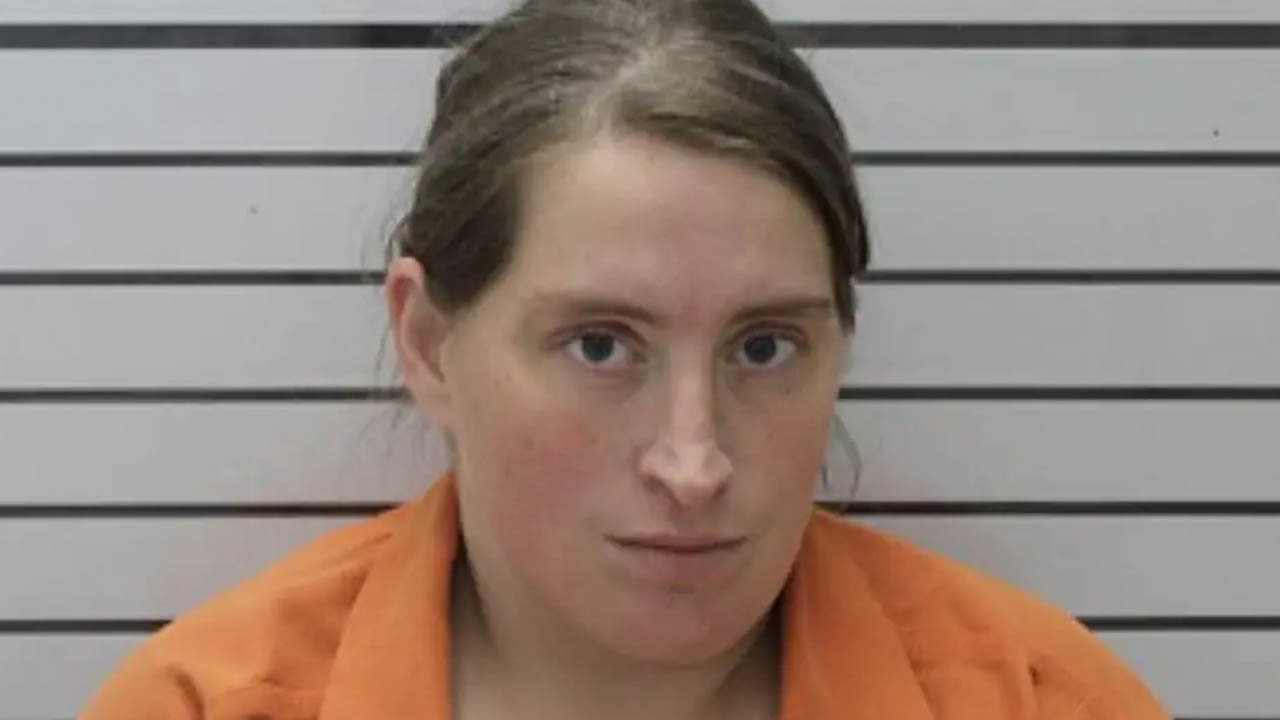
A Muskogee County, Oklahoma, child welfare case has drawn attention to the responsibility of adults to protect children, obtain medical care, and report suspected abuse. Public reporting and court records described a case involving an 11-year-old girl who gave birth after reportedly receiving no prenatal care or medical assistance. Her mother and stepfather later faced felony charges connected to child sexual abuse and child neglect.
The case became known publicly in August 2025 after the child was taken to a hospital in Oklahoma. Hospital personnel contacted law enforcement, according to local news coverage. Authorities then opened an investigation into the circumstances surrounding the birth, the child’s wellbeing, and the conditions in the household.
Because the case concerns a child, many details are appropriately limited in public reporting. The available information nevertheless underscores a broader issue recognized by child-protection professionals: children rely on parents, guardians, medical providers, educators, relatives, and community members to respond when there are signs of harm, neglect, or a serious unmet health need.
What Authorities Reported in the Muskogee County Case
According to reporting by Oklahoma television stations and information cited from Muskogee County court records, prosecutors alleged that the girl was approximately 36 weeks pregnant when she gave birth at home in August 2025. The child was later brought to a hospital, where medical staff notified police.
Authorities charged Dustin Walker, identified in reports as the girl’s stepfather, and Cherie Walker, identified as her mother. The accusations included child sexual abuse and child neglect. DNA testing later confirmed, according to reports cited by local media and People, that Dustin Walker was the infant’s biological father.
Janet Hutson, the Muskogee County assistant district attorney, told local station News On 6 that the case involved significant trauma for the child. Prosecutors described the allegations as among the most serious child sexual abuse and neglect matters they had handled.
In reporting on cases involving minors, it is important to distinguish between allegations, court findings, and verified public records. Criminal charges are allegations until resolved through a plea, trial, dismissal, or other court action. In this case, subsequent reporting said both defendants entered guilty pleas to felony charges.
Reported Guilty Pleas and Sentencing
Public court records reviewed by news organizations indicated that Cherie Walker pleaded guilty to seven felony counts. Reports said she received seven life sentences to be served consecutively in connection with charges involving her failure to protect and provide care for her daughter.
Dustin Walker also reportedly pleaded guilty to felony charges related to sexual abuse and neglect. News accounts stated that he received a life sentence for the sexual abuse conviction and an additional 42 years for child neglect.
Sentencing decisions in criminal cases are made by courts under state law and depend on the specific charges, evidence, plea agreements, prior proceedings, and statutory sentencing provisions. Consecutive life sentences mean that the terms are ordered to run one after another rather than at the same time. The practical effect of such sentences is determined through Oklahoma’s legal and correctional processes.
The reported outcomes reflect the seriousness with which Oklahoma law treats crimes involving the sexual abuse of children and the failure of caregivers to protect children from known or reasonably apparent risks. Beyond the criminal proceedings, child welfare agencies and family courts may take separate action to ensure that children are placed in safe settings and can receive needed services.
Other Children Were Removed From the Home
The case also involved concerns about other children in the household. Court records cited by media reports said the parents faced additional child neglect counts involving five children who were reportedly 2, 4, 6, 7, and 9 years old at the time of the investigation.
After the arrests, the children were removed from the home, according to local reporting. Authorities reportedly described the living conditions as severely inadequate. While details about children in protective custody are generally confidential, removal from a home is a major child welfare intervention intended to protect a child when officials believe there may be an immediate safety concern.
Child welfare cases can involve multiple systems, including law enforcement, prosecutors, medical teams, schools, child protective services, foster-care agencies, and courts. Each system has a distinct role. Police investigate potential crimes; medical professionals assess health needs; child welfare staff evaluate safety and placement; and courts decide legal questions involving custody, criminal responsibility, and sentencing.
Allegations Concerning a Grandmother
Local station KJRH reported that prosecutors also alleged the girl’s grandmother, Michelle Justus, was aware of abuse within the home and did not report it to authorities. Any allegation involving a person’s knowledge or actions must be assessed through the relevant legal process and public court record.
The reported allegation has renewed discussion about the responsibilities of adults who suspect a child is unsafe. In Oklahoma, as in many states, people are required to report suspected child abuse or neglect. The Oklahoma Department of Human Services states that anyone who has reason to believe a child is being abused or neglected should make a report. A person does not need proof before reporting; trained professionals are responsible for evaluating the information.
Immediate danger should be reported to 911. For non-emergency concerns, Oklahomans can use the state’s child abuse and neglect hotline or the online reporting options provided by Oklahoma Human Services. Other states maintain their own child-protection reporting systems.
Why Medical Care and Prenatal Support Matter
The reported absence of prenatal care was a central concern in this case. Prenatal care is important because it allows healthcare professionals to monitor a pregnancy, identify health concerns, provide nutrition and safety guidance, and prepare patients for delivery and postpartum care.
The U.S. Centers for Disease Control and Prevention notes that prenatal care supports the health of pregnant patients and babies throughout pregnancy. Regular appointments can help clinicians identify conditions that require treatment or additional monitoring. Medical care is particularly important for children and adolescents, whose physical, emotional, and social needs may require specialized support.
Health professionals are also trained to recognize potential signs of abuse, coercion, neglect, and unsafe living conditions. In many jurisdictions, healthcare workers are mandatory reporters, meaning they have legal duties to report reasonable suspicions of child maltreatment to the appropriate authorities.
For families facing barriers to care, public health departments, community clinics, Medicaid programs, hospitals, and nonprofit organizations may offer confidential help with pregnancy-related medical care, transportation, nutrition assistance, mental health support, and social services. Accessing support early can improve health outcomes and connect families with safeguarding resources.
Child Protection Is a Community Responsibility
Child abuse and neglect are public health and child safety concerns, not solely private family matters. The CDC explains that preventing child abuse and neglect requires coordinated action by families, communities, healthcare systems, schools, and government agencies. Prevention can include strengthening economic supports, improving access to childcare and health services, promoting safe and stable relationships, and ensuring that adults know how to seek help.
Signs that may warrant concern can vary and do not by themselves prove abuse or neglect. They may include a child appearing persistently fearful, being left without appropriate care, having unexplained injuries, showing abrupt behavioral changes, missing school frequently, or lacking needed medical attention. When someone has a genuine concern for a child’s safety, contacting child protective services or law enforcement is the appropriate course of action.
Professionals advise against confronting a suspected offender or conducting a personal investigation. Such actions may place a child at greater risk or complicate an official inquiry. Instead, a report should provide objective information, including what was seen or heard, when it occurred, and any immediate safety concerns.
Responsible Reporting on Cases Involving Children
Cases involving children require careful, respectful reporting. Public interest in court proceedings must be balanced with the privacy, safety, and long-term wellbeing of the child involved. Identifying details that are not necessary to understand a case should not be amplified, and language should avoid sensationalizing trauma.
The Muskogee County case has generated public concern because of the reported failures of protection and medical care. Its wider significance lies in the reminder that children need adults and institutions to act when warning signs emerge. Reporting suspected abuse, supporting access to healthcare, and taking concerns seriously can help connect vulnerable children with safety and professional support.
People affected by child abuse or neglect can contact local emergency services when there is immediate danger. In the United States, adults seeking guidance can also contact child welfare agencies in their state. The Childhelp National Child Abuse Hotline provides crisis intervention, information, and referrals at 1-800-4-A-CHILD (1-800-422-4453).
Sources
- News On 6: Muskogee County child neglect case reporting
- KJRH: Muskogee County court and sentencing reporting
- Oklahoma Human Services: Reporting child abuse and neglect
- Centers for Disease Control and Prevention: Child abuse and neglect prevention
- Centers for Disease Control and Prevention: Maternal and infant health information
- Childhelp National Child Abuse Hotline
Disclaimer: This content is intended for entertainment purposes only and is not based on real events.
