

Nathalia Gadelha Filgueiras’ mother claimed she ‘predicted’ her daughter’s death
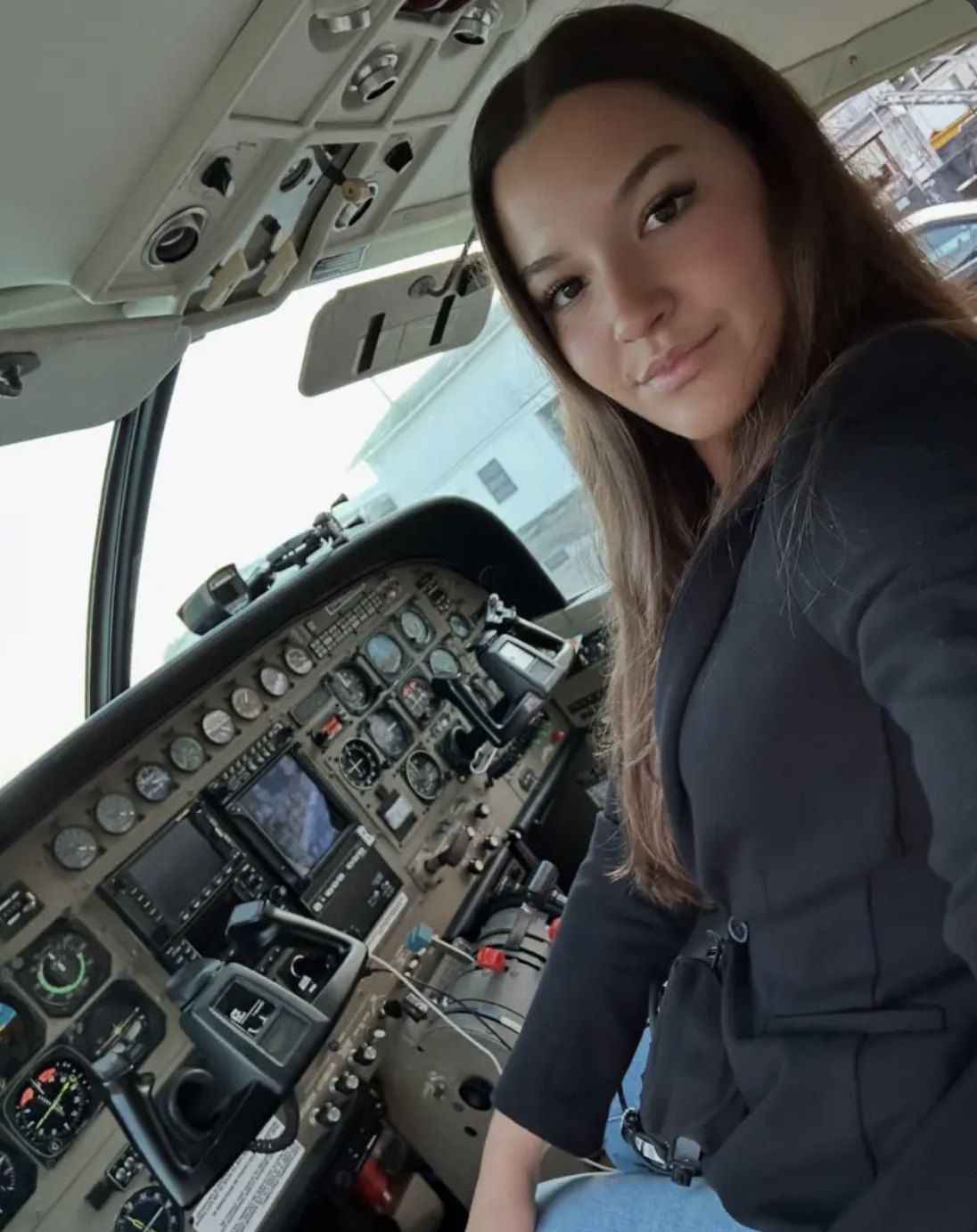
Tributes have been shared for Nathalia Gadelha Filgueiras, a 20-year-old commercial pilot and flight instructor who was identified in reports as the co-pilot aboard a Learjet 60 that crashed in Palm Beach County, Florida. The aircraft had been traveling from Austin, Texas, toward the Bahamas when the accident occurred near Greenacres.
Authorities said nine people were aboard the private aircraft: two crew members and seven passengers. All nine people died in the crash. The loss has prompted grief among relatives, friends, aviation colleagues, and members of the local community, while federal investigators continue examining the circumstances that led to the accident.
Filgueiras had pursued aviation from an early age and had spoken publicly about earning her pilot certificate before obtaining a driver’s license. Her family described her as determined, responsible, and deeply committed to a career in flying. Their recollections have drawn attention to the ambitions of a young pilot whose professional path was still beginning.

A young pilot pursuing a career in aviation
According to accounts published by local media outlets, Nathalia Gadelha Filgueiras began aviation studies through the Aviation and Aerospace Academy at West Boca Raton High School. Programs of this kind introduce students to aviation concepts, flight planning, aerospace careers, and the training pathways available to future pilots.
She later continued her flight training at American Flyers in Pompano Beach, according to reports. Aviation training generally requires students to progress through several certifications and ratings, beginning with a private pilot certificate and advancing through instrument and commercial qualifications. Pilots who become instructors also complete additional training that enables them to teach and supervise other pilots.
Reports said Filgueiras had accumulated approximately 1,300 flight hours and had worked as a commercial pilot for about nine months. Flight-hour experience is an important part of a pilot’s professional development, although the specific qualifications required for a flight depend on the aircraft, the operation, weather conditions, and federal aviation regulations.
In an earlier interview with CBS12, Filgueiras spoke with pride about learning to fly at a young age. She described the contrast between being able to operate an aircraft and not yet having a driver’s license, a comment that reflected both her enthusiasm for aviation and the amount of time she had already dedicated to training.
Her sister, Giulia Filgueiras, described Nathalia as someone who followed her dream and hoped her example would encourage other young women to consider aviation careers. Women remain underrepresented in professional piloting, although aviation organizations, flight schools, airlines, and educational programs have increasingly worked to broaden access to training and mentorship.
Family remembers Nathalia Gadelha Filgueiras
In interviews reported after the crash, Nathalia’s mother, Camila Gadelha Corteleti, remembered her daughter as hardworking and responsible. She said her family was proud that Nathalia was able to pursue the profession she loved.
Corteleti also shared deeply personal comments about the fears she associated with her daughter’s aviation career. Her remarks, reported by several outlets, were expressions of grief following the loss of her child. Such statements should be understood in that context rather than as evidence about the cause of the accident.
Families affected by aviation accidents often face an especially difficult period in the days and weeks afterward. Alongside mourning, they may have to wait for official identification procedures, investigative updates, and answers about an event that can take months or longer to fully examine. Aviation safety investigations are designed to establish facts and identify safety lessons, not to assign blame in the immediate aftermath.
The families of the passengers and crew members have received condolences from people across Florida and beyond. Public discussion has focused on the individuals who died, including their careers, family relationships, and contributions to their communities. Respectful reporting remains important while relatives process an unexpected and painful loss.
What is known about the Florida Learjet crash
The Learjet 60 was reportedly flying from Austin to the Bahamas when it went down in a residential area near Greenacres in Palm Beach County. Emergency personnel responded to the scene, and authorities began securing the area and documenting evidence for the federal investigation.
Early reports indicated that the flight crew had communicated concerns involving icing conditions and moderate turbulence before the crash. These details are preliminary and form only part of the wider investigative record. Weather-related reports, communications recordings, aircraft maintenance documentation, pilot training records, wreckage examination, and data from any available recording devices can all be reviewed during an investigation.
It is important not to draw conclusions from early information alone. Initial reports may change as investigators verify timelines, assess physical evidence, and compare witness accounts with operational records. The National Transportation Safety Board, or NTSB, routinely emphasizes that a probable-cause finding is issued only after a thorough analysis is completed.
The reported weather conditions are of particular interest because aircraft icing can affect performance. Ice can accumulate on exterior surfaces when an aircraft encounters visible moisture in freezing temperatures. Depending on the situation, ice may alter airflow over wings and control surfaces, add weight, and affect sensors or engines. Modern aviation safety procedures include forecasts, onboard weather information, anti-icing and de-icing systems, operational limitations, and pilot training intended to help crews manage icing risks.
Turbulence is also a common area of operational concern. It can result from weather systems, wind changes, atmospheric instability, or terrain effects. Pilots and air traffic controllers use weather data, pilot reports, and routing adjustments to reduce exposure when possible. However, the role of weather in any specific accident can only be determined through an official investigation.
NTSB investigation and the importance of preliminary findings
The NTSB is the independent U.S. federal agency responsible for investigating civil aviation accidents and many other transportation incidents. Its purpose is to determine probable causes and issue recommendations intended to improve transportation safety. The agency does not regulate aviation; that responsibility belongs primarily to the Federal Aviation Administration, or FAA.
Investigators examining a major aircraft accident typically document the crash site, map debris, inspect the aircraft’s structure and systems, review maintenance history, and analyze weather information. They may also examine air traffic control communications, flight plans, crew qualifications, toxicology results where required by protocol, and the operational policies of the company involved.
Reuters reported that NTSB officials said there was evidence suggesting the aircraft may have broken apart before impact. That reported observation remains part of the ongoing inquiry and does not, by itself, establish why the accident occurred. Investigators will need to determine when any structural separation happened, what components were involved, and whether it was related to weather, mechanical issues, aerodynamic forces, or another factor.
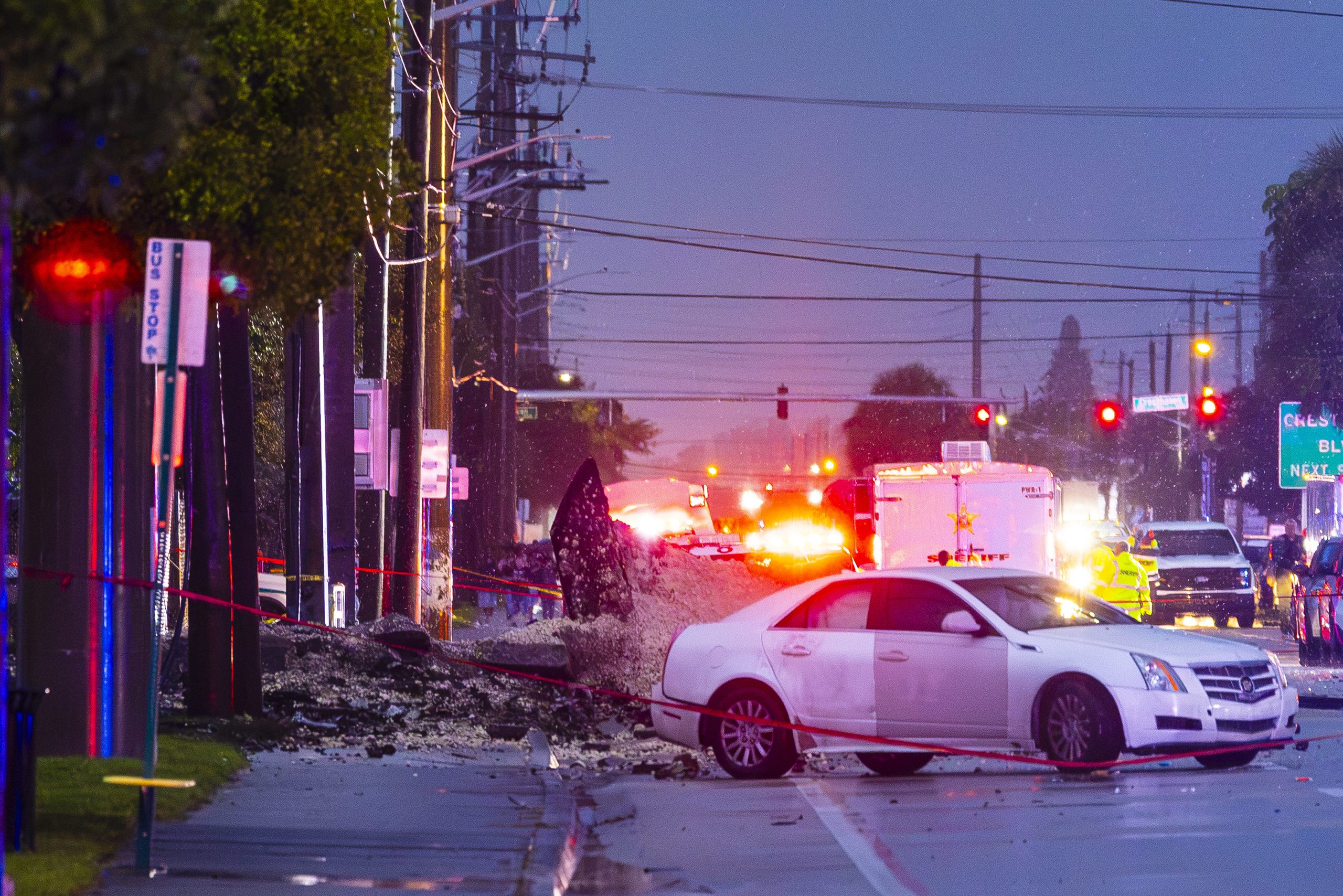
In cases involving wreckage spread over a broader area, investigators may collect parts located away from the main impact site. The position and condition of those pieces can help specialists reconstruct the aircraft’s final moments. This work is technical and can take significant time, particularly when an accident involves severe damage.
The NTSB generally releases a preliminary report within weeks of an accident. That report usually provides basic factual information but does not state a probable cause. A final report may take considerably longer, especially when investigators must complete laboratory testing, evaluate complex systems, or consider multiple operational factors.
How aviation safety investigations support future prevention
Although no investigation can undo a loss, aviation safety reviews can contribute to meaningful changes. NTSB findings and safety recommendations have historically helped inform improvements in aircraft design, maintenance practices, weather guidance, training standards, emergency procedures, and air traffic operations.
The broader aviation community relies on a safety culture that encourages careful reporting and evidence-based learning. Pilots, mechanics, manufacturers, operators, regulators, and airports all have roles in identifying hazards and strengthening procedures. The goal is to reduce risk through practical improvements rather than speculation.
For aspiring pilots, Filgueiras’ story also reflects the dedication involved in aviation training. Building a flying career requires sustained study, technical skill, medical certification, recurrent training, and a commitment to safety. Organizations that support women in aviation have highlighted the value of representation, mentorship, and accessible educational opportunities for the next generation of aviation professionals.
Remembering those affected by the tragedy
As investigators continue their work, the focus remains on the people whose lives were lost and the families left behind. Nathalia Gadelha Filgueiras was remembered by her relatives as a young woman who worked hard to turn a childhood ambition into a professional career.
The official investigation will be the most reliable source of information about the accident’s cause. Until its findings are published, accounts of weather, aircraft condition, and crew actions should be treated as preliminary. The loss of nine people has been met with condolences and calls for patience as authorities work to establish the facts.
Sources
Disclaimer: This content is intended for entertainment purposes only and is not based on real events.
