
Shadows of the Citadel: Isolation, Survival, and the Unending Saga of Death Row
In the long chronicle of human civilization, the legal system and its penal institutions have served as a sobering mirror to society’s deepest questions regarding justice, accountability, and the value of human life. Across ancient folklore and classical literature, the stone-walled fortress or subterranean dungeon held a symbolic role: a place separated from the sunlit world of daily life, where time moves according to a different rhythm and individuals exist in a quiet, shadowy realm of waiting. Throughout history, narrative tradition has frequently focused on the psychological and spiritual dimensions of extended confinement, exploring how human consciousness copes with isolation, physical vulnerability, and the uncertain boundary between life and memory.
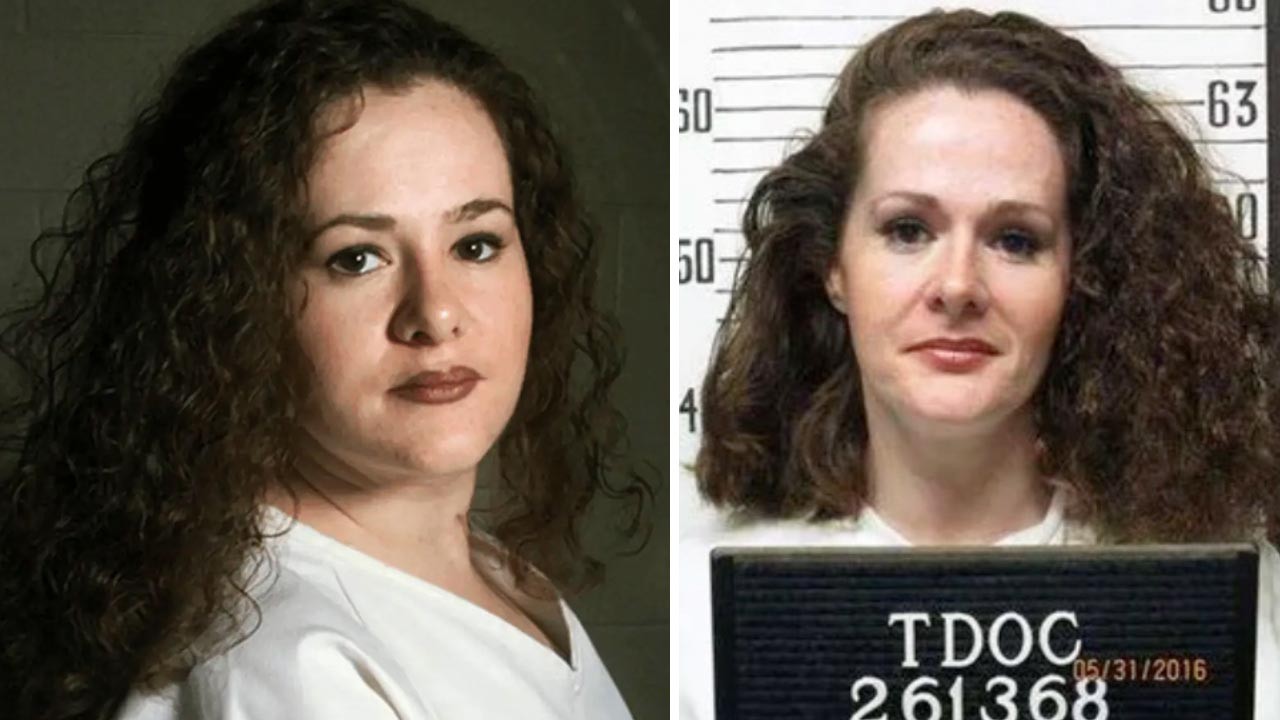
The announcement shattered fans and legal observers who had followed the unprecedented, highly publicized turn of events surrounding Tennessee’s capital punishment history. After nearly three decades spent within the confines of death row, Christa Pike found herself at the center of a complex legal and medical situation that captured international headlines. Intended to be the first woman executed by the state in over two centuries on September 30, 2026, her survival following severe medical complications during the procedure sent shockwaves through the justice system. The resulting legal filings, medical statements, and debates over her ongoing custody have transformed her case into a complex human-interest study on medical recovery, institutional care, and the profound psychological realities of prolonged isolation.
A Historic Crossroads: The Psychological Realm of the Unseen
To understand the broader cultural resonance of this case, one must examine the extraordinary context surrounding long-term solitary confinement and the psychological impact of surviving a life-ending procedure. In classical literary archetypes, surviving a near-fatal event introduces an immediate state of profound disorientation—a transition where an individual must reconcile the mental preparation for departure with the abrupt reality of continuing to exist.
Following the initial emergency intervention, legal representatives shared updates highlighting the unprecedented nature of her physical and emotional state. While medical physicians noted encouraging signs of physical recovery—including cleared lungs and a return to regular nutrition—her defense team emphasized the deep, unseen cognitive and psychological trauma that follows such an ordeal. Surviving a moment of ultimate finality leaves complex emotional scars, manifesting as challenges with memory, focus, and the quiet weight of profound uncertainty.
This extraordinary situation has drawn the attention of legal scholars, human rights advocates, and bioethicists around the globe. Across academic discussions, researchers frequently point out that the human mind is fundamentally wired for social connection and predictable environments. When an individual is placed in total isolation following a traumatic medical event, the sensory deprivation of an infirmary setting can exacerbate psychological distress, making the process of emotional stabilization an intricate, long-term challenge.
The Micro-Environment of Confinement: Sanitation, Safety, and Survival
Following her initial discharge from inpatient hospital care, Pike was returned to the Deborah K. Johnson Rehabilitation Center in Nashville. However, personal statements filed alongside recent emergency motions reveal a continuing struggle regarding basic living conditions and physical safety. According to official court documents obtained by media outlets, her transition back into the facility’s care has been marked by additional health concerns, including at least one subsequent trip to an emergency room for evaluation.
Central to her recent legal petitions are claims regarding environmental hygiene and physical vulnerability. In her personal statement, Pike detailed concerns about being assigned sanitation tasks—such as cleaning shower facilities that she reported as being infested with pests—while still in a physically compromised state. For an individual recovering from major physical trauma, exposure to unsanitary conditions presents a heightened fear of secondary infection and bodily harm, highlighting the delicate balance required when managing high-needs residents within correctional facilities.
In human-interest storytelling, the physical environment of a setting reflects the internal state of those who inhabit it. The quiet struggle over sanitary conditions, physical strength, and daily duties underscores a basic human instinct: the desire for safety, cleanliness, and physical integrity, regardless of one’s background or legal standing. These details bring a stark, grounded reality to abstract legal debates, reminding the public of the complex daily operations involved in specialized institutional care.
The Dilemma of Sanctuary: Navigating Fear and Human Connection
A central narrative tension in Pike’s recent court filings is the profound dilemma between physical protection and complete social isolation. Currently held in a solitary infirmary unit where her primary interactions are restricted to brief consultations with her legal team, she has expressed a strong desire to rejoin aspects of structured group life. Her legal petitions outline a request to participate in communal activities, including shared meals, educational classes, religious services, and organized outdoor recreation.
However, the path back into a standard institutional pod presents severe security challenges. In her own written statements, Pike acknowledged that returning to her former living pod could expose her to significant physical danger from other high-security residents. Recognizing that her weakened physical condition leaves her unable to defend herself or navigate potential conflicts, she finds herself caught in an agonizing paradox: remaining in solitary infirmary seclusion to ensure physical safety, or returning to a high-risk communal environment to escape the mental weight of absolute solitude.
This search for a safe, middle-ground sanctuary reflects a fundamental principle found across historical systems of justice and asylum. Throughout antiquity, sanctuaries were established to provide a secure space where individuals could rest, recover, and exist without constant fear of physical harm. The struggle to establish a balanced, secure living arrangement within modern correctional frameworks illustrates the ongoing challenge of providing humane, safe housing for individuals with complex security and medical profiles.
The Echoes of History: Modern Justice and Ethical Reflection
The ongoing legal proceedings surrounding Christa Pike raise broader, enduring questions about how modern societies manage the intersections of law, medical ethics, and basic human care. Throughout the history of jurisprudence, rare legal anomalies have forced institutions to re-examine established protocols and evaluate the long-term implications of their procedures.
From a cultural perspective, cases that involve prolonged waiting, legal appeals, and extraordinary medical outcomes become part of the broader folklore of modern legal history. They encourage public reflection on the philosophical purposes of confinement, the standards of medical oversight within public institutions, and the fundamental duties of care owed to every individual within the custody of the state.
As courts continue to evaluate her emergency motions regarding housing, sanitation, and medical care, the case remains an ongoing story of human resilience, legal complexity, and institutional responsibility. It serves as a reminder that behind the formal language of legal briefs and judicial rulings lie human beings navigating the quiet, difficult realities of memory, vulnerability, and the search for daily peace.
The Unwritten Next Chapter
As the legal timeline unfolds, the world watches to see how the justice system will address the unprecedented questions posed by this unique historical moment. The story of Christa Pike’s ongoing recovery and legal challenges continues to prompt deep conversation across legal, medical, and ethical communities.
Ultimately, the narrative highlights the timeless importance of dignity, environmental safety, and measured justice within every corner of society. As time moves forward within the quiet halls of the facility, the search for resolution, physical healing, and human balance remains the primary focus of an extraordinary chapter in modern legal history.
What specific historical perspectives or legal precedent regarding institutional care and prison reform would you like to explore further in our next feature?
