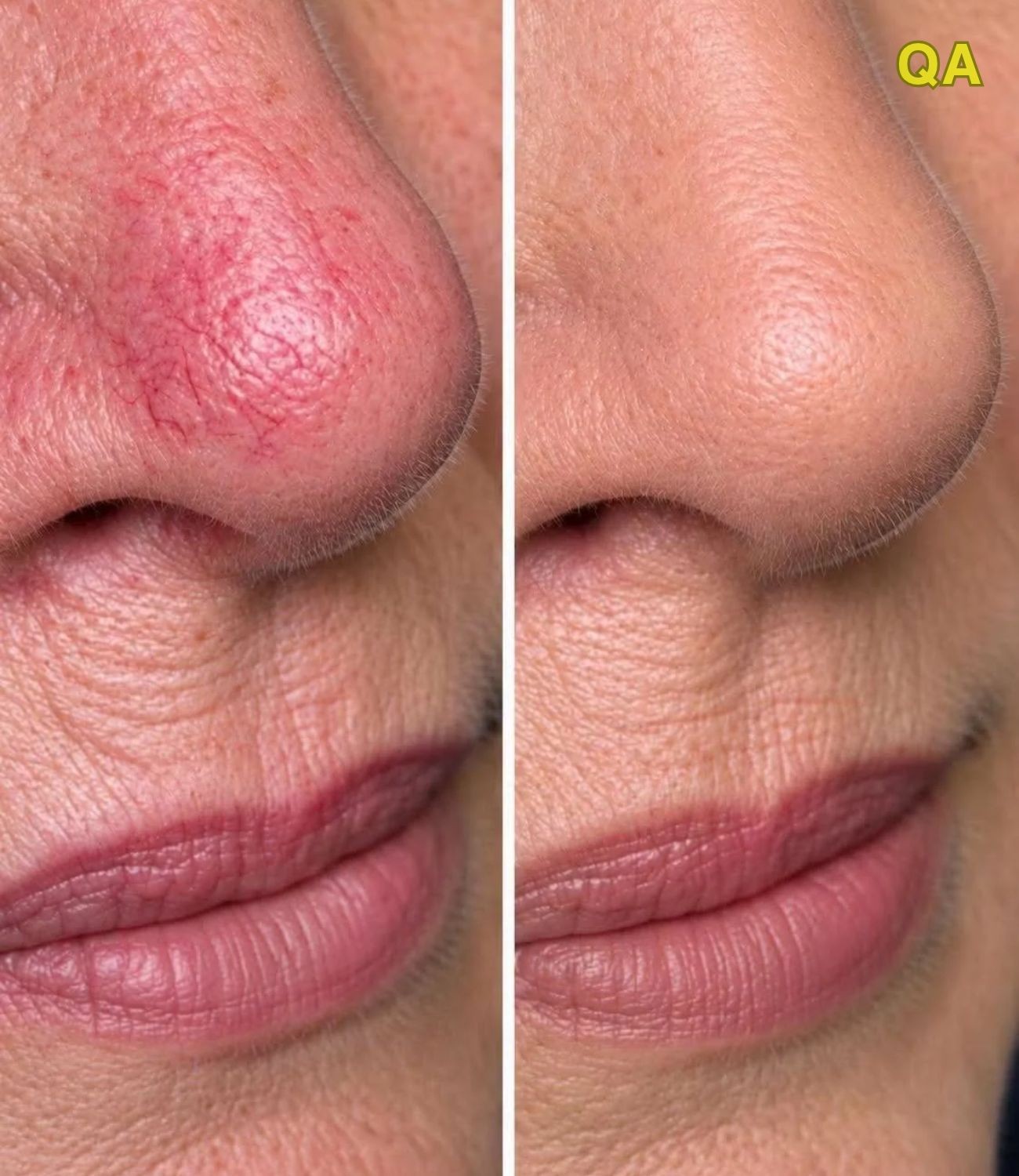

Throughout the history of art and human observation, the face has been regarded as a living map of human emotion, environment, and vitality. Long before modern dermatology illuminated the microscopic structures of the skin, ancient societies read the subtle shifts of complexions through a lens of natural symbolism. In classical folklore and historical portraiture, a sudden flush across the cheeks or central face was often associated with extreme temperatures, high emotion, or the brisk air of changing seasons. The central features of the face—especially the delicate contours around the nose—have always borne the first signs of our daily dialogue with the surrounding world, acting as a sensitive threshold where internal biology meets the physical environment.
The announcement shattered fans of instant online remedies and quick digital diagnoses when leading skincare researchers reminded the public that a static photo or a sudden viral image cannot tell a complete medical story. Across modern wellness communities, millions of people frequently search for quick answers when noticing persistent flushing or fine red lines around their nostrils. Yet, as skin care specialists emphasize, a single snapshot records only a fleeting moment in time, omitting critical context such as duration, physical sensation, and individual history. Understanding persistent facial redness requires moving past quick assumptions, looking beneath the surface, and honoring the delicate architecture of the skin with patience, knowledge, and gentle care.
The Geography of Sensitivity: Why the Central Face Takes the Brunt
To understand why the area surrounding the nostrils is so uniquely prone to persistent redness, one must examine the complex anatomy of the central face. The skin in this region is remarkably thin and continually exposed to a relentless array of daily environmental stressors. Every day, the central face encounters ultraviolet radiation from sunlight, shifting wind patterns, rapid temperature swings between climate-controlled rooms and the outdoors, facial cleansers, cosmetics, and the physical friction of frequent tissue wiping during cold seasons.
Furthermore, the natural contours and small creases beside the nostrils create a unique micro-environment. These delicate folds tend to collect natural sebum, sweat, microscopic environmental debris, and residual cosmetic products. When these elements linger in the skin’s natural folds, they can disrupt the fragile acid mantle—the biological shield of lipids and beneficial micro-flora designed to keep moisture in and harmful irritants out.
In the language of skin health, when this protective barrier is compromised, the underlying tissue becomes vulnerable to micro-inflammation. The body responds to this mild stress by sending increased blood flow to the area, resulting in a visible red hue. What begins as a temporary reaction to cold weather or a harsh cleanser can gradually become a frequent, persistent feature if the skin is not given the proper conditions to heal and restore its natural equilibrium.
Reading the Fine Red Lines: Understanding Telangiectasia and Flushing
When persistent redness around the nose is examined under bright light, it often reveals a network of tiny, fine red or purple lines. In dermatological science, these visible superficial blood vessels are known as telangiectasia. These tiny capillaries reside just beneath the surface of the epidermis and play a vital role in regulating facial blood flow and body temperature. Under normal conditions, these vessels expand to release excess heat and contract when cold, a dynamic process known as flushing.
However, over time, a variety of factors can cause these delicate capillaries to lose their natural elasticity, remaining permanently dilated and visible to the naked eye. Natural biological aging, cumulative sun exposure from ultraviolet light, chronic environmental stress, and repeated flushing can all contribute to the structural weakening of these microscopic vessel walls. Once these superficial vessels become permanently dilated, standard topical creams alone generally cannot cause them to disappear, making preventative care and gentle handling essential.
It is equally important to recognize that persistent redness does not always stem from visible blood vessels alone. Broader surface inflammation, extreme dryness, and barrier disruption can create a diffuse, continuous pink or red tone across the skin that looks remarkably similar to capillary damage from a distance. Distinguishing between vascular changes and surface barrier irritation is a critical step in determining how to properly support and calm the skin.
The Common Culprits: From Rosacea to Contact Reaction
Several well-documented skin conditions can manifest as persistent redness around the central face, each requiring a tailored, thoughtful approach. One of the most common causes is rosacea, a chronic inflammatory condition characterized by recurring facial flushing, persistent central redness, visible blood vessels, and occasional sensitive bumps. Rosacea frequently targets the nose, cheeks, chin, and forehead, often flaring up in response to specific environmental triggers such as spicy foods, hot beverages, emotional stress, extreme heat, or intense exercise.
Another common factor is seborrheic dermatitis, a gentle inflammatory condition that targets oil-rich areas of the body. Around the nose, eyebrows, and hairline, this condition can cause localized redness accompanied by light, flaky, or yellowish skin scales. Because the oil-rich creases of the nostrils provide an ideal environment for natural skin yeasts to multiply, seborrheic dermatitis frequently settles in these specific facial contours.
Additionally, contact dermatitis can arise when the skin reacts negatively to a specific external substance. This reaction can take the form of irritant contact dermatitis, caused by harsh chemicals or overly aggressive physical exfoliants stripping the skin, or allergic contact dermatitis, where the immune system reacts to a specific ingredient, such as synthetic fragrances, essential oils, or cosmetic preservatives. Identifying which of these underlying conditions is at play is essential, as applying a treatment intended for one condition can accidentally aggravate another.
The Over-Care Trap: How Modern Skincare Habits Exacerbate Redness
In the pursuit of a clear, glowing complexion, many individuals unknowingly fall into what skin care experts call the over-care trap. When persistent redness appears, the natural human impulse is often to treat it aggressively—applying intense physical scrubs, harsh chemical exfoliants, highly concentrated active serums, or alcohol-based astringents in an attempt to resurface the skin. Unfortunately, this approach often produces the exact opposite of the desired result.
Over-cleansing and excessive exfoliation dismantle the stratum corneum—the outermost protective layer of dead skin cells and lipids that guards against environmental damage. When this critical shield is damaged, the skin loses its ability to retain moisture, resulting in feelings of tightness, stinging, burning, and heightened sensitivity to everyday elements. In response to this perceived trauma, the skin increases localized blood flow to initiate repair, causing the redness to intensify and expand.
Panicking and rapidly layering multiple new cosmetic products onto compromised skin further complicates the problem. Introducing several new active ingredients simultaneously makes it virtually impossible to identify which product is helping and which is causing further irritation. Skincare advocates emphasize that when the skin barrier is compromised, less is almost always more; stepping back from complex routines and returning to fundamental, soothing basics is often the most effective path toward recovery.
The Path to Sanctuary: A Gentle, Scientific Approach to Recovery
Restoring balance to sensitive, red-prone facial skin does not require an elaborate twelve-step regimen or expensive miracle cures. Instead, it relies on a consistent, minimalist routine built around gentle protection and moisture barrier support. The foundation of any sensitive skin routine begins with a mild, non-foaming, fragrance-free cleanser used with lukewarm water. Hot water should always be avoided, as high temperatures cause sudden capillary dilation and strip away essential surface lipids.
Following cleansing, applying a barrier-repairing moisturizer formulated for sensitive skin helps seal in hydration and rebuild compromised lipid layers. Look for gentle, nourishing ingredients like ceramides, hyaluronic acid, niacinamide, and soothing botanical extracts like centella asiatica or oat kernel flour, which help calm surface inflammation without clogging delicate pores.
The absolute cornerstone of long-term skin protection is the daily application of broad-spectrum sunscreen. Because ultraviolet radiation breaks down collagen and weakens capillary walls over time, protecting the face from sunlight prevents cumulative vascular damage and reduces the severity of flushing. For individuals with highly reactive skin, mineral sunscreens containing zinc oxide or titanium dioxide are often preferred, as they physically reflect sunlight away from the skin without generating thermal heat or causing chemical irritation.
While green color-correcting creams and cosmetic concealers offer a helpful, non-invasive way to temporarily neutralize the visual appearance of redness during the day, it is important to remember that cosmetic coverage is a aesthetic tool rather than a therapeutic cure. Using cosmetic coverage thoughtfully alongside a gentle, restorative skincare routine allows individuals to feel confident while giving their underlying skin tissue the quiet time it needs to heal naturally.
Listening to the Skin: When to Seek Professional Guidance
While gentle daily habits can significantly improve minor irritation and support barrier health, persistent, worsening, or uncomfortable facial redness deserves expert evaluation. If redness is accompanied by intense itching, severe burning, visible swelling, persistent scaling, or small bumps, consulting a board-certified dermatologist or qualified healthcare professional is the safest and most effective course of action.
A dermatologist can look beyond surface appearances, taking into account a complete personal history, lifestyle factors, and physical examination to provide an accurate diagnosis. Modern clinical dermatology offers a wide range of safe, targeted solutions—from specialized topical treatments that regulate vascular response to advanced light and laser therapies designed to gently diminish permanently dilated blood vessels without harming surrounding tissue.
Ultimately, caring for our skin is a lifelong journey of observation, empathy, and respect for our body’s complex biology. Our faces are remarkably resilient, constantly adapting to protect us from the external world. By replacing hasty assumptions and aggressive treatments with informed knowledge, patience, and gentle care, we can decode the signals our skin sends us, restoring calm, balance, and natural health to our most expressive feature.
What specific skincare ingredients, historical remedies, or daily routines for sensitive skin would you like to explore further in our next feature?
