
Perfect
Released in 1985, Perfect arrived with many of the ingredients associated with a major Hollywood success: recognizable stars, an experienced director, a contemporary subject, and the backing of a major studio. The Columbia Pictures release starred John Travolta and Jamie Lee Curtis and was directed by James Bridges, whose previous work included the acclaimed dramas The China Syndrome and Urban Cowboy.
Yet Perfect did not become the event film its makers may have hoped for. Its theatrical performance fell short of expectations, and many contemporary reviews questioned its uneven storytelling and uncertain tone. In later decades, however, the film found a different kind of audience. It has been revisited as a vivid artifact of 1980s fitness culture, celebrity journalism, fashion, music, and studio filmmaking. Its energetic workout scenes, in particular, have helped it develop a reputation as a cult favorite among viewers interested in the decade’s distinctive popular culture.
The story of Perfect is therefore more complicated than a simple account of a box-office disappointment. It reflects the challenges of turning a timely social trend into a dramatic feature film, the pressures facing John Travolta during a changing period in his career, and the enduring appeal of movies that capture a specific cultural moment.
High Expectations for a 1985 Hollywood Release
By the time Perfect reached theaters, John Travolta was already one of the most recognizable actors of his generation. His performances in Saturday Night Fever and Grease had made him an international star in the late 1970s. Those films connected music, youth culture, romance, and performance in ways that resonated widely with audiences. Travolta’s screen presence was a central part of their popularity, and his casting in Perfect gave the new project immediate visibility.
Jamie Lee Curtis brought a different but equally valuable form of recognition. She had established herself through Halloween and had demonstrated her range in films that moved between suspense, comedy, and drama. In Perfect, Curtis plays Jessie Wilson, a fitness instructor whose professional life becomes connected to Travolta’s character, journalist Adam Lawrence. Her role required a physically demanding performance and placed her at the center of the film’s depiction of the health-club world.
James Bridges was also a notable choice as director. His earlier films often explored institutions, ambition, relationships, and social pressures. The China Syndrome, for example, was a serious thriller built around television news and corporate responsibility, while Urban Cowboy examined romance and identity within a highly specific social setting. With Perfect, Bridges and the creative team attempted to combine journalism, romance, workplace conflict, and a fashionable cultural trend.
The movie’s premise was linked to reporting by journalist Aaron Latham, whose work had previously inspired Urban Cowboy. The connection gave Perfect a foundation in an identifiable real-world phenomenon: the rapid growth of fitness clubs and organized exercise in the United States during the 1980s. The idea was timely. Aerobics classes, workout videos, athletic apparel, and health-club memberships had become highly visible parts of mainstream consumer culture.
The Fitness Boom That Shaped Perfect
To understand why Perfect seemed relevant in 1985, it helps to consider the broader fitness movement of the era. Exercise had long been part of American life, but the late 1970s and early 1980s brought a more commercial and media-driven approach to wellness. Group exercise classes became social spaces as well as places to work out. Instructors could become local celebrities, and fitness companies marketed clothing, equipment, publications, and memberships around the idea of an active lifestyle.
Aerobics was especially influential. Classes often used upbeat music, choreographed routines, and a communal atmosphere. The format made exercise feel accessible and visually dynamic, which helped it thrive in television, advertising, and home-video programming. Public interest in physical fitness was also reinforced by prominent instructors and entertainers, including Jane Fonda, whose workout programs became a major cultural and commercial force.
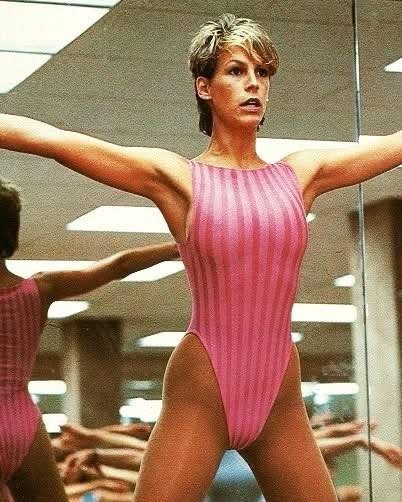
Perfect uses this environment as more than simple background decoration. The health club in the film is presented as a professional community, a social hub, and a site where image, confidence, work, and personal relationships overlap. The film’s workout sequences were designed to convey the energy of the period. Their bright lighting, stylized choreography, close camera work, and prominent music are now among the movie’s most recognizable features.
However, capturing a trend on screen can be difficult. A film needs to do more than display a popular activity; it must also provide characters and conflicts that keep audiences emotionally invested. This was one of the central challenges facing Perfect. The movie had a topical setting, but its mix of genres made it harder for some viewers and critics to identify what kind of story it wanted to tell.
Plot, Journalism, and an Uncertain Tone
In Perfect, Travolta plays Adam Lawrence, a magazine writer assigned to investigate aspects of the fitness industry. His reporting brings him into contact with Jessie Wilson, played by Curtis. Their relationship develops while Adam’s professional work creates tensions involving privacy, trust, and the consequences of media attention.
At its core, the story attempts to raise questions about journalism and personal responsibility. Adam is not merely visiting a gym as a participant; he is observing and reporting on a world that affects the people around him. This gives the film the potential for a sharper examination of how journalists use personal access, how sources are portrayed, and how publication can affect private lives.
But the film also aims to be a romantic drama and a glossy showcase for the visual language of the fitness boom. Those elements do not always sit comfortably together. The more serious parts of the story involve ethical choices and interpersonal conflict, while the exercise scenes emphasize spectacle, rhythm, and stylized presentation. The resulting shifts in mood became a frequent point of discussion in reviews and later commentary.
Some viewers appreciate the film precisely because of that unusual combination. It is not a conventional newsroom drama, a straightforward romance, or a typical sports-and-fitness story. Others have found that the competing ideas prevent the narrative from developing a consistent emotional center. The contrast between serious subject matter and highly choreographed visual sequences has become one reason the movie continues to be remembered.
Why Perfect Struggled at the Box Office
Perfect was released in the United States in June 1985. Box-office databases list its domestic gross at approximately $12.9 million. Reports from the period and later reference sources have commonly described the film as an underperformer, particularly in relation to its reported production cost and the profile of its cast and director.
Box-office results are shaped by many factors, including reviews, audience expectations, competition, marketing, and timing. In the case of Perfect, the film entered theaters during a crowded period for mainstream entertainment. The mid-1980s were marked by high-concept comedies, action films, family releases, and major studio franchises. Audiences had many options, and a film mixing adult romance, media ethics, and fitness culture may have been difficult to market in a single, clear way.
Travolta’s career context also mattered. Although he remained famous, the extraordinary commercial momentum of his late-1970s breakthrough had changed by the mid-1980s. His later career resurgence would come with the success of 1989’s Look Who’s Talking and, more significantly, his acclaimed performance in Quentin Tarantino’s 1994 film Pulp Fiction. In retrospect, Perfect is often discussed as part of the transitional period between those major phases of his career.
Critical response was mixed to negative. Reviewers often focused on the film’s tonal shifts, its treatment of the fitness world, and the perceived weakness of its romantic and dramatic development. This response did not necessarily mean that every aspect of the film was rejected. Curtis’s screen presence, the production’s visual ambition, and the movie’s attempt to engage with contemporary culture all received attention. Still, the overall reception made it difficult for the film to build strong theatrical momentum.
The Aerobics Scenes and Their Lasting Reputation
Today, discussions of Perfect frequently return to its aerobics sequences. These scenes are visually distinctive and intensely tied to their era. The performers move through synchronized routines while the camera emphasizes physical exertion, facial expressions, music, and the crowded energy of the class. In 1985, the filmmakers were drawing on a style already familiar to audiences from fitness programming, music videos, and advertising.
Over time, the same qualities that made the scenes feel current have made them seem especially stylized to modern viewers. Changing tastes in editing, costume design, fitness instruction, and cinematic realism have altered how the sequences are received. What once aimed to look fashionable and energetic can now appear exaggerated or theatrical when viewed outside its original context.
That change has been important to the film’s cult reputation. Audiences who enjoy camp cinema often value works that are sincere in their ambitions but become entertaining in unexpected ways as styles evolve. Perfect is often approached through that lens. Its workout scenes are widely shared and discussed because they are memorable, highly visual, and unmistakably connected to 1980s pop culture.
It is worth distinguishing cult appreciation from simple ridicule. For many viewers, the film’s appeal lies in its commitment to a specific aesthetic. It preserves details that might otherwise be forgotten: the design of health clubs, the popularity of group aerobics, the era’s sportswear, the role of magazines in celebrity culture, and the polished visual style of major studio productions. These details make Perfect useful as a cultural time capsule even for audiences who do not consider it a successful drama.
Jamie Lee Curtis, John Travolta, and the Film’s Legacy
The later careers of its stars have also kept interest in Perfect alive. Jamie Lee Curtis went on to become one of Hollywood’s most durable and respected performers, working across horror, comedy, drama, and family entertainment. Her return to the Halloween franchise and her Academy Award-winning performance in Everything Everywhere All at Once introduced her to new generations of viewers.
Travolta likewise remained a significant figure in American film. After the renewed acclaim he received in the 1990s, he appeared in a broad range of projects, from dramas and thrillers to musicals and comedies. Looking back, Perfect occupies an interesting place in his filmography: it is a star vehicle that did not achieve its commercial goals but remains closely associated with an era when his public image was evolving.
James Bridges’s involvement adds another layer to the film’s history. His body of work demonstrates a filmmaker interested in contemporary settings and interpersonal tension. While Perfect is not generally ranked among his most celebrated films, it shows his willingness to engage with a current social trend and adapt it for mainstream audiences.
Why Perfect Still Matters as an 1980s Time Capsule
Perfect remains relevant not because it changed cinema, but because it captures the ambitions and contradictions of a particular moment in American culture. The film reflects a period when fitness was becoming a major commercial identity, magazine journalism retained enormous cultural influence, and studios were eager to build movies around highly visible lifestyle trends.
Its mixed legacy also offers a useful reminder that commercial success and long-term cultural memory are not the same thing. A film can disappoint at the box office yet remain recognizable decades later because it preserves an unusual setting, a distinctive visual style, or scenes that audiences continue to revisit. In this case, the elements that drew criticism in 1985 became central to the movie’s afterlife.
For viewers interested in 1980s cinema, celebrity culture, aerobics history, or the careers of Travolta and Curtis, Perfect remains a noteworthy title. It is an imperfect but revealing Hollywood production: a film that tried to be timely, glamorous, romantic, and socially observant all at once. Its original ambitions may not have translated into a major hit, but its lasting status as a cultural curiosity has ensured that it is still discussed.
Sources
Disclaimer: This content is intended for entertainment purposes only and is not based on real events.
