
Melted Lighter Found in an Oven: Fire Safety Lessons for Home Cooks
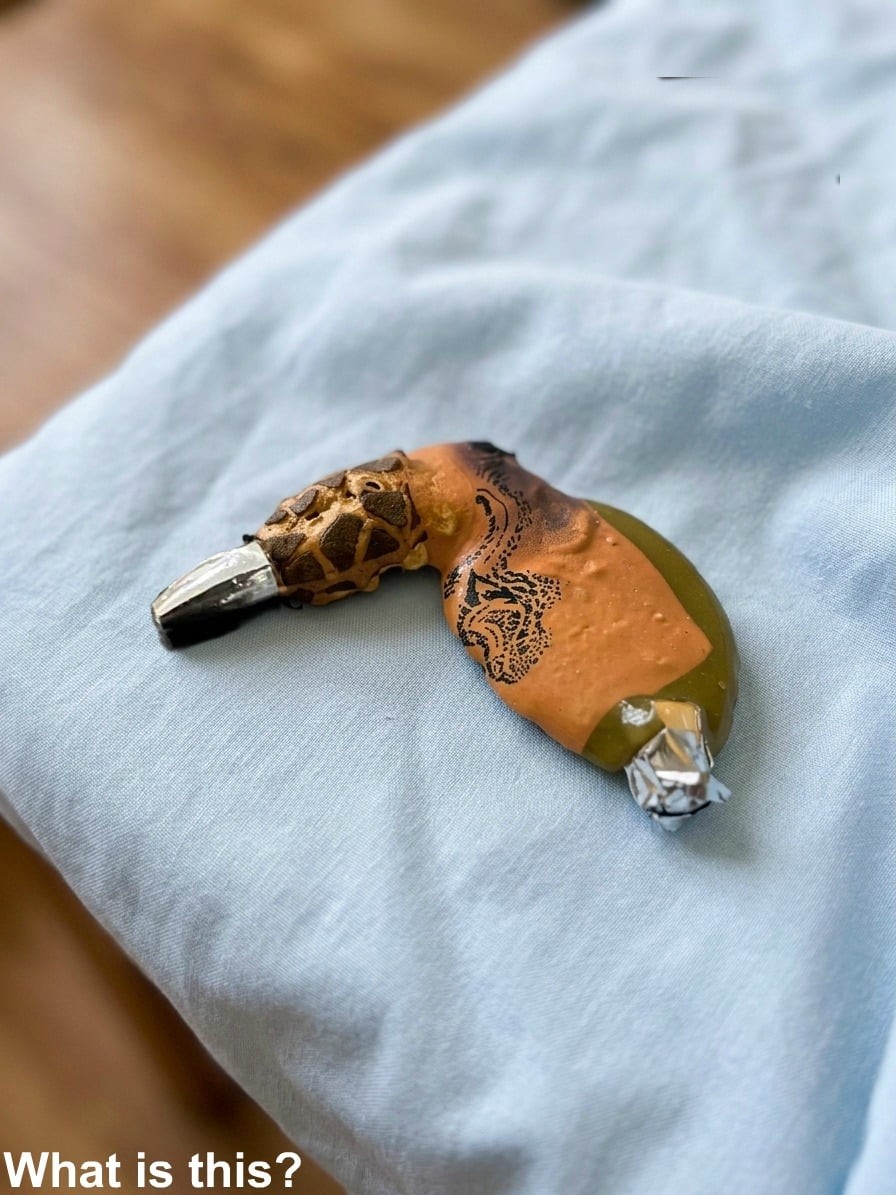
A surprising discovery inside a home oven can turn an ordinary meal preparation into an important reminder about kitchen safety. In the account behind this story, a family removed a roasting pan after cooking and noticed an unfamiliar, warped object fused near the bottom of the oven. At first glance, the item appeared difficult to identify: it was dark, smooth in places, jagged in others, and contained small pieces of exposed metal.
The smell had raised concern before the object was seen. Rather than the expected aromas of a holiday meal, the kitchen had filled with an unusual sharp odor. Once the oven door was opened and the roasting pan was removed, the family found what looked like a melted fragment of plastic and metal. After looking more closely, they recognized twisted parts consistent with the ignition wheel and metal components of a disposable lighter.
The likely explanation was simple but unsettling: a lighter may have been left on a tray or in the oven unintentionally, then exposed to high cooking temperatures. The plastic casing had melted, leaving a distorted remnant and the lighter’s internal metal parts behind.
Although this is a personal household account rather than an independently investigated incident, it illustrates a well-established safety principle. Ovens should never be used as storage spaces, and cooks should inspect the appliance before turning it on. Everyday items such as packaging, utensils with plastic handles, paper products, batteries, aerosol containers, and lighters are not designed to withstand oven heat.
Why a Lighter in an Oven Is a Safety Concern
Disposable lighters commonly contain a flammable fuel, often butane, held in a pressurized container. They are intended for brief, controlled use and should be kept away from heat sources. When a lighter is exposed to high heat, its plastic body can soften or melt, and its internal components can fail. The exact outcome depends on the type of lighter, its condition, the amount of fuel remaining, the oven temperature, and the length of exposure.
Fire-safety authorities consistently advise keeping flammable products away from ovens, stovetops, grills, heaters, and other sources of heat. Even if an item does not visibly ignite, overheating may release fumes, damage the appliance, or create a fire risk. A melted object can also leave residue inside the oven, potentially producing unpleasant odors during later use.
The United States Fire Administration and the National Fire Protection Association emphasize that cooking equipment is a leading source of home fires. Many kitchen incidents are preventable through close supervision, clear cooking areas, and routine checks of appliances before use. Holiday cooking can create additional challenges because people may be preparing several dishes at once, moving cookware frequently, and managing a busy household.
How Household Items Can Be Left Inside an Oven
Many households use an oven for temporary storage, especially in kitchens with limited cabinet space. Baking sheets, pans, foil, serving dishes, and cooling racks are often stored inside when the appliance is not in use. This practice can make it easier for small items to be overlooked.
A lighter could be left behind in several ways. It may fall onto a baking sheet while someone is lighting a candle, grill, or fireplace. It could be placed on a tray temporarily during cleaning or meal preparation. Children or visitors may also leave small objects in unexpected places. In a crowded kitchen, a misplaced item can remain unnoticed until the oven is preheated.
This does not mean every unusual smell indicates a serious emergency. Food residue, spilled grease, and cleaning products can also create odors when heated. However, an unfamiliar chemical or burning-plastic smell should be taken seriously. Turning off the oven, ventilating the room if it is safe to do so, and allowing the appliance to cool before inspecting it are sensible first steps.
What to Do If You Find Melted Plastic or an Unknown Object in an Oven
If an unknown item is discovered in a hot oven, avoid touching it immediately. Plastic, metal, glass, and oven racks can retain heat for a long time. Turn off the oven if possible, keep children and pets away from the area, and allow the appliance to cool completely before attempting to remove debris.
Once the oven is cool, use protective gloves and follow the appliance manufacturer’s cleaning instructions. If melted material is stuck to the oven floor, heating element, door seal, or interior surface, aggressive scraping can damage the appliance. Some manufacturers recommend using a plastic scraper or a product specifically approved for oven interiors, but the appropriate method varies by oven type and surface.
Self-cleaning cycles should not be used automatically after a plastic item has melted inside an oven. These cycles operate at extremely high temperatures and may intensify odors or smoke from residue. Consumers should consult their oven’s manual or contact the manufacturer’s customer-support service for model-specific advice.
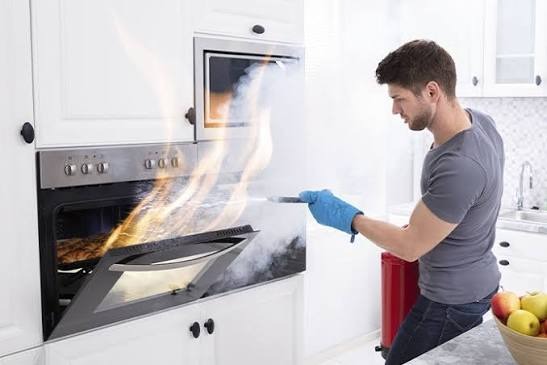
If there is smoke, a strong gas-like smell, visible damage, or concern that the oven is no longer operating safely, it is prudent to stop using the appliance until it has been assessed. For an active fire or immediate danger, residents should leave the area and contact local emergency services. Fire officials generally advise against opening an oven door during an oven fire, as added oxygen can worsen flames. The oven should be turned off if it can be done safely, and the door should remain closed.
Safe Cleaning After Plastic Has Melted
Cleaning should begin only after the oven has cooled. Ventilation is helpful, particularly if there is a lingering odor. Opening windows and using an exhaust fan can improve airflow. Avoid mixing cleaning products, as combinations of household chemicals can create hazardous fumes.
For minor residue on a removable oven rack or baking tray, washing with warm water and dish soap may be sufficient after the item has cooled. For residue inside the oven, homeowners should follow the manufacturer’s recommendations. The manual may identify which cleaners are safe for enamel, stainless steel, glass, or specialized nonstick surfaces.
It is also important to inspect the oven door gasket, heating elements, and vents. If melted material has reached these areas, professional service may be necessary. A damaged door seal can affect cooking performance and energy efficiency, while damage near electrical components should not be handled by an untrained user.
Holiday Cooking Can Increase Kitchen Risks

The story occurred around Thanksgiving, a period associated with large family meals and extended cooking schedules. In the United States, fire organizations regularly issue safety reminders before Thanksgiving because the holiday brings increased use of ovens, stovetops, fryers, and warming equipment.
The National Fire Protection Association notes that Thanksgiving is a particularly busy day for home cooking fires. The most common contributing factor is unattended cooking. That risk can increase when people are entertaining guests, helping children, answering the door, or moving between rooms while food is on the stove or in the oven.
Preparation can reduce pressure on the day of a major meal. Cooks can clear counters, check smoke alarms, confirm that oven racks are positioned correctly, and gather needed cookware before preheating. Keeping pot holders, wooden utensils, food packaging, and towels away from burners is also important. Long sleeves should be fitted rather than loose, and children should be kept at a safe distance from hot appliances.
A Simple Oven Safety Checklist Before Cooking
A brief inspection before each use can prevent many avoidable problems. Before preheating an oven, check that the interior contains only cookware and materials intended for oven use. Remove stored pans if they are not needed, and look underneath racks and behind trays for small items.
- Check the oven floor, racks, and broiler area for forgotten objects.
- Remove paper, plastic bags, food wrappers, lighters, batteries, and cleaning supplies.
- Confirm that cookware is labeled oven-safe and appropriate for the planned temperature.
- Clear grease buildup and food spills according to the manufacturer’s cleaning guidance.
- Make sure smoke alarms are working and that a fire extinguisher is accessible.
- Stay nearby while food is cooking, especially when using the stovetop or broiler.
- Keep the oven door closed during cooking unless checking food is necessary.
These steps take little time, but they can be particularly valuable before large meals, when a kitchen may be more crowded than usual. Turning the inspection into a family routine can also help ensure that everyone understands why certain objects should never be placed in or near an oven.
Understanding the Importance of Smoke Alarms
Functional smoke alarms are an essential part of home fire safety. The U.S. Fire Administration recommends installing alarms inside bedrooms, outside sleeping areas, and on every level of a home. Alarms should be tested regularly, and batteries should be replaced according to the manufacturer’s instructions.
In a kitchen, smoke alarms should be located far enough from cooking appliances to reduce nuisance alarms while still providing effective warning. Local building codes and manufacturer instructions can help determine suitable placement. A smoke alarm is not a substitute for active supervision, but it can provide an early alert if smoke develops unexpectedly.
For households using natural gas appliances, carbon monoxide alarms are also important. Carbon monoxide is an odorless gas that can be produced when fuel-burning equipment does not operate properly. A carbon monoxide alarm is separate from a smoke alarm, although combination devices are available.
Turning an Unsettling Discovery Into a Safer Routine
The family in this account ultimately identified the mysterious object as the remains of a lighter and adopted a new habit: checking the oven before preparing a major meal. That response reflects a useful lesson for other households. Unusual incidents can be reminders to improve routines rather than sources of lasting alarm.
Kitchen safety is often built around ordinary actions: clearing an appliance before use, staying attentive while cooking, reading product labels, and keeping flammable items away from heat. These habits are especially relevant during holidays, celebrations, and busy weeknight dinners, when distractions can make small oversights more likely.
A warped lighter found in an oven may look alarming, but the broader message is practical. Home cooks can reduce risk by treating the oven as an appliance for cooking rather than storage, inspecting it before preheating, and responding carefully if something unfamiliar is found. With preparation and attention, families can focus on the meal and the time spent together.

Sources
Disclaimer: This content is intended for entertainment purposes only and is not based on real events.
