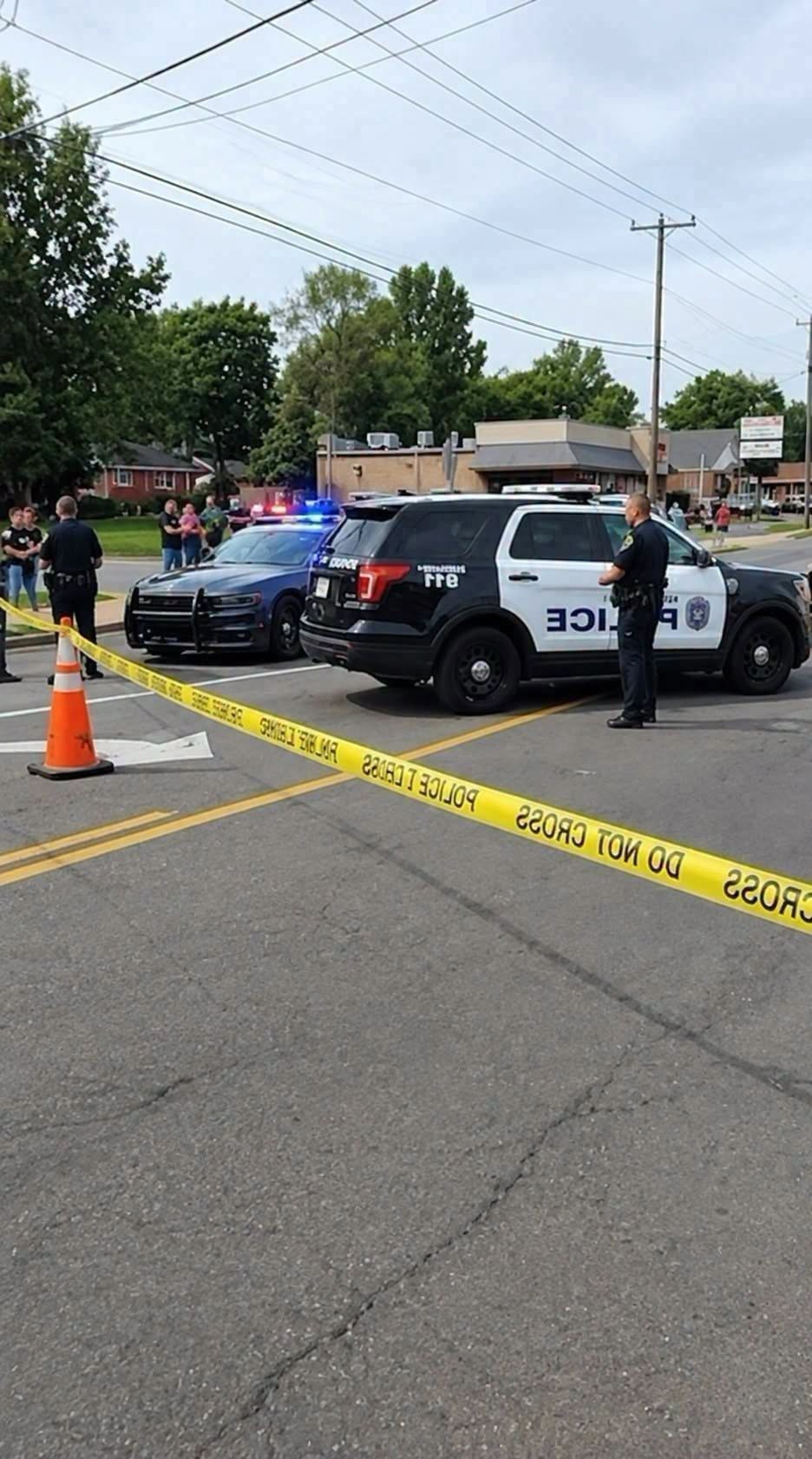

Community Safety and Communication During a Police Emergency
An ordinary afternoon in a residential neighborhood can change quickly when emergency services respond to information about a possible public safety concern. Police vehicles, temporary road closures, and requests for residents to remain indoors may create understandable anxiety, particularly for families who do not yet know why the response is taking place.
In these situations, the most important priorities are safety, clear communication, and patience. Emergency responders often need time to assess information, establish a secure working area, and decide how to manage a developing incident without increasing risk to residents, bystanders, or personnel at the scene. While the visible presence of police can be unsettling, a measured response is often intended to prevent confusion and allow trained teams to work effectively.
This article examines why police may establish a perimeter in a suburban community, how residents can find reliable information, and why responsible communication matters during uncertain events. It also considers the wider role of community cooperation in helping neighborhoods return safely to normal.
Why Police May Secure a Residential Neighborhood
When officers receive a report that requires further assessment, they may restrict access to part of a neighborhood while they gather facts. A police perimeter can serve several practical purposes. It can reduce vehicle and pedestrian traffic, preserve space for emergency personnel, protect privacy, and give responders the time needed to evaluate a situation carefully.
Not every police presence indicates the same type or level of risk. Emergency calls can involve many circumstances, including welfare concerns, an investigation, a person needing assistance, or reports that have not yet been verified. This is why early information may be limited. Authorities must balance the public’s need for timely updates with operational needs, privacy requirements, and the obligation to avoid sharing details that could complicate an active response.
Temporary barricades and road diversions are common tools used to keep an area accessible for responders. Although closures can inconvenience commuters, school pickups, delivery drivers, and nearby businesses, they can also reduce the likelihood of additional disruption. Keeping streets clear helps emergency vehicles move safely and gives personnel enough room to coordinate their work.
For residents, an instruction to stay indoors should be treated as a precautionary public safety measure. People should follow the guidance provided by local police, emergency management agencies, or other official authorities. It is also sensible to avoid gathering near the scene, approaching officers for updates, or attempting to drive through a restricted area.
The Importance of Staying Calm During Uncertainty
Uncertainty can be one of the most difficult aspects of an emergency. People may see flashing lights, blocked roads, or officers speaking with neighbors without receiving immediate details. In the absence of confirmed information, concern can quickly turn into speculation.
Public safety agencies often advise residents to rely on official alerts rather than rumors circulating through social media, neighborhood messaging groups, or informal conversations. Unverified posts can spread rapidly, especially when people are seeking reassurance. A claim repeated many times online may appear credible even when it has not been confirmed by police or other authorities.
Responsible communication is especially important because inaccurate information can affect real-world decisions. A misleading post may lead people to avoid an area unnecessarily, place repeated calls to emergency dispatchers, or share claims that cause distress to families and neighbors. It may also make it more difficult for officials to communicate urgent instructions clearly.
A calm approach does not mean ignoring concerns. Residents can take reasonable steps to stay informed, check on household members, and prepare for short-term disruptions. The key is to distinguish between practical caution and unsupported assumptions.
How Residents Can Find Reliable Emergency Information
During a local emergency, official sources are generally the most reliable place to look for updates. Police departments, municipal governments, fire and rescue agencies, and emergency management offices may post information on their websites, verified social media accounts, email notification systems, or local alert platforms.
Residents should look for messages that clearly identify the issuing agency and include a time or date. Updates may explain whether people should avoid a particular area, use an alternate route, remain indoors, or take another precaution. If instructions change, the newest official announcement should take priority over earlier posts.
Local radio and established news organizations can also provide helpful reporting when they cite named officials or direct public statements. However, initial reports during developing events may be incomplete. It is reasonable to wait for confirmation rather than sharing a headline or social media clip as though it represents the full situation.
Emergency phone lines should remain available for people who need urgent assistance. In the United States, 911 is intended for emergencies requiring immediate police, fire, or medical help. People seeking general information about a road closure or visible police activity should use official non-emergency channels where available, unless they have information that may be directly relevant to public safety.
Useful Steps for Families During a Local Police Response
Families can take several simple and non-alarming steps when authorities are active in their area. First, they can ensure that everyone in the household knows where to find official updates. Parents and caregivers may wish to explain the situation to children in calm, age-appropriate language, emphasizing that emergency workers are there to help manage a concern safely.
Second, residents can keep doors secured, remain away from windows if instructed, and avoid unnecessary travel through the affected area. These measures are not about creating fear; they are practical ways to respect the temporary safety boundaries established by responders.
Third, households can check whether neighbors, particularly older adults, people with disabilities, or those without easy access to online alerts, need help understanding official instructions. Community support can be valuable, but it should be offered without spreading unverified information. A brief message such as, “Police have asked people to avoid this area; please check the city’s official page for updates,” can be more useful than repeating rumors.
People with urgent medication, medical appointments, caregiving responsibilities, or other essential needs may need to contact the appropriate non-emergency authority for guidance if access is affected. Planning for these practical matters can help reduce stress while a temporary restriction is in place.
Why Emergency Operations Can Take Time
From outside the restricted area, an emergency response can appear slow or unclear. Yet responders may be managing many tasks at once. They may need to verify the initial report, communicate with individuals involved, coordinate among agencies, assess conditions, and determine whether additional resources are required.
Careful decision-making is a core part of professional emergency management. Responders must consider the safety of residents, the people directly involved, and their own teams. They may also need to preserve information relevant to an investigation or ensure that a location can be reopened safely.
The public may not receive a detailed explanation while an operation is underway. This does not necessarily mean that officials are withholding information without reason. In many cases, agencies must avoid releasing details that could compromise privacy, interfere with their work, or create further confusion. Once an immediate response is complete, authorities may provide a statement explaining what can be confirmed.
When officials announce that a situation is under control and restrictions are being lifted, residents should continue to follow instructions until roads and public spaces have formally reopened. The departure of some emergency vehicles does not always mean every closure has ended. Official confirmation remains the best indicator that normal activity can resume.
The Role of Community Leaders and Local Institutions
Community leaders, schools, neighborhood associations, and local businesses can help make emergency communication more effective. Their role is not to speculate about an incident but to direct people toward verified information and reinforce practical guidance from public safety agencies.
Schools may need to adjust dismissal procedures or communicate with parents when nearby roads are closed. Businesses can inform customers about access changes. Local governments can share detour information, public transit updates, and official statements through accessible channels. These coordinated efforts can reduce confusion for people who are not directly within the restricted area but may still be affected by disruptions.
Accessible communication is also important. Information should be available in formats that serve people with disabilities and, where possible, in languages used by the local community. Emergency instructions are most effective when residents can understand them quickly and act on them confidently.
Social Media: Helpful Tool, Significant Responsibility
Social media can be useful during emergencies because it allows public agencies to share updates quickly. It can also help residents notify family members that they are safe or identify practical issues such as road closures. However, it is most helpful when users treat it as a tool for verified information rather than a source of instant conclusions.
Before sharing a post, residents should consider whether the information comes from an official agency or a reputable news organization. They should check the date, location, and context. Images and videos can be old, unrelated, or presented without enough information to explain what they show. A post that creates alarm without offering a credible source is best left unshared.
Respect for privacy also matters. Posting images of private homes, vulnerable individuals, or emergency personnel at work may be inappropriate and can complicate a sensitive situation. Good digital citizenship means prioritizing safety and accuracy over attention or speed.
Returning to Normal After an Emergency Response
When an incident concludes without serious injuries and residents are permitted to resume normal routines, relief is often mixed with lingering unease. It can take time for a neighborhood to feel fully settled after an unexpected afternoon of police activity, roadblocks, and unanswered questions.
Residents may find reassurance in speaking with trusted neighbors, reviewing confirmed information from authorities, and returning gradually to familiar routines. Parents can invite children to ask questions and offer simple reassurance that trained professionals responded to the situation. If someone experiences ongoing distress after a stressful event, speaking with a health professional or local support service may be helpful.
The wider lesson is that communities are more resilient when people cooperate. Following official directions, avoiding speculation, keeping emergency lines clear, and checking on neighbors are practical actions that support both public safety and community well-being.
Community Cooperation Supports Public Safety
A police response in a quiet neighborhood can be disruptive, but it can also demonstrate why preparation, patience, and clear communication matter. Residents may not always know every detail in real time, and authorities may need space to complete their work responsibly. By relying on verified sources and respecting temporary restrictions, the public can help reduce unnecessary risk and confusion.
As streets reopen and daily life resumes, communities can take the experience as a reminder to sign up for local emergency alerts, discuss basic family communication plans, and learn which official channels provide reliable updates. These small preparations can make a meaningful difference when an unexpected event occurs.
Sources
- Ready.gov — U.S. government emergency preparedness guidance.
- Centers for Disease Control and Prevention — public health and emergency preparedness information.
- Federal Emergency Management Agency — emergency management resources and community preparedness guidance.
- BBC News — reporting and public-interest coverage of major events.
- Reuters — international news reporting based on verified sourcing.
Disclaimer: This content is intended for entertainment purposes only and is not based on real events.
